
 EN
EN
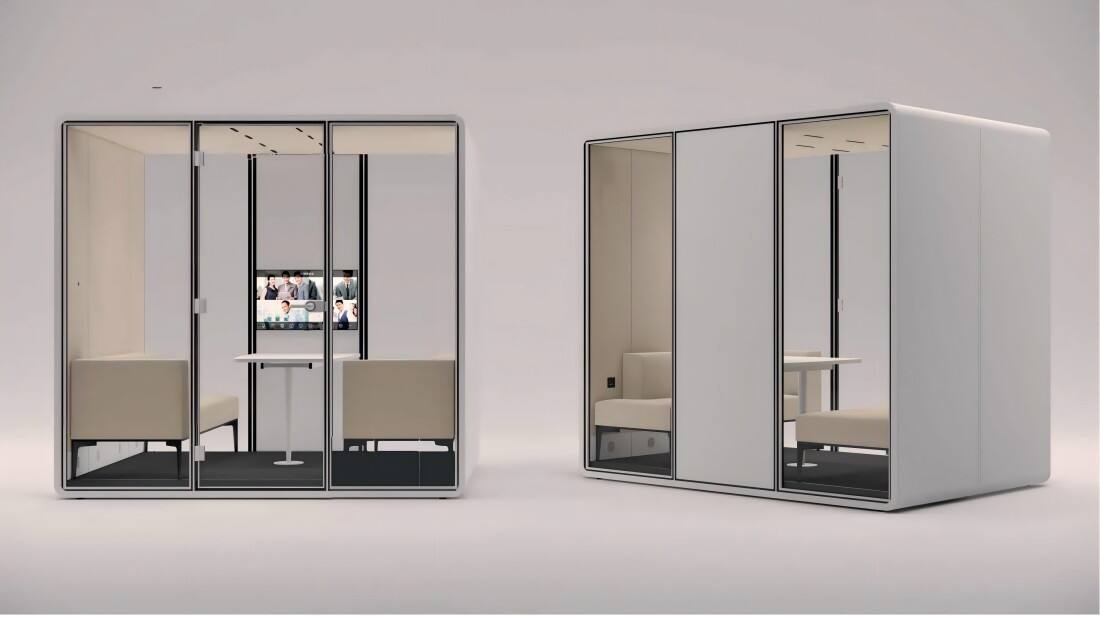
Съвременните работни места изискват гъвкавост и адаптивност, за да отговарят на променящите се бизнес нужди. Организациите в различните индустрии все по-често търсят иновативни решения, които им позволяват да оптимизират офис пространствата си, като запазват икономическа ефективност и оперативна производителност. Системите за демонтабилни преградни стени се превърнаха в трансформиращо решение за компаниите, които целят да създават динамични, преустройващи се работни среди, способни да се адаптират към променящите се изисквания, без постоянството и разходите на традиционните строителни методи.
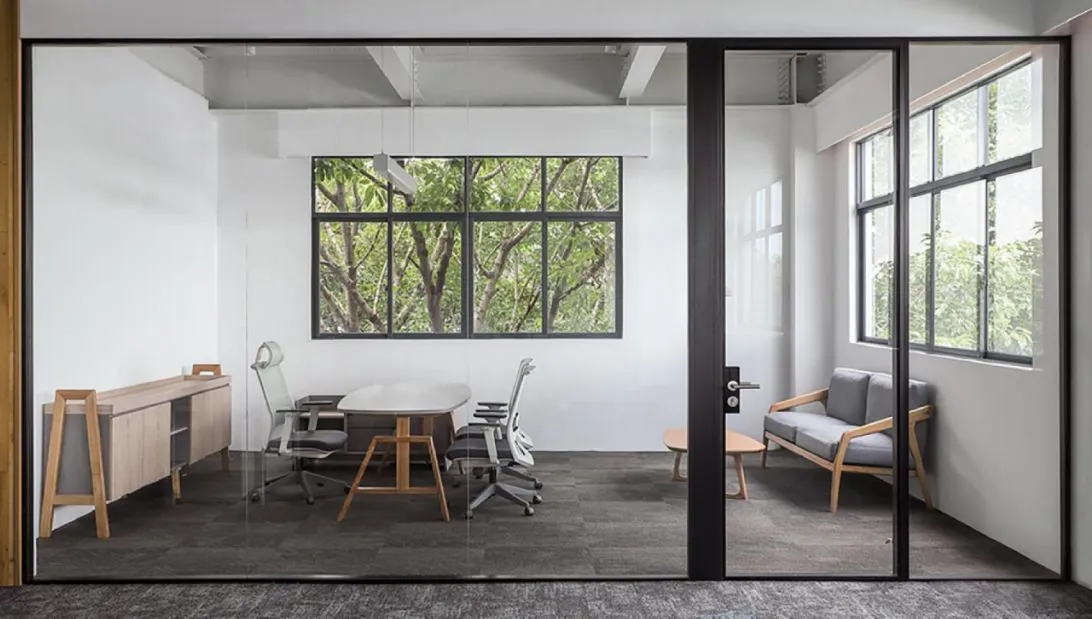
Тези иновативни архитектурни решения представляват промяна в парадигмата спрямо традиционните неподвижни стени и предлагат безпрецедентна гъвкавост при планирането и дизайна на пространствата. За разлика от постоянни конструкции, тези системи позволяват бързо и ефективно преустройство на помещенията, което ги прави идеални за организации, изправени пред чести промени в размера на екипите, нуждите на отделите или операционните изисквания. Нарастващото внедряване на тези системи отразява по-широк тренд към гъвкав дизайн на работното място, при който адаптивността има приоритет пред постоянното.
Прилагането на системи за демонтируеми преградни стени надхвърля простото разделяне на пространства и включва комплексни решения за акустичен контрол, управление на поверителността и естетическо подобряване. Тези системи се интегрират безпроблемно с модерната офис инфраструктура, включително електрически, данни и климатични системи, като запазват професионалния вид и функционалност, необходими за бизнеса. Разбирането на многогранните предимства на тези системи е от решаващо значение за мениджъри на сгради, архитекти и ръководители на бизнеси, които разглеждат стратегии за оптимизация на работното пространство.
Подобрена гъвкавост и възможности за преустройство
Бързо адаптиране на пространството
Основното предимство на демонтируемите системи за преградни стени се крие в изключителната им способност да осигуряват бързо преустройство на пространството. За разлика от традиционните строителни методи, при които са необходими седмици или месеци за промяна на офис аранжимента, тези системи позволяват на организациите да реструктурират работните си площи за няколко часа или дни. Тази възможност е безценна за бизнеси, преживяващи разширяване, свиване или пренареждане на отдели, като им позволява бързо да реагират на променящите се оперативни нужди, без да нарушават ежедневната дейност.
Модулната природа на тези системи означава, че компонентите лесно могат да бъдат премествани, разширявани или преорганизирани, за да се създадат напълно нови пространствени аранжименти. Тази гъвкавост премахва необходимостта от скъпи проекти за разрушаване и възстановяване, когато се променят изискванията за работното място. Организациите могат да експериментират с различни планировки, за да оптимизират работния поток, сътрудничеството и производителността, без да правят постоянни структурни промени, които биха могли да станат остарели с промяната на бизнес нуждите.
Освен това лесната преустройване позволява на компаниите да внедряват временни пространствени решения за специални проекти, сезонни дейности или краткосрочни инициативи. Тази адаптивност удължава полезното време на офис пространствата и максимизира възвръщаемостта от инвестициите в имоти, като гарантира, че физическите среди могат да еволюират заедно с организационните стратегии и пазарните изисквания.
Мащабируеми решения в дизайна
Системите за демонтабилни преградни стени предлагат безпрецедентна мащабируемост, позволявайки на организациите да разширяват или свиват пространствените си конфигурации според текущите нужди. Тази мащабируемост е особено полезна за компании с променлив размер на персонала, проектно ориентирана дейност или сезонни бизнес цикли. Модулните компоненти могат да се добавят, премахват или преустройват, за да отговарят на различните изисквания за пространство, без да се компрометира общата дизайнерска цялост или функционалност на работното място.
Систематичният подход към разделянето на пространството осигурява точно персонализиране на размерите и конфигурациите на помещенията. Организациите могат да създават интимни срещни зони, открити колаборативни площи или частни офиси, като просто настройват позицията и броя на преградните компоненти. Тази степен на персонализация гарантира, че всеки квадратен метър от офисното пространство се използва ефективно, максимизирайки както функционалността, така и ефективността.
Гъвкавата природа на тези системи подпомага и поетапни стратегии за внедряване, което позволява на организациите да разполагат секции постепенно, според нуждите или финансовите възможности. Този подход намалява първоначалните капитали, като осигурява ясен път за бъдещо разширяване и подобряване на функционалността на работното пространство.
Икономическа ефективност и финансови ползи
Намалени разходи за строителство и монтаж
Финансовите предимства на демонтируемите дЕЛИВНА стена системите се проявяват при сравняване на общите разходи за проект с традиционните строителни методи. Те значително намаляват нуждата от труд, отпадъците от материали и времетраенето на проекта, което води до големи икономии за организациите. Предварително изработените компоненти пристигат готови за монтаж, като се премахва необходимостта от обширни дейности по строителната площадка, които обикновено включват множество занаяти и продължителни срокове за изпълнение.
Разходите за инсталиране се минимизират допълнително чрез опростения процес на сглобяване, който изисква по-малко специализирани умения и инструменти в сравнение с традиционното строителство на стени. Намалената сложност при монтажа води до по-кратки срокове за реализация на проекта, което минимизира смущенията в бизнес операциите и намалява непряките разходи, свързани с простоюване на работното пространство. Организациите могат да запазят нивата на продуктивност по време на инсталирането и така да избегнат загуби в приходите, типични за по-мащабни строителни проекти.
Елиминирането на мокри строителни процеси, като завършване на гипсокартон и боядисване, намалява както материалните разходи, така и разходите за труд, докато ускорява приключването на проекта. Този оптимизиран подход към разделянето на пространството осигурява незабавни икономически ползи и създава основа за дългосрочни финансови предимства чрез подобрена гъвкавост на работното място.
Дългосрочна стойност и запазване на активи
Повторното използване на компоненти за демонтируеми прегради създава значителна дългосрочна стойност за организациите, като запазва капитали в рамките на множество конфигурации на работното пространство. За разлика от традиционните стени, които представляват загубени разходи при разрушаването им, тези системи запазват своята стойност и функционалност чрез многократни инсталиране и преустройство. Тази възможност за запазване на активи превръща инфраструктурата на работното пространство от разход с намаляваща стойност във възобновяем ресурс.
Организациите могат да постигнат значителни спестявания при преместване на офиси или преустройство на съществуващи площи, като повторно използват наличните компоненти за прегради вместо да закупуват нови материали. Портативността на тези системи удължава експлоатационния им срок неограничено, осигурявайки постоянна стойност, която традиционните строителни методи не могат да надминат. Тази характеристика е особено ценна за организации с множество локации или чести модификации на работното пространство.
Изискванията за поддръжка на демонтируемите системи обикновено са по-ниски в сравнение с традиционните стени, което намалява текущите експлоатационни разходи. Постоянните материали и прецизното производство осигуряват продължителен срок на служене при минимално обслужване, докато възможността за замяна на отделни компоненти предотвратява необходимостта от пълна подмяна на системата при малки повреди.
Акустично представяне и решения за поверителност
Напреднала технология за контрол на шума
Съвременните системи за демонтируеми преградни стени включват сложна акустична инженерия, която осигурява ефективен контрол на звука в офис среда с открит план. Тези системи използват специализирани ядрови материали, запечатани фуги и проектирани повърхности, за да постигнат клас за предаване на звук, съпоставим с традиционните строителни методи. Акустичните характеристики гарантират провеждането на поверителни разговори, срещи и концентрирана работна дейност без смущения или загриженост за поверителност.
Многослойната конструкция на високоефективни прегради включва звукоизолационни материали и въздушни междини, които ефективно намаляват предаването на шум между помещения. Този проектен подход отчита както въздухопреносния шум, така и ударния шум, създавайки комфортна акустична среда, която подпомага продуктивността и концентрацията. Акустичните свойства могат да бъдат персонализирани според конкретните изисквания – от основна поверителност до високи стандарти за сигурност.
Напреднали решения за оглаждане допълнително подобряват акустичните характеристики, като запазват визуалната свързаност между пространствата. Ламинирани и двойни стъклени панели осигуряват превъзходна звукоизолация, без да компрометират откритостта и прозрачността, изисквани в съвременните работни места. Тези оглаждания позволяват на организацията ефективно да балансира изискванията за поверителност с принципите на съвместна работа.
Персонализируеми нива на поверителност
Модулният дизайн на демонтируемите преградни системи осигурява прецизен контрол върху нивата на уединение в цялото работно пространство. Организациите могат да избират от различни конфигурации на панели, включително плътни, стъклени и комбинирани варианти, за да създадат оптималното равновесие между откритост и уединение за всеки конкретен участък. Тази възможност за персонализация гарантира, че различните функции на работното място получават подходящо визуално и акустично отделяне.
Регулируеми елементи за уединение, като интегрирани щори и превключваеми стъклени панели, осигуряват динамичен контрол върху прозрачността и поверителността. Тези елементи позволяват на пространствата да изпълняват множество функции през деня, като преминават от открити съвместни зони към частни срещни стаи според нуждите. Възможността да се променят нивата на уединение без физическа преустройка добавя още един слой гъвкавост в управлението на работното пространство.
Стратегическото разположение на елементи за поверителност може да създаде постепенно преминаващи зони от строго защитени ръководни помещения до полуперсонални работни пространства за екипи и открити зони за съвместна работа. Този подход към зонирането оптимизира работното пространство за различни дейности, като същевременно запазва общата свързаност и плавност в офис околната среда.
Устойчивост и въздействие върху околната среда
Намалено отпадъчно производство и запазване на ресурсите
Разглобяемите системи за преградни стени значително намаляват строителните отпадъци благодарение на своята многократно използваема конструкция и прецизното производство. Традиционното строителство на стени води до значителни отпадъци от рязане, оформяне и разрушаване, докато разглобяемите системи са проектирани за точни размери и повтаряща се употреба. Това намаляване на отпадъците допринася за постигане на целите за екологична устойчивост, както и за намаляване на разходите за отстраняване на отпадъци и тежестта от изпълнението на регулаторни изисквания за организациите.
Производствените процеси за тези системи обикновено включват рециклирани материали и устойчиви методи на производство, което допълнително намалява тяхното въздействие върху околната среда. Много производители използват алуминиеви рамки, компоненти от рециклирана стомана и устойчиви основни материали, които могат напълно да се рециклират в края на своя полезен живот. Този цикличен подход към дизайна минимизира добива на първични материали и намалява общото въздействие върху околната среда при строителството на работни места.
Дългият срок на годност и повторната използваемост на демонтажни компоненти разширяват техните екологични предимства през множество цикли на инсталиране. Вместо да се изискват нови материали за всяка модификация на работното място, организациите могат неограничено да използват отново съществуващите компоненти, което значително намалява екологичното въздействие през целия жизнен цикъл в сравнение с традиционните строителни методи.
Енергийна ефективност и съответствие с изискванията за зелена сграда
Топлинните свойства на демонтируемите преградни системи допринасят за енергийната ефективност на сградите, като осигуряват ефективна топлоизолация и контрол на климата. Затворената конструкция и изолираните ядра помагат за поддържане на постоянна температура в различните зони, намалявайки консумацията на енергия от системите за отопление, вентилация и климатизация и експлоатационните разходи. Тази топлинна производителност подпомага изискванията за сертифициране на екологични сгради и целите за устойчиво развитие.
Възможностите за интеграция на тези системи подкрепят напреднали технологии за автоматизация на сгради и управление на енергопотреблението. Вградени сензори, панели с умно стъкло и интегрирани осветителни системи могат да оптимизират енергопотреблението въз основа на моделите на заетост и наличието на дневна светлина. Тези функции позволяват на организациите да постигнат отлична енергийна ефективност, като запазват комфортна и продуктивна работна среда.
Съкратеният график за строителство, свързан с демонтируемите системи, също намалява въглеродния отпечатък на проектите за работни пространства, като намалява използването на оборудване, транспортните нужди и потреблението на енергия по време на инсталиране. Тази незабавна екологична полза допълва дългосрочните предимства за устойчивостта на методите за повторно използване на конструкции.
Интеграция с модерните офис технологии
Безпроблемно разполагане на инфраструктура
Съвременните демонтируеми системи за преградни стени са проектирани да се интегрират безпроблемно с модерната офис инфраструктура, включително електрически, данни и телекомуникационни системи. Вградените системи за управление на кабели, електрически контакти и портове за данни елиминират необходимостта от външни тръби и компоненти, монтирани на повърхността, които могат да нарушиха естетиката и функционалността. Тази възможност за интеграция гарантира, че технологичните изисквания за работното пространство са изпълнени, без да се жертва качеството на дизайна или оперативната ефективност.
Модулният дизайн позволява бъдещи технологични надграждания и модификации, без да изисква подмяна на системата или мащабни ремонти. Докато технологиите на работното място еволюират, организациите могат лесно да актуализират компонентите на инфраструктурата в рамките на преградната система, запазвайки съвременните възможности и инвестицията в цялостната система. Тази гъвкавост е от съществено значение за организациите в индустрии с висока технологична насыщеност, където изискванията към инфраструктурата често се променят.
Напреднали преградни системи могат да включват специализирани технологични функции, като интегрирани дисплеи, интерактивни повърхности и сензори за умни сгради. Тези функции превръщат прости разделящи елементи в интелигентни компоненти на работното място, които подпомагат сътрудничеството, комуникацията и оперативния мониторинг, като същевременно запазват основната си функция по организиране на пространството.
Решения за свързване, готови за бъдещето
Гъвкавостта в дизайна на разглобяемите системи позволява на организациите да прилагат предходни решения за свързване, които поддържат нововъзникващите технологии на работното място. Инфраструктура за високоскоростни данни, станции за безжично зареждане и интеграция на устройства от интернета на нещата (IoT) могат лесно да бъдат включени в конструкцията на преградите, създавайки среда, богата на технологии, която повишава производителността и потребителското изживяване.
Модулният характер на тези системи позволява стъпкови технологични надстройки, когато станат достъпни нови решения или се променят нуждите на организацията. Вместо да се изисква пълна замяна на системата, отделните компоненти могат да бъдат актуализирани или подобрени, за да се включат нови технологии, като по този начин се запази цялостната цялост и функционалност на системата.
Стандартизираните интерфейси за връзка и модулните принципи на проектиране осигуряват съвместимост с бъдещите технологични разработки, като по този начин защитават инвестициите на организациите както в системите за прегради, така и в интегрираните технологии. Този подход, готов за бъдещето, позволява дългосрочно технологично планиране и намалява риска от остаряване.
ЧЗВ
Колко време обикновено отнема инсталирането на преносими системи за преградни стени в сравнение с традиционното строителство
Инсталирането на преносими системи за преградни стени обикновено изисква с 70-80% по-малко време в сравнение с традиционното строителство на стени. Докато изграждането на обикновен гипсокартонен зид може да отнеме седмици, включително за изработване на каркаса, монтаж, финишна обработка и боядисване, преносимите системи често могат да бъдат монтирани и въведени в експлоатация за 1-3 дни, в зависимост от обхвата на проекта. Предварително изработените компоненти пристигат готови за сглобяване, което елиминира дълготрайните строителни дейности на обекта и позволява незабавно заемане след приключване.
Какви нива на акустична производителност могат да бъдат постигнати с модерните разглобяеми преградни системи
Висококачествените разглобяеми системи за преградни стени могат да постигнат клас на предаване на звук от STC 35 за основни приложения, свързани с поверителност, до STC 50+ за помещения за поверителни срещи и изпълнителни офиси. Напредналите системи, включващи специализирани акустични ядра, запечатани фуги и материали, поглъщащи звук, могат да съпоставят или надминат производителността на традиционната конструкция, като в същото време запазват гъвкавостта и повторната употреба, които правят тези системи привличателни за модерните работни места.
Подходящи ли са разглобяемите преградни системи за среди с висока сигурност или поверителна дейност
Да, съществуват специализирани демонтируеми системи за прегради за приложения с висока сигурност, изискващи подобрена поверителност и функции за сигурност. Тези системи могат да включват хардуер, устойчив на манипулации, засилени панели и напреднали механизми за заключване, като в същото време запазват гъвкавостта и повторната използваемост на стандартните системи. Някои производители предлагат системи, отговарящи на стандарти за сигурност на правителствени и отбранителни органи, като осигуряват експлоатационни предимства на демонтируемата конструкция.
Какво представляват демонтируемите системи за прегради в сравнение с традиционното строителство по отношение на общата цена на собственост
Въпреки че първоначалните разходи могат да бъдат съпоставими, демонтажните преградни системи обикновено осигуряват 40–60% по-ниска обща стойност на собственост през целия им жизнен цикъл поради повторната употреба, намалените изисквания за поддръжка и отпадането на разходите за разглобяване. Възможността за преустройство на помещенията без подмяна на материали, в комбинация с по-бързо монтиране и минимални прекъсвания в дейността, създава значителна дългосрочна стойност, която традиционното строителство не може да надмине. Организациите с чести промени в пространството реализират най-големите икономически предимства от тези системи.
Съдържание
- Подобрена гъвкавост и възможности за преустройство
- Икономическа ефективност и финансови ползи
- Акустично представяне и решения за поверителност
- Устойчивост и въздействие върху околната среда
- Интеграция с модерните офис технологии
-
ЧЗВ
- Колко време обикновено отнема инсталирането на преносими системи за преградни стени в сравнение с традиционното строителство
- Какви нива на акустична производителност могат да бъдат постигнати с модерните разглобяеми преградни системи
- Подходящи ли са разглобяемите преградни системи за среди с висока сигурност или поверителна дейност
- Какво представляват демонтируемите системи за прегради в сравнение с традиционното строителство по отношение на общата цена на собственост