
 EN
EN
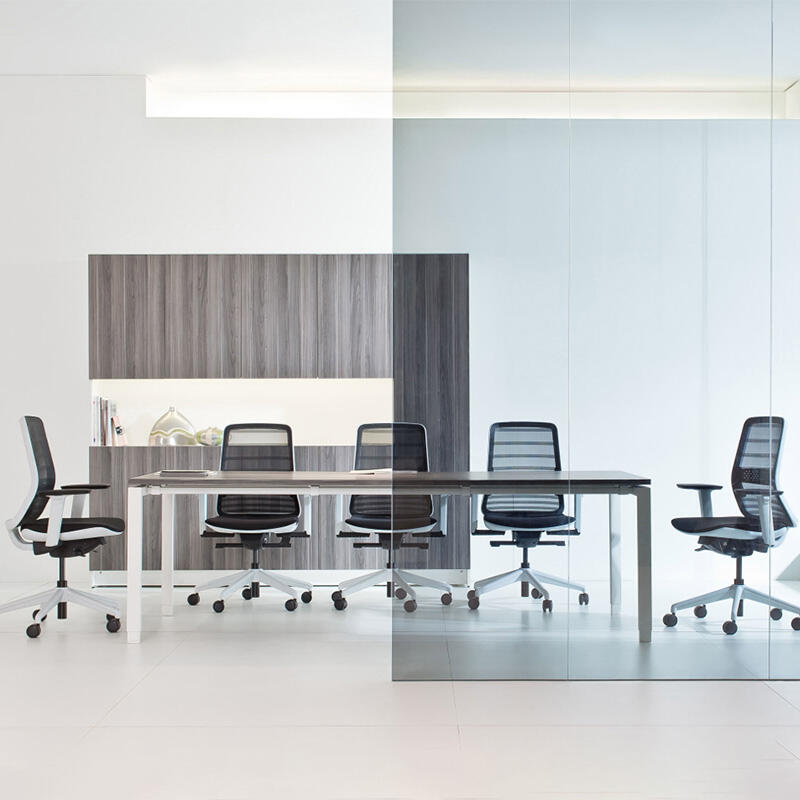
Selecting the right task seating for your workplace is a critical decision that impacts employee productivity, health, and overall satisfaction. Premium task chairs represent a significant investment in workplace ergonomics, offering advanced features designed to support extended periods of seated work. Understanding which features matter most in task seating can help organizations make informed decisions that benefit both their workforce and their bottom line. The modern workplace demands furniture solutions that adapt to diverse working styles while maintaining comfort and durability throughout years of daily use.
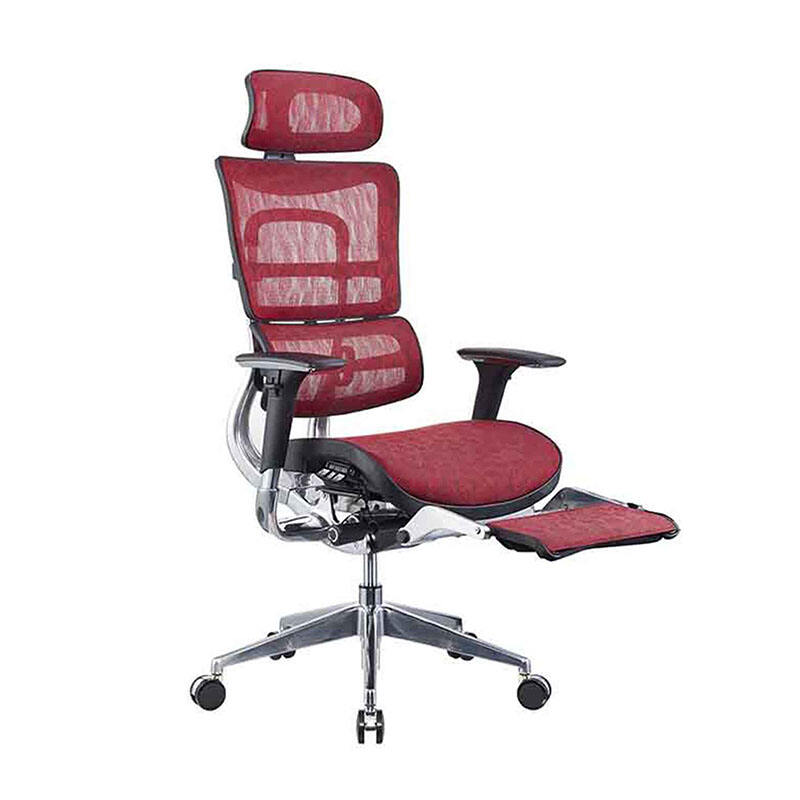
Ergonomic Design Fundamentals
Lumbar Support Systems
Proper lumbar support stands as the cornerstone of effective task seating design. Premium chairs incorporate adjustable lumbar mechanisms that conform to the natural S-curve of the spine, preventing slouching and reducing lower back strain. Advanced task seating models feature dynamic lumbar support that moves with the user, maintaining consistent pressure points throughout various seated positions. This adaptability ensures that employees working long hours receive continuous spinal alignment support, which directly translates to improved comfort and reduced fatigue.
The positioning of lumbar support in task seating must accommodate users of different heights and body types. Quality chairs offer both height and depth adjustability for the lumbar pad, allowing precise customization to match individual anatomical requirements. Some premium models incorporate pneumatic lumbar adjustment systems that enable real-time modifications without requiring users to leave their seated position, enhancing workflow efficiency during busy workdays.
Seat Pan Design and Materials
The seat pan construction significantly influences user comfort and circulation in task seating applications. Premium chairs feature contoured seat pans with waterfall edges that reduce pressure on the back of the thighs, promoting healthy blood flow during extended sitting periods. High-quality foam density ensures the seat maintains its shape and support characteristics over years of regular use, preventing the flattening and discomfort associated with lower-grade materials.
Breathable fabrics and mesh materials in task seating help regulate temperature and moisture, creating a more comfortable microclimate around the seated user. Advanced seat pan designs incorporate pressure-mapping technology to distribute weight evenly across the surface, reducing hot spots that can cause discomfort during long working sessions. The depth adjustment feature allows users to position themselves correctly relative to the backrest, ensuring optimal support regardless of leg length variations.
Adjustability Features and Mechanisms
Height and Tilt Controls
Comprehensive adjustability distinguishes premium Task Seating from basic office chairs. Pneumatic height adjustment systems provide smooth, precise elevation control that accommodates users ranging from petite to tall statures. Quality mechanisms maintain their adjustment capability over thousands of cycles, ensuring long-term reliability in demanding office environments. The range of height adjustment should span at least six inches to accommodate the majority of users effectively.
Tilt mechanisms in advanced task seating offer multiple locking positions and tension adjustments that support various working postures throughout the day. Synchronized tilt systems coordinate seat and backrest movement, maintaining proper hip angles while allowing natural body movement. Some premium models include independent seat tilt adjustment, enabling users to fine-tune their positioning for tasks requiring different levels of focus and engagement.
Armrest Functionality
Multi-dimensional armrest adjustability represents a hallmark of superior task seating design. Premium chairs feature armrests that adjust in height, width, depth, and angle to support proper shoulder alignment and reduce neck strain. The ability to move armrests inward or outward accommodates different body sizes and work surface heights, ensuring optimal forearm support during keyboard and mouse operations.
Advanced armrest padding materials resist compression and maintain their supportive properties over extended use periods. Some task seating models incorporate soft-touch surfaces that provide comfort while remaining easy to clean and maintain in professional environments. The armrest adjustment mechanisms should operate smoothly and hold their positions securely without drift or slippage during normal use.
Material Quality and Durability
Frame Construction Standards
The structural integrity of task seating depends heavily on frame construction quality and material selection. Premium chairs utilize high-grade aluminum or steel frameworks that provide exceptional strength-to-weight ratios while maintaining sleek aesthetic profiles. Reinforced stress points and welded joints ensure the chair can withstand years of daily use without developing wobbles or structural failures that compromise safety and comfort.
Quality powder coating or anodizing processes protect metal components from corrosion and wear, maintaining the chair's appearance throughout its service life. Advanced task seating incorporates modular design principles that allow for component replacement and upgrades, extending the product lifecycle and supporting sustainability initiatives. The base construction typically features reinforced five-point designs that distribute weight effectively while providing stable support during dynamic movements.
Manufacturing tolerances in premium task seating ensure consistent fit and finish across all components. Precision-engineered pivot points and adjustment mechanisms operate smoothly and maintain their calibration over thousands of adjustment cycles. Quality control processes verify that each chair meets stringent performance standards before shipment, providing confidence in long-term reliability and user satisfaction.
Upholstery and Fabric Technologies
Modern task seating incorporates advanced fabric technologies that enhance comfort while maintaining professional appearances in office environments. High-performance mesh materials provide excellent breathability and support, conforming to body contours while allowing air circulation that prevents heat buildup during extended sitting periods. These materials resist stretching and maintain their tension characteristics over time, ensuring consistent support throughout the chair's service life.
Leather and synthetic upholstery options in premium task seating feature enhanced durability treatments that resist cracking, fading, and staining from daily use. Advanced protective coatings make cleaning and maintenance straightforward while preserving the material's original appearance and texture. Some task seating models offer antimicrobial fabric treatments that help maintain hygiene in shared workspace environments, particularly important in today's health-conscious workplace settings.
Customization and Aesthetic Integration
Design Flexibility Options
Premium task seating systems offer extensive customization options that allow organizations to align furniture selections with their brand identity and workspace aesthetics. Color coordination capabilities ensure chairs complement existing office décor while maintaining the professional appearance expected in corporate environments. Modular design approaches enable mixing and matching of components to create unique configurations that meet specific functional requirements.
Finish options in quality task seating extend beyond basic color choices to include texture variations and material combinations that enhance visual interest. Some manufacturers offer custom embroidery or logo application services that reinforce corporate branding while maintaining the chair's premium appearance. The ability to specify different components allows facilities managers to create consistent design themes across various workspace zones while addressing specific ergonomic needs.
Space Planning Considerations
Effective task seating selection requires careful consideration of workspace dimensions and layout constraints. Premium chairs offer compact footprints that maximize available floor space while providing full ergonomic functionality. Stackable or nesting capabilities in some task seating models support flexible space utilization for multipurpose areas and conference rooms that serve various functions throughout the workday.
Integration with existing workspace furniture systems ensures seamless coordination between task seating and work surfaces, storage solutions, and technology infrastructure. Height compatibility with standard desk configurations prevents ergonomic compromises that can develop when chair and surface dimensions are mismatched. Quality task seating manufacturers provide detailed specification sheets and planning tools that facilitate informed decision-making during space design processes.
Technology Integration and Smart Features
Sensor-Based Monitoring Systems
Cutting-edge task seating increasingly incorporates sensor technologies that monitor user behavior and provide feedback for optimizing ergonomic positioning. Advanced models track sitting duration, posture patterns, and movement frequency to generate insights that support workplace wellness initiatives. These smart features help users develop healthier work habits while providing facility managers with data to evaluate space utilization and furniture performance.
Integration with mobile applications allows users to receive personalized recommendations for adjustment settings and movement breaks based on their individual usage patterns. Some task seating systems connect to broader workplace wellness platforms, contributing to comprehensive health monitoring programs that benefit both employees and organizations. The data collected can inform future furniture purchasing decisions and workspace design improvements based on actual usage analytics.
Connectivity and Power Integration
Modern task seating solutions increasingly incorporate connectivity features that support today's technology-dependent work environments. Integrated USB charging ports and wireless charging pads built into armrests or seat bases provide convenient power access for mobile devices without requiring additional desk accessories. These features help maintain clean workstation aesthetics while ensuring devices remain charged throughout the workday.
Cable management systems integrated into task seating designs help organize and route power and data cables to reduce clutter and tripping hazards in the workspace. Some premium models include discrete wire routing channels that maintain the chair's sleek appearance while providing practical functionality for users who rely on multiple connected devices. These integrated solutions support the evolving needs of hybrid work environments where flexibility and technology integration are essential.
Maintenance and Longevity Factors
Serviceability and Repair Access
Long-term value in task seating depends significantly on the ease of maintenance and repair accessibility. Premium chairs feature modular component designs that allow for individual part replacement without requiring complete unit replacement. This approach reduces total cost of ownership while minimizing environmental impact through extended product lifecycles and reduced waste generation.
Manufacturer support programs for quality task seating include comprehensive parts availability guarantees and technical support services that ensure chairs can be maintained effectively throughout their operational lives. Detailed maintenance documentation and training resources help facility management teams perform routine care procedures that preserve chair performance and appearance. Some manufacturers offer on-site service programs that provide expert maintenance and repair services for large installations.
Warranty Coverage and Support
Comprehensive warranty coverage reflects manufacturer confidence in task seating quality and provides protection for organizational investments. Premium chairs typically include extended warranties covering structural components, mechanisms, and upholstery materials for periods ranging from five to twelve years. These warranties demonstrate the expected durability and performance characteristics of quality task seating while providing recourse for premature failures.
Professional installation and setup services ensure task seating is properly configured from the outset, maximizing ergonomic benefits and preventing premature wear from incorrect assembly. Ongoing support services may include ergonomic assessments, user training programs, and periodic maintenance inspections that help organizations maximize their furniture investments. These comprehensive support packages distinguish premium task seating providers from commodity furniture suppliers.
FAQ
How often should task seating be replaced in a typical office environment
Premium task seating typically maintains optimal performance for 8-12 years in standard office environments with proper maintenance. However, replacement timing depends on usage intensity, user weight variations, and maintenance quality. Signs indicating replacement needs include persistent mechanical issues, worn upholstery that affects hygiene, or outdated ergonomic features that no longer meet current workplace standards. Organizations should establish replacement schedules based on warranty periods and performance monitoring rather than arbitrary timelines.
What ergonomic certifications should buyers look for in premium task chairs
Look for task seating certified by recognized ergonomic organizations such as the Human Factors and Ergonomics Society (HFES) or products meeting ANSI/BIFMA standards for office furniture. GREENGUARD certification ensures low chemical emissions for healthy indoor air quality. Some manufacturers also pursue third-party ergonomic testing and certification from independent laboratories that validate comfort and support claims through scientific testing protocols with real users.
How do weight capacity ratings affect task seating selection decisions
Weight capacity ratings for task seating should accommodate the heaviest potential users with significant safety margins built in. Premium chairs typically support 250-400 pounds, with heavy-duty models exceeding 500 pounds. Consider not just static weight but dynamic loading from user movements throughout the day. Higher weight capacities generally correlate with more robust construction and longer service life, making them worthwhile investments even for average-weight users.
What role does task seating play in achieving LEED certification for office buildings
Task seating contributes to LEED certification through several categories including Materials and Resources credits for recycled content and regional materials. Indoor Environmental Quality credits can be earned through low-emitting furniture selections and enhanced user comfort features. Sustainable manufacturing processes and end-of-life recyclability programs offered by premium task seating manufacturers support green building initiatives while providing documentation needed for LEED submission processes.
Table of Contents
- Ergonomic Design Fundamentals
- Adjustability Features and Mechanisms
- Material Quality and Durability
- Customization and Aesthetic Integration
- Technology Integration and Smart Features
- Maintenance and Longevity Factors
-
FAQ
- How often should task seating be replaced in a typical office environment
- What ergonomic certifications should buyers look for in premium task chairs
- How do weight capacity ratings affect task seating selection decisions
- What role does task seating play in achieving LEED certification for office buildings