
 EN
EN
Moderní pracoviště vyžadují nábytková řešení, která klade důraz jak na výkon, tak na pohodlí, a proto mnoho organizací zkoumá inovativní možnosti sedadel. Pracovní křesla se v posledních desetiletích výrazně vyvíjela, přičemž konstrukce z síťového materiálu se stala oblíbenou volbou pro profesionály, kteří tráví u svých psacích stolů dlouhé hodiny. Začlenění dýchavých materiálů a ergonomicky zaměřeného inženýrského řešení řeší běžné problémy s pohodlím na pracovišti a zároveň podporuje cíle zvyšování produktivity. Pochopení toho, jak konstrukce ze síťového materiálu ovlivňuje proudění vzduchu a pohodlí uživatele, pomáhá rozhodovatelům vybrat vhodná sedací řešení pro konkrétní prostředí.
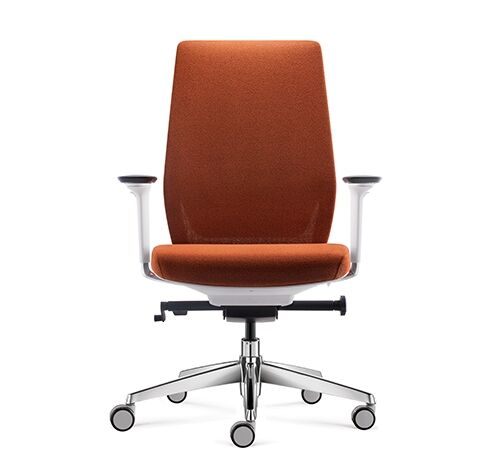
Pochopení technologie síťového materiálu v moderních sedadlech
Věda o materiálech za konstrukcí ze síťového materiálu
Technologie síťového potahu představuje významný pokrok v návrhu pracovních křesel, přičemž využívá technicky zpracovaných látek, které kombinují strukturální pevnost s propustností pro vzduch. Tyto materiály obvykle obsahují syntetická vlákna splétaná do specifických vzorů, které vytvářejí řízené průchody pro vzduch a zároveň zachovávají odolnost při běžném používání. Konstrukce ze síťového potahu umožňuje volný pohyb molekul vzduchu skrz látku, čímž se snižuje hromadění tepla, jež se často vyskytuje u tradičních potažených povrchů. Pokročilé výrobní techniky umožňují přesnou kontrolu hustoty síťového potahu, čímž se zajišťuje optimální rozložení podpory napříč jednotlivými zónami sedění.
Kvalitní síťové materiály procházejí rozsáhlým testováním, aby byly ověřeny jejich provozní vlastnosti, včetně pevnosti v tahu, odolnosti proti opotřebení a tepelné vodivosti. Vzor tkaní přímo ovlivňuje jak strukturální podporu poskytovanou sedací plochou, tak objem vzduchu, který může skrz materiál procházet. Různé konfigurace síťových materiálů splňují různé účely: hustší tkaniny nabízejí zvýšenou podporu v kritických tlakových bodech, zatímco volnější vzory maximalizují ventilaci v oblastech, kde je proudění vzduchu prioritou před strukturálním posílením.
Dynamika proudění vzduchu v síťových sedacích systémech
Fyzika proudění vzduchu skrz síťové kancelářské židle zahrnuje složité interakce mezi pohybem okolního vzduchu, výrobou tepla tělem a propustností materiálu. Přirozené konvekční proudy vznikají, když se teplý vzduch zvedá od sedícího uživatele, čímž vznikají tlakové rozdíly, které nasávají chladnější okolní vzduch skrz síťový materiál. Tato neustálá výměna vzduchu pomáhá regulovat povrchovou teplotu a snižuje hromadění vlhkosti, jež může vést k nepohodlí během delšího sedění.
Na účinnost síťových ventilace systémů ovlivňují také environmentální faktory, jako je teplota v místnosti, úroveň vlhkosti a vzor proudění vzduchu. Kancelářské židle s optimalizovaným síťovým designem mohou tyto přirozené chladicí procesy zlepšit strategickým umístěním zón s vysokou propustností v oblastech, kde je obvykle nejvyšší tvorba tepla. Výsledkem je zlepšený tepelný komfort, který podporuje udržení koncentrace a snižuje únavu spojenou s nepohodlím způsobeným teplotními vlivy.
Ergonomické výhody zlepšeného proudění vzduchu
Regulace teploty a pohodlí uživatele
Účinná regulace teploty prostřednictvím pracovních křesel se síťovou sedací plochou přímo ovlivňuje pohodlí uživatele i výkon na pracovišti. Lidské tělo během typických kancelářských činností vytváří přibližně 400 BTU za hodinu, přičemž v místech kontaktu těla se sedací plochou dochází k významnému hromadění tepla. Tradiční čalouněná křesla toto teplo mohou uvěznit, což vede ke zvýšení teploty kůže a souvisejícímu nepohodlí, které se v průběhu času zvyšuje.
Síťová konstrukce usnadňuje odvod tepla prostřednictvím několika mechanismů, včetně přímé konvekce vzduchu a odpařování potu. Tato schopnost řízení tepla je zvláště cenná v teplých klimatických podmínkách nebo v hustě obsazených kancelářských prostředích, kde okolní teplota již může být blízko hranice pohodlí. Uživatelé dobře navržených síťových pracovní sedačky často uvádějí sníženou únavu a zlepšenou soustředěnost během delších pracovních sezení, což lze přímo spojit s lepším tepelným komfortem.
Správa vlhkosti a hygienické aspekty
Správa vlhkosti představuje další klíčovou výhodu technologie síťového potahu v profesionálních sedacích zařízeních. Otevřená struktura síťových materiálů brání hromadění vlhkosti, ke kterému často dochází u pevných potahů, kde se pot může uchylovat v tkanině. Tato přirozená ventilace pomáhá udržovat sušší mikroklima mezi uživatelem a židlí a snižuje podmínky, které podporují růst bakterií a nepříjemný zápach.
Pracovní křesla s účinnými funkcemi pro řízení vlhkosti podporují vyšší hygienické standardy v prostředích sdílených pracovišť. Schopnost síťových materiálů rychle uschnout mezi použitími je zvláště vhodná pro systémy horkého psacího stolu (hot-desking) nebo provoz v několika směnách, kde stejné křeslo během dne využívá více osob. Tato hygienická výhoda spolu s odolností kvalitních síťových materiálů často vede k delší životnosti a sníženým nárokům na údržbu ve srovnání se tradičními čalouněnými alternativami.
Návrhové aspekty pro optimální výkon
Hustota síťového materiálu a rozložení podpory
Vztah mezi hustotou síťoviny a vlastnostmi podpory vyžaduje pečlivé technické řešení, aby byl dosažen optimální výkon u pracovních křesel. Husté konfigurace síťoviny poskytují zvýšenou strukturální podporu a odolnost, avšak mohou omezovat proudění vzduchu, zatímco volnější pleteniny maximalizují ventilaci za možného rizika snížení dlouhodobé konzistence podpory. Pracovní křesla profesionální úrovně často využívají proměnnou hustotu síťoviny v různých zónách – pevnější podporu v klíčových oblastech, jako je bederní oblast, a zvýšenou propustnost pro vzduch v zónách, kde má přednost ventilace.
Pokročilé návrhy pracovních křesel využívají výpočetního modelování k optimalizaci síťových vzorů pro konkrétní skupiny uživatelů a scénáře použití. Tyto inženýrské přístupy zohledňují faktory, jako je průměrná hmotnost uživatele, typická doba sedění a podmínky prostředí, aby byly určeny vhodné specifikace síťového materiálu. Výsledkem jsou křesla poskytující konzistentní podporu a zároveň maximalizující tepelný komfort, který činí síťovou technologii atraktivní pro profesionální prostředí.
Integrace síťových materiálů do konstrukce křesla
Integrace síťových materiálů do rámů křesel vyžaduje specializované inženýrské řešení, aby byla zajištěna dlouhodobá funkčnost a bezpečnost uživatele. Rámy pracovních křesel musí být navrženy tak, aby vydržely jedinečné namáhací vzorce vznikající síťovými materiály, které zatížení rozvádějí jinak než tradiční potahové systémy. Správné mechanismy napínání zabrání prohnutí síťového materiálu a zároveň zachovají přiměřenou pružnost pro pohodlí uživatele a přirozený pohyb těla.
Kvalitní pracovní křesla zahrnují nastavitelné napínací systémy, které umožňují kalibraci síťového povrchu tak, aby odpovídala individuálním preferencím uživatele a rozložení jeho těžiště. Tyto mechanismy zajišťují stálé charakteristiky podpory po celou dobu životnosti křesla a zabrání postupnému úbytku výkonu, ke kterému může docházet u síťových systémů s nesprávně nastaveným napnutím. Materiály rámu i místa spojení musí rovněž odolávat koncentrovaným napětím vznikajícím v místech upevnění síťového povrchu, což vyžaduje pevné inženýrské řešení a kvalitní materiály v celé konstrukci sedací plochy.
Porovnání výkonu s tradičními sedacími prvky
Metriky tepelného komfortu
Srovnávací studie sítového a tradičního potahovaného kancelářského sedadla odhalují významné rozdíly v tepelných výkonnostních ukazatelích. Výzkum prováděný v kontrolovaném kancelářském prostředí ukazuje, že sítové sedadlo může snížit teplotu povrchu v místě kontaktu o 3–5 stupňů Celsia ve srovnání s alternativami vybavenými pěnovým polštářem za stejných okolních podmínek. Tento rozdíl v teplotě se projevuje měřitelným zlepšením hodnocení pohodlí uživatelů a snížením stížností souvisejících s hromaděním tepla během delšího sedění.
Dlouhodobé sledování výkonu ukazuje, že sedací plochy s mřížkovým povrchem udržují po celou dobu konzistentní tepelné vlastnosti, zatímco tradiční potahy mohou vykazovat sníženou propustnost vzduchu, protože se pěnové materiály stlačují a povrchy látek se naplňují částicemi. Stabilní výkonnostní profil kvalitních mřížkových materiálů podporuje konzistentní pohodlí uživatele po celou dobu provozu židle, čímž poskytuje lepší návratnost investice organizacím, které dávají přednost pohodlí a spokojenosti zaměstnanců.
Trvanlivost a požadavky na údržbu
Požadavky na údržbu pracovních židlí s mřížovou opěrkou se výrazně liší od tradičních čalouněných alternativ, což často vede k nižším celkovým nákladům na vlastnictví, i když počáteční nákupní cena může být vyšší. Mřížové materiály odolávají znečištění a lze je čistit jednoduchým vysáváním nebo lehkým praním, čímž se eliminuje potřeba specializovaných služeb pro čištění čalounění, které jsou nutné u sedadel s textilním potahem. Rychlé usušení mřížových materiálů také snižuje prostoj spojený s čisticími procedurami.
Testy odolnosti profesionálních pracovních křesel se síťovou sedací plochou prokazují výjimečnou odolnost vůči opotřebení, které často postihuje tradiční materiály používané u sedadel. Absence pěnového polštáře eliminuje obavy z deformace pod tlakem a ztráty podporujících vlastností v průběhu času. Kvalitní síťové materiály zachovávají své strukturální vlastnosti i vzhled po tisících cyklech použití, což je činí zvláště vhodnými pro prostředí s vysokou návštěvností, kde jsou sedadla denně intenzivně využívána.
Strategie implementace pro různá prostředí
Úvahy týkající se konkrétního klimatu
Výhody pracovních křesel se síťovou opěrkou se výrazně liší v závislosti na místních klimatických podmínkách a systémech prostředí budov. V tropických nebo teplých mírných oblastech, kde jsou okolní teploty často vyšší než hranice pohodlí, se zvýšený průtok vzduchu díky síťové konstrukci stává zvláště cenným pro udržení pohodlí uživatele. Organizace v těchto klimatických podmínkách často hlásí zlepšenou spokojenost zaměstnanců a snížení stížností souvisejících s pohodlím sedadel při přechodu od tradičních křesel k křeslům se síťovou opěrkou.
Naopak v chladných klimatických podmínkách nebo v prostředích s intenzivním chlazením může zvýšený průtok vzduchu síťového sedadla původně vyvolat nepohodlí u uživatelů zvyklých na teplejší povrch sedadel. Rychlé tepelné přizpůsobivé vlastnosti síťových materiálů však tyto obavy obvykle odstraní během krátkých adaptačních období. Při výběru pracovních sedadel je třeba zohlednit jak podmínky maximálního komfortu, tak širokou škálu environmentálních změn, kterým budou uživatelé během typických pracovních cyklů vystaveni.
Analýza uživatelské populace a vzorů používání
Různé skupiny uživatelů získávají z kancelářských židlí s mřížovou sedací plochou různou míru přínosu, což činí pečlivou analýzu charakteristik pracovní síly důležitou pro optimální výběr sedadel. Mladší zaměstnanci a ti, kteří vykonávají fyzicky náročnou nebo vysoce stresující práci, často vykazují silnou preferenci pro chladivé vlastnosti konstrukce z mřížky. Dlouhodobá práce na počítači, kreativní úkoly vyžadující udrženou koncentraci a spolupracovní aktivity všechny profitují z komfortních výhod, které poskytuje účinná správa proudění vzduchu.
Organizace s diverzifikovanou demografickou strukturou pracovní síly mohou těžit z nabídky více typů kancelářských židlí, aby vyhověly různým preferencím a fyziologickým potřebám. Někteří uživatelé upřednostňují tradiční pocit potahovaných sedadel, i když to může mít tepelné nevýhody, zatímco jiní dávají přednost chladivým výhodám mřížové konstrukce. Pilotní programy, které umožňují zaměstnancům vyzkoušet různé technologie sedadel, často poskytují cenná data pro informovaná rozhodnutí o nákupu.
Často kladené otázky
Jak se síťové pracovní sedačky srovnávají s koženými nebo textilními židlemi z hlediska průtoku vzduchu
Síťové pracovní sedačky poskytují výrazně lepší průtok vzduchu ve srovnání s koženými nebo textilními alternativami díky své pórovité konstrukci, která umožňuje volný průchod vzduchu skrz materiál. Zatímco kůže tvoří úplnou bariéru proti průtoku vzduchu a textilní čalounění obvykle omezuje pohyb vzduchu, síťové materiály jsou speciálně navrženy tak, aby podporovaly ventilaci. To má za následek snížení hromadění tepla a zlepšení tepelného komfortu při delším sedění, což činí síťové sedačky zvláště výhodnými v teplých prostředích nebo u uživatelů, kteří mají tendenci trpět nepohodou související s teplotou.
Jaká údržba je nutná k tomu, aby síťové sedačky fungovaly optimálně
Sedací nábytek s mřížovou sedací plochou vyžaduje minimální údržbu pro udržení optimálního výkonu, obvykle stačí pravidelné vysávání k odstranění prachu a nečistot z povrchu mřížky. Lehké čištění mírným mýdlem a vodou lze použít k odstranění jakýchkoli skvrn, přičemž rychlé usušení mřížových materiálů minimalizuje prostoj. Na rozdíl od tradičního potahovaného nábytku nevyžadují mřížové židle profesionální čistící služby ani speciální ošetření pro udržení svého vzhledu a funkčnosti, což vede ke sníženým dlouhodobým nákladům na údržbu a menšímu provoznímu narušení.
Může mřížový sedací nábytek poskytnout dostatečnou podporu uživatelům, kteří dávají přednost pevnému sedání?
Kvalitní pracovní křesla se síťovou sedací plochou mohou poskytnout vynikající podporu uživatelům, kteří dávají přednost pevnému sedění, díky správnému inženýrskému řešení napínání síťového povrchu a konstrukce rámu. Klíčové je vybrat křeslo se vhodnou hustotou sítě a systémy napínání, které zajišťují stálé charakteristiky podpory v průběhu času. Mnoho profesionálních síťových křesel nabízí nastavitelné ovládání napínání, které umožňuje uživatelům přizpůsobit stupeň tuhosti, aniž by ztratily výhody síťové konstrukce v podobě průdušnosti, a tak poskytuje jak požadovanou podporu, tak tepelný komfort.
Jak se cenová efektivita síťových křesel porovnává s tradičními variantami?
I když mají pracovní křesla s mřížovou sedací plochou vyšší počáteční náklady ve srovnání se základními čalouněnými alternativami, celkové náklady na vlastnictví často upřednostňují mřížové varianty díky nižším nákladům na údržbu, delší životnosti a snížené frekvenci výměny. Trvanlivost kvalitních mřížových materiálů, spojená s minimální potřebou čištění a odolností vůči opotřebení, které ovlivňuje tradiční sedací plochy, obvykle vede k lepšímu návratu investic během provozní životnosti křesla. Navíc potenciální výhody pro produktivitu vyplývající z lepšího komfortu uživatele mohou přinést dodatečnou hodnotu, která ospravedlní investici do kvalitních řešení pracovních křesel s mřížovou sedací plochou.
Obsah
- Pochopení technologie síťového materiálu v moderních sedadlech
- Ergonomické výhody zlepšeného proudění vzduchu
- Návrhové aspekty pro optimální výkon
- Porovnání výkonu s tradičními sedacími prvky
- Strategie implementace pro různá prostředí
-
Často kladené otázky
- Jak se síťové pracovní sedačky srovnávají s koženými nebo textilními židlemi z hlediska průtoku vzduchu
- Jaká údržba je nutná k tomu, aby síťové sedačky fungovaly optimálně
- Může mřížový sedací nábytek poskytnout dostatečnou podporu uživatelům, kteří dávají přednost pevnému sedání?
- Jak se cenová efektivita síťových křesel porovnává s tradičními variantami?