
 EN
EN
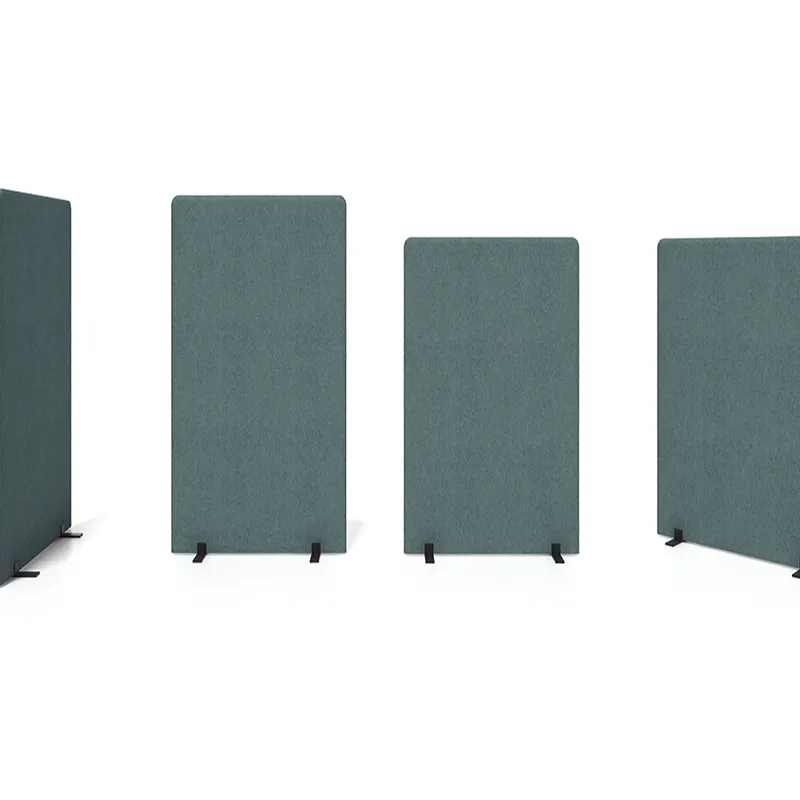
Moderne kontormiljøer kræver innovative løsninger, der skaber balance mellem åbenhed og funktionalitet, og glasvægge er fremtrådt som et transformerende designelement i moderne arbejdspladsarkitektur. Disse gennemsigtige barriereflader revolutionerer traditionelle kontorinddelinger ved at skabe adskilte områder, samtidig med at de bevares den visuelle sammenhæng i hele arbejdsområdet. Den strategiske anvendelse af glasvægge giver organisationer mulighed for at fremme samarbejde, forbedre distributionen af dagslys og skabe en atmosfære af åbenhed, der er i overensstemmelse med moderne virksomhedsværdier.
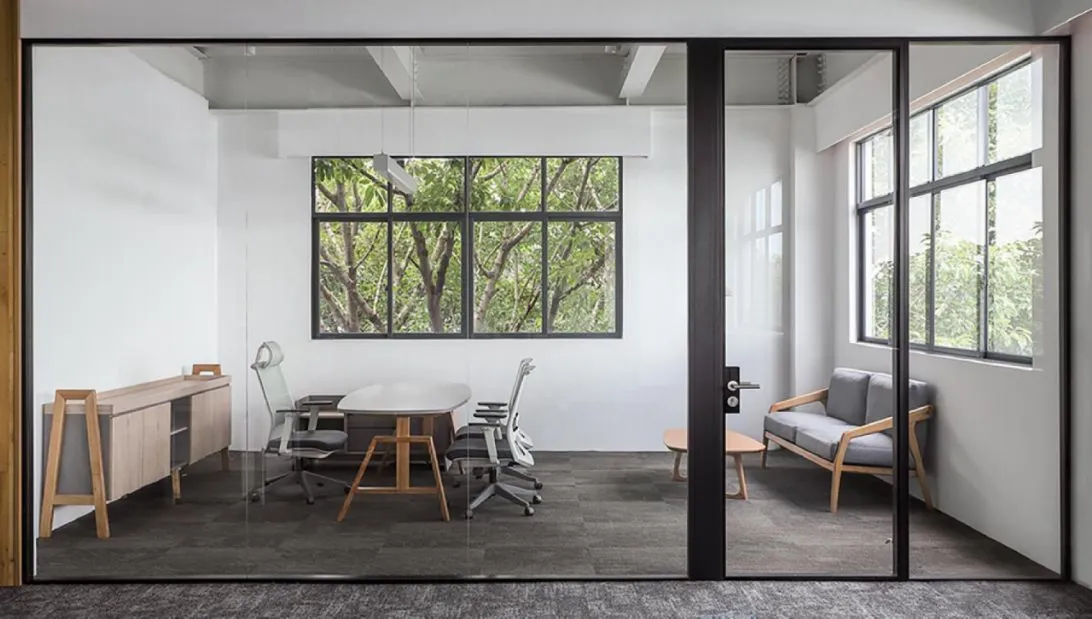
Udviklingen i kontorindretning har ændret sig markant fra lukkede arbejdsbåse og solide vægge til mere åbne, fleksible miljøer, der fremmer samarbejde og innovation. Glasvægge repræsenterer en perfekt kombination af privatliv og gennemsigtighed, hvilket giver virksomheder mulighed for at skabe definerede områder uden at gå på kompromis med fordelene ved en åben kontorplan. Denne indretning understøtter den stigende fokus på trivsel på arbejdspladsen, optimering af dagslys og et samarbejdsorienteret arbejdskultur, som kendetegner succesfulde moderne organisationer.
Arkitektoniske fordele ved glasvægssystemer
Optimering og distribution af dagslys
En af de mest betydningsfulde fordele ved at integrere glasvægge i kontorindretningen er deres evne til at maksimere gennemtrængningen af dagslys i hele arbejdsområdet. I modsætning til traditionelle faste skillevægge tillader transparente skillevægge sollys at strømme frit fra ydre vinduer til indre områder, hvilket reducerer behovet for kunstig belysning i dagslysperioden. Den forbedrede belysning skaber et behageligere arbejdsmiljø og bidrager samtidig til energieffektivitet og lavere driftsomkostninger.
Den strategiske placering af glasvægge kan forvandle tidligere mørke indendørs områder til lyse, indbydende områder, der føles forbundet med det fri. Forskning viser konsekvent, at adgang til dagslys forbedrer medarbejderes humør, produktivitet og generelle trivsel. Ved at fjerne faste barriker, der blokerer for lysgennemtrængning, kan organisationer skabe sundere arbejdspladser, der understøtter circadiane rytmer og reducerer øjestrain, der er forbundet med langvarig eksponering for kunstigt lys.
Rumlig fleksibilitet og tilpasningsevne
Glasvægge tilbyder enestående fleksibilitet i kontorinddelingen, hvilket gør det muligt for organisationer at tilpasse deres layout, når behovene ændrer sig, uden store byggeprojekter. Disse modulære systemer kan nemt omkonfigureres, flyttes eller udvides for at imødekomme ændringer i teamstørrelse, afdelingsomstrukturering eller nye funktionelle krav. Denne tilpasningsevne repræsenterer en betydelig langsigtet investeringsfordele sammenlignet med traditionelle byggemetoder.
Den modulære natur i moderne glasvægssystemer gør det muligt hurtigt at installere og ændre dem med minimal forstyrrelse af den daglige drift. Virksomheder kan effektivt oprette midlertidige projektområder, udvide møderum eller omkonfigurere afdelinger. Denne fleksibilitet viser sig særlig værdifuld i dynamiske brancher, hvor organisationsstrukturer og pladsbehov ofte ændrer sig, og giver en omkostningseffektiv løsning på skiftende arbejdspladskrav.
Psykologisk og kulturel indvirkning på arbejdsmiljøet
Fremme af gennemsigtighed og åben kommunikation
Den visuelle gennemsigtighed, der er iboende i glas afskærmningsvægge skaber en stærk psykologisk effekt, der fremmer organisatorisk gennemsigtighed og en kultur med åben kommunikation. Når medarbejdere kan se på tværs af afdelinger og observere ledelsens tilgængelighed, fremmes tillid og hierarkiske barrierer nedbrydes, hvilket kan hæmme samarbejde. Denne visuelle åbenhed er i overensstemmelse med moderne ledelsesfilosofier, der lægger vægt på gennemsigtighed, ansvarlighed og inkluderende beslutningsprocesser.
Fjernelsen af visuelle barrierer gennem transparente skillevægge fremmer spontane interaktioner og uformel kommunikation, hvilket ofte fører til innovation og problemløsning. Medarbejdere føler sig mere forbundet med organisationen som helhed, når de kan følge aktiviteter i forskellige afdelinger, hvilket skaber muligheder for tværfagligt samarbejde og videnudveksling. Den øgede sammenhæng styrker virksomhedskulturen og forbedrer medarbejdernes engagement.
Reducering af isolation på arbejdspladsen og forbedring af samarbejde
Glasvægge løser effektivt udfordringen med isolation på arbejdspladsen, som kan opstå både i traditionelle lukkede kontorer og fuldstændigt åbne kontorlandskaber. Ved at skabe visuel sammenhæng, mens definerede rum bibeholdes, sikrer disse systemer en optimal balance, der understøtter både samarbejde og fokuserede individuelle opgaver. Medarbejdere får psykologisk tryghed ved at kunne se deres kolleger, samtidig med at de har deres egen dedikerede arbejdsplads.
Den gennemsigtige karakter af disse skillevægge gør det lettere for teammedlemmer at være tilgængelige og tilgængelige, selv når de arbejder med individuelle opgaver. Denne tilgængelighed fremmer muligheder for mentorordninger, hurtige konsultationer og samarbejdende problemløsning, som måske ikke ville forekomme i fuldstændigt adskilte miljøer. Resultatet er en mere dynamisk og interaktiv arbejdskultur, der understøtter både produktivitet og professionel udvikling.
Praktiske overvejelser ved implementering
Akustisk ydeevne og løsninger for privatliv
Selvom glasvægge udmærker sig ved deres visuelle gennemsigtighed, kræver håndtering af akustisk privatliv omhyggelig overvejelse af materialekrav og installationsmetoder. Moderne glasvægssystemer integrerer avancerede akustiske teknologier, herunder dobbelt-ruderede paneler, lyddæmpende rammer og specialiserede tætningsløsninger, som markant reducerer lydoverførsel mellem rum. Disse løsninger gør det muligt for organisationer at bevare åben visuel kommunikation, samtidig med at de sikrer nødvendig akustisk adskillelse til fortrolige samtaler og fokuseret arbejde.
Valget af passende glasstyrkelse, karmematerialer og installationsmetoder påvirker direkte lydisoleringsevnen for skilleelementsystemer. Professionel installation sikrer korrekt tætning og justering, hvilket maksimerer lydreduktionsmulighederne. Derudover kan anvendelse af bløde indretningselementer, akustikpaneler og strategisk layoutplanlægning yderligere forbedre det akustiske miljø, samtidig med at fordelene ved visuel gennemsigtighed bevares.
Integration med teknologi og bygningsystemer
Moderne glasvægge integreres problemfrit med moderne kontor-teknologi og bygningsstyringssystemer for at øge funktionalitet og brugeroplevelse. Smart-glasløsninger giver mulighed for elektronisk styring af gennemsigtighed, hvilket sikrer øjeblikkelig privatlivskonfiguration efter behov, samtidig med at den fleksible transparente funktion bevares. Disse systemer kan programmeres til at reagere på tilstedeværelsessensorer, tidsplaner eller manuelle kontroller og yder derved dynamiske løsninger for privatliv, som tilpasser sig skiftende behov igennem dagen.
Integrationen af strøm- og datamanagementssystemer inden for skillevægsrammer eliminerer behovet for separat installation af kabelkanaler og reducerer visuel rodede. Indbygget kabelhåndtering, integrerede stikkontakter og dataporter sikrer, at teknologisk infrastruktur forbliver organiseret og tilgængelig, samtidig med at en ren og professionel æstetik bevares. Denne integration understøtter den stadigt mere digitale karakter af moderne arbejde, mens de visuelle fordele ved transparente skillevægge bevares.
Designæstetik og brandforbedring
Skabelse af professionel og modern visuel identitet
Glasvægge bidrager væsentligt til at skabe en sofistikeret, moderne visuel identitet, der afspejler moderne forretningsværdier og professionel præstation. De rene linjer, gennemsigtige overflader og minimale visuelle påvirkning fra disse systemer skaber et indtryk af innovation og fremsynet tænkning, som appellerer til kunder, samarbejdspartnere og potentielle medarbejdere. Denne æstetiske forbedring understøtter branding og formidling af virksomhedens kultur gennem fysisk miljødesign.
Flersidigheden i glasvægssystemer muliggør brug af slibede mønstre, farvede folier eller brandede grafikker, der styrker den korporative identitet, samtidig med at funktionalitet og gennemsigtighed bevares. Disse designelementer kan integrere virksomhedens logoer, farveskemaer eller kunstneriske mønstre, der øger den æstetiske attraktivitet uden at kompromittere de praktiske fordele ved visuel åbenhed. Resultatet er et sammenhængende designunivers, der styrker brandgenkendelse og skaber memorerbare oplevelser for besøgende.
Maksimering af rumopfattelse og visuel indvirkning
Den gennemsigtige natur af glasvægge skaber en illusion af udvidet plads, hvilket får kontorer til at fremstå større og mere åbne, end hvad traditionelle solide skillevægge ville tillade. Denne visuelle udvidelse er særlig værdifuld i bynære kontormiljøer, hvor plads er dyrbar, og muliggør for organisationer at maksimere den opfattede værdi af deres ejendomsinvestering. De sammenhængende sigtelinjer, som de gennemsigtige skillevægge skaber, eliminerer den visuelle opdeling, som solide vægge pålægger indendørs områder.
Strategisk brug af glasvægge kan fremhæve arkitektoniske træk, vise indretningsmæssige elementer og skabe dramatiske visuelle perspektiver, der forstærker det samlede æstetiske indtryk af kontorlokaler. Spillet mellem dagslys, gennemsigtige overflader og indretningsdesign skaber dynamiske visuelle oplevelser, der ændrer sig igennem dagen, og som opretholder visuel interesse og undgår det sterile udseende, der kan opstå ved ensformigt design.
Vedligeholdelse og Langsigtede Ydelser
Rengøring og vedligeholdelseskrav
For at bevare den fejlfrie udseende af glasvægge kræves etablering af passende rengøringsprocedurer og valg af egnede vedligeholdelsesprodukter, som bevarer gennemsigtigheden uden at beskadige specielle belægninger eller behandlinger. Regelmæssige rengøringsplaner forhindrer ophobning af fingeraftryk, støv og andre forureninger, som kan kompromittere visuel klarhed og professionelt udseende. Professionelle rengøringsmidler og teknikker sikrer optimale resultater og forlænger levetiden for vægsystemerne.
Valg af passende glasbehandlinger og beskyttende belægninger kan markant reducere vedligeholdelsesbehovet, samtidig med at holdbarhed og ydeevne forbedres. Antibehandsbelsning, ridseresistente overflader og nem-rengør-behandlinger mindsker konsekvenserne af daglig brug og reducerer rengøringsfrekvensen. Investering i kvalitetsbehandlinger og vedligeholdelsesprogrammer beskytter glasvægsystemers udseende og funktion over en længere periode, samtidig med at driftsomkostningerne nedsættes.
Holdbarhed og overvejelser om levetid
Moderne glasvægge er konstrueret til ekstraordinær holdbarhed og lang levetid, og anvender her til hærdeforstærket sikkerhedsglas, robuste karmesystemer og korrosionsbestandigt beslag, der kan klare kravene i travle kontormiljøer. Disse systemer er designet til at bevare strukturel integritet og visuel attraktivitet over lang tid med minimale krav til vedligeholdelse. Kvalitetsproduktion og professionel installation sikrer pålidelig ydeevne gennem hele produktets levetid.
Det modulære design af moderne glasvæggsystemer understøtter omkostningseffektiv vedligeholdelse og udskiftning af komponenter, når det er nødvendigt. Enkelte paneler, beslagsdele og tilbehør kan repareres eller udskiftes uden at påvirke hele systemet, hvilket minimerer forstyrrelser og nedsætter de samlede ejerskabsomkostninger på lang sigt. Denne vedligeholdelsesvenlighed forlænger levetiden for investeringen i skillevægge og understøtter bæredygtige facilitetsstyringspraksisser.
Ofte stillede spørgsmål
Hvad er de primære fordele ved at installere glasvægge i kontorlokaler
Glasvægge tilbyder mange fordele, herunder bedre fordeling af dagslys, forbedret visuel sammenhæng mellem afdelinger, øget fleksibilitet til omkonfigurering af rum, samt skabelsen af et moderne og professionelt udtryk. De fremmer gennemsigtighed i virksomhedens kultur, samtidig med at de sikrer nødvendig rumlig afgrænsning, understøtter energieffektivitet ved reduceret behov for kunstigt belysning og kan nemt ændres, når organisatoriske behov ændrer sig, uden behov for større byggeprojekter.
Hvordan håndterer glasvægge privatlivsforhold i kontormiljøer
Moderne glasvægge integrerer forskellige løsninger til privatliv, herunder smart-glas-teknologi, der kan skifte mellem gennemsigtige og uigennemsigtige tilstande, sløret eller ætset glas til permanent privatliv samt avanceret akustisk engineering til at reducere lydoverførsel. Disse systemer kan tilpasses med forskellige gradationer af uigennemsigtighed, indbyggede persienner eller dekorative folier for at sikre visuelt privatliv, når det er nødvendigt, samtidig med at fordelene ved naturligt dagslys og åbne rum opretholdes.
Hvilke faktorer bør overvejes, når der udvælges glasvægge til installation i kontorer
Nøgleovervejelser omfatter krav til akustisk ydeevne, specifikationer for sikkerhedsglas, integration med eksisterende bygningsystemer, behov for fremtidig fleksibilitet og vedligeholdelseskrav. Organisationer bør vurdere den specifikke akustiske klassificering, der er nødvendig for fortrolige områder, sikre overholdelse af sikkerhedsregler, overveje muligheder for strøm- og dataintegration, planlægge eventuelle ændringer i layout og etablere passende rengørings- og vedligeholdelsesprotokoller for at bevare ydeevnen og udseendet på lang sigt.
Hvordan påvirker glasvægge energieffektiviteten i kontorbygninger
Glasvægge forbedrer markant energieffektiviteten ved at maksimere gennemtrængningen af dagslys i indendørs områder, hvilket reducerer afhængigheden af kunstigt belysning i dagslysperioder. Denne forbedrede lysfordeling kan nedsætte elforbruget til belysning med op til 30-40 % i nogle anvendelser. Desuden kan de termiske egenskaber ved moderne glassystemer bidrage til en forbedret HVAC-energieffektivitet, når de specificeres korrekt, og muligheden for at omkonfigurere rum uden byggeri reducerer miljøpåvirkningen af kontormodifikationer over tid.