
 EN
EN
Nykyajan työpaikat ovat kehittyneet merkittävästi viimeisten vuosikymmenten aikana, ja yhä enemmän huomiota kiinnitetään työntekijöiden hyvinvointisuuteen ja tuottavuuden optimointiin. Tämän kehityksen keskiössä on tunnustus siitä, että asianmukainen tehtäväistuin on perustavanlaatuinen tekijä hyvän asennon säilyttämisessä ja työpaikan suorituskyvyn parantamisessa. Toimistotuolien suunnittelun elementit vaikuttavat suoraan siihen, miten työntekijät tuntevat itsensä, toimivat ja tuottavat koko työpäivänsä ajan. Ymmärrys tuolin suunnittelun ja ihmisen ergonomian välisestä monitasoisesta suhteesta on muodostunut välttämättömäksi organisaatioille, jotka pyrkivät luomaan terveellisempiä ja tuottavampia työympäristöjä.
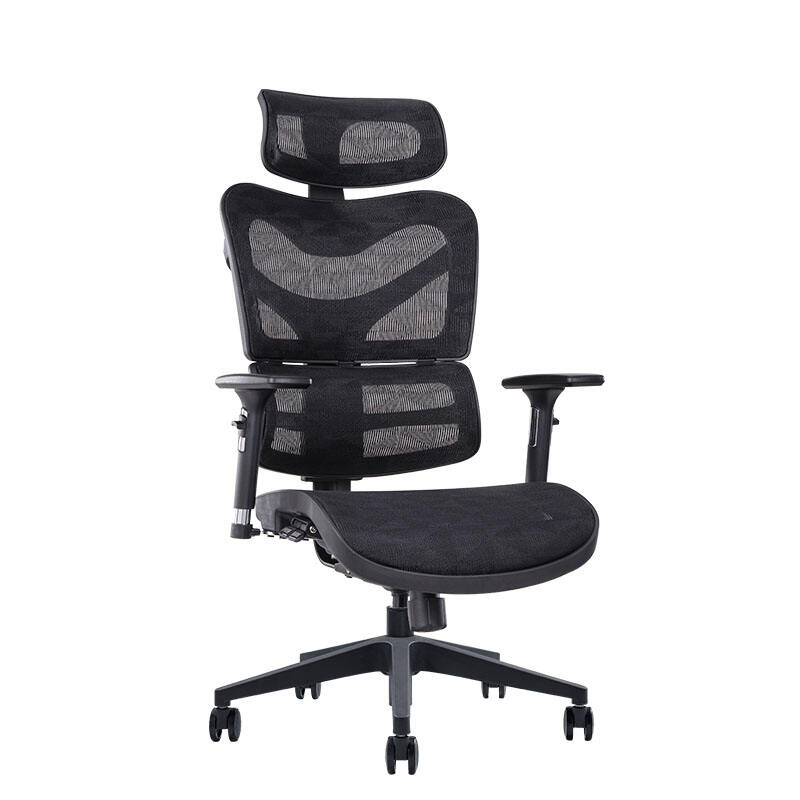
Ergonomian taustalla oleva tiede perustuu laajaan tutkimukseen ihmisen anatomiasta ja työpaikan fysiologiasta. Tehtäväistuin
Biomekaaniset periaatteet asianmukaisesta tuesta
Tehokas työpaikan istuimen suunnittelu perustuu biomekaaniseen tieteeseen, joka tutkii ihmisen kehon liikettä ja toimintaa eri asennoissa. Istuessaan selkäranka säilyttää luonnollisesti kolme kaarta: kaulan kyynärkäyrän (cervical lordosis), yläselän kynteen (thoracic kyphosis) ja alaselän kyynärkäyrän (lumbar lordosis). Laadukas työpaikan istuin säilyttää nämä luonnolliset kaaret strategisesti sijoitettujen tuetusten ja säädettävien ominaisuuksien avulla. Tuolin selkätuen kaarevuuden on vastattava selkärankan luonnollista S-muotoa estääkseen alaselän kyynärkäyrän litistymisen, joka yleensä tapahtuu huonolla istumisasennolla.
Tutkimukset osoittavat, että epäasianmukainen työpaikan istuminen voi lisätä levykkipaineita jopa 40 %:lla verrattuna seisomiseen. Tämä lisääntynyt paine edistää levyjen rappeutumista, lihasten väsymistä ja kroonisia kiputiloja. Edistynyt työpaikan istuin sisältää ominaisuuksia, kuten säädettävän lannerangan tukipyörän, istuimen syvyyden säädön ja dynaamisen selkänojan, joka liikkuu käyttäjän mukana. Nämä suunnitteluelementit toimivat yhdessä jakamaan kehon painon tasaisesti, vähentäen painepisteitä ja säilyttäen oikean selkärankan asennon pitkien istumisaikojen aikana.
Antropometriset näkökohdat suunnittelussa
Antropometria, joka on ihmisruumiin mittauksia ja suhteita tutkiva tiede, muodostaa tehokkaan työpaikkatuolin suunnittelun perustan. Tuolivalmistajien on otettava huomioon laaja ihmisruumiiden vaihteluväli, alkaen 5. prosenttipisteen naisesta aina 95. prosenttipisteen mieheen saakka. Tämä edellyttää laajaa säädettävyyttä istuimen korkeudessa, selkänojan sijoituksessa, käsinojien sijoittelussa ja istuimen syvyydessä. Työpaikkatuolit, jotka eivät sopeudu erilaisiin ruumiintyyppeihin, voivat pakottaa käyttäjät epäsuotuisiin asentoihin, mikä johtaa lihasten ja nivelten sairauksiin sekä tuottavuuden laskuun.
Istuintasanteen suunnittelu vaikuttaa merkittävästi käyttäjän mukavuuteen ja asennon ylläpitämiseen. Optimaalinen istuintasanteen syvyys mahdollistaa käyttäjän istumisen niin, että selkä on tuettu selkänojassa ja polvien takana on 2–4 tuumaa (5–10 cm) tilaa. Tehtäväistuimet, joiden etureuna on muotoiltu vesiputousmuotoiseksi, vähentävät painetta reiden takapuolella ja edistävät parempaa verenkiertoa. Istuinpohjan kovuuden tulee tasapainottaa tukea ja mukavuutta: se ei saa olla liian pehmeä, jotta käyttäjä ei upoudu liikaa, mutta sen tulee kuitenkin jakaa painoa riittävästi istumaluukujen ja reiden alueelle.
Tuolin suunnittelun vaikutus asento- ja selkäterveyteen
Selkärankan suoraviivaisuus ja tukimekanismit
Tehtäväistuimen suunnittelun ja selkärangan terveyden välistä suhdetta ei voi liioitella. Huonosti suunniteltu tuoli pakottaa selkärangan epäluonnollisiin asentoihin, mikä johtaa lihastasapainon häiriintymiseen, niveltoiminnan häiriintymiseen ja krooniseen kipuun. Tehokas tehtäväistuin säilyttää selkärangan luonnollisen kaarevuuden taktisesti sijoitettujen tuetusten avulla ja edistää oikeaa istumisasentoa. Lannerangan tukimekanismi on erityisen tärkeä, koska se estää lantion taaksepäin kääntymistä, joka litistää alaselän kaarevuutta.
Dynaamiset työpaikkatuolit, jotka mahdollistavat hallitun liikkeen istumisasennossa, ovat saaneet viime vuosina huomattavaa huomiota. Nämä tuolit sisältävät mekanismeja, jotka sallivat kevyen rockauttamisen, kallistumisen tai pyörivän liikkeen, jolloin aktivoituvat keskivartalon lihakset ja verenkierto paranee. Tutkimusten mukaan staattiset istumisasennot, vaikka tuolit olisivatkin hyviä työpaikkatuoleja, voivat johtaa lihasten heikkenemiseen ja asentotykykkyyteen. Dynaamiset ominaisuudet työpaikkatuoleissa kannustavat mikroliikkeisiin, jotka auttavat ylläpitämään lihasten aktiivisuutta ja estävät jäykkyyttä, joka liittyy pitkäaikaiseen staattiseen istumiseen.
Lihas- ja luurakenteiden sairauksien ennaltaehkäisy
Liikuntaelinsairaudet (MSD) ovat yksi johtavista työpaikalla tapahtuvien vammojen ja tuottavuuden menetyksen syistä. Huonosti suunniteltu työpaikan istuin vaikuttaa merkittävästi liikuntaelinsairauksien kehittymiseen, erityisesti alaselän, niskan ja olkapään alueella. Hyvin suunniteltu työpaikan istuin toimii ensisijaisena ehkäisyvälineenä näitä sairauksia vastaan säilyttämällä nivelten oikean kohdallaan oloasennon ja vähentämällä mekaanista rasitusta pehmytkudoksille. Tuolin kyky tukea luontaista asentoa vähentää kompensoivaa lihasjännitystä, joka usein syntyy huonon istuimen käytön seurauksena.
Käsinojien suunnittelu työpaikan istuimissa on ratkaisevan tärkeää yläraajan liikuntaelinsairauksien ehkäisemiseksi. Oikein sijoitetut käsinojat tukevat käsien painoa ja vähentävät rasitusta olkapää- ja niskalihaksille. Huonosti suunnitellut tai väärin sijoitetut käsinojat voivat kuitenkin itse asiassa lisätä vammariskiä pakottaen olkapäät korkealle tai eteenpäin kallistuneeseen asentoon. Laatu Tehtäväistuin sisältää säädettäviä käsinojatukia, joita voidaan säätää korkeuden, leveyden, syvyyden ja kulman suhteen yksilöllisten käyttäjävaatimusten ja työtehtävien mukaisesti.
Tuottavuuden parantaminen oikealla istumisratkaisulla
Kognitiivinen suorituskyky ja mukavuus
Fyysisen mukavuuden ja kognitiivisen suorituskyvyn välinen yhteys on hyvin vahvistettu ammattiterveyden tutkimuksessa. Kun työntekijät kokevat epämukavuutta huonosta tehtäväistuimesta, heidän huomionsa jakautuu työtehtävien ja fyysisen epämukavuuden välille. Tämä jakautunut huomio vähentää merkittävästi kognitiivisia resursseja, jotka ovat tarpeen monimutkaiselle ajattelulle, ongelmien ratkaisemiselle ja luoville tehtäville. Laadukas tehtäväistuin poistaa nämä häiriöt tarjoamalla johdonmukaista ja mukavaa tukea, joka mahdollistaa työntekijöiden keskittymisen kokonaan työhön.
Lämpötilansäätö on toinen usein huomioimaton tehtäväistuimen ominaisuus, joka vaikuttaa tuottavuuteen. Hengittävistä materiaaleista valmistetut ja ilmastointitoimintoja sisältävät tuolit auttavat ylläpitämään optimaalista kehonlämpötilaa estäen lämpötilallisen epämukavuuden aiheuttamaa väsymystä ja tarkkaavaisuuden heikkenemistä. Edistyneet tehtäväistuimet sisältävät verkkomainen selkänoja, rei’itetyn istuinpinnan ja kosteutta imevät materiaalit, jotka edistävät ilmanvaihtoa ja lämmön poistumista. Nämä ominaisuudet ovat erityisen tärkeitä tiukkojen toimistoympäristöjen tapauksessa, joissa ympäröivän lämpötilan säätö saattaa olla haastavaa.
Energiän säästö ja väsymyksen vähentäminen
Sopivan työpaikan istuimen suunnittelu vaikuttaa merkittävästi energiankulutukseen koko työpäivän ajan. Kun tuolit eivät tarjoa riittävää tukea, lihakset joutuvat työskentelemään jatkuvasti asennon ylläpitämiseksi, mikä johtaa ennenaikaiseen väsymykseen ja suorituskyvyn laskuun. Ergonominen työpaikan istuin vähentää tätä lihaspäätä tarjoamalla ulkoista tukea kehon painolle ja säilyttämällä oikean asennon. Tämä energiansäästö mahdollistaa työntekijöiden ylläpitää korkeampaa suorituskykyä pidempien työjaksojen ajan.
Mukavan työpaikkatuolin psykologinen vaikutus ei saa aliarvioida. Työntekijät, jotka tuntevat olevansa fyysisesti tuettuja ja mukavia työympäristössään, kokevat usein parantunutta moraalia ja työtyytyväisyyttä. Tämä positiivinen psyykkinen tila edistää parempaa keskittymiskykyä, lisääntyvää motivaatiota ja korkealaatuisempaa työtuotosta. Toisaalta epämukava työpaikkatuoli voi luoda negatiivisen yhteyden työympäristöön, mikä voi johtaa heikentyneeseen osallistumiseen ja korkeampaan työvoiman vaihtuvuuteen.
Tärkeimmät suunnittelun ominaisuudet optimaalista suorituskykyä varten
Säätömahdollisuudet ja räätälöintivaihtoehdot
Ylimmän luokan työtuolien tunnusmerkki on niiden säätömahdollisuudet, joiden avulla jokainen tuoli voidaan mukauttaa yksilöllisesti käyttäjän tarpeisiin. Korkeuden säätö on perusvaatimus, joka mahdollistaa käyttäjän asettamaan jalat tasaiselle lattialle samalla kun varmistetaan riittävä reiden tuki. Laajemmin ottaen työtuolit kuitenkin ulottuvat paljon pidemmälle kuin pelkkä korkeuden säätö: ne sisältävät lannerangan tukiasennon säädön, selkänojan kulman säädön, käsinojien muokkaamisen ja istuinalueen syvyyden säädön. Nämä monitasoiset säätömahdollisuudet varmistavat, että tuoli soveltuu erinomaisesti nykyaikaisten toimistojen laajaan valikoimaan erilaisia kehorytmiä ja työskentelytapoja.
Edistyneet työpaikkatuolijärjestelmät sisältävät synkronoisia kallistusmekanismeja, jotka säilyttävät istuimen ja selkänojan kulmasuhteen käyttäjän kallistuessa. Tämä ominaisuus estää usein syntyvän välin käyttäjän selän ja tuolin välille, joka muodostuu perinteisten kallistusmekanismien käytön yhteydessä. Joissakin korkealuokkaisissa työpaikkatuoleissa on myös painoherkkiä mekanismeja, jotka säätävät vastusta automaattisesti käyttäjän kehonpainon mukaan, mikä takaa asianmukaisen tukemisen riippumatta yksilöllisistä kokovaihteluista.
Materiaalin valinta ja kestovuus
Tehtäväistuinten rakennukseen käytetyt materiaalit vaikuttavat merkittävästi sekä istumamukavuuteen että kestävyyteen. Korkealaatuiset kumimaiset tiukkuudet säilyttävät tukevat ominaisuutensa pitkän käyttöjakson ajan, mikä estää istuimen painumista ja muodonmuutoksia, jotka heikentävät ergonominen hyötyjä. Muovimainen muistimuuvi ja geelillä täytetyt tyynykset tarjoavat parannettua paineen jakautumista ja lämpötilan säätöä. Verkkoaineen valinta vaikuttaa hengittävyyteen, kestävyyteen ja huoltovaatimuksiin, kun tekniset kankaat tarjoavat parempaa suorituskykyä verrattuna perinteisiin materiaaleihin.
Kehyksen rakenne työpaikkojen istuimissa on tasapainotettava lujuutta, joustavuutta ja painonäkökohtia. Alumiini- ja korkealaatuiset teräskehykset tarjoavat erinomaisen kestävyyden säilyttäen samalla tarkkuuden, joka vaaditaan sileiden säätömekanismien toiminnalle. Selkänojan rakenteeseen integroidut joustavat elementit mahdollistavat työpaikan istuinten sopeutumisen yksilöllisiin selkämuotoihin samalla kun ne tarjoavat johdonmukaista tukea. Laadukkaat työpaikkojen istuinten valmistajat altistavat tuotteensa tiukille testausprotokollille, jotka simuloidaan vuosien käyttöä, mikä varmistaa, että ergonomiset hyödyt säilyvät johdonmukaisina koko tuolin käyttöiän ajan.
Toteutusstrategiat työympäristöihin
Arviointi- ja valintakriteerit
Sopivan työtehtäviin tarkoitetun istuimen valinta työympäristöihin vaatii huolellista arviointia käyttäjien tarpeita, työtehtäviä ja ympäristötekijöitä. Organisaatioiden tulisi suorittaa ergonomiset arvioinnit, jotka ottavat huomioon erityisten työtehtävien fyysiset vaatimukset, istumisjaksojen keston ja suoritettavien tehtävien monimuotoisuuden. Tietojenkäsittelyalan asiantuntijoiden työtehtäviin tarkoitettujen istuinten vaatimukset eroavat merkittävästi niistä, joita tarvitaan luoville ammattilaisille tai johtotehtävissä toimiville henkilöille. Näiden erojen ymmärtäminen varmistaa, että työtehtäviin tarkoitetut istuimet tarjoavat optimaalista tukea tietyille työtehtäville.
Budjettiharkinnat pitää tasapainottaa alkuperäisten investointikustannusten ja pitkän aikavälin etujen välillä, mukaan lukien alentuneet terveydenhuollon kustannukset, vähentynyt poissaolotilanne ja parantunut tuottavuus. Laadukkaat työpaikkatuolit edustavat merkittävää investointia, mutta investoinnin tuotto tulee yleensä näkyviin jo ensimmäisen vuoden aikana vähentyneiden työntekijöiden vahingonkorvausvaatimusten ja parantuneen työntekijäsuorituksen kautta. Organisaatioiden tulisi myös harkita kokonaishintaa, johon kuuluvat huoltovaatimukset, varaosien saatavuus ja takuukattavuus, kun arvioidaan työpaikkatuoleja.
Koulutus ja oikea käyttö
Edes korkealaatuinen työpaikkatuoli ei tuota hyötyjä, jos käyttäjät eivät ymmärrä oikeita säätö- ja käyttömenetelmiä. Työpaikkatuolien käyttöönoton yhteydessä tulisi järjestää kattavat koulutusohjelmat, jotka kattavat säätömenettelyt, optimaalisen asennon ohjeet sekä huoltovaatimukset. Monet työntekijät eivät ole koskaan saaneet asianmukaista ohjeistusta tuolin säätämisestä, mikä johtaa saatavilla olevien ominaisuuksien alakäyttöön ja jatkuvaan epämukavuuteen, vaikka laadukkaat työpaikkatuolit olisivatkin käytettävissä.
Jatkuva tukipalvelu ja ajoittainen uudelleenarviointi varmistavat, että työpaikan istuimet täyttävät käyttäjien tarpeet myös silloin, kun työtehtävien vaatimukset muuttuvat. Säännölliset ergonomiset arvioinnit voivat paljastaa tarpeen istuinten säätöihin, kulumaan liittyviä piirteitä sekä mahdollisen vaihtotarpeen. Jotkut organisaatiot toteuttavat vertaistukiohjelmia, joissa koulutetut työntekijät auttavat kollegoitaan työpaikan istuinten säätämisessä ja asetteluissa. Tämä lähestymistapa edistää ergonomisen tietoisuuden kulttuurin syntymistä ja varmistaa, että työpaikan istuinten sijoitukset tuottavat mahdollisimman suuren hyödyn kaikille käyttäjille.
UKK
Kuinka usein työpaikan istuinta tulisi säätää työpäivän aikana?
Tehtäväistuimet tulisi säätää tarkasti koko päivän ajan, kun kehon asento ja mukavuustarpeet muuttuvat. Useimmat ergonomia-asiantuntijat suosittelevat pieniä säätöjä joka 1–2 tunti, erityisesti selkänojan kulmaa ja käsinojien sijaintia. Suuremmat säädöt, kuten istuimen korkeus ja lannerangan tukipinnan säätö, tulisi kuitenkin pitää vakiona, kun ne on kerran asetettu oikein kehosi mittojen mukaan. Liikkuvia tehtäväistuimia, joissa on liikkeen mahdollistavia ominaisuuksia, tulisi käyttää säännöllisesti, jotta voidaan edistää verenkiertoa ja lihasaktivaatiota kevyillä liikkeillä ja asennon vaihtoilla.
Mitkä ovat tärkeimmät säätöominaisuudet, jotka tulisi ottaa huomioon tehtäväistuinten valinnassa
Laadukkaan työtuolin tärkeimmät säätöominaisuudet ovat istuimen korkeuden säätö, lannerangan tukiasennon säätö, käsinojen tuen korkeuden ja leveyden säätö sekä selkänojan kulman säätö. Edistyneemmissä työtuoleissa tulisi myös olla istuimen syvyyden säätö, synkroninen kallistusmekanismi ja säädettävät käsinojatuen kulmat. Näiden ominaisuuksien mukauttamismahdollisuus varmistaa, että tuoli sopeutuu erilaisiin ihmisen kehonmuotoihin ja työvaatimuksiin samalla kun se tarjoaa koko päivän ajan asianmukaista ergonomista tukea.
Miten työtuoli vaikuttaa pitkäaikaisiin terveydentiloihin
Oikeanlaininen työpaikan istuin vähentää merkittävästi kroonisten lihassolmuko- ja niveloireiden, erityisesti alaraajan kipujen, niskan rasituksen ja olkapään jännityksen riskiä. Ergonomisella työpaikan istuimella on pitkällä aikavälillä mahdollisuus estää kiekon rappeutumista, parantaa verenkiertoa ja vähentää asentoa muuttavien poikkeamien kehittymisen todennäköisyyttä. Tutkimukset osoittavat, että työntekijät, jotka käyttävät laadukasta työpaikan istuinta, sairastuvat vähemmän usein, heidän terveydenhuollon kustannuksensa ovat pienempiä ja heidän yleinen fyysinen hyvinvointisuutensa on parempi verrattuna niihin, jotka käyttävät riittämättömiä istuimia.
Voiko pelkkä työpaikan istuin ratkaista työpaikan ergonomiset ongelmat
Vaikka tehtäväistuimet ovat tärkeä osa työpaikan ergonomiaa, niiden tulisi olla osa laajempaa lähestymistapaa, johon kuuluvat muun muassa oikea työpöydän korkeus, näytön sijoittaminen, näppäimistön ja hiiren sijoittaminen sekä säännölliset liikuntataukot. Tehtäväistuimet toimivat tehokkaimmin, kun ne yhdistetään muihin ergonomisiin toimenpiteisiin ja oikeisiin työtapoihin. Paras tehtäväistuin ei voi kompensoida huonosti suunniteltua työasemaa tai pitkäaikaista staattista istumisasentoa, mikä korostaa kokonaisvaltaisen lähestymistavan merkitystä työpaikan ergonomiassa.
Sisällysluettelo
- Ergonomian taustalla oleva tiede perustuu laajaan tutkimukseen ihmisen anatomiasta ja työpaikan fysiologiasta. Tehtäväistuin
- Tuolin suunnittelun vaikutus asento- ja selkäterveyteen
- Tuottavuuden parantaminen oikealla istumisratkaisulla
- Tärkeimmät suunnittelun ominaisuudet optimaalista suorituskykyä varten
- Toteutusstrategiat työympäristöihin
- UKK