

 EN
EN
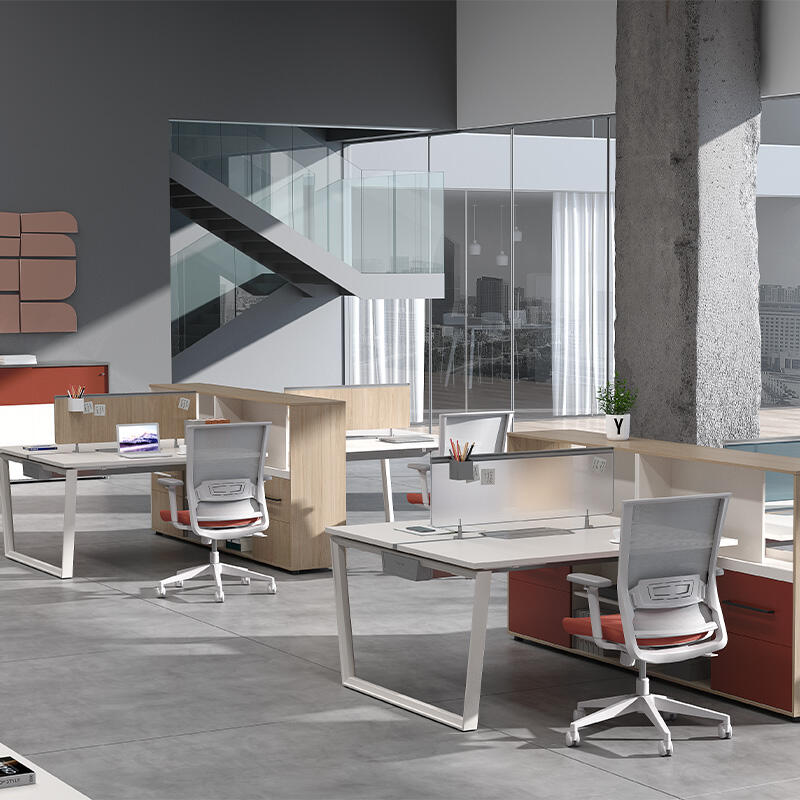
A modern irodai környezetek olyan megoldásokat igényelnek, amelyek alkalmazkodnak a változó üzleti igényekhez, miközben megőrzik a szerkezeti integritást és a professzionális esztétikát. Az olyan munkaterek létrehozásának kihívása, amelyek egyszerre kínálnak rugalmasságot és stabilitást, számos szervezetet arra késztetett, hogy moduláris falrendszereket gyártó speciális létesítmények felé forduljon. Egy elkülönített munkahelygyártó üzem olyan alkatrészeket állít elő, amelyek kifejezetten e kettős követelmény teljesítésére lettek tervezve, lehetővé téve a vállalkozások számára, hogy hatékonyan átalakítsák tereiket anélkül, hogy a tartósság vagy a funkcionalitás rovására menne. Annak megértése, hogyan érhető el ez az egyensúly, döntő fontosságú az ingatlanmenedzserek, építészek és vállalkozási vezetők számára, akik optimális munkatér-megoldásokat keresnek.
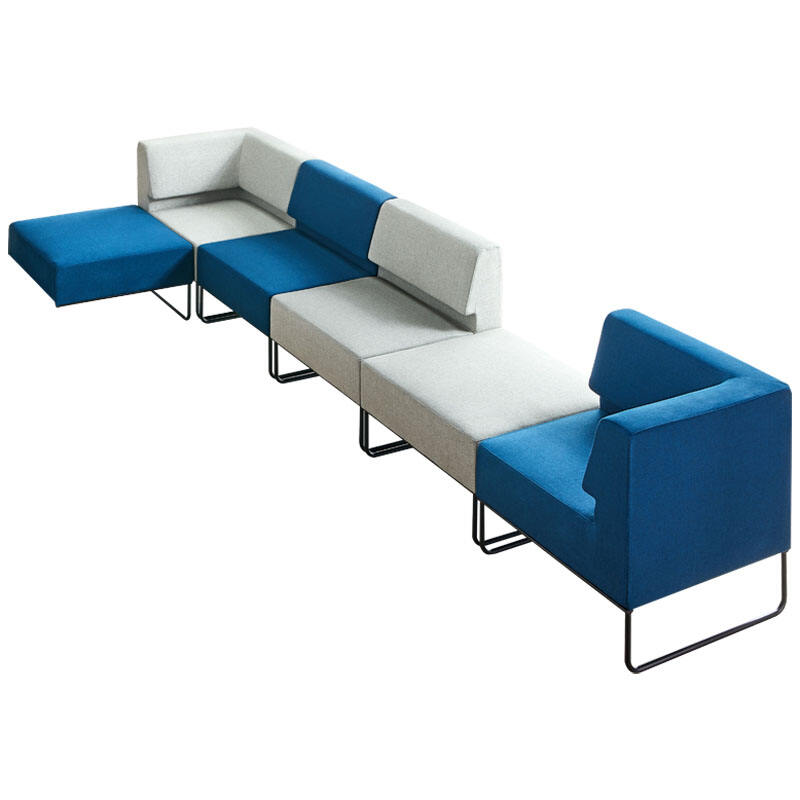
A moduláris irodarendszerek fogalma jelentős fejlődést jelent az irodatervezési filozófiában. Ellentétben a hagyományos építési módszerekkel, amelyek állandó elválasztásokat hoznak létre, a moduláris rendszerek lehetővé teszik a terek újrakonfigurálását a szervezet változó igényeihez igazodva. Ez az alkalmazképesség különösen értékes dinamikus vállalkozási környezetekben, ahol a csoportok létszáma ingadozik, a projektkövetelmények változnak, és az együttműködési igények folyamatosan alakulnak. A kulcs a szerkezetileg megbízható, ugyanakkor maximális konfigurálhatóságot biztosító elemek kiválasztásában rejlik.
Moduláris stabilitás mérnöki alapelvei
Szerkezeti alapkövetelmények
A moduláris falrendszerek stabilitása a gyártási szintű megfelelő tervezéssel kezdődik. A minőségi válaszfal munkaállomások gyártóüzemei olyan fejlett tervezési elveket alkalmaznak, amelyek biztosítják, hogy minden alkatrész ellenálljon a napi használatnak, miközben pontos igazodást tart fenn a szomszédos elemekkel. A stabilitás alapja a panelek közötti csatlakozó mechanizmusokban rejlik, amelyeknek egyenletesen kell elosztaniuk a terheléseket, és ellen kell állniuk a függőleges és vízszintes erőknek egyaránt.
A megfelelő súlyelosztás a moduláris rendszer egészén keresztül megakadályozza a feszültségkoncentrációk kialakulását, amelyek idővel szerkezeti meghibásodáshoz vezethetnek. A vezető gyártóüzemek mérnökei gondosan kiszámítják a terhelésátadási utakat, így biztosítva, hogy az erők hatékonyan haladjanak végig a rendszer keretrendszerén. Ez a megközelítés kiküszöböli azokat a gyenge pontokat, amelyek veszélyeztethetik az egész szerelés integritását.
Az alapstabilizáló rendszerek kulcsfontosságú szerepet játszanak a szerkezeti teljesítmény általános fenntartásában. Ezek az alkatrészek rögzítik a moduláris elemeket a padlóhoz, megakadályozva az oldalirányú mozgást, miközben lehetővé teszik a kisebb épületelmozdulásokat, amelyek idővel természetes módon bekövetkeznek. A tervezésnek figyelembe kell vennie a hőtágulási és hőösszehúzódási ciklusokat, amelyek minden építőanyagot érintenek.
Anyagkiválasztás és vizsgálati szabványok
A fejlett falközi munkaállomás-gyártó üzemek szigorú anyagvizsgálati protokollokat alkalmaznak a hosszú távú stabilitás biztosítása érdekében. Az anyagkiválasztási folyamat során olyan tényezőket értékelnek, mint a szakítószilárdság, a fáradási ellenállás és a mérettartósság különböző környezeti feltételek mellett. Az anyagoknak képeseknek kell lenniük tulajdonságaik megtartására a hőmérsékletingadozások és a páratartalom-változások során, amelyekre a kereskedelmi környezetekben általában sor kerül.
A minőségi gyártók termékeiket gyorsított öregedési teszteknek vetik alá, amelyek több éves használatot szimulálnak rövidített időkeretben. Ezek a vizsgálatok feltárják a lehetséges hibamódokat még mielőtt a termékek a piacra kerülnének, így lehetővé téve a mérnökök számára a tervek finomítását és a teljesítményjellemzők javítását. A tesztelési eljárás ciklikus terhelést is tartalmaz annak ellenőrzésére, hogy a csatlakozópontok ismétlődő igénybevétel mellett is megbízhatóan zárva maradnak.
A kompozit anyagok gyakran biztosítják az optimális egyensúlyt a szilárdság és a súly között moduláris rendszerekben. Ezek a mérnöki megoldások többféle anyag előnyeit kombinálják, miközben minimalizálják az egyes hátrányokat. A gyártási folyamat során folyamatos minőségirányítást kell alkalmazni annak érdekében, hogy minden panelek teljesítsék az előírt teljesítményszintet.
Tervezési Rugalmasság Optimalizálási Stratégiák
Moduláris Rácsrendszerek és Mérethelyesbítés
Az effektív rugalmasság a moduláris falrendszerekben a gondos méretektervezésből származik, amely maximális átkonfigurálási lehetőségeket biztosít. Egy jól megtervezett válaszfalas munkaállomás-gyár termékeket fejleszt szabványos rácsrendszerek alapján, amelyek lehetővé teszik különböző típusú és méretű panelek zökkenőmentes integrálását. Ez az összehangolás biztosítja, hogy a felhasználók gyakorlatilag bármilyen konfigurációt létrehozhassanak, miközben megfelelő igazítást és professzionális megjelenést tartanak fenn.
A moduláris rácsrendszer-megközelítés leegyszerűsíti a jövőbeli újrakonfigurálásokat, mivel konzisztens csatlakozási pontokat határoz meg az egész rendszerben. Amikor bővítésre vagy újraszervezésre kerül sor, a meglévő panelek áthelyezhetők, és új alkatrészek adhatók hozzá egyéni gyártás vagy jelentős módosítás nélkül. Ez a szabványosítás csökkenti a munkaterület-változtatásokkal járó időt és költségeket.
A méretkoordináció a panelek alapvető méretein túlmutatva magában foglalja a technológiai infrastruktúra, a világítórendszerek és az égéskamrás komponensek integrációs pontjait is. Az előrelátó gyártók rendszereiket úgy tervezik meg, hogy ezek a lényeges épületszolgáltatások illeszkedjenek a moduláris keretbe, kiküszöbölve ezzel a külön koordinációs munkák szükségességét a telepítés és átalakítás során.
Kapcsolódási technológia és szerelési módszerek
A moduláris rendszerekben alkalmazott kapcsolódási technológia közvetlen hatással van az állványzat stabilitására és rugalmasságára egyaránt. A modern gyártósori munkaállomások fejlett csatlakoztatási mechanizmusokat dolgoztak ki, amelyek erős, megbízható kapcsolatokat hoznak létre, miközben egyszerűen visszafordíthatóak a jövőbeli módosítások céljából. Ezeknek a rendszereknek képesnek kell lenniük arra, hogy összhangot teremtsenek a rögzítési erősség és az átalakításhoz való hozzáférhetőség között.
A szerszám nélküli szerelési módszerek növelik a rugalmasságot, mivel lehetővé teszik a létesítmények dolgozóinak, hogy átalakításokat végezzenek speciális felszerelés vagy kiterjedt képzés nélkül. A gyorscsatlakozó rendszerek csökkentik az állásidőt a munkaterület változtatásai során, miközben biztosítják, hogy a kapcsolatok normál üzemeltetési körülmények között megbízhatóan zárva maradjanak. A tervezésnek meg kell akadályoznia a véletlen leválasztódást, ugyanakkor megkönnyítenie kell a szándékos módosításokat.
A fejlődő gyártók visszajelző mechanizmusokat építenek be kapcsolórendszereikbe, amelyek vizuális vagy tapintási visszajelzést adnak, ha az alkatrészek megfelelően rögzítettek. Ez a megközelítés csökkenti a szerelési hibákat, és biztosítja az egész rendszer egységes teljesítményét. A színkódolás vagy kulcsolásos rendszerek tovább egyszerűsíthetik az összeszerelést, és megakadályozzák a helytelen csatlakozásokat.
Integráció az épületrendszerekkel
HVAC és környezeti szabályozás kompatibilitása
A sikeres moduláris falrendszereknek zökkenőmentesen integrálódniuk kell az épület környezetirányítási rendszereibe anélkül, hogy rugalmasságuk vagy teljesítményük szenvedne. A vezető fülke irodarendszer-gyártók termékeiket úgy tervezik, hogy megfeleljenek a légkondicionálás (HVAC) követelményeinek, miközben hatékonyan újra konfigurálható tereket biztosítanak. Ez az integráció gondosan megfontolt átgondolást igényel a levegőcirkulációs minták és hőmérsékleti zónák tekintetében.
A moduláris panelek olyan elemeket is tartalmazhatnak, amelyek a megfelelő levegőelosztást támogatják, például perforációkat, szellőzőnyílásokat vagy beépített csatornákat a légcsatornák számára. Ezeket az elemeket úgy kell elhelyezni, hogy hatékonyan működjenek a panelek bármilyen tájolása vagy konfigurációváltozása esetén. A rendszertervezés figyelembe kell vegye a különböző mennyezetmagasságokat és a modern kereskedelmi épületekben alkalmazott különféle HVAC-elosztási módszereket.
A hőmérsékletszabályozási szempontok különösen fontossá válnak nyílt irodákban, ahol a moduláris rendszerek mikroövezeteket hoznak létre. A paneleknek hőszigetelő elemeket vagy hővezető elemeket kell tartalmazniuk a tervezett funkciótól és az elhelyezkedéstől függően a teljes munkatér elrendezésében. A megfelelő integráció megakadályozza a meleg vagy hideg pontok kialakulását, amelyek befolyásolhatják az ott dolgozók komfortérzetét.
Technológiai infrastruktúra tervezése
A modern munkahelyek nagymértékben függenek a technológiai infrastruktúrától, ezért elengedhetetlen, hogy a moduláris rendszerek képesek legyenek a villamosenergia-ellátásra, adatátvitelre és kommunikációs igényekre. A fejlett gyártósori munkaállomás-partíciók olyan kábelszervező rendszereket építenek be, amelyek több átalakításon is keresztül működőképesek maradnak. Ezeknek a rendszereknek elegendő kapacitást kell biztosítaniuk a jelenlegi igényekhez, ugyanakkor lehetőséget kell adniuk a jövőbeni technológiai fejlesztésekre.
Az integrált áram- és adatelosztás megszünteti a felületre szerelt kábelcsatornák szükségességét, amelyek látványos rendetlenséget okozhatnak, és korlátozhatják az újrakonfigurálási lehetőségeket. A gyárban beépített kábelfektetési rendszerek és csatlakozópontok tiszta, professzionális megjelenést biztosítanak, miközben betartják az előírásokat és a biztonsági követelményeket. A rendszernek alkalmazkodnia kell a különböző, kereskedelmi alkalmazásokban gyakran használt csatlakozótípusokhoz és kábeltípusokhoz.
A vezeték nélküli technológia integrálása során gondosan figyelembe kell venni a jel terjedését a moduláris paneleken keresztül. Az anyagválasztásnak és a panelek tervezésének egyensúlyt kell teremtenie az elektromágneses áteresztőképesség és más teljesítményszempontok, például akusztikai szabályozás és privátszféravédelem között. Az elérési pontok és ismétlők stratégiai elhelyezése szükséges lehet ahhoz, hogy a kapcsolat folyamatos maradjon az újrakonfigurált terekben.
Minőségellenőrzés és gyártási szabványok
Gyártási folyamatok kiválósága
Az összes moduláris alkatrész esetében a minőség állandó szinten tartása kifinomult gyártási folyamatokat és szigorú minőségellenőrzési intézkedéseket igényel. Egy szakmai felosztott munkaállomás-gyár több ellenőrzési pontot épít be a teljes gyártási folyamat során a méretpontosság, a felületminőség és a funkcionális teljesítmény ellenőrzése érdekében. Ezek az intézkedések biztosítják, hogy a különböző gyártási sorozatokból származó alkatrészek a gyakorlatban zökkenőmentesen illeszkedjenek egymáshoz.
A precíziós gyártóberendezések lehetővé teszik a szűk tűréshatárokat, amelyek elengedhetetlenek a megfelelő illeszkedéshez és felületi minőséghez a moduláris rendszerekben. A számítógép-vezérelt gépek biztosítják a megismételhetőséget nagy darabszámú gyártás során, miközben minimalizálják azokat a változásokat, amelyek befolyásolhatnák az összeszerelést vagy a teljesítményt. A gyártóberendezések rendszeres kalibrálása és karbantartása hosszú távon is fenntartja a pontossági szabványokat.
A statisztikai folyamatirányítási módszerek segítenek azonosítani a minőségi problémák kialakulására utaló tendenciákat, mielőtt azok az elkészült termékeket érintenék. A gyártás során fellépő kulcsfontosságú változók figyelemmel kísérésével a gyártók proaktív beavatkozásokat hajthatnak végre, amelyek biztosítják az egységességet, és megakadályozzák, hogy hibás alkatrészek kerüljenek a vásárlókhoz. Ez az eljárás csökkenti a garanciális igények számát, és növeli az ügyfelek elégedettségét.
Tanúsítványok és megfelelőségi követelmények
A moduláris falrendszereknek meg kell felelniük a kereskedelmi építkezéseket szabályozó különféle építési előírásoknak és iparági szabványoknak. A megbízható válaszfalas irodabútor-gyártók rendelkeznek érvényes tanúsítványokkal, és rendszeresen tesztelik termékeiket annak érdekében, hogy folyamatosan megfeleljenek az időnként módosuló követelményeknek. Ezek a tanúsítványok biztonságot nyújtanak az építészek, kivitelezők és ingatlan-tulajdonosok számára a termékek teljesítményét és biztonságát illetően.
A tűzbiztonsági tanúsítványok különösen fontosak a moduláris rendszerek esetében, mivel a panelek befolyásolhatják az evakuációs útvonalakat és a tűzoltó rendszerek hatékonyságát. A termékeket szigorú vizsgálatoknak kell alávetni a lángterjedési osztályzás, a füstfejlődés jellemzői és a szerkezeti teljesítmény tűz esetén történő ellenőrzésére. Ezeknek a vizsgálati eredményeknek a dokumentálása támogatja az előírásoknak való megfelelés felülvizsgálatát az engedélyezési eljárás során.
A földrengésállóságra vonatkozó követelmények földrajzi elhelyezkedéstől függően változnak, de fontos szempontot jelentenek a moduláris rendszerek stabilitása szempontjából. Elválasztó munkaállomás gyár a szeizmikusan aktív régiókban található létesítményeknek tervezniük és tesztelniük kell termékeiket, hogy a várható földmozgás során ne hibásodjanak meg vagy omlanak össze. Ezek a követelmények befolyásolhatják a csatlakozások kialakítását és a rögzítési előírásokat.
A telepítés legjobb gyakorlatai
Helyszíni előkészítés és tervezés
A sikeres moduláris fali rendszer telepítése a helyszín alapos előkészítésével és a telepítési sorrend gondos megtervezésével kezdődik. A megfelelő előkészítés biztosítja, hogy az alkatrészek pontosan és hatékonyan helyezhetők el, miközben minimálisra csökkenti a folyamatban lévő üzleti műveletekre gyakorolt zavarást. A helyszín körülményeit fel kell mérni annak érdekében, hogy azonosítsák a potenciális akadályokat, amelyek befolyásolhatják a telepítés minőségét vagy időkeretét.
A moduláris rendszerek padló síkságára és vízszintességére vonatkozó követelmények szigorúbbak lehetnek, mint a hagyományos építési módszereknél. A padlófelület változásai megakadályozhatják a megfelelő panelek igazítását, és olyan feszültségkoncentrációkat hozhatnak létre, amelyek veszélyeztetik a rendszer stabilitását. A telepítést megelőző felméréseknek azonosítaniuk kell a korrekciót igénylő területeket a komponensek szállításának megkezdése előtt.
A más szakmákkal való koordináció különösen fontossá válik a telepítés során, különösen akkor, ha technológiai infrastruktúrát vagy épületrendszereket kell integrálni. A világos kommunikáció és megfelelő sorrendezés megelőzi az ütközéseket, amelyek késleltethetik a befejezést, vagy költséges újramunkát igényelhetnek. Ideiglenes védelmi intézkedések szükségesek lehetnek a már elkészült szakaszok sérüléseinek megelőzésére a folyamatban lévő építési tevékenységek alatt.
Szerelési technikák és minőségbiztosítás
A szakmai szerelőcsapatok meghatározott szerelési sorrendet követnek, amely biztosítja a megfelelő igazítást és megbízható csatlakozásokat az egész moduláris rendszerben. Ezeket az eljárásokat általában az osztóállomás-gyár dolgozza ki tapasztalt szerelőkkel együttműködve, hogy mind az hatékonyságot, mind a minőséget optimalizálják. A megfelelő technika megelőzi a gyakori szerelési hibákat, amelyek befolyásolhatják a hosszú távú teljesítményt.
A minőségi ellenőrzési pontok az üzembe helyezés során ellenőrzik, hogy minden csatlakozás megfelel-e a meghatározott követelményeknek, mielőtt a következő alkatrészekre lépne. Ez a módszeres eljárás megelőzi a hibák halmozódását, amelyek egyre nehezebben javíthatók az üzembe helyezés előrehaladtával. Az ellenőrzések dokumentálása értékes feljegyzéseket biztosít a jövőbeni hivatkozáshoz és garanciális támogatáshoz.
A végső ellenőrzési eljárások biztosítják, hogy a befejezett rendszer minden előírt teljesítménymutatót és vizuális szabványt teljesít. A mozgatható alkatrészek tesztelése zökkenőmentes működést ellenőriz, míg a méretek ellenőrzése a megfelelő igazítást és illesztést erősíti meg. A végső ellenőrzés során azonosított hiányosságokat a rendszer átvétele és használata előtt ki kell javítani.
Karbantartás és életcikluskezelés
Előzáró karbantartási protokollok
A moduláris falfrendszerek optimális teljesítményének fenntartása rendszeres ellenőrzést és karbantartást igényel, amelyek célja a lehetséges problémák azonosítása még mielőtt azok befolyásolnák a rendszer stabilitását vagy működését. A falkatlan gyártó által kifejlesztett átfogó karbantartási protokollok útmutatást nyújtanak azoknak a létesítményüzemeltető csapatoknak, akik a rendszer karbantartásáért felelősek. Ezek a protokollok mind a rendszeres tisztítási, mind a periodikus mechanikai ellenőrzési tevékenységeket figyelembe veszik.
A kapcsolódási pontok ellenőrzése a megelőző karbantartás kiemelten fontos eleme, mivel ezek a helyek tapasztalják a legnagyobb igénybevételi koncentrációt a normál használat során. A lazulás, kopás vagy sérülés jeleinek rendszeres vizsgálata lehetővé teszi a kellő időben történő beavatkozást, mielőtt a problémák súlyosbodnának. A mechanikus rögzítőelemeknél a megfelelő nyomatéki értékeket a rendszer teljes élettartama alatt fenn kell tartani.
A felület tisztítási és újrafényezési ütemtervek segítenek megőrizni a professzionális megjelenést, miközben védelmet nyújtanak az alapanyagok degradációval szemben. Különböző panelelemekhez különleges tisztítószerek és technikák szükségesek, hogy elkerüljék a károsodást, ugyanakkor optimális eredményt érjenek el. A rendszeres karbantartás meghosszabbítja a használati élettartamot és megőrzi a moduláris rendszerekbe történő beruházást.
Átkonfigurálási terv készítése és végrehajtása
A moduláris rendszerek igazi értéke akkor válik nyilvánvalóvá, amikor az üzleti igények változása miatt átkonfigurálásra van szükség. A sikeres átkonfigurálási projektek gondos tervezést igényelnek, hogy minimalizálják a zavarást, miközben elérhetővé válik a kívánt elrendezési módosítás. A jelenlegi konfigurációk dokumentálása értékes forrást jelent a jövőbeni módosítások tervezéséhez.
Az alkatrész-állomány kezelése biztosítja, hogy a szükséges alkatrészek rendelkezésre álljanak a konfigurációátalakítási projektek megkezdésekor. Az osztott munkaállomás gyár általában útmutatást nyújt a gyakori konfigurációs változtatásokhoz szükséges szabványos alkatrészigényekkel kapcsolatban. A megfelelő tartalékalkatrész-készlet fenntartása csökkenti a projektidőtartamot, és megelőzi a késéseket, amelyek az alkatrészek elérhetőségével kapcsolatos problémák miatt merülhetnek fel.
A szakmai projektmenedzsment a konfiguráció átalakítása során hatékonyan biztosítja a munkavégzést, miközben fenntartja a minőségi szabványokat. A megfelelő munkafolyamat-sorrend minimalizálja a folyamatban lévő tevékenységekre gyakorolt zavaró hatást, és védi a már elkészült munkákat az esetleges károsodástól a következő telepítési tevékenységek során. Az épületben tartózkodókkel folytatott egyértelmű kommunikáció segít az elvárások kezelésében és a hozzáférési igények koordinálásában.
GYIK
Milyen tényezők határozzák meg a moduláris falszerkezetek stabilitását?
A moduláris falkerék stabilitása több kulcsfontosságú tényezőtől függ, beleértve a csatlakozó mechanizmusok minőségét, a megfelelő súlyelosztást, az alap rögzítő rendszereket és az anyagválasztást. Egy megbízható válaszfalas munkaállomás gyár gyártási minősége biztosítja, hogy az alkatrészek megfeleljenek a szerkezeti követelményeknek, miközben fenntartják a méretpontosságot. A szerelési technika és a helyszíni körülmények szintén jelentősen befolyásolják az egész rendszer stabilitását és teljesítményét.
Milyen gyakran kell átalakítani a moduláris rendszereket, hogy maximalizálják az értéküket?
Az optimális újrakonfigurálási gyakoriság az egyes szervezetek igényei alapján változik, de a legtöbb vállalkozás éves szintű irodatervezési felülvizsgálattal jár jól. A tapasztalt falmegoldásos munkaállomás-gyártók által tervezett moduláris rendszerek általában többször is újrakonfigurálhatók teljesítménycsökkenés nélkül. A lényeg az, hogy a változtatásokat stratégiailag tervezzék meg, figyelembe véve a vállalkozási ciklusokat, minimalizálva az üzemzavarokat, miközben maximalizálják a helykihasználás hatékonyságát.
Milyen karbantartás szükséges a hosszú távú rendszer teljesítményének biztosításához?
A moduláris fals rendszerek rendszeres karbantartása tartalmazza a csatlakozópontok időszakos ellenőrzését, a felületek tisztítását a gyártó előírásai szerint, valamint a megfelelő igazítás ellenőrzését. A legtöbb elkülönített munkaállomás-gyártó iránymutatása ajánlja a negyedévente történő ellenőrzést nagy forgalmú területeken és az évente egyszeri teljes körű felülvizsgálatot. A megelőző karbantartási ütemterveknek figyelembe kell venniük a mechanikus alkatrészeket és az esztétikai elemeket egyaránt, hogy megőrizzék a rendszer funkcionális képességét és szakmai megjelenését.
Integrálhatók-e a moduláris rendszerek a meglévő épület infrastruktúrával?
A modern moduláris falszettrendszerek úgy készülnek, hogy zökkenőmentesen integrálódjanak a meglévő légkondicionáló, elektromos és technológiai infrastruktúrába. A minőségi fülke irodai munkaállomás gyári termékek olyan funkciókkal rendelkeznek, amelyek hozzáigazodnak a szabványos épületrendszerekhez, miközben megőrzik az újrakonfigurálhatóság rugalmasságát. A megfelelő integrációs terv kialakítása a kezdeti telepítés során biztosítja, hogy a jövőbeli módosításokat kiterjedt infrastrukturális változtatások vagy szolgáltatás-megszakítások nélkül lehessen végrehajtani.
Tartalomjegyzék
- Moduláris stabilitás mérnöki alapelvei
- Tervezési Rugalmasság Optimalizálási Stratégiák
- Integráció az épületrendszerekkel
- Minőségellenőrzés és gyártási szabványok
- A telepítés legjobb gyakorlatai
- Karbantartás és életcikluskezelés
-
GYIK
- Milyen tényezők határozzák meg a moduláris falszerkezetek stabilitását?
- Milyen gyakran kell átalakítani a moduláris rendszereket, hogy maximalizálják az értéküket?
- Milyen karbantartás szükséges a hosszú távú rendszer teljesítményének biztosításához?
- Integrálhatók-e a moduláris rendszerek a meglévő épület infrastruktúrával?