
 EN
EN
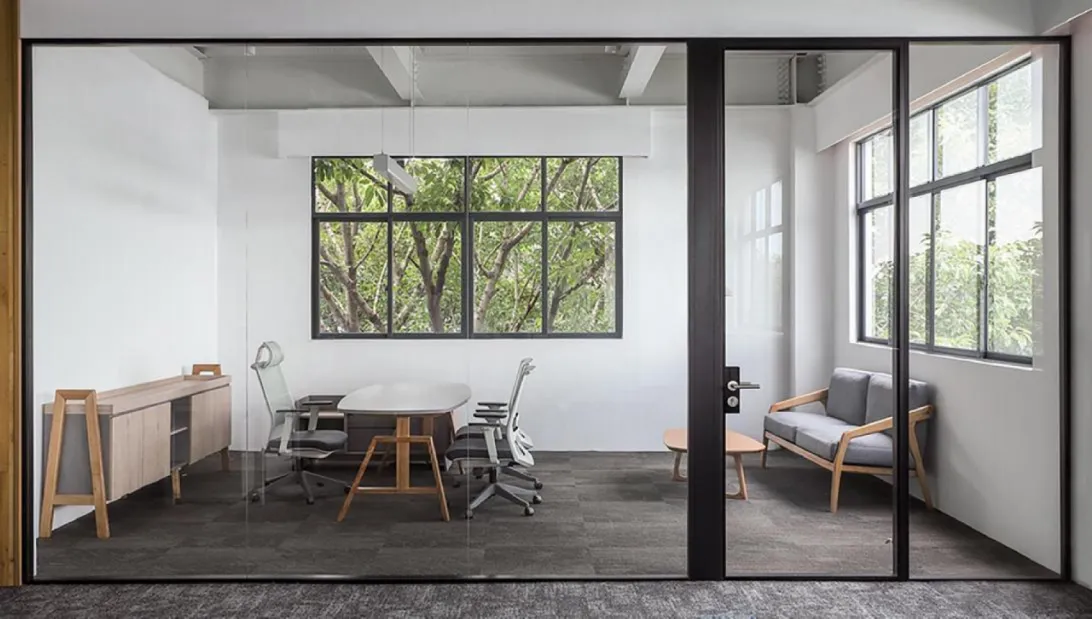
סביבות משרד מודרניות מתמודדות עם אתגרים חסרי תקדים באיזון בין שיתוף פעולה לייצוריות, במיוחד כשמדובר בניהול רמות רעש ושימור פרטיות אקוסטית. עלייתם של משרדים בעלי תכנון פתוח יצרה מרחבים שמעודדים עבודה צוותית, אך לעתים קרובות על חשבון מיקוד אישי ושיחות אישיות. קירות מחיצה התפתחו לפתרון מתקדם שפותר את אתגרי הרעש הללו, תוך שמירה על היתרונות של שיתוף הפעולה בתכנון סביבות עבודה מודרניות. אלמנטים ארכיטקטוניים אלו מספקים שליטה אסטרטגית בקול, מבלי לנתק לחלוטין בין חברי הצוות.
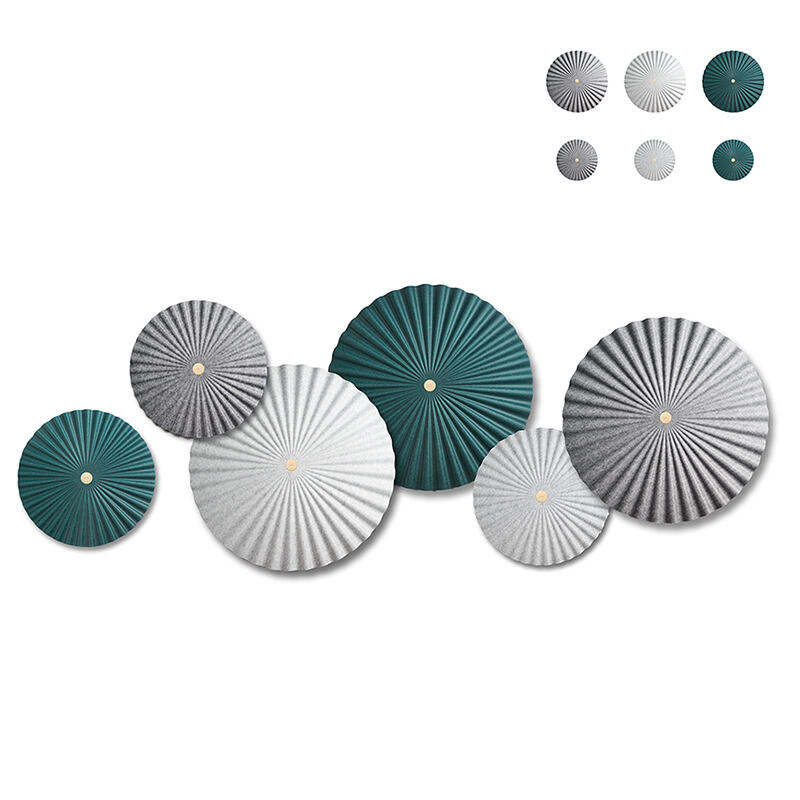
הנוף האקוסטי של עולמות העבודה המודרניים השתנה דרמטית במהלך שני העשורים האחרונים. משרדים סגורים מסורתיים סיפקו בידוד אקוסטי מעולה אך יצרו מחסומים שعيינו תקשורת וחדשנות. המשרדים הפתוחים הסירו מחסומים אלו אך הציגו בעיות חדשות הנוגעות לזיהום קולי והסחות דעת. קירות מחיצה מייצגים דרך אמצע שאפשר לנהל בה באופן יעיל את העברת הקול, תוך שמירה על חיבוריות חזותית ושימוש גמיש במרחב.
הבנת אתגרי פרטיות אקוסטית במשרדים פתוחים
יסודות העברה קולית
צליל מתקדם בסביבות משרדיות דרך מסלולים רבים, כולל העברה ישירה דרך האוויר, החזרה מפני שטחים, ורטט דרך אלמנטים מבניים. במשרדים פתוחים, שיחות, שיחות טלפון, הקלדה על המקלדת והפעלת ציוד יוצרים סביבה אקוסטית מורכבת שעלולה להשפיע משמעותית על היצרנות. מחקר מראה שחשיפה לרעש מופרז יכולה להפחית את הביצועים הקוגניטיביים עד 66 אחוז, מה שהופך את הניהול האפקטיבי של צליל להשקפה עסקית קריטית.
הפיזיקה של העברת קול מראה מדוע משרדים פתוחים מסורתיים מתמודדים עם בעיות פרטיות אקוסטית. ללא מחסומים פיזיים, גלי קול מתקדמים בחופשיות בכל המרחב, ומייצרים רמות רעש רקע שיכולים לעלות על תנאי עבודה נוחים. צלילים בתדר נמוך מתקדמים במיוחד היטב במרחבים פתוחים, בעוד צלילים בתדר גבוה נוטים להיבלע ביתר קלות באמצעות חומרים רכים ומופסקים על ידי מחסומים פיזיים.
השפעה על ביצועי העובדים והרווחה
פרטיות אקוסטית משפיעה ישירות על מספר מדדי ביצועים מרכזיים בסביבות עבודה מודרניות. עובדים בסביבות עם בקרת שמע לקויה מדווחים על רמות 스טרס גבוהות, ירידה ביכולת ריכוז ועייפות מוגברת במהלך יום העבודה. מחקרים שבוצעו על ידי מוסדות מחקר מובילים בתחום סביבות העבודה מראים שעובדים בסביבות אקוסטיות מאתגרות מבלים כ-50 אחוז יותר זמן במשימות קוגניטיביות מורכבות בהשוואה לאלה בסביבות אקוסטיות מעוצבות היטב.
מעבר להשפעות המיידיות על הביצועים, תורמים תנאי שמע לקויים לבעיות בריאות ארוכות טווח, כולל עלייה ברמות הקורטיזול, הפרעות בדפוסי שינה ושימוש מוגבר בחופשות מחלה. ההשלכות הפסיכולוגיות של חשיפה מתמדת לרעש יוצרות עול מצטבר שמשפיע על הרווחה האישית ועל הייצוריות של הארגון. יישום יעיל של קירות מחיצה יכול לצמצם בצורה ניכרת את ההשפעות השליליות הללו, תוך שימור היתרונות של עיצוב משרד פתוח שמאפשר שיתוף פעולה.
סוגים וחומרים של קירות מחיצה לבקרת אקוסטית
מערכות מחיצות קבועות
קירות מחיצה קבועים מספקים פתרונות אקוסטיים קבועים שניתן לשלב במהלך הבנייה הראשונית או פרוייקטים של שיפוץ עקרוני. מערכות אלו כוללות לרוב מספר שכבות של חומרי אקוסטיקה, הכוללים ליבות בולמות קול, מחסומים מפולחן עם משקל, ולוחות אקוסטיים מיוחדים. שיטת הבניה מדגישה הן את שלמות המבנה והן את הביצועים האקוסטיים, תוך תשומת לב רבה לחיבור חריצים ולצמצום נתיבי הקף קול.
בחירת החומרים במערכות קבועות כוללת לרוב שילוב של לוח גבס, בידוד אקוסטי, וחומרים מיוחדים להקטנת רעידות. עובי ההרכב של הקירות משפיע ישירות על דירוגי מקדם העברת הקול (STC), המדדים את יעילות מחסומי הקול. ביצועים גבוהים בקיר קירות מחיצה יכולים להשיג דירוגי STC שמעל 50, ומספקים הפרדה אקוסטית משמעותית תוך שמירה על מראה עיניימי באמצעות אפשרויות גימור שונות.
פתרונות מודולריים וניידים
מערכות מחיצות מודולריות מציעות גמישות המתאימה לדרישות סביבת עבודה דינאמיות, ובמקביל מספקות ביצועים אקוסטיים יעילים. מערכות אלו משתמשות ברכיבים תקניים שניתן להרכיבם מחדש בהתאם לשינוי בצורכי הארגון, ונותנות תשואה גבוהה על ההשקעה עבור חברות הנמצאות בתרחיש של צמיחה או סידור מחדש תכוף של המרחב. הביצועים האקוסטיים של מערכות מודולריות תלויים במידה רבה בטכניקות ההתקנה הנאותות ואיכות מנגנוני החסימה בין הרכיבים.
חומות מחיצות מודולריות מתקדמות כוללות טכנולוגיות אקוסטיות מתקדמות, הכוללות לוחות מתכת מחוררים עם שכבת אקוסטיקה מאחור, ליבות בולעות קול עטופות בבד, ומערכות ניהול כבלים משולבות. תכונות אלו מאפשרות לארגונים ליצור חלוקות מרחבי עבודה תפקודיות המטפלות גם בהעדפות אסתטיות וגם בצרכים אקוסטיים. היבט המודולריות מאפשר שילוב קל של תשתיות טכנולוגיה, תוך שמירה על ביצועים אקוסטיים עקביים לאורך כל ההתקנה.
מיקום אסטרטגי ושקולות עיצוב
אופטימיזציה של גובה ושטח כיסוי
היעילות של קירות מחיצה בשיפור הפרטיות האקוסטית תלויה במידה רבה בגובהם ובצורת הכיסוי שלהם ברחבי מרחב המשרדים. מחיצות בחלקו העליון, שגובהן נע בין 42 ל-66 אינץ', מספקות יתרונות אקוסטיים משמעותיים תוך שמירה על החיבור הוויזואלי ועל הפצת האור הטבעי. קירות מחיצה מלאים מציעים הפרדה אקוסטית מירבית אך עלולים ליצור תחושה של הסגרה שסותרת את יעדי המשרדים הפתוחים.
המיקום האסטרטגי מתחשב הן בהעברת הקול הישירה והן במסלולי השיקוף של הקול שעלולים לפגוע בפרטיות האקוסטית. עיצובים יעילים כוללים קירות מחיצה במיקומים מרכזיים שבהם מתרכזים מקורות הקול, כגון באזורים לשיתוף פעולה, אזורים לשיחות טלפון או מסלולי תנועה עתירי תנועה. המיקום חייב לאזן בין דרישות אקוסטיות, דפוסי תנועה, דרישות יציאה חירום ופונקציונליות כללית של החלל.
שילוב עם מערכות ה-Ventilation, Heating and Air Conditioning (HVAC) ומערכות הבניין
יישום מוצלח של קיר מחיצה דורש תיאום מדויק עם מערכות מכניות, חשמל וfont5000 כדי לא לפגוע בביצועים האקוסטיים. תעלות אוורור, תיילי כבלים חשמליים וצינורות font5000 עלולים ליצור מסלולי עקיפה קוליים שמדלגים על קירות מחיצה אם לא יטופלו כראוי בשלב העיצוב וההתקנה. חותם אקוסטי סביב חללים חודרים הופך לחיוני לצורך שימור דירוגי העברת הקול המיועדים.
מערכות קיר מחיצה מודרניות כוללות פתרונות משולבים להשתרויות טכנולוגיות, כולל הפצת חשמל, רשתות נתונים וציוד שמע-ראייה. גישות משולבות אלו מבטלות את הצורך בתעלות נפרדות שיכולות לפגוע בביצועים אקוסטיים, תוך כדי סיפוק היכולות הטכנולוגיות הנדרשות לתהליכי עבודה עכשוויים. התיאום בין הזרועות השונות בעת ההתקנה מבטיח שהיעדים האקוסטיים יושמרו לאורך כל תהליך הבנייה.
מדידה והערכת שיפור אקוסטי
טכניקות מדידת רמת קול
כדי למדוד את השיפור האקוסטי שנעשה בעזרת התקנת קירות מחיצה, יש לבצע מדידות שיטתיות בעזרת מדדי רמת קול כיולים וציוד לניתוח אקוסטי. מדידות בסיס לפני ההתקנה מגדירות את המצב האקוסטי הקיים, בעוד שמדידות לאחר ההתקנה מאששות את שיפור הביצועים. מדידות אלו מרכזות בעיקר על רמות הרעשים הסביבתיים, מדדי פרטיות דיבור ומאפייני העברת הקול.
פרוטוקולי בדיקה אקוסטית מקצועיים מעריכים מספר פרמטרים, ביניהם רמות לחץ קול עם שוקלול A, זמני הד, ומדדי דקדוק שמתואמים ישירות עם רמת פרטיות הדיבור והיכולת להתמקד. נתוני המדידה מספקים ראיות אובייקטיביות לשיפור אקוסטי, ובכך יכולים להצדיק את ההשקעה במערכות קירות מחיצה, כמו גם לזהות אזורים שבהם טיפולים אקוסטיים נוספים עשויים להיות מועילים.
ניתוח של תוחלת החזר על ההשקעה
היתרונות הכלכליים של שיפור הפרטיות האקוסטית באמצעות קירות מחיצה עוקבים מעבר לצמצום רעש פשוט וכוללים שיפורים בפרודוקטיביות, הפחתת היעדרות וערכי שביעות רצון גבוהים יותר בקרב העובדים. ארגונים המטמיעים פתרונות אקוסטיים יעילים מבחינים בדרך כלל בשיפורים מדידים בזמני השלמת המשימות, שיעורי השגיאות ואיכות העבודה הכוללת, מה שמתורגם ישירות להשפעה חיובית על הרווח.
ניתוח ROI מקיף מתחשב הן בעלויות הישירות הקשורות לרכישת ותפעול קירות מחיצה והן בהטבות העקיפות, ביניהן ירידת שיעורי התחלפות עובדים, שיפור יכולות גיוס והעצמה של המוניטין הארגוני. הערך ארוך הטווח נעשה משכנע במיוחד כאשר לוקחים בחשבון את ההשפעה המצטברת של שיפורים מתמידים בפרודוקטיביות לאורך תקופת החיים היעילה של מערכות קירות המחיצה.
שאלות נפוצות
כמה שיפורים קירות מחיצה מביאים בדרך כלל בפרטיות האקוסטית בס Offices פתוחים
קירות מחיצה מעוצבים ומותקנים כראוי יכולים להפחית העברה של צלילים ב-15 עד 25 דציבלים, מה שמייצג שיפור משמעותי בפרטיות אקוסטית. רמת הפחתת הצליל הזו מפיקה מהפיכה של שיחות מטרידות לרעש רקע barely נשמע, ומשפרת באופן ניכר את היכולת להתרכז ואת הפרטיות הדיבורית לשיחות סודיות.
מהו הגובה האופטימלי לקירות מחיצה בסביבות משרד פתוח
הגובה האופטימלי לקירות מחיצה במשרדים נע בדרך כלל בין 54 ל-66 אינץ', ומספק סינון אקוסטי יעיל תוך שמירה על חיבור ויזואלי ופיזור של אור טבעי. גובה זה חוסם ביעילות העברה ישירה של צלילים משיחות של אנשים שיושבים, תוך מתן שיתוף פעולה של עמידה ושימור התחושה הפתוחה של שדה העבודה.
האם ניתן לשלב קירות מחיצה עם רהיטי משרד קיימים ומערכות טכנולוגיה
מערכות קירות מחיצה מודרניות מעוצבות לאינטגרציה חלקה עם רהיטי משרד קיימים, הפצת חשמל, והתקנות טכנולוגיות. מערכות רבות כוללות ניהול כבלים מובנה, שקעי חשמל, ויכולות התקנה למסכי מחשב ואביזרים, מה שמאפשר פתרונות מקיף לשטח העבודה שמתמודדים הן עם דרישות אקוסטיות והן עם דרישות פונקציונליות.
כיצד משפיעים קירות מחיצה על אור טבעי וتهوية במשרדים פתוחים
מערכות קירות מחיצה מעוצבות היטב יכולות למעשה לשפר את הפצה של האור על ידי שילוב של לוחות שקופה או זכוכית בחלקים העליונים, תוך שמירה על ביצועים אקוסטיים באמצעות זכוכית אקוסטית מיוחדת. ההשפעה על התיישבות תלויה בעיצוב הספציפי, כשמערכות בגובה חלקי שומרים על דפוסי תנועת אויר טבעיים, ואילו התקנות בגובה מלא עשויות להידרש שילוב עם מערכות מיזוג אויר כדי לשמור על תנאים סביבתיים נוחים.