
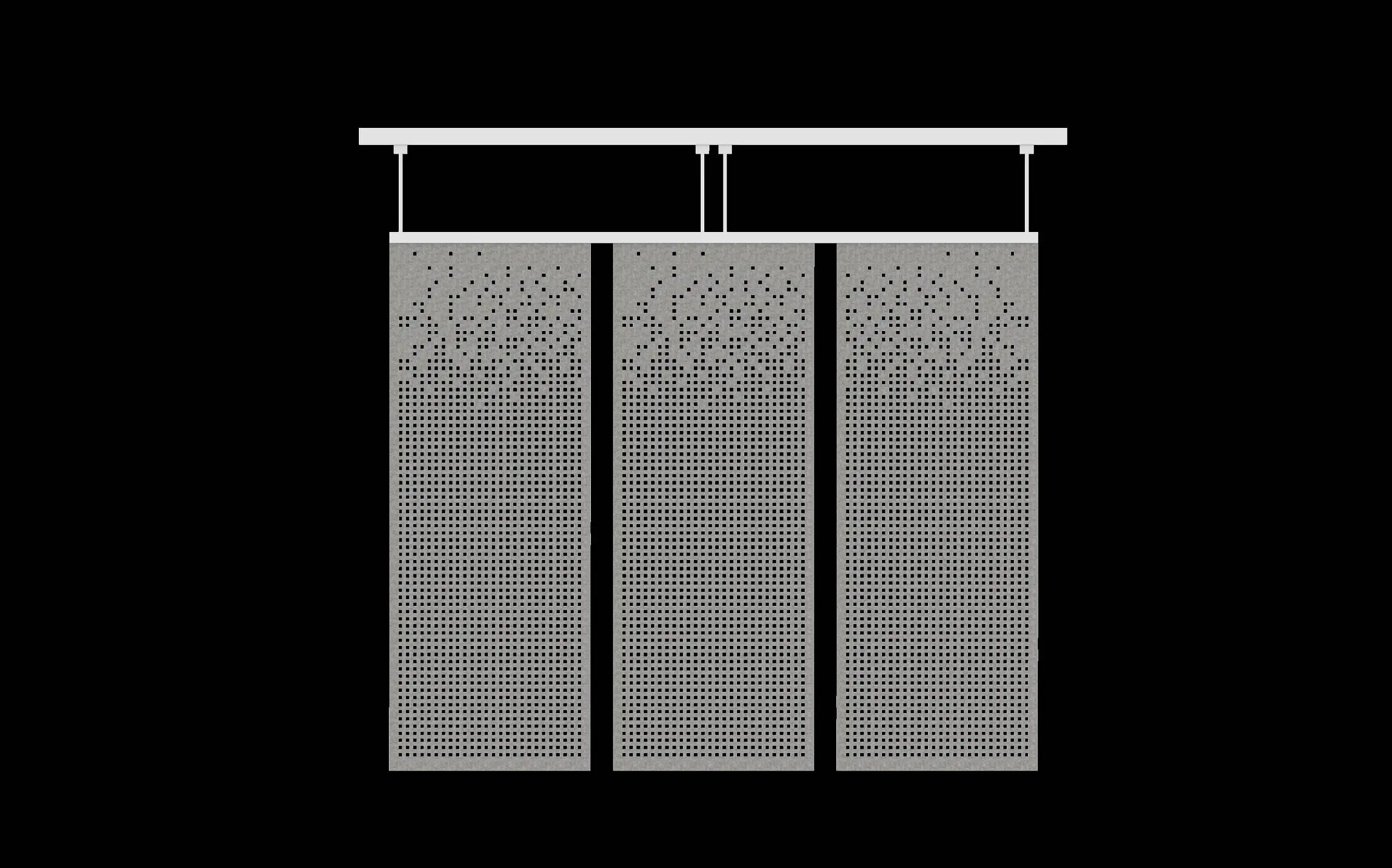
Selecting appropriate partition materials can significantly transform the functionality and aesthetic appeal of any space. Whether you're designing a modern office environment, creating privacy zones in open-plan areas, or establishing functional boundaries in commercial settings, understanding the characteristics and applications of different partition materials is crucial for making informed decisions. The right choice balances practicality, durability, cost-effectiveness, and visual impact while meeting specific spatial requirements.

Understanding Material Properties and Performance
Acoustic Performance Considerations
Sound control represents one of the most critical factors when selecting partition materials for professional environments. Different materials offer varying levels of acoustic absorption and sound transmission reduction. Fabric-wrapped panels excel at absorbing ambient noise, making them ideal for open office environments where concentration is paramount. Dense materials like acoustic foam composites provide superior sound blocking capabilities, essential for conference rooms and private offices where confidentiality matters.
Glass partitions, while visually appealing, typically offer minimal acoustic benefits unless specifically designed with laminated or double-pane construction. However, modern acoustic glass solutions can achieve impressive sound reduction ratings while maintaining transparency. The key lies in understanding the specific acoustic requirements of your space and matching them with appropriate material specifications.
Durability and Maintenance Requirements
Long-term performance depends heavily on material durability and maintenance demands. High-traffic commercial environments require robust materials that can withstand daily wear while maintaining their appearance. Metal partitions, particularly those with powder-coated finishes, offer exceptional durability and require minimal maintenance beyond periodic cleaning. Fabric materials, while offering superior acoustic properties, may require more frequent cleaning or replacement depending on usage patterns.
Wood-based partitions provide natural warmth and can be extremely durable when properly treated, but they may require periodic refinishing to maintain their appearance. Composite materials often combine the best aspects of multiple materials, offering durability comparable to metal with the aesthetic flexibility of other options. Consider the total cost of ownership, including cleaning, repairs, and eventual replacement when evaluating different materials.
Material Types and Their Optimal Applications
Fabric and Textile Solutions
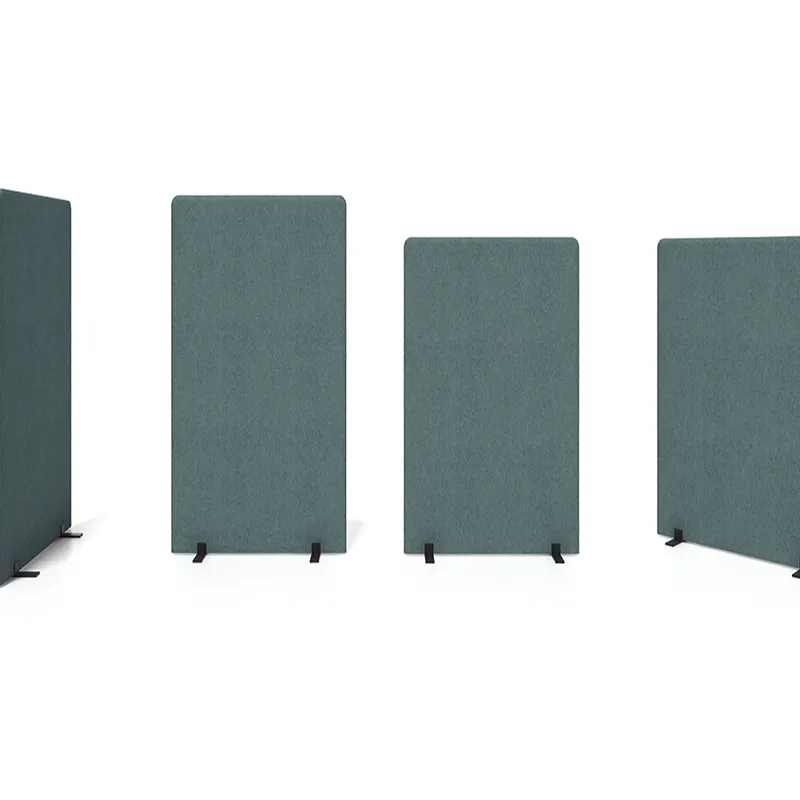
Fabric partitions have gained significant popularity in contemporary workspace design due to their versatility and acoustic benefits. These office partitions can be customized with virtually unlimited color and pattern options, allowing for brand alignment and creative expression. High-performance fabrics resist staining, fading, and bacterial growth, making them suitable for healthcare and food service environments.
The acoustic advantages of fabric partitions extend beyond simple sound absorption. They help reduce echo and reverberation, creating more comfortable conversational environments. Many fabric partition systems incorporate replaceable panels, allowing for easy updates and color changes as design preferences evolve. This flexibility makes fabric partitions particularly attractive for dynamic organizations that frequently reconfigure their spaces.
Glass and Transparent Materials
Glass partitions excel in applications where visual connectivity and light transmission are priorities. Modern glass partition systems offer various opacity levels, from completely transparent to translucent options that provide privacy while maintaining brightness. Frosted and etched glass patterns can incorporate branding elements or decorative designs, adding visual interest while serving functional purposes.
Safety considerations are paramount when specifying glass partitions. Tempered and laminated glass options provide enhanced safety characteristics, with tempered glass shattering into small, relatively harmless pieces when broken. Smart glass technology, while more expensive, offers dynamic opacity control, allowing spaces to transform from transparent to opaque at the touch of a button. This technology proves particularly valuable in conference rooms and executive offices where privacy needs vary throughout the day.
Space-Specific Selection Criteria
Open Office Environments
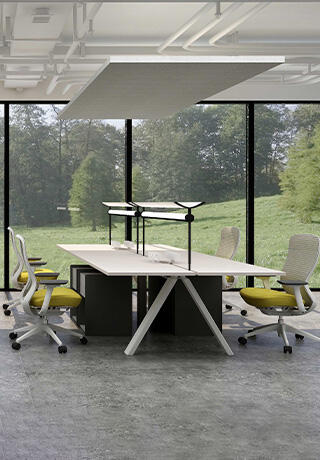
Open office spaces present unique challenges that require carefully balanced solutions. The goal typically involves creating defined work areas without completely isolating employees or blocking natural light flow. Low-height partitions, typically ranging from 42 to 60 inches, provide adequate visual separation while maintaining the collaborative atmosphere that open offices are designed to foster.
Acoustic performance becomes especially critical in open environments where noise from multiple sources can create distracting conditions. Partition materials with high noise reduction coefficients help minimize sound transmission between workstations. Modular systems that allow for easy reconfiguration support the dynamic nature of modern workplaces, where team sizes and project requirements frequently change.
Private Offices and Meeting Rooms
Private offices and meeting rooms require partitions that provide complete visual and acoustic separation. Full-height partitions extending to the ceiling offer maximum privacy and sound control. Materials with high sound transmission class ratings ensure confidential conversations remain private. The choice between transparent and opaque materials depends on the specific use case and organizational culture.
Conference rooms benefit from partitions that can accommodate integrated technology solutions. Many modern partition systems include built-in cable management and mounting points for displays and communication equipment. The ability to write on surfaces or project onto them adds functional value, with some glass partitions featuring writable coatings that serve as presentation surfaces.
Installation and Configuration Considerations
Mounting Systems and Structural Requirements
Proper installation ensures partition performance and longevity. Floor-to-ceiling systems typically require secure ceiling attachments and may need structural reinforcement, particularly for heavy materials like solid wood or thick glass panels. Freestanding systems offer greater flexibility but may have height limitations and stability considerations, especially in high-traffic areas.
Modern mounting systems often incorporate adjustment mechanisms that accommodate minor floor and ceiling irregularities. This flexibility simplifies installation and ensures proper fit even in older buildings where surfaces may not be perfectly level. Some systems feature tool-free assembly, enabling quick reconfiguration without specialized labor, which proves valuable for organizations that frequently modify their layouts.
Integration with Building Systems
Successful partition installation requires careful coordination with existing building systems. HVAC considerations include ensuring adequate air circulation around partitions and through the space they create. Some partition systems incorporate ventilation features or are designed to work with existing air distribution patterns. Lighting integration may require coordination with ceiling-mounted fixtures or incorporation of partition-mounted lighting solutions.
Electrical integration enables power and data distribution within partition systems, supporting modern workplace technology requirements. Many commercial partition systems include pre-wired electrical components and cable management features that maintain clean aesthetics while providing necessary connectivity. Fire safety codes may dictate specific requirements for partition materials and installation methods, particularly in commercial buildings.
Cost Analysis and Budget Planning
Initial Investment Considerations
Partition system costs vary significantly based on materials, complexity, and installation requirements. Basic fabric panels represent the most economical option, while custom glass systems with integrated technology can require substantial investment. However, initial cost comparisons must consider long-term value, including durability, maintenance requirements, and flexibility for future modifications.
Premium materials often justify their higher initial costs through superior performance and longevity. High-quality acoustic panels may eliminate the need for additional sound treatment, while durable materials reduce replacement frequency. Installation complexity also affects overall costs, with some systems requiring specialized labor while others enable straightforward assembly by general contractors.
Long-term Value and Return on Investment
The true value of partition investments emerges over time through improved productivity, space utilization, and adaptability. Well-chosen partition systems enable organizations to reconfigure spaces as needs change, potentially eliminating costly renovations. Acoustic improvements from quality partitions can enhance employee satisfaction and productivity, generating measurable returns through reduced turnover and improved performance.
Energy efficiency benefits may result from strategic partition placement that optimizes heating and cooling loads. Creating smaller, defined spaces can reduce HVAC requirements compared to conditioning large open areas. Some partition materials also contribute to sustainable building practices and may qualify for green building credits, providing additional value through utility incentives and improved corporate environmental profiles.
FAQ
What factors should I prioritize when selecting partition materials for a noisy office environment
Acoustic performance should be your primary consideration in noisy environments. Look for materials with high noise reduction coefficients and sound transmission class ratings. Fabric-wrapped acoustic panels typically provide excellent sound absorption, while dense composite materials excel at blocking sound transmission. Consider the specific noise sources and whether you need to absorb ambient sound or block conversations between spaces.
How do I balance privacy needs with natural light preservation in my space
Translucent or frosted glass partitions offer an excellent compromise between privacy and light transmission. These materials obscure direct sight lines while allowing natural light to flow throughout the space. Alternatively, consider partial-height partitions that provide visual separation at eye level while allowing light to flow over the top, or use transparent materials with privacy films that can be applied selectively.
Can partition systems be easily reconfigured as my space needs change
Most modern commercial partition systems are designed for easy reconfiguration. Look for modular systems with standardized components and tool-free assembly features. Freestanding systems typically offer the greatest flexibility, while ceiling-mounted systems may require more planning for changes. Consider your organization's likelihood of future modifications when choosing between permanently installed and demountable options.
What maintenance requirements should I expect with different partition materials
Maintenance requirements vary significantly by material type. Glass partitions require regular cleaning but are otherwise low-maintenance. Fabric partitions may need periodic professional cleaning or panel replacement depending on usage. Metal partitions typically require only occasional cleaning and are very durable. Wood partitions may need periodic refinishing, while composite materials often combine low maintenance with good durability. Consider your facility's cleaning capabilities and budget when making selections.
Table of Contents
- Understanding Material Properties and Performance
- Material Types and Their Optimal Applications
- Space-Specific Selection Criteria
- Installation and Configuration Considerations
- Cost Analysis and Budget Planning
-
FAQ
- What factors should I prioritize when selecting partition materials for a noisy office environment
- How do I balance privacy needs with natural light preservation in my space
- Can partition systems be easily reconfigured as my space needs change
- What maintenance requirements should I expect with different partition materials