
All Categories

How to Select the Ideal Office Desk for Different Job Functions

2025-11-20 14:29:00
How to Select the Ideal Office Desk for Different Job Functions

Selecting the right office desk is a critical decision that directly impacts productivity, comfort, and overall workplace satisfaction. Different job functions require unique workspace configurations, storage solutions, and ergonomic considerations that must be carefully evaluated before making a purchase. Understanding these specific requirements ensures that each employee has an optimal work environment tailored to their professional needs and daily responsibilities.

Modern workplaces have evolved beyond the one-size-fits-all approach to furniture selection, recognizing that administrative assistants, creative professionals, executives, and technical specialists each have distinct workspace requirements. The investment in appropriate desk solutions pays dividends through improved employee satisfaction, reduced fatigue, enhanced focus, and ultimately better business outcomes. This comprehensive guide examines the essential factors to consider when matching desk types to specific job functions.

Understanding Job-Specific Workspace Requirements

Administrative and Clerical Positions

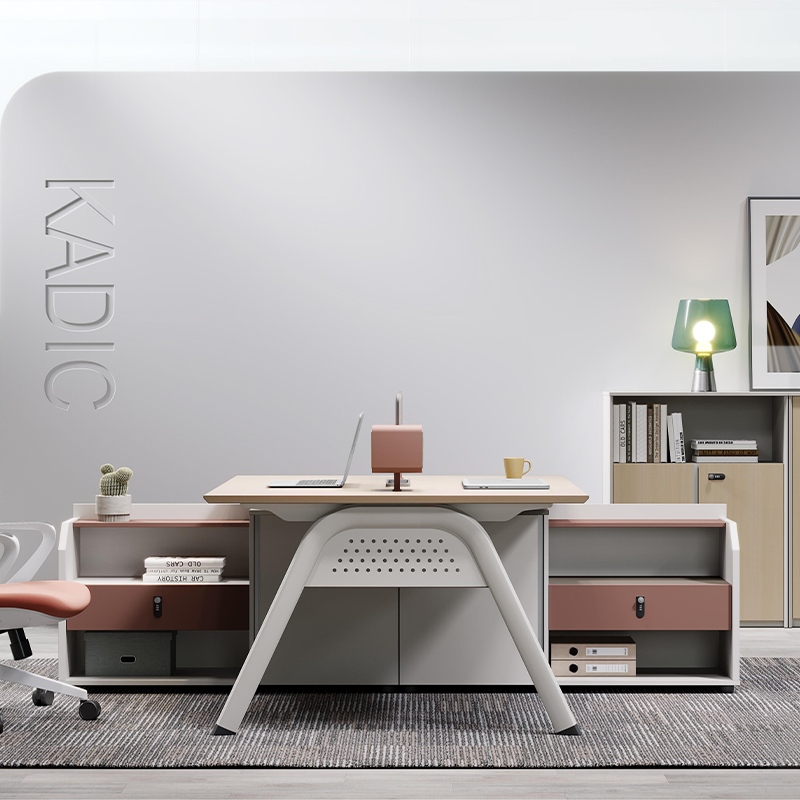
Administrative professionals typically require desks with extensive storage capabilities and organized compartments to manage documents, supplies, and office equipment efficiently. These positions often involve frequent filing, document processing, and multi-tasking across various administrative duties throughout the day. The ideal office desk for administrative roles should feature multiple drawers, built-in filing systems, and designated spaces for phones, computers, and reference materials.

Surface area considerations are equally important, as administrative workers frequently spread out multiple documents simultaneously while cross-referencing information or preparing reports. A desk depth of at least 24 inches provides adequate space for computer monitors while maintaining room for paperwork and writing tasks. Additionally, cable management systems help maintain organization and prevent workspace clutter that can impede productivity.

Executive and Management Roles

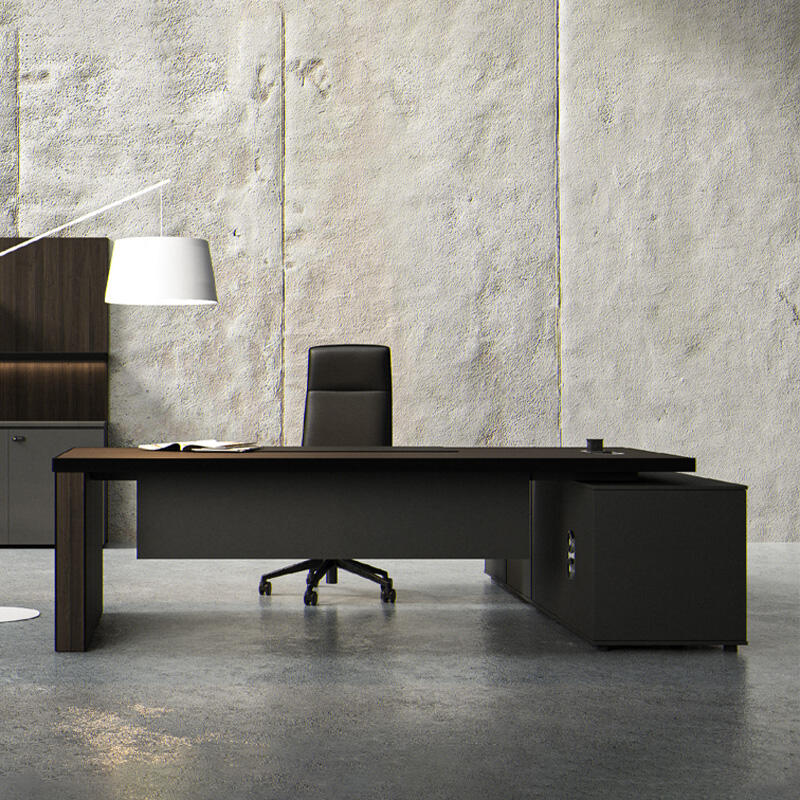
Executive positions demand desks that project professionalism while accommodating both private work and collaborative meetings. These roles often require larger surface areas for document review, strategic planning sessions, and impromptu discussions with team members or clients. The executive office desk should balance impressive aesthetics with functional practicality, often featuring premium materials and sophisticated design elements.

Privacy considerations become paramount at executive levels, with many desks incorporating modesty panels or positioning options that allow for confidential conversations. Storage requirements typically focus on securing sensitive documents rather than managing high volumes of paperwork, making locked drawers and secure filing options essential features for leadership positions.

Technical and Creative Professional Considerations

Software Development and IT Positions

Technology professionals require desks capable of supporting multiple monitors, various hardware components, and extensive cable management systems. These positions often involve extended periods of focused coding, system administration, or technical problem-solving that benefit from ergonomic design features and adjustable configurations. The ideal setup accommodates dual or triple monitor arrangements while providing adequate depth for keyboards, mice, and additional peripherals.

Height adjustability becomes particularly important for technical roles, as developers and IT specialists often work long hours and benefit from the option to alternate between sitting and standing positions. Sturdy construction is essential to support the weight of multiple monitors and equipment, while integrated power solutions ensure easy access to outlets for various devices and charging needs.

Creative and Design Professionals

Graphic designers, architects, and other creative professionals require workspace solutions that accommodate both digital tools and traditional design materials. These positions often involve switching between computer-based design work and hands-on sketching, model building, or material sampling. The creative professional's desk must provide ample surface area for drawing tablets, color samples, design references, and physical prototypes.

Lighting considerations become crucial for color-critical work, with many creative desks featuring integrated lighting solutions or positioning that maximizes natural light exposure. Storage requirements often include flat file drawers for oversized documents, compartments for art supplies, and display areas for inspiration materials or work-in-progress projects.

Ergonomic Features and Health Considerations

Adjustability and Comfort Factors

Ergonomic design principles should influence every office desk selection decision, regardless of job function. Height adjustability allows users to maintain proper posture and reduce strain on the neck, shoulders, and back during extended work sessions. Modern adjustable desks offer smooth transitions between sitting and standing positions, promoting better circulation and reducing the health risks associated with prolonged sedentary work.

Keyboard tray positioning plays a significant role in preventing repetitive strain injuries, with optimal placement allowing forearms to remain parallel to the floor while typing. Monitor positioning guidelines suggest that screen tops should align with eye level to prevent neck strain, requiring careful consideration of desk height and monitor arm compatibility during the selection process.

2(d84f8c4c0c).jpg

Long-term Health Impact

The connection between workspace design and employee health extends beyond immediate comfort to long-term wellness outcomes. Poorly designed desk setups contribute to chronic pain conditions, reduced productivity, and increased healthcare costs over time. Investing in ergonomically sound desk solutions demonstrates organizational commitment to employee wellbeing while potentially reducing absenteeism and workers' compensation claims.

Research consistently demonstrates that employees with properly fitted workstations report higher job satisfaction, improved focus, and better overall health outcomes. These benefits translate directly into business value through reduced turnover, increased productivity, and enhanced company reputation as an employer of choice.

Space Planning and Office Layout Integration

Open Office Environment Considerations

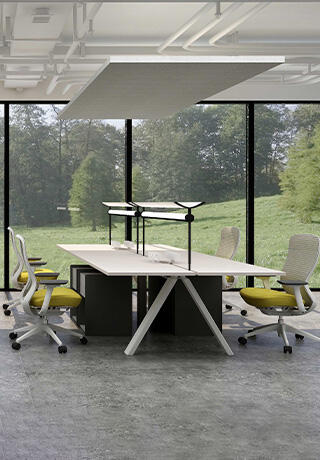
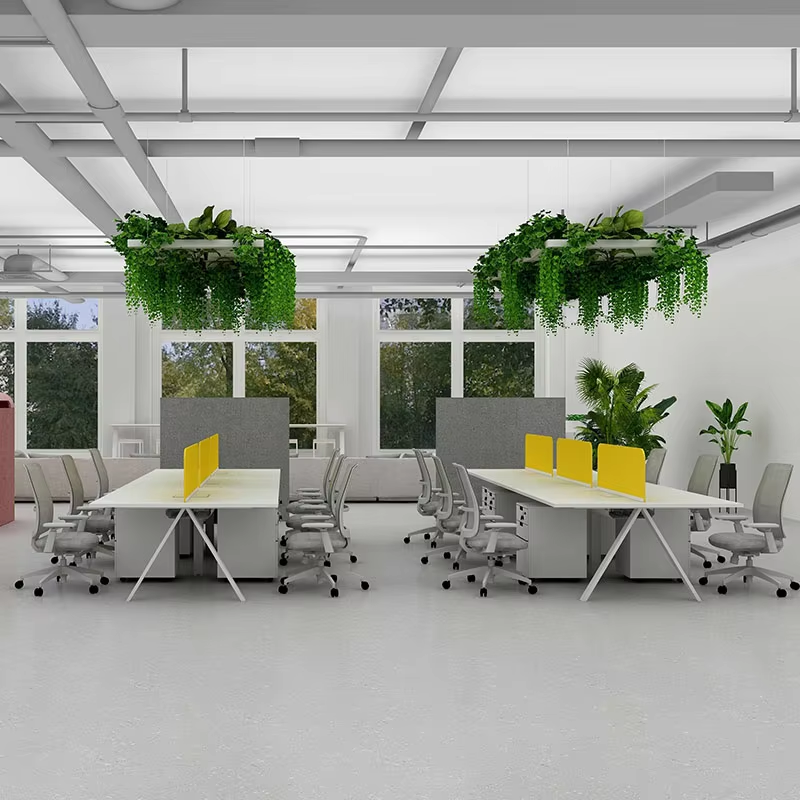
Open office layouts present unique challenges for desk selection, requiring furniture that balances collaboration needs with individual focus requirements. Modular desk systems allow for flexible reconfiguration as team structures evolve, while integrated privacy screens can create semi-private work zones within larger spaces. Sound absorption properties become important considerations in open environments where noise levels can impact concentration.

Traffic flow patterns around desk clusters must be considered to ensure easy movement throughout the office while maintaining adequate personal workspace boundaries. Collaborative features such as mobile pedestals or flip-up surfaces can transform individual workstations into impromptu meeting spaces when needed.

Private Office and Dedicated Workspace Setup

Private offices allow for more personalized desk solutions that can be tailored specifically to individual preferences and work styles. These environments support larger desk configurations, additional storage solutions, and decorative elements that might not be appropriate in shared spaces. The increased privacy also enables more extensive personalization and organization systems.

Dedicated workspaces provide opportunities to optimize lighting, temperature, and acoustic conditions around specific desk configurations. This level of environmental control can significantly enhance comfort and productivity, particularly for roles requiring intense concentration or sensitive work activities.

Budget Considerations and Return on Investment

Initial Cost Versus Long-term Value

Quality desk investments should be evaluated based on total cost of ownership rather than initial purchase price alone. Higher-quality construction materials and mechanisms typically provide better durability, reduced maintenance requirements, and longer service life. These factors combine to create superior value propositions despite higher upfront costs.

Warranty coverage and manufacturer support services add significant value to desk investments, particularly for businesses managing large quantities of furniture across multiple locations. Comprehensive warranties protect against defects while service agreements ensure prompt resolution of any issues that may arise during normal use.

Productivity Impact Analysis

The productivity improvements associated with properly selected desk solutions often justify premium pricing through measurable business outcomes. Employees equipped with appropriate workspace tools typically demonstrate improved efficiency, better work quality, and reduced error rates. These performance improvements directly contribute to revenue generation and cost reduction across organizational operations.

Employee retention benefits also factor into return on investment calculations, as satisfied workers are less likely to seek employment elsewhere. The costs associated with recruiting, hiring, and training replacement employees often exceed the investment required for premium desk solutions that enhance job satisfaction.

FAQ

What desk size is appropriate for different job functions

Desk size requirements vary significantly based on job responsibilities and equipment needs. Administrative roles typically function well with desks measuring 48-60 inches wide and 24-30 inches deep, providing adequate space for computers, documents, and office supplies. Executive positions often require larger surfaces of 60-72 inches wide to accommodate meetings and document review. Technical professionals may need deeper desks (30-36 inches) to support multiple monitors, while creative roles benefit from larger surfaces that accommodate both digital and physical design materials.

How important is adjustability in office desk selection

Adjustability features have become increasingly important as awareness of ergonomic health impacts grows. Height-adjustable desks allow users to alternate between sitting and standing positions, reducing health risks associated with prolonged sedentary work. Even fixed-height desks should accommodate proper ergonomic positioning through appropriate height selection and compatibility with adjustable chairs and monitor arms. The ability to customize workspace positioning significantly impacts comfort, productivity, and long-term health outcomes.

What storage features should be prioritized for different roles

Storage requirements depend heavily on job function and workflow patterns. Administrative positions typically need extensive filing capabilities, multiple drawers, and organized compartments for supplies and documents. Executive roles focus more on secure storage for confidential materials, often requiring locked drawers and discrete filing options. Technical professionals benefit from cable management systems and equipment storage, while creative roles need specialized storage for art supplies, samples, and oversized materials like blueprints or design boards.

How do open office environments affect desk selection criteria

Open office layouts require careful consideration of collaboration versus privacy needs. Modular desk systems provide flexibility for reconfiguration as team structures change, while integrated privacy screens help create focused work zones. Noise reduction features become more important in open environments, making sound-absorbing materials and strategic positioning crucial factors. Additionally, mobile storage solutions and compact designs help maintain clear traffic patterns while providing necessary workspace functionality.

Copyright © 2025 ICON WORKSPACE. All rights reserved.  -  Privacy policy