
 EN
EN
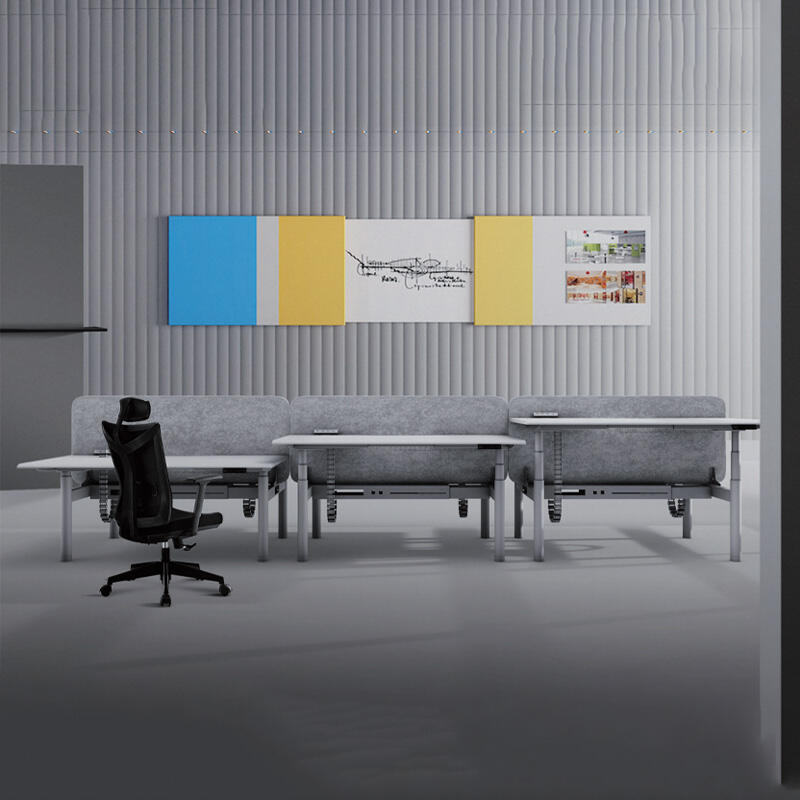
Il-żoni moderni tar-ricevimentu korporattiv jiservu bħala l-bieb għall-suċċess tal-biznes, ikkreaġun impressjonijiet ewlenin qawwija li jistgħu jinfluwenzaw ir-relazzjonijiet mal-klijenti u l-morali tal-impjegati. L-implementazzjoni strateġika tas-sits soft rrevoluzzjonar il-mod kif l-organizzazzjonijiet jaqbdu d-disinn tar-riceviment, bil-ħruġ minn mobbli tradizzjonali rigidi għall-adozzjoni ta' soluzzjonijiet bbażati fuq il-kumfort li jirriflettu l-valuri kontemporanji tal-post tax-xogħol. Dawn l-arranġamenti tas-sits immaġinati b’attenzjoni ma biss ifittxu l-appell vizivi, imma jwettqu wkoll il-kummitta tal-kumpanija li tkun ħolqa ambjenti ħosna li jippriorizzaw il-kumfort tal-biżituri u tal-impjegati.
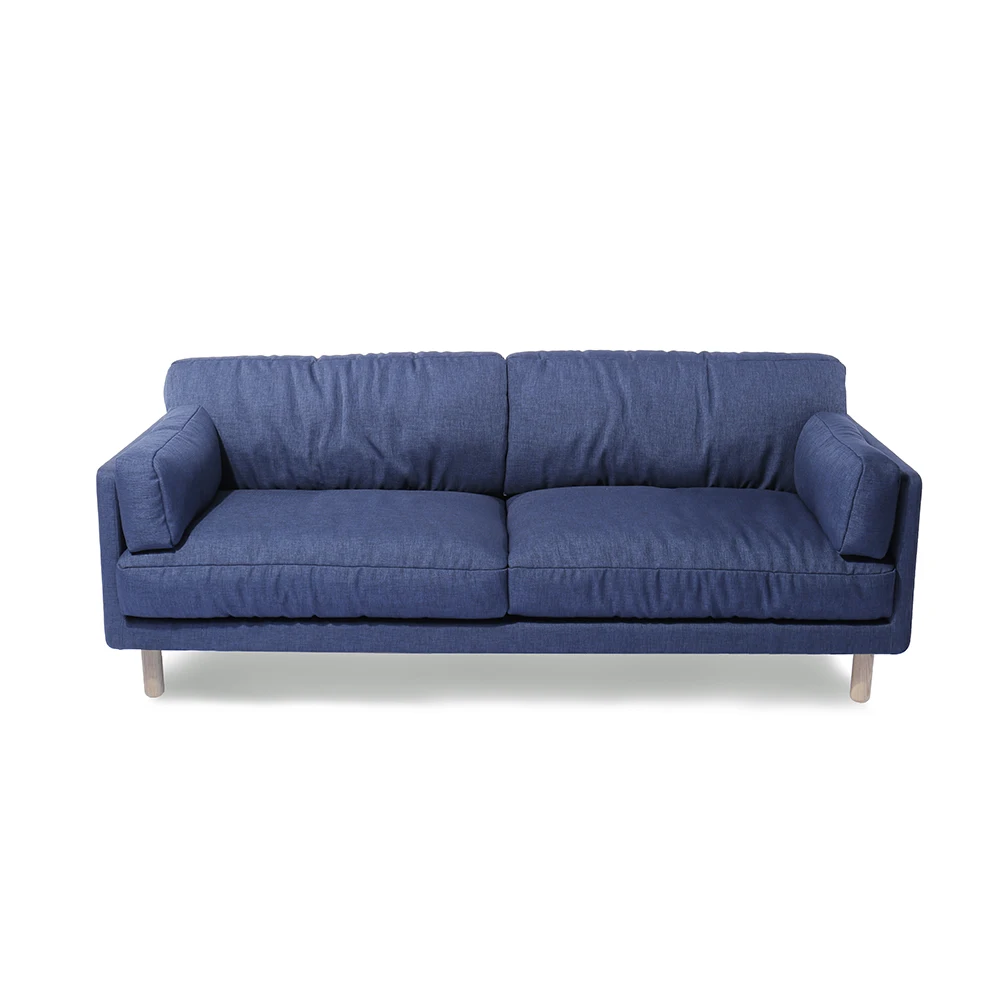
It-tibdil tas-spażji tal-riċeżzjoni korporattivi permezz ta’ għażla strateġika tal-biżut jirrappreżenta tibdil fundamentali fil-filosofija biznes. Il-kumpaniji jikbru ħajjin li l-aree tar-riċeżzjoni jiffunzjonaw bħala ambaxxaturi tal-brand, ikomunikaw il-valuri tal-organizzazzjoni permezz ta’ kull element tad-disinn. Il-biżut soft jilgħubu ruolu ewlieni f’dan il-kumunikazzjoni, jipprovdu komfort immedjat lil dawk li jzwaru waqt li jikkumunikaw b’mud mod suttli messaġġi dwar il-kultura tal-kumpanija, l-attenzjoni għall-biżuta u l-investiment f’esperjenzi ta’ kwalità.
Il-Psikoloġija Wara l-Disinn tar-Riċeżzjoni
Ikkitar Konnessjonijiet Emozzjonali permezz tal-Komfort
L-effett psi-koloġiku tas-sejħa soffi fir-radijiet ta' rċeżzjoni jispara ħafna iktar minn komfort fiżiku biss. Il-biżżejjed jindikaw li l-bżonnin ifformaw impressjonijiet li jibqgħu għalkemm ħames sekondi wara li jidħlu f’spaċju, u l-arranġament tas-sejħa komfortevoli jikkontribuża b’sħiħa għall-riżultati emozzjonali pożittivi. Meta l-bżonnin isinku f’sejħa soffa u ħajja ħajja, jisperjew immedjatament il-sens li huma apprezzati u murħba, li jitraddu f’relazzjonijiet biznes it-tajjeb u f’perċepzjoni impreżżjoni tal-marka.
Ir-risposta neuroloġika għal ambjenti komfortevoli tattiva mekkaniżmi li jinżlu l-istress, li jippermettu lil iż-żurrijiet li jissensu aktar rilassati u iktar oħra għall-biżniss. Dan l-effett fiżjoloġiku joħloq kondizzjonijiet ottimali għal riunjonijiet u negozjazzjonijiet prodduttivi, għalkemm il-persuni rilassati huma aktar probabbli li jippartecipaw b’mod pożittiv mal-proposti u li jżommu opinjonijiet favurijiet dwar l-organizzazzjoni li t-host. Il-post ta’ postijiet soffiċi b’tali strateġija tista’ tgħin biex tittriżż il-moviment tal-żurrijiet u tifforma zone ta’ konversazzjoni intimi li jfakilitaw interazzjonijiet sinifikanti.
Irriforzament tal-Identità tal-Brand permezz tad-Disinn
Id-disinn tal-erja tar-ricezzjoni jifforma dikjarazzjoni tridimensjonali tal-brand, u l-biżut soft jippermettu opportunitajiet eċċellenti biex jiġu ħarġin il-identità korporattiva permezz ta’ għażla ta’ kuluri, testuri u stili. Il-organizzazzjonijiet jistgħu jselezzjonaw kuluri tal-imbrikkatura li jikkorrispondu mal-gwidi tal-brand, jagħżlu l-materjali li jirriflettu l-valuri tal-kumpanija bħall-biżżejjed jew il-luksu, u jarranġaw il-konfigurazzjonijiet tal-biżut li jiddimostraw il-prioritajiet tal-kultura organizzattiva bħall-kollaborazzjoni jew il-ħierarkija.
Il-proċess ta' selezzjoni għall-biżut li jinkludu materjal soft jinvolvi ħażina attenta kif kull pezz jikkontribuixxa għall-biżut tal-istorja tal-brand b’mod ġenerali. Istituzzjonijiet finanzjarji konżervattivi jistgħu jiețlu disinni klassiċi bil-lether li jkomunikaw istabbiltà u tradizzjoni, filwaqt li l-biżut teknoloġiċi ġodda jistgħu jagħżlu pezzi modulati ċċurrenti li jissuġġerisku innowazzjoni u fleksibbiltà. Il-versatilità tal-biżut moderni li jinkludu materjal soft tgħallim l-organiżzazzjonijiet li jesprimu persunalitajiet uniki tal-brand filwaqt li jżommu l-istandards professjonali assoċjati mal-ambjenti ta’ negozju.
Benefiċċji funzjonali tas-soluzzjonijiet ċċurrenti għall-biżut li jinkludu materjal soft
Vantaġġi ergonomiċi għal perjodi twal ta’ stenn
Il-postijiet għall-istennja tradizzjonali spiss jippriorizzaw id-durabbiltà mis-soltu, li jirriżultaw f’karrużzi rigidi li jsiru diskomdu matul perjodi twal ta’ stenn. Il-postijiet għall-istennja moderni jibbattu din il-limitazzjoni permezz ta’ prinċipji avvanzati tad-disinn ergonomiku li jappoġġjaw l-istat ikkurrut waqt li jipprovdu komfort bil-bużżun. Din l-improvviment ifisser b’sħiħ il-bidla fil-esperjenza tal-biżituri, partikolarment matul it-tardijiet twal tal-appointments jew il-proċessi kompliċati tat-taħżin li jitlobu perjodi twal ta’ ħażin.
Il-benefiċji ergonomiċi jispiċċaw għall-impjegati li jużaw l-aree tar-reċeżzjoni għal lil-missajri informali jew għal sessjonijiet ta’ ħidma kolleġjali. Il-persunal tas-sostenn li jqatta’ ħafna ħin f’dan l-ispazju jgħmel esperjenza ta’ tnaqqis fit-ta’ ħajja u ta’ improvviment fil-kumfort, li jikkontribuixxa għall-ħoġġa ġenerali tas-sodda u għall-produttività. Il-biżut soffi tal-biżut ta’ biljett ta’ bħala b’soltu ġejjin b’appoġġ għall-baċku, profondità assoċjata mis-seħħ tal-biżut u pożizzjoni tal-armrests li jadattaw il-biżut għal tipi differenti ta’ korpi u għal preferenzi differenti ta’ ħabs, li jikkreaw ambjenti inklużivi li jweldu kollha l-bżonnijiet tal-bżonnijiet fiżiċi.
Propjetajiet Akustiċi u Mmaniġġar l-Ispazju
Il-posti għall-biża’ ħażini ġodda joffru benefiċji akustiċi sinifikanti li jikkontribuixxu għall-improvement tal-funzjonalità tar-risepsjoni. Is-saħħa mibżula tassorb il-mewġiet tas-silenzju li b’dan il-mod ma jirriflettu x’aktarx mis-saħħa rigidi, li jinnaqqsu l-eku u jikkreaw ambjenti akustiċi iktar plejrun għall-konversazzjonijiet. Il-kapaċità ta’ assorbiment tas-silenzju hija partikolarment valuriza fil-risepsjoni ħajjin fejn il-konversazzjonijiet multipli isiru simultanjament, għalkemm il-posti għall-biża’ ħażini jgħinu li jinkisbu l-privatezza u jinnaqqsu n-nużi ta’ sfond distratt.
L-arranġament stratéġiku tas-sejjiż li jkunu ħfif jista' joħloq mudelli naturali ta' ħbija li jtejbu l-użu tas-spazju u l-ġestjoni tal-folla. L-arranġamenti ċirkolari tas-sejjiż jinħallu l-interazzjoni soċjali filwaqt li jżidu l-biżaħ ta' l-biżbajt, u s-sistemi modulati tas-sejjiż li jkunu ħfif jippermettu rirranġament fleksibbli bbażat fuq il-besħa li tibdel jew għal avvenimenti speċjali. Il-kapaċità li ttajjar l-arranġamenti tas-sejjiż mingħajr proġetti kbir ta' rinnovazzjoni jipprovdil lil organizzazzjonijiet soluzzjonijiet effiċjenti minn firxa ta' ħlas għall-besħa li tibdel tas-spazju.
Innovazzjoni tal-Materjal u Kunsiderazzjonijiet tas-Sostenibbiltà
Teknoloġiji Awwanzzati tal-Fabrik
Il-biżaħ tas-sejjiż li jkunu ħfif ġie sempliċement imprezzat bil-biżaħ fit-teknoloġija tat-tessuti, li introduċa materjali għall-imbottitura li jgħmlu ħaġa waħda bejn il-kumfort u l-funzjonalità prattika. Il-materjali moderni għall-imbottitura joffru resistenza għall-biżbajt, proprjetajiet antimikrobiżi u durata imprezzata li jirrisolvu l-preokkupazzjonijiet komuni dwar il-ħarsien tas-sejjiż li jkunu ħfif f'ambjenti b'ħbija ħafna. Din it-teknoloġija imprezzata tagħmel sejjeti Soffi iktar prattiku għall-applikazzjonijiet korporattivi filwaqt li jżommu l-benefiċji estetiċi u tal-kumfort li jagħmluhom għażla ta' disinn attrattiva.
It-trattamenti ħaditani tal-ħut iffirmaw il-kapaċità li jissorbu l-moistura li ttejeb il-kumfort f'ambjenti b'temperatura kontrollata, il-protezzjoni kontra r-raġaġ UV għall-postijiet ta' seduta ħdejn it-tielet, u l-proprjetajiet li jipprevenu l-ħarq li jikkonformaw mar-rekwiżiti tas-sigurtà tal-bini kommerċjali. Dawn it-tejibiet tal-prestazzjoni jeliminaw ħafna mill-obblizzjonijiet tradizzjonali kontra l-furnitur soft f'ambjenti korporattivi, li jippermettu l-organiżzazzjonijiet li jippriorizzaw il-kumfort mingħajr ma jkomplu jikkumpromissaw il-kunsiderazzjonijiet prattiki jew ir-rekwiżiti ta' manutenzjoni.
Ir-responsabbiltà Ambjentali u l-Ozzjonijiet Sostenibbli
Il-kunsiderazzjonijiet tas-sostenibbiltà jinfluwenzaw b’aktar u aktar is-selezzjoni tal-mobli korporattivi, u l-manifatturijiet ta’ postijiet soffi ħallqu b’opzjonijiet ekoloġiċi li jikkorrispondu mal-biżness tar-responsabbiltà ambjentali. Il-materjali rikiclati, l-adesivi b’bassu emissjoni u l-kumpunenti miżda b’mod sostenibbli jippermettu l-organiżzazzjonijiet li jimplimentaw soluzzjonijiet ta’ postijiet soffi komfortevoli filwaqt li jilħqu l-istandards tal-bini eko u l-kummenti korporattivi għas-sostenibbiltà.
It-tul ta’ ħajja ta’ postijiet soffi ta’ kwalità jikkontribu għas-sostenibbiltà ambjentali billi jnaqqsu l-frekwenza tar-risostituzzjoni u l-wast il-biżness li jirriżulta minn hekk. Il-metodi ta’ kostruzzjoni duraturi, il-kumpunenti li jistgħu jiżdaw u l-estetika tad-disinn li ma tifredx bil-ħin jiggarantixxu li l-investiment f’postijiet soffi prezzużi jipprovdil-valur fit-tul filwaqt li jimmexxi l-impatt ambjentali għalkollox. Ħafna manifatturijiet issa joffru programpi ta’ rirritorn u servizzi ta’ rikicla li jappoġġjaw iktar il-inittattivi korporattivi għas-sostenibbiltà.
Konsiderazzjonijiet dwar l-Istallazzjoni u Maintenanza
Requisiti għall-Installazzjoni Professjonali
L-implimentazzjoni suċċessiva tas-sits molli fir-rigward tal-aree tar-reċeżzjoni titlob attenzjoni ħarissa għall-biżijiet tal-installażjoni li jassiguraw il-prestazzjoni ottimale u l-biża’ fit-tul. Is-servizzi professjonali tal-installażjoni jifhmu l-biżanza tal-pożizzjoni ħażina għall-fluss tat-traffiku, is-spazju suffiċjenti għall-konformità mal-accessibbiltà, u l-ankraġġ sigur għall-biżijiet tas-sigurtà. Dawn il-kunsiderazzjonijiet tekniki jinfluwenzaw b’saħħithom is-suċċess tal-installażjonijiet tas-sits molli u l-funzjonalità tagħmel fit-tul fir-rigward tal-ambjenti korporattivi.
Il-proċess tal-installażjoni jinkludi l-koordinazzjoni ma’ oġġetti oħra tar-rigward tal-areja tar-reċeżzjoni bħall-illuminazzjoni, is-sistemi elettriċi, u l-kunsiderazzjonijiet tal-ventilazzjoni, it-tisħin u t-tajjib (HVAC). Il-pożizzjoni tas-sits molli taffettwa l-mudelli tal-ċirkulazzjoni tal-ajru, tinfuża r-rekwiżiti għall-aċċess għall-ħażin, u tiffurmah il-bilanċ spazjali totali tar-rigward tal-aree tar-reċeżzjoni. L-installaturi professjonali jaħdmu mal-idejjiżi tal-internali u b’managers tal-faċilitajiet biex jiżdammu l-integrazzjoni seħħa li tmaġġinizza kemm l-effett estetiku kif ukoll il-funzjonalità prattika.
Strategiji ta’ Manutenzjoni Fit-Tul
Il-mexxej tal-apparenza u tal-funzjonalità tal-bankuri soffi jitilgħu approċċi sistematiku ta’ ħarsien li jżidu l-apparenza aġġustiva tagħmel u n-negozju tal-ħajja. Is-silġijiet regolari ta’ netbja professjonali, il-protokollijiet tat-trattament tal-biżzerri u l-proċeduri ta’ manutenzjoni prevenziva jgħinu lill-organiżazzjonijiet li jproteġu l-investiment tagħmel fil-fornitur tal-ħajja tal-reċeppjoni ta’ kwalità. Il-fhim tal-biżżejjed tal-biżżejjed ta’ ħarsien jippermetti lit-timijiet tal-immaniġment tal-faċilitajiet li jżidu l-apparenza professjonali li biss tibqa’ tirrifletti b’mod pożittiv fuq l-immaġini korporattiva.
Il-posti għall-biżżek moderni ħafna drabi jinkludu kusinetti li jistgħu jinbeldu, kusinetti li jistgħu jinbadlu, u komponenti modulati li jiffrankaw il-maintenanza u li jippermettu l-bidla parzjali mingħajr li tkun meħtieġa l-bidla sħiħa tal-forniment. Dawn il-karatteristiċi tad-disinn inaqqsu l-ispeżijiet tat-tisħiħ fit-tul waqt li jiżdammu li l-erja tar-ricezzjoni tibqa' ġdida u professjonali biex tisħaħ il-livelli ta' prestazzjoni tal-biżness. Il-programpi ta' ħarsien preventiv jistgħu iżdammu b'sħiħ il-ħajja tas-servizz tal-posti għall-biżżek filwaqt li jżammu l-kontribuzzjoni tagħmel esperjenza pożittiva għall-biżituri.
Trendijiet tad-Disinn u Iżviluppi Futuri
Preferenzi Stilisti Ħaditha
It-trendijiet attuali tad-disinn fis-sejjiż li jkunu ħfif ifittxu l-bidla iktar wiesgħa fil-post ta’ xogħol lejn ambjenti iktar bbażati fuq il-bniedem li jippriorizzaw is-sħiħ flimkien ma’ funzjonalità. Il-elementi tad-disinn bix-xejn, il-paletta tal-iloru naturali, u l-formoli organiċi joħolqu konnessjonijiet mal-biżaħ li jnaqqsu l-isstress u jtejbu l-klarità mentali. Din it-trend toħroġ fis-sejjiż ħfif b’olori ta’ tipu arti, teksturi naturali, u formoli li jgħmelu ambjenti li jinżlu l-isstress u li jappoġġjaw interazzjonijiet pożittivi bejn il-biznes.
L-integrazzjoni tat-teknoloġija fis-sejjiż ħfif tirrappreżenta trend ieħor sinifikanti, b’stazzjonijiet integrati għall-ħażen, il-konnettività bil-wireless, u l-featuri intelligenti li jsiru eżiżenzji standard minn daħħal li jinkludi luksur. Dawn it-teknoloġiji immodifikati jitransformaw is-sejjiż ħfif mis-soltu furnitur passiv għall-istrumenti attivi tal-post ta’ xogħol li jappoġġjaw il-prattiki moderni tal-biznes u t-tajjeb tal-biżnissa għall-esperjenzi kkonnessi.
Opcuni ta' Kustomizzazzjoni u Perżonalizzazzjoni
It-talba li tkun qed tizda ħdejn għall-espressjoni unika tal-brand tirradda l-interess inkrementali għall-soluzzjonijiet personalizzati ta’ postijiet bil-biżut li jirriflettu l-personalitajiet u r-rekwiżiti speċifiċi tal-organizzazzjonijiet. Il-manifatturijiet issa joffru opzjonijiet estensivi ta’ personalizzazzjoni inklużi disinni speċifiċi għall-imbottitura, abbinament personalizzat tal-kuluri, rikami personalizzati u miżuri speċjalizzati biex jikkonformaw ma’ kuntrolli speċifiċi tas-spazju jew b’vizzjonijiet tad-disinn.
It-trend tal-personalizzazzjoni jistendu wkoll għall-personalizzazzjoni funzjonali, li tpermetti lill-organizzazzjonijiet li jispeċifikaw karatteristiċi partikulari bħal appoġġ addizzjonali għall-lumbar, għoli modifikata tal-armrests jew karatteristiċi speċjalizzati ta’ aċċessibbiltà li jiservu popolazzjonijiet utenti speċifiċi. Din il-livell ta’ personalizzazzjoni jassura li l-investimenti fit-ta’ postijiet bil-biżut jikkonformaw perfettament mal-preferenzi estetiku u r-rekwiżiti funzjonali, massimizzando b’hekk il-valur u s-soddisfazzjoni tal-utent.
Mistoqsijiet Frekwenti
Liema fatturi għandhom il-kumpaniji jikkunsidraw meta jselezzjonaw it-ta’ postijiet bil-biżut għall-erji ta’ riċeżzjoni?
Il-kumpaniji għandhom jievaluw ir-rekwiżiti ta' durata bbażati fuq il-livelli ta' użu li jinkisbu, il-kapaċitajiet ta' manutenzjoni ħadma r-riżorsi tagħmel il-faċilitajiet tagħmel, u l-allinjament estetiku mal-gwida tal-brand eżistenti. Il-limitazzjonijiet tas-spazju, ir-rekwiżiti għall-konformità ta' aċċessibbiltà, u l-kunsiderazzjonijiet tal-biljanċ jinfluwenza wkoll b'mod sinifikanti l-iskelta ottimali tat-taħdit tal-biżaċċi soft. Il-konsultazzjoni professjonali tista' tgħin li jidentifikaw is-soluzzjonijiet li jibbilanċjaw il-kumfort, il-funzjonalità, u l-valur fit-tul għall-biżness speċifiku.
Kif it-taħdit tal-biżaċċi soft ikun kontribu għall-improvement tas-soddisfazzjoni u l-produttività tal-impjegati?
Iż-żoni ta' rċeżzjoni komfortevoli li jinħolqu b’implimentazzjoni strateġika ta’ postijiet għall-biża' soft juri l-investiment tal-organiżazzjoni fil-buon ħal ta’ impjegati u fil-kwalità ta’ esperjenza tal-biżituri. Din il-attenzjoni għall-kumfort ambjentali kontribuixxa għall-kultura pożittiva tal-post ta’ xogħol u ttejjeb il-fiduċja tal-impjegati fil-organiżazzjoni tagħmel. Iż-żoni tar-rċeżzjoni spiss isiru bħala spazji informali għall-laqgħat fejn il-postijiet għall-biża' soft ifaċilitaw il-kollaborazzjoni u kumunikazzjoni bejn il-membri tat-tim, apportandu ħsara għall-produttività permezz ta’ kumfort imtejjeb matul id-diskussjonijiet relatati mal-xogħol.
Liema rekwiżiti ta’ manutenzjoni għandhom il-organizzazzjonijiet jistennu b’installażjonijiet ta’ postijiet għall-biża' soft?
It-taħżiż professjonali regolari, li ġeneralment isiru kull erba’ xahre jew biss darbtejn fis-sena skont il-livelli ta’ użu, jgħinu biex iżda ħaż-żewġa u l-istandards ta’ ħażina li jis-suportaw l-ambjenti korporattivi. It-taħżiż ħafif li jsir kuljum, it-trattament periodiku tal-biżzerri u l-ispezzjoni sistematika għall-użu jew il-ħsara jassiguraw il-kundizzjoni ottimale u l-biża’ ħajja it-tajjeba. Ħafna mis-sejħat soft moderni jkollhom trattamenti kontra l-biżzerri u komponenti li jistgħu jinkisbu li jsemplifikaw ir-reqwiziti tat-taħżiż filwaqt li jżidu l-apparenza professjonali li tibqa’ tis-suporta l-impressjonijiet pożittivi tal-biżness.
Kif il-għażla tas-sejħat soft tista’ tis-suporta l-biżness korporattiv fl-għanijiet tas-sostenibbiltà?
L-opzjonijiet ta’ posti għall-biżaċċa soffi ssostenibbli jinkludu l-attrezzatura li tisir minn materjali rikuperati, prodotta b’proċessi li jikkunsidraw il-biżness bħala responsabbli għall-ambjent, u ddizajnata għall-itul biex jiġu minimizzati l-ħtieġa għall-bidla. Ħafna manifatturijiet joħroġu ċertifikati li jiwżżlu l-konformità mas-standard ambjentali u jipprovdu servizzi ta’ rikuperazzjoni fit-tmiem tal-użu li jappoġġjaw il-prinċipji tal-ekonomija ċirkulari. L-għażla ta’ posti għall-biżaċċa soffi duraturi u ta’ għoli kwalità tirrappreżenta approċċ ssostenibbli li jinnaqqas l-impatto ambjentali fit-tul waqt li jipprovdil-kumfort u l-funzjonalità superjuri għall-applikazzjonijiet fir-risepzjoni.
Fih ta’ kontenuti
- Il-Psikoloġija Wara l-Disinn tar-Riċeżzjoni
- Benefiċċji funzjonali tas-soluzzjonijiet ċċurrenti għall-biżut li jinkludu materjal soft
- Innovazzjoni tal-Materjal u Kunsiderazzjonijiet tas-Sostenibbiltà
- Konsiderazzjonijiet dwar l-Istallazzjoni u Maintenanza
- Trendijiet tad-Disinn u Iżviluppi Futuri
-
Mistoqsijiet Frekwenti
- Liema fatturi għandhom il-kumpaniji jikkunsidraw meta jselezzjonaw it-ta’ postijiet bil-biżut għall-erji ta’ riċeżzjoni?
- Kif it-taħdit tal-biżaċċi soft ikun kontribu għall-improvement tas-soddisfazzjoni u l-produttività tal-impjegati?
- Liema rekwiżiti ta’ manutenzjoni għandhom il-organizzazzjonijiet jistennu b’installażjonijiet ta’ postijiet għall-biża' soft?
- Kif il-għażla tas-sejħat soft tista’ tis-suporta l-biżness korporattiv fl-għanijiet tas-sostenibbiltà?