
 EN
EN
Moderne werkomgevingen vereisen oplossingen die ingaan op de groeiende zorg over vermoeidheid en ongemak bij medewerkers tijdens langdurig zitten. Ergonomische werkstoelen zijn uitgegroeid tot een cruciaal onderdeel bij het creëren van gezonder werkplekken die de productiviteit ondersteunen én tegelijkertijd fysieke belasting verminderen. Organisaties die investeren in kwalitatief hoogwaardige werkstoeloplossingen, observeren vaak aanzienlijke verbeteringen in het welzijn van hun medewerkers, minder verzuim en een hogere algehele tevredenheid op de werkvloer.
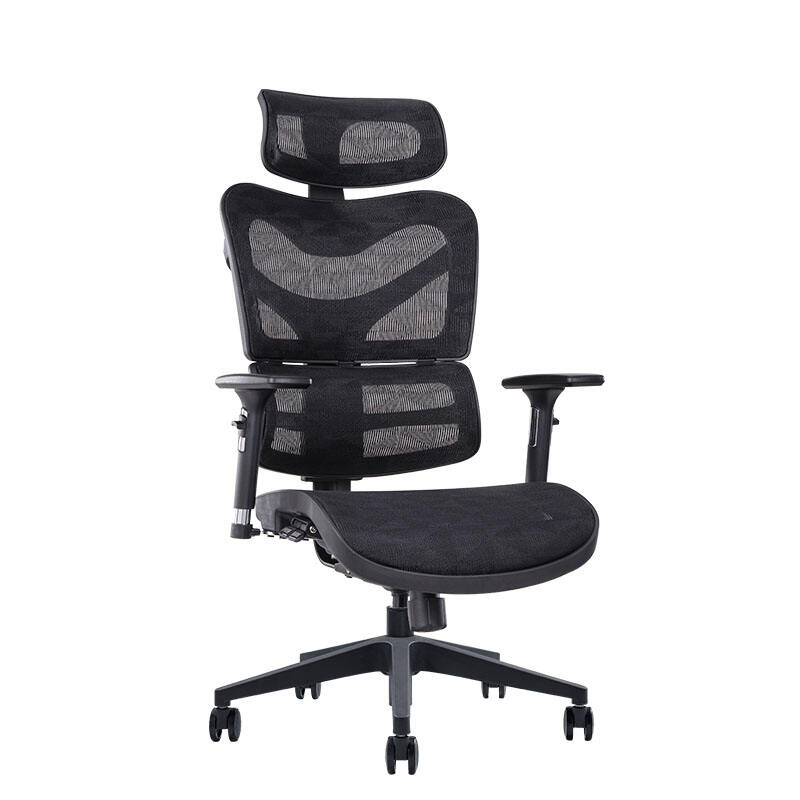
Inzicht in vermoeidheid op de werkvloer en haar gevolgen
Fysieke gevolgen van ongeschikte zitmeubilair
Onvoldoende geschikte werkplekstoelen dragen aanzienlijk bij aan aandoeningen van het bewegingsapparaat die kantoorwerknemers wereldwijd parten spelen. Een slechte houding die urenlang wordt aangehouden, leidt tot compressie van de tussenwervelschijven, spierspanning en verminderde bloedcirculatie. Deze fysieke belastingen hopen zich op gedurende de werkdag, wat resulteert in chronische pijn, stijfheid en verminderde energieniveaus die ook buiten kantoortijden voelbaar zijn.
Onderzoek wijst uit dat werknemers die gebruikmaken van ongeschikte stoelen vaker last hebben van rugpijn, nekklachten en schouderverstijving. De gevolgen hiervan reiken verder: meer ziekteverzuim, lagere kwaliteit van het werk en minder betrokkenheid van medewerkers. Geschikte werkplekstoelen lossen deze problemen op door adequate ondersteuningsstructuren te bieden die de natuurlijke uitlijning van de wervelkolom behouden en een gezonde bloedcirculatie bevorderen.
Cognitieve effecten van fysiek ongemak
Lichamelijk ongemak door onvoldoende zitcomfort heeft direct invloed op cognitieve prestaties en mentale vermoeidheid. Wanneer het lichaam moeite heeft om een comfortabele houding aan te houden, worden mentale middelen afgeleid van productieve taken naar het beheersen van dat ongemak. Deze voortdurende afleiding vermindert de concentratie, verstoort het besluitvormingsvermogen en versnelt de mentale uitputting gedurende de werkdag.
Onderzoeken tonen aan dat werknemers die lichamelijk ongemak ervaren, een kortere aandachtsspanne en verminderde probleemoplossende vaardigheden vertonen. Kwalitatief hoogwaardige werkplekstoelen elimineren deze afleidingen door consistent comfort te bieden, waardoor werknemers zich kunnen blijven concentreren op hun primaire verantwoordelijkheden zonder lichamelijke hinder.
Belangrijke ergonomische kenmerken die vermoeidheid tegengaan
Lendensteunsystemen
Effectieve lumbale ondersteuning vormt een van de meest cruciale elementen in het ontwerp van ergonomische werkstoelen. Een juiste lumbale kromming behoudt de natuurlijke S-vorm van de wervelkolom en voorkomt het onderschouderen dat leidt tot discuscompressie en spiervermoeidheid. Geavanceerde werkstoelen zijn uitgerust met verstelbare lumbale mechanismen die afgestemd kunnen worden op individuele wervelkolomkrommingen en zitvoorkeuren.
De plaatsing en stevigheid van de lumbale ondersteuning beïnvloeden direct hoe het gewicht zich tijdens langdurig zitten over de wervelkolom verspreidt. Goed ontworpen ondersteuningssystemen verminderen de druk op kwetsbare gebieden in de onderrug en stimuleren tegelijkertijd het behoud van een juiste houding. Deze basis voorkomt de cumulatieve vermoeidheidseffecten die beginnen in de onderrug en zich vervolgens door het hele lichaam verspreiden.
Dynamische bewegingsmogelijkheden
Moderne werkplekstoelen benadrukken beweging en instelbaarheid om de statische houding te bestrijden die bijdraagt aan vermoeidheid op de werkvloer. Dynamische zitmechanismen stimuleren subtiele bewegingen gedurende de dag, wat de bloedcirculatie bevordert en spierstijfheid voorkomt. Deze functies omvatten gesynchroniseerd kantelen, aanpassing van de zitdiepte en responsieve achteroverleunfuncties die zich aanpassen aan natuurlijke lichaamsbewegingen.
Werkplekstoelen met bewegingsmogelijkheid verminderen de spierspanning die gepaard gaat met een starre zithouding, terwijl ze tegelijkertijd de noodzakelijke ondersteuning behouden tijdens geconcentreerd werk. Het vermogen om gedurende de dag op natuurlijke wijze van houding te veranderen, voorkomt de opeenhoping van fysieke belasting die leidt tot vermoeidheid en ongemak.
Biomechanische voordelen van kwaliteit Takenstoelen
Drukverdeling en bloedcirculatie
Ergonomisch takenstoelen gebruikt geavanceerde dempmaterialen en een aansluitende vormgeving om het lichaamsgewicht gelijkmatig te verdelen over de zitvlakken. Deze drukverdeling voorkomt geconcentreerde belastingspunten die ontstaan bij standaardzitmeubilair, waardoor gevoelloosheid en ongemak die bijdragen aan vermoeidheid worden verminderd. Een juiste gewichtsverdeling ondersteunt een gezonde bloedcirculatie naar de benen en lagere extremiteiten.
Verbeterde bloedcirculatie, geboden door hoogwaardige zitmeubelontwerpen, zorgt voor duurzame energieniveaus gedurende de werkdag. Wanneer de bloedstroom ongehinderd blijft, bereiken zuurstof en voedingsstoffen de werkende spieren effectiever, waardoor vermoeidheid als gevolg van slechte bloedcirculatie wordt voorkomen. Deze fysiologische ondersteuning vertaalt zich direct in verbeterde uithoudingsvermogen en minder energiedalingen in de namiddag.
Voordelen voor de houding
Het handhaven van een juiste lichaamshouding via ergonomische werkplekstoelen vermindert het energieverbruik dat nodig is voor de stabilisatie van het lichaam. Wanneer de stoel voldoende ondersteuning biedt voor een natuurlijke lichaamshouding, kunnen de spieren van de core ontspannen in plaats van voortdurend actief te moeten zijn om het evenwicht te behouden. Deze energiebesparing draagt aanzienlijk bij aan een lagere algehele vermoeidheid.
Een juiste uitlijning optimaliseert ook de ademhaling en de functie van de organen, wat bijdraagt aan duurzame mentale helderheid en fysieke uithoudingsvermogen. Werkplekstoelen die een juiste houding van hoofd, nek en schouders bevorderen, zorgen voor een volledige benutting van de longcapaciteit en verminderen oppervlakkige ademhaling, die vaak samenhangt met een slechte houding en verhoogde vermoeidheid.
Het selecteren van geschikte oplossingen voor werkplekstoelen
Beoordelingscriteria voor werkplekbehoeften
Een effectieve keuze voor taakstoelen vereist een grondige beoordeling van specifieke eisen van de werkomgeving en van de gebruikers. Factoren zoals duur van het werk, soort taken, demografische kenmerken van de gebruikers en omgevingsomstandigheden beïnvloeden de optimale specificaties voor stoelen. Organisaties moeten deze variabelen in overweging nemen bij het investeren in stoeloplossingen die effectief vermoeidheid tegengaan.
Professionele beoordelingen kunnen de specifieke ergonomische eisen identificeren die taakstoelen moeten vervullen binnen bepaalde werkomgevingen. Deze evaluaties houden rekening met de individuele behoeften van de gebruiker, de configuratie van het werkstation en de operationele vereisten, om ervoor te zorgen dat de geselecteerde stoelen maximaal bijdragen aan vermoeidheidsreductie.
Implementatie- en aanpassingsstrategieën
Een juiste implementatie van ergonomische werkplekstoelen gaat verder dan alleen de keuze van het product en omvat ook gebruikerseducatie en voortdurende aanpassingen. Werknemers moeten worden getraind in optimale zitconfiguraties en aanpasprocedures om de vermoeidheidsverlagende voordelen maximaal te benutten. Regelmatige herbeoordeling zorgt ervoor dat de stoelen blijven voldoen aan veranderende behoeften en hun effectiviteit op lange termijn behouden.
Succesvolle werkplekstoelprogramma's omvatten vervolgevaluaties en aanpassingsdiensten om tegemoet te komen aan veranderende eisen of gebruikersfeedback. Deze integrale aanpak zorgt ervoor dat investeringen in ergonomische stoelen duurzame verbeteringen opleveren op het gebied van werkomgevingscomfort en vermoeidheidsvermindering.
Langetermijngezondheids- en productiviteitsresultaten
Organisatorische voordelen
Organisaties die uitgebreide oplossingen voor taakstoelen implementeren, observeren doorgaans meetbare verbeteringen in de gezondheidsindicatoren en productiviteitsindicatoren van hun medewerkers. Minder arbeidsgerelateerde letsels, lagere zorgkosten en een betere behoudsgraad van medewerkers vormen aanzienlijke rendementen op investeringen in ergonomische stoelen. Deze voordelen nemen in de loop van de tijd toe naarmate medewerkers een betere gezondheid behouden en een hoger engagement tonen.
Kwalitatief hoogwaardige taakstoelen dragen bij aan een verbeterde werkcultuur door de toewijding van de organisatie aan het welzijn van haar medewerkers te demonstreren. Deze investering in het comfort van de werknemers gaat vaak gepaard met verbeterde moraal, hogere productiviteit en sterker medewerkersloyaliteit. De cumulatieve effecten creëren positieve werkomgevingen die duurzame hoge prestaties ondersteunen.
Individuele gezondheidsverbeteringen
Werknemers die geschikte werkplekstoelen gebruiken, ervaren zowel directe verbeteringen in comfort als langetermijngezondheidsvoordelen. Verminderde chronische pijn, verbeterde houdingsgewoontes en lagere vermoeidheidsniveaus dragen bij aan een betere algehele levenskwaliteit. Deze verbeteringen strekken zich vaak uit tot buiten de werktijd en ondersteunen een betere slaapkwaliteit en meer energie voor persoonlijke activiteiten.
Langdurig gebruik van ergonomische werkplekstoelen kan het ontstaan van chronische musculoskeletale aandoeningen voorkomen, die vaak het gevolg zijn van langdurig ongeschikt zitten. Deze preventieve aanpak van gezondheid op de werkvloer ondersteunt een langdurige carrière en duurzame productiviteit gedurende de gehele beroepsloopbaan.
Veelgestelde vragen
Hoe snel kunnen werknemers verwachten dat ze vermindering van vermoeidheid merken door het gebruik van ergonomische werkplekstoelen?
De meeste medewerkers ervaren binnen de eerste week na het gebruik van correct afgestelde ergonomische werkstoelen een verminderde vermoeidheid. Eerste verbeteringen omvatten minder rugpijn, verminderde spierspanning en meer comfort tijdens langdurig zitten. Meer ingrijpende voordelen, zoals verbeterde houdingsgewoontes en verminderde chronische pijn, ontwikkelen zich doorgaans pas na meerdere weken consequent gebruik.
Welke verstelbare functies zijn het belangrijkst om vermoeidheid te verminderen bij werkstoelen?
De meest kritieke verstelbare functies voor vermoeidheidsvermindering zijn de positionering van de lumbale ondersteuning, de optimalisatie van de zithoogte en de configuratie van de armleuningen. Deze primaire aanpassingen zorgen voor een juiste wervelkolomalignering en gewichtsverdeling. Secundaire functies zoals aanpassing van de zitdiepte en kantelmechanismen bieden extra personalisatie voor individueel comfort en bewegingsbehoeften gedurende de werkdag.
Kan een ergonomische werkstoel helpen bij het verminderen van de 'energiecrashes' in de middag die vaak worden ervaren door kantoormedewerkers?
Ja, kwalitatief hoogwaardige taakstoelen verminderen vermoeidheid op het einde van de middag aanzienlijk door een goede bloedcirculatie te behouden en de fysieke belasting te verminderen die zich gedurende de ochtendwerkuren opstapelt. Wanneer het lichaam comfortabel blijft en adequaat ondersteund wordt, blijven de energieniveaus gedurende de dag meer constant. Dit duurzame comfort voorkomt spierspanning en circulatieproblemen die bijdragen aan de energiedaling op het einde van de middag.
Hoe beïnvloedt de kwaliteit van taakstoelen de algehele productiviteit op de werkvloer, buiten individueel comfort om
Kwalitatief hoogwaardige taakstoelen veroorzaken een domino-effect dat de algehele productiviteit op de werkvloer verhoogt, via minder verzuim, lagere zorgkosten en verbeterde werknemersvoldoening. Comfortabele medewerkers tonen een hoger engagementniveau, betere samenwerking en een grotere bereidheid om, indien nodig, langere werktijden in te zetten. Deze collectieve verbeteringen dragen bij aan een verbeterde organisatieprestatie en concurrentievoordelen op de markt.
Inhoudsopgave
- Inzicht in vermoeidheid op de werkvloer en haar gevolgen
- Belangrijke ergonomische kenmerken die vermoeidheid tegengaan
- Biomechanische voordelen van kwaliteit Takenstoelen
- Het selecteren van geschikte oplossingen voor werkplekstoelen
- Langetermijngezondheids- en productiviteitsresultaten
-
Veelgestelde vragen
- Hoe snel kunnen werknemers verwachten dat ze vermindering van vermoeidheid merken door het gebruik van ergonomische werkplekstoelen?
- Welke verstelbare functies zijn het belangrijkst om vermoeidheid te verminderen bij werkstoelen?
- Kan een ergonomische werkstoel helpen bij het verminderen van de 'energiecrashes' in de middag die vaak worden ervaren door kantoormedewerkers?
- Hoe beïnvloedt de kwaliteit van taakstoelen de algehele productiviteit op de werkvloer, buiten individueel comfort om