
 EN
EN

Het creëren van efficiënte opslagoplossingen voor kantoren in beperkte ruimtes vereist strategisch plannen en innovatieve ontwerpaanpakken die elke beschikbare vierkante meter optimaal benutten. Moderne werkplekken staan onder toenemende druk om hun omgeving te optimaliseren, terwijl ze tegelijkertijd de functionaliteit en professionele esthetiek behouden. Inzicht in het benutten van verticale ruimte, multifunctioneel meubilair en slimme organisatiesystemen is cruciaal voor bedrijven die opereren in compacte kantoormilieus. Net zoals een fabriek van kantoorstoelen haar productiehal moet optimaliseren voor maximale efficiëntie, moeten kantoordesigners vergelijkbare principes toepassen bij het plannen van opslagruimte. De sleutel ligt in het identificeren van onbenutte ruimtes en het omzetten daarvan in waardevolle opslagmogelijkheden, zonder afbreuk te doen aan de werkvloei of het comfort van medewerkers.
Verticaal maximaliseren Opslag Potentieel
Muurophangende opbergsystemen
Muurophanging vormt een van de meest effectieve methoden om opslagcapaciteit uit te breiden zonder waardevolle vloerruimte te verbruiken. Deze systemen kunnen diverse kantoorbenodigdheden, documenten en apparatuur herbergen, terwijl ze gemakkelijke toegang bieden voor dagelijkse werkzaamheden. Professionele installatie zorgt voor maximale belastbaarheid en naleving van veiligheidsvoorschriften, wat bijzonder belangrijk is in omgevingen waar zware ringmappen of apparatuur veilig moeten worden bevestigd. De veelzijdigheid van muurophangoplossingen maakt aanpassing mogelijk op basis van specifieke opslagbehoeften en het esthetische karakter van het kantoor.
De strategische plaatsing van wandunit's houdt rekening met werkstroompatronen en de bewegingen van medewerkers door het kantoor. Ruimtes boven werkplekken, gangmuren en rondom vergaderruimtes bieden uitstekende mogelijkheden voor extra opslag zonder in te grijpen op de dagelijkse activiteiten. Kwaliteitsfabrikanten, vergelijkbaar met die in een fabriek voor kantoorstoelen, leggen nadruk op duurzaamheid en designconsistentie bij de productie van wandopslagcomponenten. Goede tussenruimte tussen de units zorgt voor voldoende ventilatie en voorkomt overvolheid, wat het professionele uiterlijk van de werkruimte zou kunnen verstoren.
Plafondhoge opbergoplossingen
Plafondhoge stellingen maximaliseren het gebruik van verticale ruimte en bieden indrukwekkende opslagcapaciteit voor kantoren met hogere plafonds. Deze installaties vereisen zorgvuldige planning om veilige toegang tot de bovenste opslagniveaus te waarborgen via geschikte ladderinstallaties of verstelbare platforms. De onderste planken zijn bedoeld voor regelmatig gebruikte artikelen, terwijl de bovenste niveaus archiefmateriaal, seizoensgebonden benodigdheden of zelden gebruikte hulpmiddelen opbergen. Bij een professioneel ontwerp wordt rekening gehouden met de integratie van verlichting om zichtbaarheid en veiligheid in het gehele verticale opslagsysteem te garanderen.
De implementatie van plafondhoge opslag vereist coördinatie met de gebouwinfrastructuur, inclusief HVAC-systemen, elektrische installaties en brandveiligheidsapparatuur. Gewichtsverdelingsberekeningen garanderen de structurele integriteit en tegelijkertijd naleving van lokale bouwvoorschriften en veiligheidsregelgeving. Veel succesvolle fabrieken voor kantoorstoelen gebruiken vergelijkbare verticale opslagprincipes om grondstoffen, eindproducten en productiebenodigdheden efficiënt te organiseren. De investering in professionele installatie levert op lange termijn rendement op door een grotere opslagcapaciteit en verbeterde organisatorische efficiëntie.
Strategieën voor Integratie van Slimme Meubilair
Meerfunctie Werkstation Ontwerp
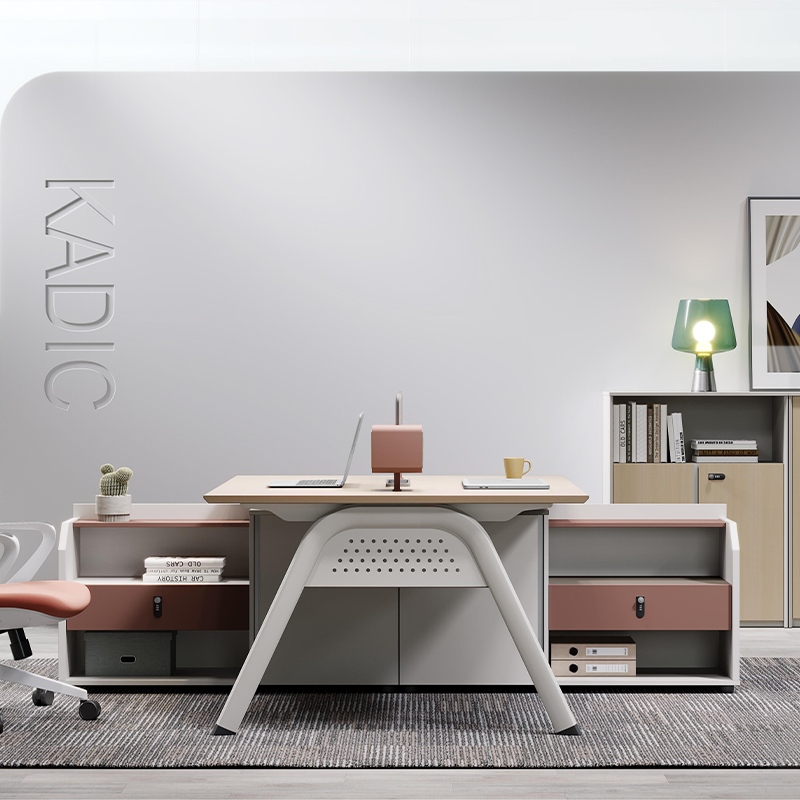
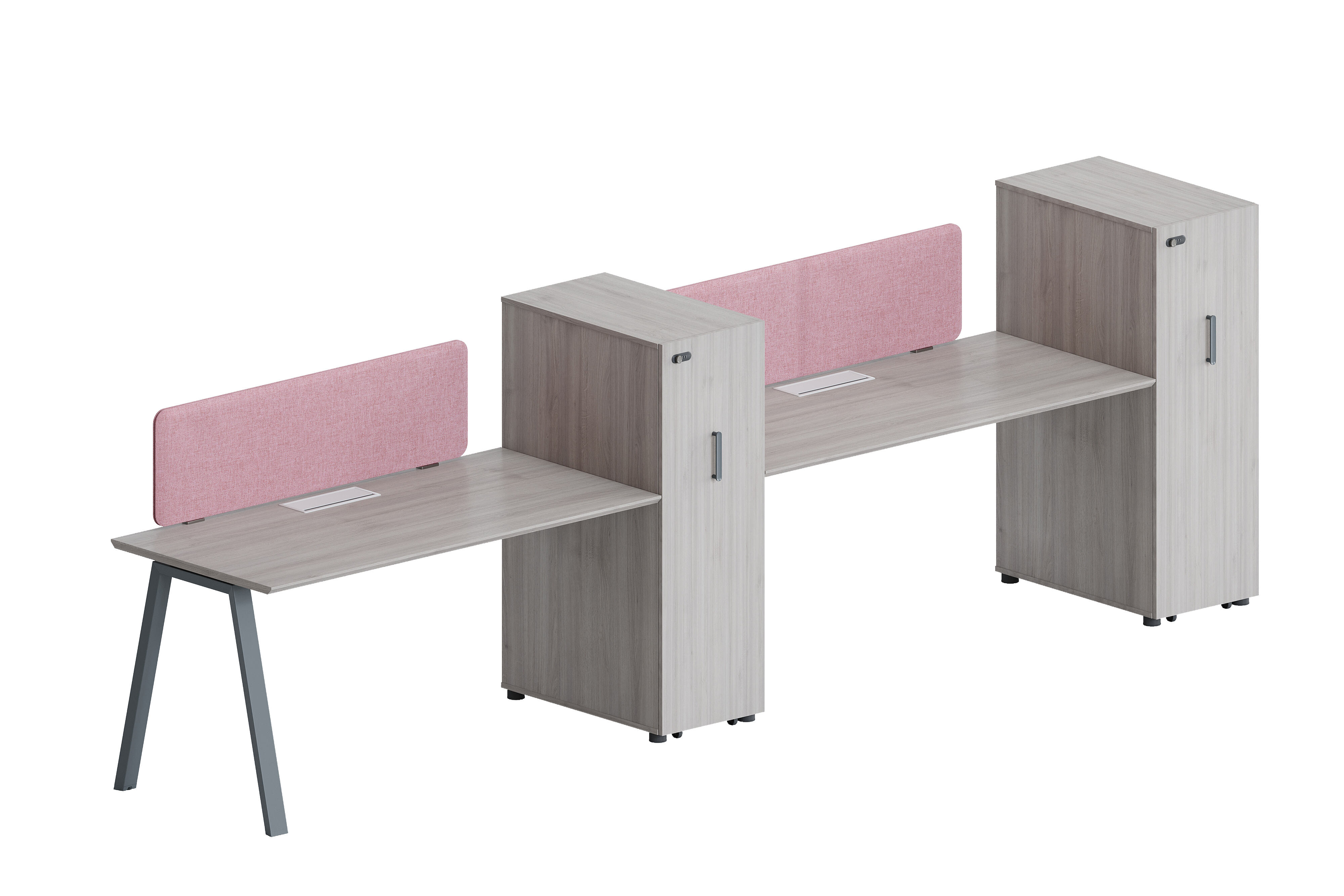
Multifunctionele werkplekken combineren essentiële werkvlakken met geïntegreerde opbergoplossingen om de ruimte-efficiëntie te maximaliseren in compacte kantooromgevingen. Deze ontwerpen integreren laden, kasten en planken rechtstreeks in de bureaustructuren, waardoor afzonderlijke opbergmeubels overbodig worden. Moderne ontwerpen van werkplekken leggen nadruk op ergonomie en bieden tegelijkertijd voldoende opbergruimte voor persoonlijke spullen, kantoorspullen en werkgerelateerde materialen. De integratie van oplaadpunten, kabelbeheersystemen en instelbare onderdelen verhoogt de functionaliteit, terwijl het een strakke esthetiek behoudt.
Aanpassingsmogelijkheden stellen bedrijven in staat om opslagconfiguraties te specificeren die aansluiten bij hun specifieke operationele vereisten en de behoeften van hun medewerkers. Kwalitatief hoogwaardige constructiematerialen garanderen duurzaamheid bij dagelijks gebruik, terwijl het professionele uiterlijk wordt behouden. Productieprocessen, vergelijkbaar met die gebruikt door een fabriek die kantoorstoelen produceert, zorgen voor consistente kwaliteit en betrouwbare prestaties bij meerdere werkplekinstallaties. Investeringen in goed ontworpen multifunctionele werkplekken verlagen de langetermijnkosten voor meubilair en verbeteren tegelijkertijd de efficiëntie van ruimtegebruik.
Opbergpuf en zitoplossingen
Opbergstoeletjes en gespecialiseerde zitmeubels bieden een tweeledige functionaliteit die tegemoetkomt in zowel opbergbehoeften als extra zitplaatsen voor vergaderingen of samenwerkingsessies. Deze mobiele oplossingen voor opslag kunnen indien nodig verspreid worden door kantoorruimtes, wat flexibiliteit biedt in ruimte-inrichting en toegankelijkheid van opslag. Interne compartimenten bieden plaats aan diverse artikelen zoals kantoorspullen, presentatiemateriaal of persoonlijke bezittingen, terwijl het esthetische uiterlijk van hoogwaardige meubelstukken behouden blijft.
Selectiecriteria voor opbergbanken omvatten gewichtscapaciteit, duurzaamheid van scharnieren en sluitmechanismen, en compatibiliteit met bestaande kantoormeubelstijlen. Veel fabrikanten passen vergelijkbare kwaliteitscontrolestandaarden toe als in de productie van kantoorstoelen om betrouwbare prestaties en een lange levensduur te garanderen. De mobiliteit van deze oplossingen voor opslag zorgt voor dynamische kantoordisposities die kunnen worden aangepast aan veranderende bedrijfsbehoeften of speciale evenementen waarvoor extra zitplaatsen nodig zijn.
Implementatie van organisatiesysteem
Digitaal documentatiabeheer
Digitale documentatiesystemen verkleinen de fysieke opslagruimte aanzienlijk, terwijl ze de toegankelijkheid van documenten en beveiligingsmaatregelen verbeteren. Cloudgebaseerde opslagoplossingen maken toegang op afstand mogelijk en behouden georganiseerde bestandsstructuren die traditionele archiveringssystemen weerspiegelen. De implementatie vereist personeelstraining in digitale werkstromen, back-upprocedures en beveiligingsprotocollen om een succesvolle overgang van papieren systemen te waarborgen. De vermindering van fysieke archiefopslag creëert kansen voor alternatief ruimtegebruik of extra opslag voor items die niet kunnen worden gedigitaliseerd.
Scaneerapparatuur en documentbeheersoftware vormen initiële investeringen die op lange termijn ruimte- en efficiëntievoordelen opleveren. Regelmatige back-upprocedures en beveiligingsmaatregelen beschermen waardevolle bedrijfsinformatie en verkleinen het risico op documentverlies of -beschadiging. Progressieve bedrijven, waaronder bedrijven met fabrieken voor kantoorstoelen, nemen steeds vaker digitale systemen in gebruik om hun bedrijfsprocessen te stroomlijnen en de behoefte aan fysieke opslagruimte te verminderen. De milieuvriendelijke voordelen van een lager papierverbruik sluiten aan bij duurzaamheidsinitiatieven van bedrijven en verbeteren tegelijkertijd de algehele operationele efficiëntie.
Modulaire Opslagcomponentensystemen
Modulaire opbergsystemen bieden flexibiliteit en schaalbaarheid die zich aanpassen aan veranderende bedrijfsbehoeften en kantoorindelingen in de loop van de tijd. Deze componenten kunnen worden omgeconfigureerd, uitgebreid of verplaatst naarmate de eisen veranderen, zonder dat daarvoor aanzienlijke extra investeringen in nieuwe oplossingen nodig zijn. Gestandaardiseerde aansluitsystemen zorgen voor compatibiliteit tussen verschillende modules, terwijl tegelijkertijd de structurele integriteit en professionele uitstraling behouden blijven. De mogelijkheid om configuraties aan te passen ondersteunt specifieke opslagbehoeften voor verschillende afdelingen of werkfuncties.
Kwalitatieve modulaire systemen maken gebruik van duurzame materialen en precisiefabricage, vergelijkbaar met de normen die worden gehandhaafd door professionelen kantoorstoel fabriek activiteiten om een lange levensduur en consistente prestaties te waarborgen. Installatieflexibiliteit zorgt voor integratie met bestaande kantoorinfrastructuur en biedt ruimte voor toekomstige uitbreiding of herconfiguratie. De investering in modulaire opslagsystemen levert langdurige waarde op door aanpasbaarheid en lagere vervangingskosten naarmate de bedrijfsbehoeften veranderen.
Ruimteoptimalisatietechnieken
Identificatie van onderbenutte gebieden
Een grondige beoordeling van kantoorruimtes onthult talrijke onderbenutte gebieden die extra opslag kunnen bieden zonder de werksflow of het comfort van medewerkers te verstoren. Ruimtes onder trappen, boven deuren en in nissen van gangen bieden vaak waardevolle opslagmogelijkheden wanneer zij goed worden beoordeeld en ingericht. Hoekgebieden blijven vaak ongebruikt, ondanks hun uitstekende potentie voor maatwerk oplossingen die het hoekoppervlak optimaal benutten. Professionele ruimtelijke planners passen systematische evaluatiemethoden toe om deze mogelijkheden te identificeren en te prioriteren op basis van toegankelijkheid, veiligheid en praktisch nut.
Creatieve oplossingen transformeren onhandige of onregelmatige ruimtes in functionele opbergruimten middels op maat ontworpen onderdelen en installaties. Deze projecten vereisen zorgvuldige meting, planning en vaak maatwerkproductie om een optimale pasvorm en functionaliteit te bereiken. Productienauwkeurigheid, vergelijkbaar met die vereist bij de fabricage van kantoorstoelen, zorgt voor een juiste pasvorm en professionele uitstraling van op maat gemaakte opbergoplossingen. Regelmatige evaluatie van het ruimtegebruik onthult nieuwe mogelijkheden naarmate kantoorindelingen veranderen en zakelijke behoeften zich door de jaren heen ontwikkelen.
Mobiele opbergwagensystemen
Mobiele opbergkarren bieden flexibele oplossingen voor opslag die naar behoefte door het kantoor kunnen worden verplaatst, terwijl ze tegelijkertijd een geordende opbergruimte behouden. Deze systemen ondersteunen diverse kantoerelaties, zoals de distributie van benodigdheden, transport van apparatuur en tijdelijke opslag tijdens herindelingsprojecten. Kwalitatieve zwenkwielsystemen zorgen voor soepele verplaatsing over verschillende vloeren, terwijl ze stabiel blijven wanneer ze stilstaan. Vergrendelingsmechanismen voorkomen ongewenste beweging en bieden beveiliging voor opgeslagen items wanneer dat nodig is.
Verschillende karconfiguraties voldoen aan specifieke opslagbehoeften, waaronder documententransport, voorraadorganisatie en eisen voor mobiliteit van apparatuur. Slijtvaste constructiematerialen zorgen voor betrouwbare prestaties onder dagelijks gebruik, terwijl het professionele uiterlijk behouden blijft. Veel fabrieken van kantoorstoelen gebruiken vergelijkbare mobiele opslagconcepten voor work-in-progress materialen en gereedschapsorganisatie in productieomgevingen. Investering in kwalitatieve mobiele opslagsystemen biedt operationele flexibiliteit en vermindert de noodzaak van permanente opslagopstellingen in dynamische kantoormilieus.
Technologie-integratie voor opslagefficiëntie
Slimme opslagbewakingssystemen
Geavanceerde bewakingstechnologie volgt opslaggebruikspatronen en identificeert optimalisatiemogelijkheden via gegevensverzameling en -analyse. Opslagunits met sensoren verstrekken realtime informatie over capaciteitsgebruik, toegangsfrequentie en voorraadniveaus voor beter resourcebeheer. Koppeling aan facilitymanagementsystemen zorgt voor automatische waarschuwingen bij behoefte aan navulling, onderhoud of beveiligingskwesties. Deze technologische oplossingen ondersteunen op data gebaseerde beslissingen over opslagtoewijzing en ruimte-optimalisatie-initiatieven.
Implementatiekosten voor slimme opslagsystemen leveren rendement op door verbeterd inventarisbeheer, verminderde verspilling en geoptimaliseerd ruimtegebruik op termijn. Professionele installatie zorgt voor een goede integratie met de bestaande kantoor-technologie-infrastructuur en handhaaft de naleving van eisen inzake gegevensbeveiliging. Fabrieksoperaties van toonaangevende bureaustoelproducenten nemen steeds vaker vergelijkbare bewakingstechnologieën over om het beheer van inventaris en productie-efficiëntie te optimaliseren. De inzichten verkregen uit slimme opslagsystemen maken voortdurende verbetering mogelijk in praktijken voor kantoororganisatie en ruimtebeheer.
Geadverteerde opslag en retrievalsysteem
Geautomatiseerde opslagsystemen maximaliseren de opslagdichtheid en minimaliseren tegelijkertijd de benodigde vloerruimte, dankzij verticale carrousels en geautomatiseerde terughaalmechanismen. Deze systemen zijn met name voordelig voor kantoren met behoefte aan opslag van een groot aantal documenten of regelmatig gebruikte voorraadartikelen. Gebruikersvriendelijke interfaces maken snelle locatiebepaling en terughaling mogelijk, zonder handmatig zoeken in traditionele opslagruimtes. Beveiligingsfuncties beperken de toegang tot gevoelige materialen en houden gedetailleerde gebruikslogboeken bij voor audit- en compliancedoeleinden.
Installatie vereist coördinatie met elektrische systemen, structurele overwegingen en opleidingsprogramma's voor personeel om effectief gebruik te waarborgen. Onderhoudscontracten beschermen de investering terwijl zij zorgen voor betrouwbare werking en het minimaliseren van stilstandrisico's. Kwaliteitsnormen vergelijkbaar met die in de productie van kantoorstoelenfabrieken zorgen voor betrouwbare prestaties en een lange levensduur van geautomatiseerde opslaginstallaties. De efficiëntiewinsten van geautomatiseerde systemen rechtvaardigen vaak de initiële investering via arbeidsbesparingen en verbeterde productiviteit gedurende de levenscyclus van het systeem.
Duurzaamheidsoverwegingen bij kantoopslag
Milieu-vriendelijke materiaalkeuze
Duurzame materiaalkeuzes voor opbergoplossingen op kantoor ondersteunen milieubewustzijn, terwijl ze tegelijkertijd voldoen aan eisen voor duurzaamheid en functionaliteit. Materialen met gerecycled inhoud, hernieuwbare bronnen en afwerkingen met lage emissies dragen bij aan een betere binnenluchtkwaliteit en vermindering van milieu-impact. Certificeringsprogramma's begeleiden de selectie van opbergproducten die voldoen aan erkende milieunormen, zonder in te boeten aan prestaties of veiligheidsvereisten. Overwegingen rond langetermijnduurzaamheid zorgen ervoor dat duurzame keuzes blijvende waarde bieden, in plaats van regelmatig vervangen te moeten worden.
Levenscyclusbeoordeling evalueert de milieubelasting van opslagoplossingen vanaf de productie tot aan de verwijdering of recycling aan het einde van de nuttige levensduur. Veel fabrikanten, inclusief bedrijven in de kantoorstoelenfabrieksector, nemen steeds vaker duurzame productiepraktijken en materialen in gebruik om te voldoen aan het groeiende milieubewustzijn onder klanten. Investering in duurzame opslagoplossingen sluit aan bij de milieudoelstellingen van ondernemingen en kan mogelijk leiden tot kwalificatie voor duurzaam bouwen-certificeringen of voordelen bij duurzaamheidsrapportage.
Afvalreductie door betere organisatie
Efficiënt opslagbeheer vermindert afvalproductie door beter inventarisbeheer, minder dubbele aankopen en een verbeterd gebruik van hulpbronnen. Duidelijke zichtbaarheid van opgeslagen artikelen voorkomt onnodige inkoop, terwijl georganiseerde systemen een efficiënt gebruik van beschikbare voorraden mogelijk maken. Digitale inventarisatiesystemen ondersteunen nauwkeurig voorraadbeheer en verminderen overmatige bestellingen die leiden tot afval of verlopen materialen. Juiste opslagomstandigheden verlengen de gebruiksduur van benodigdheden en apparatuur en waarborgen tegelijkertijd de kwaliteitsnormen.
Regelmatige inventarisaties identificeren verouderde of overtollige voorraden die kunnen worden geschonken, gerecycled of verantwoord afgevoerd in plaats van waardevolle opslagruimte in beslag te blijven nemen. Medewerkertraining over correcte opslagpraktijken zorgt voor een consistente toepassing van organisatieprincipes in het kantoor. Fabrieksoperaties van progressieve bureaustoelen passen vergelijkbare principes voor verspillingvermindering toe om materiaalverspilling te minimaliseren en het gebruik van hulpbronnen in hun opslag- en productieprocessen te optimaliseren. Het cumulatieve effect van verbeterde organisatie leidt op termijn tot kostenbesparingen en milieuvorderingen.
Veelgestelde vragen
Wat zijn de meest kosteneffectieve oplossingen voor opslag in kleine kantoren?
De kosteneffectiefste oplossingen voor opslag in kleine kantoren zijn wandrekken, multifunctionele meubelstukken en verticale opbergunits die het ruimtegebruik maximaliseren zonder veel vloeroppervlak te vereisen. Digitale documentbeheersystemen verkleinen de behoefte aan fysieke opslag, terwijl mobiele opbergwagens flexibiliteit bieden tegen redelijke kosten. Veel fabrieksoperaties van kantoorstoelen tonen aan dat investeren in kwalitatieve modulaire systemen op lange termijn meer waarde oplevert dan het aankopen van meerdere afzonderlijke opbergstukken over tijd.
Hoe kunnen kantoren de organisatie handhaven bij beperkte opslagruimte?
Het behoud van organisatie in beperkte opslagruimte vereist systematische etikettering, regelmatige uitdienstruiming en duidelijk gedefinieerde opslagzones voor verschillende soorten materialen. Digitale inventarisatiesystemen volgen opgeslagen items bij en voorkomen overvolle ruimtes, terwijl genormaliseerde opslagcontainers de efficiëntie van de beschikbare ruimte maximaliseren. Succesvolle organisatie hangt af van medewerkertraining en consequente toepassing van vastgestelde opslagprotocollen binnen het kantoor milieu.
Welke oplossingen voor opslag werken het beste voor vaak gebruikte kantoorsupplies?
Vaak gebruikte kantoorsupplies profiteren van ladesystemen, bureaorganisatoren en gemakkelijk bereikbare kastopslag binnen handbereik van de primaire werkplekken. Mobiele supplykarren zorgen voor verspreiding door het kantoor terwijl centrale voorraadbeheersing behouden blijft. Ontwerpers van fabrieken voor hoogwaardige kantoorstoelen passen vergelijkbare principes voor toegankelijkheid toe bij het organiseren van productiematerialen en gereedschappen voor efficiënte productieworkflows.
Hoe moeten kantoren plannen voor toekomstige uitbreiding van opslagcapaciteit?
Het plannen van toekomstige uitbreiding van opslagcapaciteit vereist modulaire systemen die groei ondersteunen, flexibele bevestigingssystemen die aanvullende componenten kunnen dragen, en infrastructuuroverwegingen voor stroom- en netwerkvereisten. Regelmatige beoordelingen van ruimtegebruik maken uitbreidingsmogelijkheden inzichtelijk, terwijl budgetplanning ervoor zorgt dat middelen beschikbaar zijn voor de groei van opslagsystemen naarmate de bedrijfsbehoeften zich in de loop van tijd ontwikkelen.
Inhoudsopgave
- Verticaal maximaliseren Opslag Potentieel
- Strategieën voor Integratie van Slimme Meubilair
- Implementatie van organisatiesysteem
- Ruimteoptimalisatietechnieken
- Technologie-integratie voor opslagefficiëntie
- Duurzaamheidsoverwegingen bij kantoopslag
-
Veelgestelde vragen
- Wat zijn de meest kosteneffectieve oplossingen voor opslag in kleine kantoren?
- Hoe kunnen kantoren de organisatie handhaven bij beperkte opslagruimte?
- Welke oplossingen voor opslag werken het beste voor vaak gebruikte kantoorsupplies?
- Hoe moeten kantoren plannen voor toekomstige uitbreiding van opslagcapaciteit?