
 EN
EN
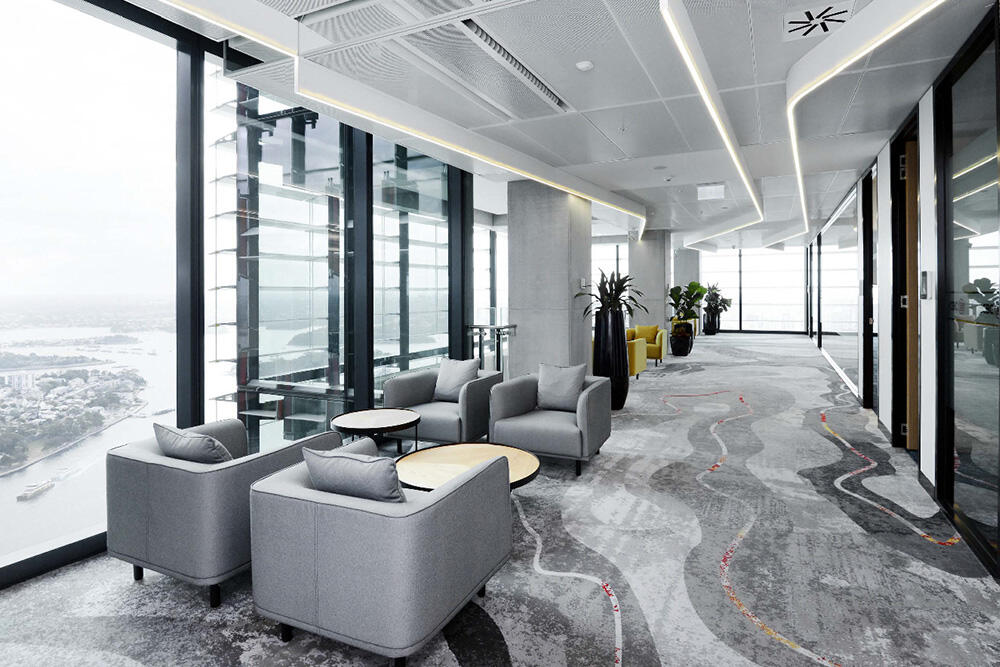
Duze stoły drewniane stanowią centrum wielu biur o dużym natężeniu ruchu, zapewniając zarówno funkcjonalną przestrzeń roboczą, jak i walor estetyczny. Te masywne elementy mebli są stale wykorzystywane w trakcie intensywnych dni pracy, co czyni prawidłową konserwację niezbędną do zachowania ich wyglądu i przedłużenia okresu użytkowania. Zrozumienie unikalnych wyzwań, jakie środowiska o dużym natężeniu ruchu stwarzają dla mebli drewnianych, pozwala na opracowanie skutecznych procedur pielęgnacji chroniących inwestycję i jednoczesnie utrzymujących profesjonalne standardy.
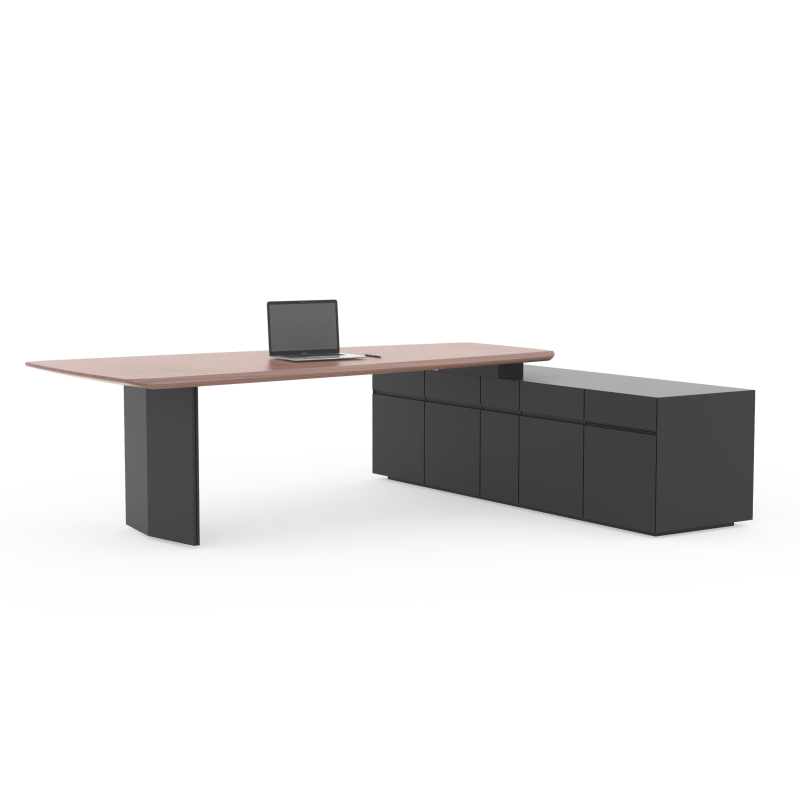
Środowiska biurowe wymagają mebli, które wytrzymują intensywne codzienne użytkowanie, zachowując przy tym profesjonalny wygląd. Drewniane stoły w salach konferencyjnych, przestrzeniach współpracy oraz biurach kierowniczych narażone są na unikalne czynniki stresu, takie jak częste czyszczenie, wahania temperatury oraz stały kontakt z laptopami, dokumentami i napojami. Kluczem do skutecznej konserwacji jest wprowadzenie środków zapobiegawczych eliminujących te zagrożenia jeszcze przed wystąpieniem uszkodzeń, połączone z regularnymi procedurami pielęgnacji, które zachowują naturalną urodę drewna oraz jego integralność strukturalną.
Zrozumienie rodzajów drewna i ich wymagań konserwacyjnych
Charakterystyka drewna twardego w środowisku biurowym
Stoły z drewna twardzielowego dominują w środowiskach zawodowych ze względu na swoją trwałość i wyrafinowany wygląd. Dąb, mahoni, orzech włoski i klon to najpopularniejsze gatunki drewna stosowane w meblach biurowych, a każdy z nich wymaga innego podejścia do konserwacji. Stoły z dębu charakteryzują się wyraźnymi wzorami słoików, które mogą maskować drobne zadrapania, ale wymagają regularnego nawilżania, aby zapobiec wysychaniu i pękaniu. Gęsta struktura dębu czyni go naturalnie odpornym na uszkodzenia mechaniczne, choć pozostaje podatny na plamy po wodzie oraz ślady po gorących napojach lub urządzeniach elektronicznych.
Stoły z mahoniu zapewniają wyjątkową stabilność oraz bogatą barwę, która staje się głębsza z upływem czasu przy odpowiedniej pielęgnacji. Ten rodzaj drewna dobrze reaguje na regularne zabiegi olejenia, które podkreślają jego naturalny połysk i chronią przed wnikaniem wilgoci. Jednak mahoni może blaknąć po narażeniu na bezpośrednie działanie promieni słonecznych, dlatego prawidłowe rozmieszczenie mebli oraz ochrona przed promieniowaniem UV są kluczowymi czynnikami do rozważenia. Regularne usuwanie kurzu oraz natychmiastowe usuwanie rozlanych cieczy zapobiegają głębokiemu wnikaniu substancji, które mogą prowadzić do trwałego przebarwienia lub odkształcenia w intensywnie użytkowanych środowiskach biurowych.
Uwagi dotyczące drewna inżynieryjnego i okleiny
Wiele nowoczesnych biurek biurowych wykorzystuje rdzenie z drewna inżynieryjnego z oklejką z twardego drewna, aby osiągnąć równowagę między opłacalnością a atrakcyjnością estetyczną. Te konstrukcje kompozytowe wymagają zmodyfikowanych metod konserwacji, uwzględniających ich warstwową budowę. Powierzchnie oklejki, choć piękne, są bardziej podatne na uszkodzenia spowodowane nadmierną wilgotnością lub agresywnymi środkami czyszczącymi. Cienka warstwa drewna może się odseparować od podłoża, jeśli woda przedostanie się przez krawędzie lub połączenia, dlatego uszczelnianie krawędzi oraz ostrożne czyszczenie stanowią kluczowe praktyki konserwacyjne.
Zrozumienie konkretnej konstrukcji używanych biurek biurowych pozwala dobrać odpowiednie metody pielęgnacji oraz odpowiednie środki czyszczące. Biurka z drewna inżynieryjnego korzystają z delikatnych metod czyszczenia oraz środków ochronnych wzmacniających połączenie oklejki z podłożem, a nie nasączających powierzchni. Regularna kontrola listew krawędziowych oraz obszarów połączeń pozwala wykryć potencjalne punkty wnikania wilgoci jeszcze przed tym, jak zagrożą one integralności konstrukcyjnej lub wyglądowi biurka.
Podstawowe codzienne praktyki konserwacyjne
Poprawne techniki czyszczenia i dobór środków czyszczących
Skuteczne codzienne czyszczenie stanowi podstawę konserwacji stołów drewnianych w zatłoczonych środowiskach biurowych. Proces czyszczenia rozpoczyna się od całkowitego opróżnienia powierzchni – usuwa się wszystkie przedmioty, w tym urządzenia elektroniczne, dokumenty oraz elementy dekoracyjne. Usuwanie kurzu za pomocą ściereczek mikrofibrowych pozwala na przechwytywanie cząsteczek bez zadrapania powierzchni drewna, a właściwości elektrostatyczne tych ściereczek skutecznie przyciągają i utrzymują brud. Ten wstępny etap zapobiega powstawaniu drobnych zadrapań na powierzchni drewna podczas kolejnych faz czyszczenia.
Wybór produktu ma kluczowe znaczenie dla długotrwałego zdrowia i wyglądu drewna. Komercyjne środki czyszczące do drewna, specjalnie zaprojektowane do mebli biurowych, zapewniają optymalną skuteczność czyszczenia bez zagrożenia integralności powłoki. Unikaj środków czyszczących do użytku domowego zawierających amoniak, chlor lub silne detergenty, które mogą usunąć ochronne powłoki lub spowodować przebarwienia powierzchni drewnianych. Zamiast tego wybierz środki obojętne pod względem pH, które usuwają brud i pozostałości, zachowując naturalny balans wilgotności drewna oraz jego ochronną warstwę.
Reagowanie na rozlane płyny i zapobieganie uszkodzeniom
Natychmiastowe reagowanie na rozlane płyny zapobiega większości uszkodzeń drewna spowodowanych cieczami stoły w biurach o dużym natężeniu ruchu. Kawa, woda i inne napoje mogą w ciągu kilku minut przedostać się do porów drewna, powodując plamy, wyginanie się lub uszkodzenie powłoki, co wymaga profesjonalnej regeneracji. Prawidłowa reakcja polega na natychmiastowym przyciskaniu absorbującymi materiałami, unikając ruchów wycierania, które rozpraszają ciecz po powierzchni. Po usunięciu rozlanej cieczy obszar ten należy dokładnie wysuszyć oraz sprawdzić pod kątem ewentualnych oznak przemoczenia wilgocią lub uszkodzenia powłoki.
Środki zapobiegawcze znacznie zmniejszają uszkodzenia mebli spowodowane wylaniem płynów w środowisku biurowym. Rozdawanie podstawek pod napoje w miejscach spotkań zachęca do prawidłowego umieszczania napojów oraz chroni powierzchnie stołów przed pierścieniami pozostawianymi przez gorące lub wilgotne naczynia. Założenie obrusów lub szklanych blatów zapewnia dodatkową ochronę często używanych stołów konferencyjnych, choć odpowiednia konserwacja tych elementów ochronnych pozostaje nadal kluczowa. Regularna edukacja pracowników na temat prawidłowego użytkowania stołów oraz natychmiastowego zgłaszania wylanych płynów tworzy kulturę dbałości o meble, co znacznie wydłuża ich okres użytkowania.
Tygodniowa i miesięczna intensywna pielęgnacja
Protokoły głębokiego czyszczenia i kondycjonowania
Tygodniowe głębokie czyszczenie usuwa nagromadzoną brud i pozostałości, których codzienne utrzymanie nie jest w stanie całkowicie usunąć. Proces ten rozpoczyna się dokładnym odkurzaniem wszystkich powierzchni stołów, krawędzi oraz konstrukcji nośnych za pomocą ściereczek z mikrofibry i odpowiednich środków do czyszczenia mebli drewnianych. Szczególną uwagę należy zwrócić na obszary wokół elementów metalowych, połączeń oraz szczegółów dekoracyjnych, gdzie często gromadzi się brud. Roztwór czyszczący należy stosować umiarkowanie, aby uniknąć nadmiernego nasycenia powierzchni, zapewniając przy tym pełne pokrycie całej jej powierzchni.
Miesięczne zabiegi pielęgnacyjne przywracają równowagę wilgotności i wzmocniają ochronne powłoki na stołach drewnianych. Wysokiej jakości środki do pielęgnacji drewna przenikają w głąb powierzchni, odżywiając włókna drewna i tworząc barierę ochronną przed przyszłymi uszkodzeniami. Technika nanoszenia polega na pracy zgodnie z poziomem włókien drewna za pomocą czystych, bezwłóknistych ściereczek, zapewniając jednolite pokrycie bez nadmiernego nagromadzania się środka. Należy zapewnić wystarczający czas schnięcia pomiędzy naniesieniem a użytkowaniem – zwykle 24 godziny, aby osiągnąć optymalny efekt pielęgnacyjny oraz utwardzenie powłoki.
Inspekcja i konserwacja elementów metalowych
Regularna inspekcja sprzętu zapobiega przekształcaniu się drobnych usterek w poważne problemy konstrukcyjne. Nogi stołu, uchwyty wsporcze oraz mechanizmy regulacyjne wymagają okresowej kontroli pod kątem luźności, zużycia lub uszkodzeń, które mogą zagrozić stabilności lub bezpieczeństwu. Dokręcanie luźnych elementów złącznych oraz wymiana zużytych komponentów zapewnia integralność konstrukcyjną i zapobiega uszkodzeniom drewnianych elementów spowodowanym naprężeniem. Takie proaktywne podejście ma szczególne znaczenie w przypadku stołów z mechanicznymi funkcjami regulacyjnymi lub rozszerzalnymi, które podczas użytkowania narażone są na dodatkowe obciążenie.
Elementy metalowe wymagają specjalnej uwagi podczas konserwacji, aby zapobiec korozji lub uszkodzeniu powłoki. Czyszczenie elementów metalowych odpowiednimi środkami usuwa ślady palców, oksydację oraz zanieczyszczenia, zachowując przy tym warstwy ochronne. Smarowanie ruchomych części zapewnia ich płynne działanie i zapobiega zużyciu, które mogłoby uszkodzić otaczające powierzchnie drewniane. Regularna konserwacja elementów wyposażenia przedłuża funkcjonalność stołu, a także utrzymuje profesjonalny wygląd niezbędny w środowisku biurowym.
Strategie kontroli i ochrony środowiska
Kontrola temperatury i wilgotności
Warunki środowiskowe znacząco wpływają na stabilność i wygląd drewnianych stołów w biurach. Drewno naturalnie rozszerza się i kurczy się wraz ze zmianami wilgotności, co może prowadzić do pęknięć, wyginania się lub rozłączenia połączeń, jeśli wahania przekroczą dopuszczalne zakresy. Utrzymanie wilgotności powietrza w pomieszczeniach na poziomie 30–50% zapewnia optymalne warunki dla mebli drewnianych oraz wspiera komfort użytkowników. Współpraca systemów wentylacji, ogrzewania i klimatyzacji (HVAC) zapewnia stałe warunki środowiskowe, które chronią inwestycje w meble oraz utrzymują produktywne środowisko pracy.
Regulacja temperatury zapobiega naprężeniom termicznym, które mogą uszkodzić stoły drewniane w dłuższym okresie. Nagłe zmiany temperatury powodują cykle rozszerzania się i kurczenia materiału, co stresuje włókna drewna oraz połączenia, potencjalnie prowadząc do widocznych uszkodzeń lub utraty stabilności konstrukcyjnej. Umieszczanie stołów w odległości od wentylacji grzewczej, okien oraz ścian zewnętrznych minimalizuje narażenie na skrajne warunki temperaturowe. Gdy kontrola środowiska okazuje się trudna, środki ochronne – takie jak osłony okienne lub ogrzewacze pomieszczeń – wspomagają utrzymanie stabilnych warunków wokół wartościowych mebli.
Ochrona przed światłem i zapobieganie uszkodzeniom UV
Promieniowanie ultrafioletowe pochodzące ze źródeł światła naturalnego i sztucznego powoduje stopniowe blaknięcie i pogorszenie wykończenia stołów drewnianych. Okna położone po stronie południowej stwarzają szczególne wyzwania, zapewniając intensywne narażenie na promieniowanie UV, które może znacznie zmienić kolor drewna w czasie. Nakładanie folii okiennej, żaluzji lub kotar zapewnia skuteczną ochronę przed promieniowaniem UV, zachowując przy tym korzyści wynikające z naturalnego oświetlenia. Strategiczne umieszczanie stołu uwzględnia wzorce ekspozycji na światło w ciągu dnia, minimalizując kontakt z bezpośrednim światłem słonecznym w okresach jego największej intensywności.
Systemy oświetlenia sztucznego również przyczyniają się do narażenia na promieniowanie UV, choć zazwyczaj w niższych natężeniach niż bezpośrednie światło słoneczne. Lampy fluorescencyjne emitują promieniowanie UV, które gromadzi się w trakcie długotrwałego narażenia, co czyni środki ochronne uzasadnionymi w przypadku wartościowych stołów drewnianych. Systemy oświetlenia LED wytwarzają minimalną ilość promieniowania UV, zapewniając przy tym wyższą wydajność energetyczną i dłuższą żywotność. Przejście na oprawy LED zmniejsza narażenie na promieniowanie UV oraz zapewnia lepszą jakość oświetlenia, co korzystnie wpływa na produktywność w biurze.
Profesjonalna konserwacja i restaurowanie
Kiedy należy skorzystać z usług profesjonalnych
Profesjonalne usługi konserwacji stają się niezbędne, gdy uszkodzenia przekraczają możliwości rutynowej pielęgnacji lub gdy zabiegi zapobiegawcze wymagają specjalistycznego sprzętu i wiedzy fachowej. Głębokie zadrapania, plamy po wodzie, uszkodzenie powłoki wykończeniowej lub uszkodzenia konstrukcyjne zwykle wymagają oceny i odnowy przez specjalistów. Wczesne zaangażowanie profesjonalistów często zapobiega pogłębianiu się drobnych uszkodzeń i ich przekształcaniu się w bardziej skomplikowane oraz kosztowne naprawy. Nawiązanie współpracy z wykwalifikowanymi specjalistami od restaurowania mebli zapewnia szybką obsługę w przypadku pojawienia się potrzeby konserwacji.
Roczne inspekcje profesjonalne zapewniają ekspertową ocenę stanu stołów oraz potrzeb związanych z ich konserwacją. Doświadczeni technicy wykrywają potencjalne problemy jeszcze przed ich staniem się widoczne lub zagrażaniem funkcjonalności. Profesjonalne usługi czyszczenia i pielęgnacji przywracają stoły do optymalnego stanu, znacznie wydłużając ich okres użytkowania. Usługi te są szczególnie wartościowe w przypadku wysokiej klasy stołów drewnianych, gdzie wygląd i trwałość uzasadniają inwestycję w profesjonalną opiekę.
Analiza kosztów i korzyści profesjonalnej konserwacji
Koszty profesjonalnej konserwacji należy porównać z kosztami zakupu nowych mebli oraz wpływem utraty funkcjonalności mebli na produktywność pracy. Wysokiej jakości stoły drewniane stanowią istotne inwestycje, które wymagają ochronnej konserwacji w celu maksymalizacji zwrotu z inwestycji. Koszty usług profesjonalnych stanowią zazwyczaj jedynie ułamek wydatków związanych z zakupem nowych mebli, jednocześnie wydłużając okres użytkowania mebli o dziesięciolecia. Regularna konserwacja zapobiega nagłym naprawom, które zakłócają pracę biura i wymagają szybkiej obsługi po podwyższonych stawkach.
Planowanie budżetu na konserwację mebli zapewnia wystarczające zasoby zarówno na rutynową konserwację, jak i na nagłe naprawy. Ustalenie rezerw konserwacyjnych w oparciu o wartość mebli oraz intensywność ich użytkowania zapewnia elastyczność finansową w sytuacji, gdy konieczne staje się skorzystanie z usług profesjonalnych. Wiele firm świadczących usługi konserwacyjne oferuje umowy serwisowe, które rozprowadzają koszty w czasie, jednocześnie gwarantując szybką reakcję na potrzeby konserwacyjne. Takie ustalenia często pozwalają na oszczędności w porównaniu do pojedynczych wywołań usługowych, a jednocześnie zapewniają stałą jakość konserwacji.
Typowe Problemy i Ich Rozwiązania
Techniki naprawy uszkodzeń powierzchni
Zarysowania powierzchniowe stanowią najczęściej występujące uszkodzenia stołów drewnianych w środowisku biurowym. Lekkie zarysowania, które dotyczą jedynie warstwy wykończeniowej, często ustępują po delikatnym polerowaniu drobnoziarnistymi materiałami ściernymi lub specjalistycznymi środkami do naprawy zarysowań. Proces naprawy obejmuje staranne oczyszczenie uszkodzonego obszaru, naniesienie środka naprawczego zgodnie z instrukcjami producenta oraz dopasowanie koloru i struktury do otaczającej warstwy wykończeniowej. Wiele cienkich warstw naniesienia daje zwykle lepsze rezultaty niż pojedyncze, grube nałożenie.
Pierścienie po wodzie i ślady po gorącym naczyniu wymagają różnych metod naprawy w zależności od głębokości i wieku uszkodzenia. Świeże ślady często ustępują po natychmiastowym zastosowaniu majonezu, pasty do zębów lub specjalistycznych środków do usuwania pierścieni, które wyciągają wilgoć z porów drewna. Starsze, głębsze ślady mogą wymagać profesjonalnej restauracji, obejmującej usunięcie warstwy wykończeniowej, obróbkę drewna oraz ponowne wykończenie. Zapobieganie poprzez stałe stosowanie podstawek pod naczynia oraz natychmiastowe usuwanie rozlanych płynów eliminuje większość problemów związanych z pierścieniami i śladami w środowisku biurowym.
Problemy konstrukcyjne i zagrożenia dla bezpieczeństwa
Stoły drżące lub niestabilne stwarzają zagrożenia dla bezpieczeństwa, które wymagają natychmiastowej uwagi w środowisku biurowym. Luźne połączenia, uszkodzone nogi lub zużyte podkładki wyrównawcze są najczęstszymi przyczynami problemów ze stabilnością, które nasilają się wraz z dalszym użytkowaniem. Tymczasowymi rozwiązaniami mogą być np. podkładanie wkładek lub przemieszczanie obciążenia, ale trwałe naprawy eliminują przyczyny pierwotne poprzez wzmocnienie połączeń, wymianę elementów mocujących lub profesjonalną renowację. Ze względów bezpieczeństwa niestabilne stoły należy wycofać z eksploatacji do momentu wykonania odpowiednich napraw zapewniających bezpieczne użytkowanie.
Oddzielenie połączenia stanowi poważny problem konstrukcyjny wymagający profesjonalnej oceny i naprawy. Problem ten wynika zazwyczaj z naprężeń środowiskowych, przeciążenia lub normalnego zużycia w zastosowaniach o dużym natężeniu ruchu. Tymczasowe podparcie może zapobiec dalszemu uszkodzeniu w czasie przygotowywania się do właściwej naprawy. Profesjonalna renowacja obejmuje zazwyczaj rozmontowanie połączenia, jego wyczyszczenie, ponowne sklejenie nowoczesnymi klejami oraz dociskanie za pomocą imadła aż do pełnego utwardzenia kleju. Tak wykonane naprawy często przewyższają pierwotną wytrzymałość i trwałość połączenia.
Strategie długoterminowego zachowania
Ochrona inwestycji dzięki profilaktycznej pielęgnacji
Długotrwała ochrona mebli wymaga systemowych podejść, które uwzględniają wszystkie czynniki wpływające na trwałość stołów drewnianych. Programy zapobiegawczej pielęgnacji łączą codzienne procedury konserwacyjne z okresowymi intensywnymi zabiegami, aby utrzymać optymalny stan mebli przez cały czas ich użytkowania. Dokumentowanie działań konserwacyjnych pozwala śledzić spójność pielęgnacji oraz identyfikować wzorce, które mogą wskazywać na pojawiające się problemy lub napięcia środowiskowe wymagające interwencji.
Akcesoria ochronne znacznie wydłużają żywotność stołu, zachowując przy tym profesjonalny wygląd. Szklane blaty, podkładki pod stoły lub folie ochronne chronią powierzchnie drewniane przed codziennym zużyciem, pozwalając jednocześnie na pokazanie naturalnej urody faktury drewna. Te elementy ochronne wymagają własnych procedur konserwacyjnych, ale znacznie zmniejszają bezpośrednie zużycie powierzchni drewnianych. Dobór akcesoriów ochronnych uwzględnia zarówno wymagania funkcjonalne, jak i zgodność estetyczną z istniejącą dekoracją biurową.
Planowanie wymiany i zarządzanie cyklem życia
Nawet dobrze utrzymywane stoły drewniane w końcu osiągają koniec swojego praktycznego okresu użytkowania z powodu nagromadzonego zużycia, zmieniających się potrzeb lub rozważań stylistycznych. Planowanie cyklu życia przewiduje potrzebę wymiany, maksymalizując jednocześnie wartość inwestycji w istniejące meble. Regularne oceny stanu pozwalają podejmować decyzje dotyczące terminu wymiany, uwzględniając bilans kosztów dalszego utrzymania oraz korzyści wynikających z wymiany. Strategiczne planowanie wymiany umożliwia przydział środków budżetowych oraz procesy doboru zapewniające płynne przejścia.
Zrównoważone opcje utylizacji lub ponownego wykorzystania zapewniają środowiskowo odpowiedzialne zakończenie cyklu życia drewnianych biurek biurowych. Wiele przedmiotów mebli drewnianych zachowuje swoją wartość przy zastosowaniu alternatywnym, nawet gdy przestają być nadawać się do podstawowego użytku biurowego. Przekazanie ich w darze szkołom, organizacjom społecznym lub programom recyklingu wydłuża okres użytkowania mebli, jednocześnie wspierając potrzeby społeczności. Profesjonalne rozbiórki oraz programy odzysku materiałów pozwalają na wykorzystanie wartościowych elementów z wysokiej jakości drewna w produkcji nowych mebli lub zastosowaniach architektonicznych.
Często zadawane pytania
Jak często należy przeprowadzać głęboką czystkę drewnianych stołów w biurach o dużym natężeniu ruchu?
Częstotliwość głębokiego czyszczenia zależy od intensywności użytkowania oraz czynników środowiskowych, jednak tygodniowe głębokie czyszczenie zwykle zapewnia optymalny wygląd i ochronę stołów drewnianych w zatłoczonych środowiskach biurowych. Stoły konferencyjne oraz powierzchnie stref współpracy mogą wymagać częstszej pielęgnacji ze względu na intensywniejsze użytkowanie. Miesięczne zabiegi kondycjonujące zapewniają odpowiednią równowagę wilgotności oraz ochronę powłoki w większości zastosowań, choć w warunkach wyjątkowo suchego środowiska może być konieczne zwiększenie częstotliwości kondycjonowania.
Jakich środków czyszczących należy unikać podczas pielęgnacji drewnianych stołów biurowych
Unikaj środków czyszczących zawierających amoniak, wybielacz, ocet lub silne detergenty, które mogą uszkodzić powłoki drewniane lub spowodować przebarwienia naturalnego drewna. Środki ścierne, gąbki stalowe lub szorstkie gąbki do mycia powodują rysy na powierzchni, które gromadzą się z czasem i pogarszają wygląd mebli. Środki do czyszczenia szyb, środki dezynfekcyjne oraz uniwersalne środki czyszczące do użytku domowego często zawierają substancje chemiczne niezgodne z powłokami drewnianymi. Zamiast tego stosuj pH-neutralne środki czyszczące do drewna, specjalnie opracowane do użytku na meblach biurowych, aby zapewnić bezpieczne i skuteczne czyszczenie bez ryzyka uszkodzenia.
Jak mogę zapobiec uszkodzeniom drewnianych stołów konferencyjnych spowodowanym wodą podczas spotkań?
Wdrożyć kompleksowe środki zapobiegawcze przed wylaniem, w tym rozdawanie podstawek pod napoje przy każdym miejscu siedzącym oraz protokoły natychmiastowej reakcji na wylania. Przeprowadzić szkolenie personelu w zakresie natychmiastowego zgłaszania wylań oraz zapewnienia niezbędnych materiałów do czyszczenia w przestrzeniach spotkań. Rozważyć zastosowanie ochronnych podkładów pod stoły lub szklanych nakładek na często używane stoły konferencyjne, na których serwowane są napoje. Ustalić zasady dotyczące spożywania posiłków i napojów w przestrzeniach spotkań, aby zminimalizować ryzyko zanieczyszczenia, zachowując przy tym profesjonalne standardy gościnności.
Kiedy należy rozważyć profesjonalną regenerację zamiast kontynuowania rutynowej konserwacji?
Profesjonalna restauracja staje się konieczna, gdy uszkodzenia przekraczają możliwości rutynowej konserwacji lub gdy nagromadzony zużycie znacząco wpływa na wygląd lub funkcjonalność. Głębokie zadrapania, uszkodzenie powłoki ochronnej, niestabilność konstrukcyjna lub rozległe uszkodzenia spowodowane wodą zwykle wymagają profesjonalnej oceny i leczenia. Jeśli rutynowa konserwacja nie pozwala już utrzymać akceptowalnych standardów wyglądu lub jeśli pojawiają się zagrożenia dla bezpieczeństwa, interwencja specjalisty zapewnia prawidłowy remont oraz dalsze bezpieczne użytkowanie. Roczne profesjonalne inspekcje pomagają zidentyfikować potrzeby konserwacyjne jeszcze przed ich eskalacją do sytuacji awaryjnych wymagających kosztownych, pilnych usług.
Spis treści
- Zrozumienie rodzajów drewna i ich wymagań konserwacyjnych
- Podstawowe codzienne praktyki konserwacyjne
- Tygodniowa i miesięczna intensywna pielęgnacja
- Strategie kontroli i ochrony środowiska
- Profesjonalna konserwacja i restaurowanie
- Typowe Problemy i Ich Rozwiązania
- Strategie długoterminowego zachowania
-
Często zadawane pytania
- Jak często należy przeprowadzać głęboką czystkę drewnianych stołów w biurach o dużym natężeniu ruchu?
- Jakich środków czyszczących należy unikać podczas pielęgnacji drewnianych stołów biurowych
- Jak mogę zapobiec uszkodzeniom drewnianych stołów konferencyjnych spowodowanym wodą podczas spotkań?
- Kiedy należy rozważyć profesjonalną regenerację zamiast kontynuowania rutynowej konserwacji?