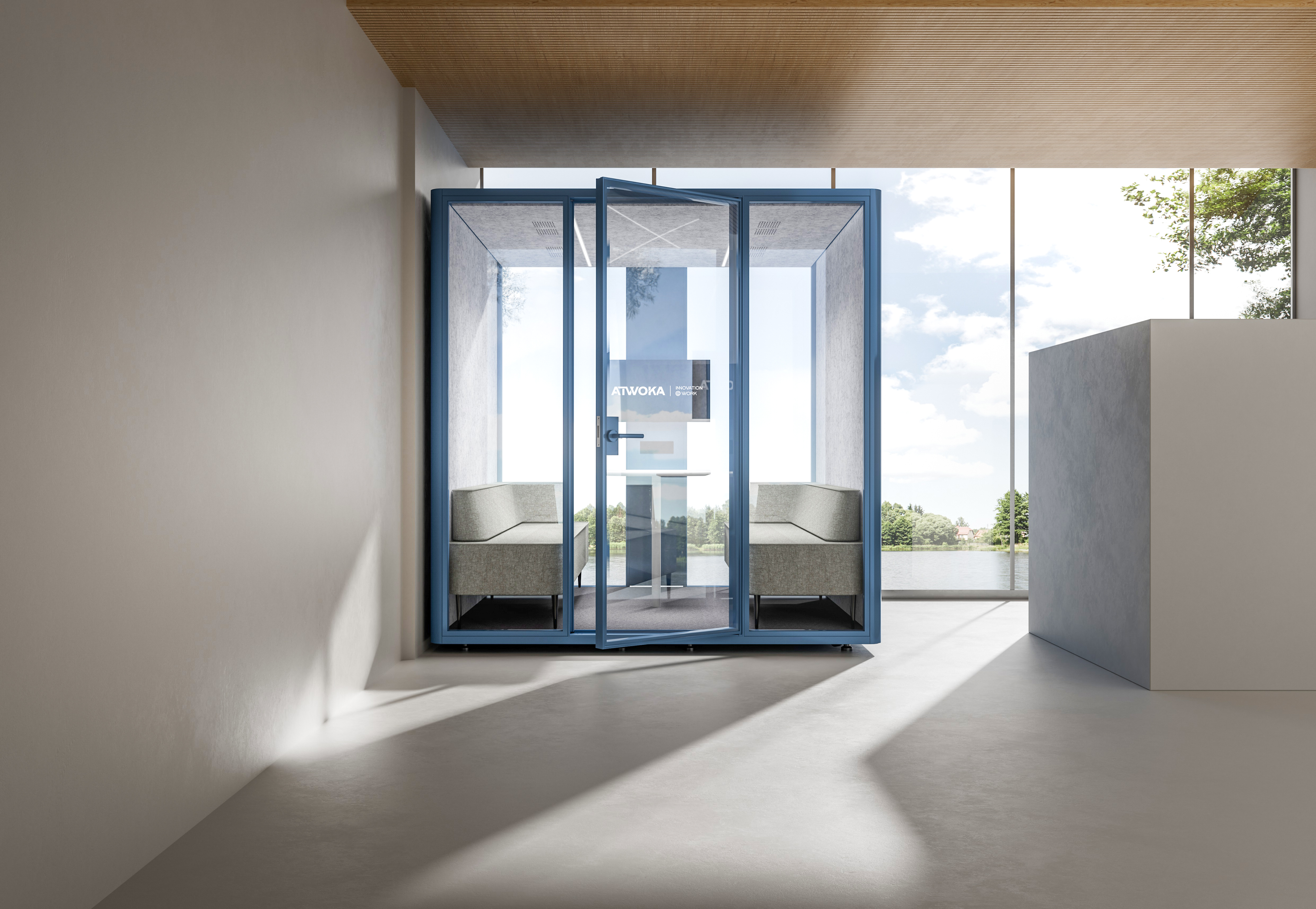
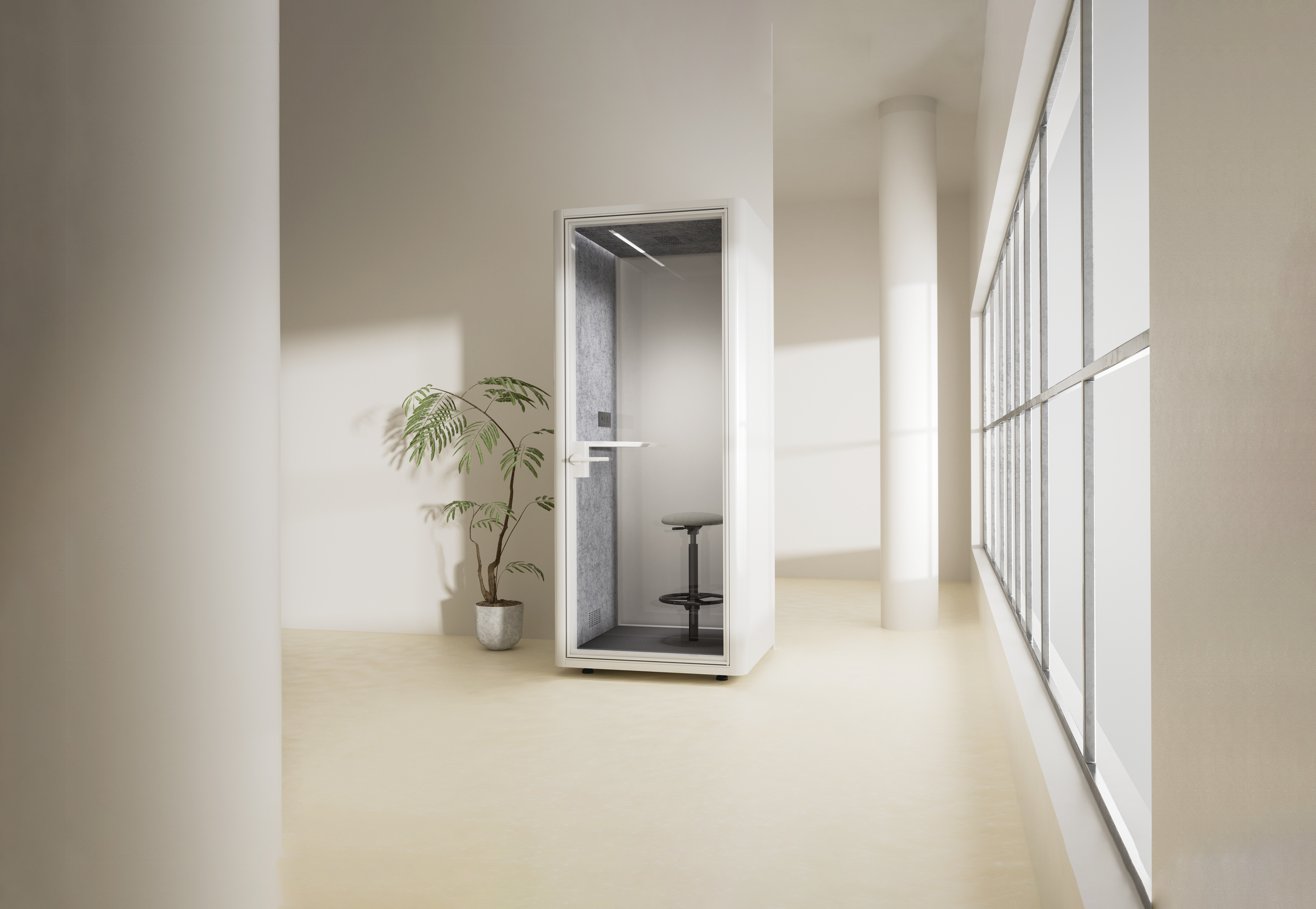
Flexibilitate modulară și capacități de implementare rapidă
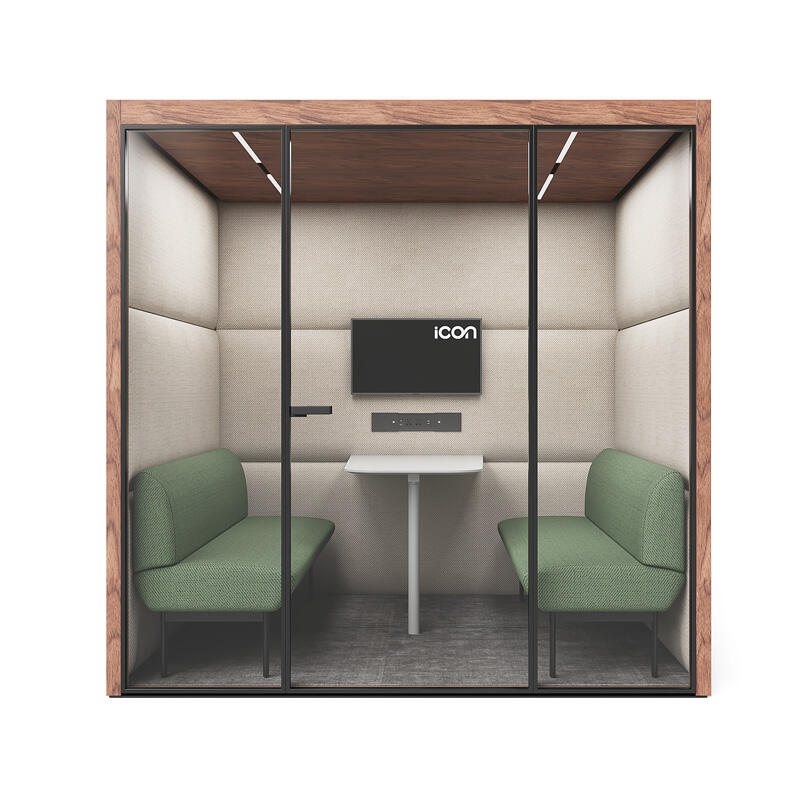
Designul modular al cabinelor pentru spații de birouri reprezintă o schimbare de paradigmă în planificarea locurilor de muncă, oferind o flexibilitate fără precedent care permite organizațiilor să își adapteze mediul fizic la nevoile comerciale în continuă schimbare, fără constrângerile și costurile asociate proiectelor tradiționale de construcții. Aceste cabine sunt concepute ca unități complet autonome care pot fi asamblate, dezmembrate și reconfigurate în câteva ore, nu săptămâni, oferind companiilor soluții spațiale dinamice care evoluează odată cu cerințele lor operaționale. Construcția modulară elimină necesitatea modificărilor arhitecturale permanente, făcând din cabinele de birou ideale pentru spațiile închiriate unde modificările structurale sunt interzise sau nerentabile financiar. Fiecare componentă a cabinei este fabricată cu precizie pentru a garanta o integrare perfectă și o calitate constantă, indiferent de locația sau configurația instalației. Sistemul poate fi adaptat la diverse constrângeri spațiale, permițând instalarea în planuri neregulate, locații temporare sau spații cu caracteristici arhitecturale unice. Această flexibilitate permite organizațiilor să-și maximizeze utilizarea imobiliară, păstrând în același timp posibilitatea de a reloca sau reconfigura spațiul de lucru pe măsură ce se schimbă circumstanțele. Capacitatea de implementare rapidă a cabinelor de birou răspunde nevoilor urgente ale afacerii, cum ar fi tranziția de urgență la munca la distanță, extinderi bruște ale echipei sau cerințe spațiale legate de proiecte. Spre deosebire de proiectele tradiționale de construcții, care necesită planificare amplă, autorizații și termene de instalare de mai multe săptămâni, aceste cabine pot fi comandate, livrate și puse în funcțiune în câteva zile. Această capacitate de răspuns rapid oferă avantaje competitive semnificative pentru companiile care activează în industrii rapide, unde adaptarea rapidă la schimbările de piață este esențială pentru succes. Caracterul modular susține, de asemenea, strategii de implementare etapizate, permițând organizațiilor să testeze și să-și refineze conceptele de spațiu de lucru înainte de a face investiții mai mari. Companiile pot începe cu instalații pilot pentru a colecta feedback-ul angajaților, a măsura impactul asupra productivității și a optimiza configurațiile înainte de extinderea la implementări la scară largă. Această abordare minimizează riscul financiar, asigurând în același timp că designul final al spațiului de lucru răspunde într-adevăr nevoilor utilizatorilor și obiectivelor organizației.

 EN
EN