
 EN
EN
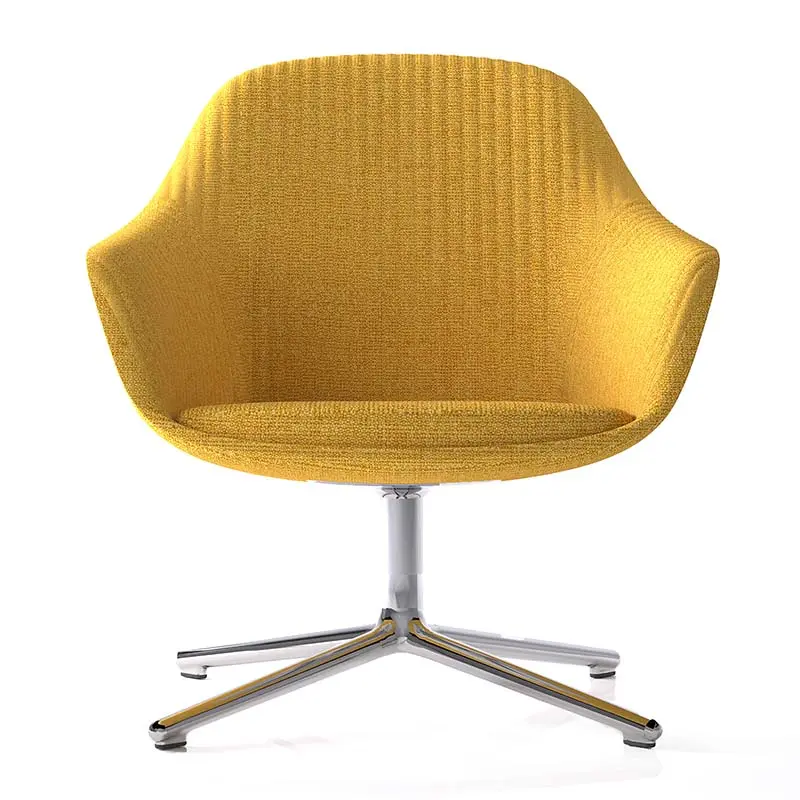
Selectarea materialelor potrivite pentru zonele de lounge cu trafic intens necesită o analiză atentă a durabilității, confortului și atracției estetice. Spațiile comerciale, cum ar fi birourile, hotelurile, aeroporturile și holurile corporative, sunt supuse unei utilizări continue, ceea ce face ca alegerea materialului să fie esențială pentru menținerea atât a funcționalității, cât și a impactului vizual. Decizia influențează direct costurile de întreținere, frecvența înlocuirii și satisfacția generală a utilizatorilor în aceste medii solicitante.
Proiectanții profesioniști de interior și managerii de facilități înțeleg că mobilierul moale din zonele cu trafic intens trebuie să reziste la mii de interacțiuni zilnice, păstrând în același timp aspectul și integritatea structurală. Procesul de selecție a materialului implică evaluarea mai multor factori de performanță, inclusiv rezistența la uzură, rezistența la pete, proprietățile ignifuge și ușurința curățării. Aceste considerente devin și mai cruciale atunci când se proiectează spații destinate unor grupuri diverse de utilizatori pe parcursul unor ore extinse de funcționare.
Înțelegerea standardelor de performanță ale materialelor textile
Cerințe privind rezistența la abraziune
Rezistența la abraziune măsoară capacitatea unui material textil de a rezista uzurii cauzate de frecare și de contactul repetat. Pentru materialele textile destinate mobilierului moale comercial, materialele trebuie să îndeplinească sau să depășească 100.000 de frecări duble conform metodei de testare Wyzenbeek, în timp ce aplicațiile de înaltă rezistență pot necesita valori până la 200.000 de frecări duble. Acest standard de testare simulează ani întregi de utilizare în intervale de timp comprimate, oferind indicatori fiabili privind performanța pe termen lung.
Fibrele naturale, cum ar fi bumbacul și inul, oferă în mod obișnuit o rezistență mai scăzută la abraziune comparativ cu alternativele sintetice, făcându-le mai puțin potrivite pentru aplicații comerciale intensive. Totuși, materialele textile compozite, care combină confortul fibrelor naturale cu durabilitatea celor sintetice, oferă adesea soluții optime pentru mobilierul moale din medii cu trafic moderat sau ridicat. Înțelegerea acestor parametri de performanță ajută managerii de facilități să ia decizii informate, care echilibrează costurile inițiale cu valoarea pe termen lung.
Rezistență la pete și murdărie
Mediile comerciale expun scaunele moi la diverse contaminanți, inclusiv vărsături de alimente, băuturi, uleiuri provenite de la contactul cu pielea și poluanți ambientali. Textilele cu rezistență intrinsecă la pete sau cu tratamente protectoare aplicate reduc în mod semnificativ necesarul de întreținere și prelungesc durata de funcționare. Fibrele sintetice colorate în masă oferă proprietăți superioare de rezistență la decolorare, împiedicând pătrunderea petelor în profunzimea structurii fibrelor.
Tehnologiile avansate ale textilelor includ acum tratamente care creează bariere moleculare împotriva pătrunderii lichidelor, menținând în același timp permeabilitatea la aer și confortul tactil. Aceste inovații permit scaunelor moi să-și păstreze un aspect profesional chiar și în condiții de utilizare intensivă. Managerii de facilități ar trebui să acorde prioritate textilelor cu o istoric dovedit de performanță în aplicații similare atunci când specifică materialele pentru instalații de lounge cu trafic ridicat.
Tipuri optime de textile pentru aplicații comerciale
Opțiuni sintetice de înaltă performanță
Textilele din poliester și nailon domină aplicațiile comerciale pentru locuri de așezare moi datorită durabilității excepționale și versatilității lor. Acrilicul colorat în masă oferă o rezistență remarcabilă la decolorare și o toleranță excelentă la condițiile meteo, făcându-l potrivit atât pentru aplicații interioare, cât și pentru cele exterioare acoperite. Aceste materiale sintetice pot fi proiectate pentru a oferi caracteristici specifice de performanță, păstrând în același timp atracția estetică prin tehnici avansate de țesere și finisare.
Tehnologiile cu microfibră au revoluționat tapetarea comercială, oferind experiențe tactili de lux împreună cu performanță de nivel industrial. Aceste fibre sintetice ultrafine creează suprafețe dense și netede care rezistă formării de boboci, mențin o aspect uniform și se curăță ușor prin procedurile standard de întreținere. Combinarea confortului și durabilității face ca materialele sintetice din microfibră să devină din ce în ce mai populare pentru scaunari moale mediile comerciale solicitante.
Considerente legate de fibrele naturale
Deși materialele sintetice domină aplicațiile de înaltă performanță, fibrele naturale își păstrează relevanța în anumite contexte comerciale specifice, unde sustenabilitatea, permeabilitatea sau preferințele estetice au prioritate. Lâna oferă o rezistență naturală la foc și o reziliență excepțională, făcând-o potrivită pentru elementele de așezare moale din medii în care aceste proprietăți aduc avantaje operaționale. Amestecurile de cânepă și in pot oferi opțiuni durabile cu capacități de performanță moderate, destinate aplicațiilor cu trafic mai scăzut.
Selectarea fibrelor naturale necesită o evaluare atentă a compromisurilor dintre beneficiile ecologice și limitările de performanță. Aceste materiale necesită adesea întreținere și înlocuire mai frecventă, ceea ce poate compensa avantajele inițiale legate de sustenabilitate prin consumul crescut de resurse pe termen lung. Managerii de facilități trebuie să evalueze acești factori în raport cu obiectivele organizației privind sustenabilitatea și cu constrângerile bugetare, atunci când specifică elementele de așezare moale pentru instalațiile comerciale.
Considerații privind întreținerea și curățarea
Protocoluri de curățare și întreținere
Protocoalele eficiente de întreținere influențează direct durata de viață și aspectul scaunelor tapitate în medii cu trafic intens. Materialele textile trebuie să permită atât procedurile rutiniere de curățare, cât și procesele intensive de restaurare, fără a se degrada sau a-și pierde culoarea. Compatibilitatea cu curățarea profesională asigură faptul că curățarea profundă periodică poate restabili aspectul și standardele de igienă, fără a compromite integritatea sau caracteristicile de performanță ale materialului textil.
Materialele textile comerciale moderne includ adesea tratamente antimicrobiene care rezistă dezvoltării bacteriilor și fungilor, reducând apariția mirosurilor și sprijinind un mediu interior mai sănătos. Aceste tratamente se dovedesc deosebit de valoroase în aplicațiile de scaune tapitate, unde suprafețele textile sunt supuse contactului direct cu omul pe perioade îndelungate. Administratorii de facilități trebuie să verifice durabilitatea tratamentelor și necesitatea reînnoirii acestora la evaluarea opțiunilor de materiale textile pentru instalațiile comerciale.
Strategii de întreținere cost-efficiente
Elaborarea unor strategii cuprinzătoare de întreținere contribuie la maximizarea duratei de viață și a performanței instalațiilor cu scaune moi. Aspirarea regulată elimină deșeurile de pe suprafață înainte ca acestea să pătrundă în structura textilă, iar curățarea imediată a petelor previne fixarea definitivă a acestora. Stabilirea unor protocoale clare privind instruirea personalului și programarea activităților de întreținere asigură o calitate constantă a îngrijirii tuturor elementelor de scaune moi.
Abordările de întreținere preventivă se dovedesc adesea mai eficiente din punct de vedere financiar decât strategiile reactive de înlocuire. Materialele textile de calitate, dotate cu clase de performanță adecvate, pot menține un aspect acceptabil timp de ani de zile, atunci când sunt susținute de protocoale corespunzătoare de îngrijire. Această abordare permite organizațiilor să amortizeze costurile investiției inițiale, menținând în același timp standarde profesionale de mediu pe întreaga perioadă extinsă de funcționare.
Integrarea în proiectare și factorii estetici
Selectarea culorilor și a desenelor
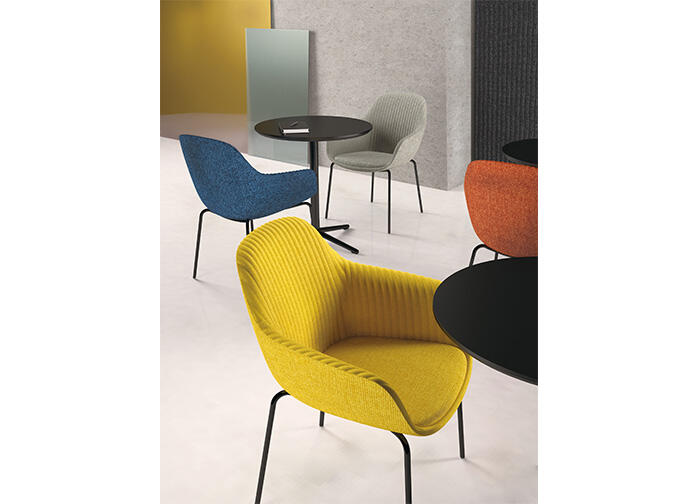
Alegerile de culoare influențează în mod semnificativ atât atractivitatea estetică, cât și cerințele practice de întreținere pentru mobilierul moale din mediile comerciale. Culorile mai închise și modelele complexe camuflează eficient murdăria ușoară și urmele de uzură, prelungind astfel durata de viață aparentă a instalațiilor. Totuși, aceste alegeri de design trebuie să echilibreze beneficiile de camuflaj cu obiectivele generale de design și cu cerințele de reprezentare a brandului.
Tehnologiile moderne de imprimare pe textile permit realizarea de modele și desene complexe care păstrează standardele de performanță comercială, oferind în același timp un impact estetic distinct. Imprimarea digitală permite crearea de desene personalizate, care pot integra elemente de branding corporat sau teme arhitectonice, respectând în același timp cerințele de durabilitate. Aceste capacități extind posibilitățile de design pentru mobilierul moale, fără a compromite performanța funcțională în aplicațiile cu trafic intens.
Textură și confort tactil
Textura suprafeței influențează atât confortul utilizatorului, cât și cerințele de întreținere pentru instalațiile de scaune moi. Texturile netede se curăță, în general, mai ușor, dar pot evidenția mai rapid urmele de uzură decât alternativele texturate. Texturile subtile pot oferi interes vizual, în același timp ascunzând imperfecțiunile minore și creând suprafețe mai indulgente pentru aplicații comerciale intensive.
Tehnologiile avansate de fibre permit crearea unor texte complexe de suprafață care îmbunătățesc confortul tactil, păstrând în același timp caracteristicile de curățare ușoară. Aceste inovații permit proiectanților să specifice scaune moi care oferă experiențe premium de confort, fără a sacrifica cerințele practice de performanță. Combinarea rafinamentului estetic cu durabilitatea funcțională răspunde cerințelor riguroase ale mediilor comerciale moderne.
Factori de mediu și sustenabilitate
Opțiuni de materiale durabile
Creșterea conștientizării ecologice stimulează cererea sporită de opțiuni durabile pentru materiale textile în aplicațiile comerciale de mobilier moale. Materialele textile din poliester reciclat, obținute din sticle de plastic folosite, oferă beneficii ecologice, păstrând în același timp caracteristicile de performanță necesare pentru aplicații cu trafic intens. Aceste materiale demonstrează că sustenabilitatea și durabilitatea pot coexista în specificațiile de tapetare comercială.
Fibrele sintetice de origine biologică reprezintă tehnologii emergente care ar putea transforma piețele comerciale de materiale textile. Aceste materiale combină originile din resurse regenerabile cu caracteristici de performanță inginerite, oferind potențial un profil ecologic superior, fără a compromite cerințele de durabilitate ale mobilierului moale. Primii adoptatori pot obține avantaje competitive, sprijinind în același timp dezvoltarea pieței pentru aceste materiale inovatoare.
Evaluarea Impactului pe Ciclul de Viață
O evaluare ambientală cuprinzătoare necesită luarea în considerare a întregului ciclu de viață al produsului, inclusiv fazele de fabricație, transport, utilizare și eliminare. Materialele textile durabile, care prelungesc durata de funcționare, pot oferi profiluri ambientale superioare, chiar dacă implică cerințe inițiale mai mari de resurse. Această perspectivă încurajează selectarea materialelor de înaltă performanță care minimizează impactul ambiental total prin perioade prelungite de utilizare.
Considerentele legate de sfârșitul vieții produsului devin din ce în ce mai importante pe măsură ce organizațiile își dezvoltă strategii cuprinzătoare de sustenabilitate. Materialele textile concepute pentru reciclare sau biodegradare sprijină principiile economiei circulare, în timp ce satisfac în același timp cerințele imediate de performanță pentru aplicațiile de așezări moi. Aceste abordări orientate spre viitor aliniază deciziile operaționale cu angajamentele mai largi ale organizației privind sustenabilitatea.
Ghiduri privind instalare și specificații
Requisitiile de instalare profesională
Tehnicile corecte de instalare maximizează performanța și durata de viață a materialelor textile în aplicațiile comerciale de mobilier moale. Instalatorii profesioniști cunosc orientarea firului textil, cerințele de tensiune și tehniciile de asamblare care asigură o aspect optim și durabilitate. Aceste considerente tehnice influențează direct performanța pe termen lung, indiferent de specificațiile de calitate ale materialului textil.
Instalarea de calitate include utilizarea unor materiale adecvate de sprijin, a adezivilor potriviți și a tehnicilor corespunzătoare de finisare a marginilor, care completează caracteristicile de performanță ale materialului textil. Aceste elemente de susținere funcționează împreună pentru a crea sisteme integrate care oferă o performanță constantă pe întreaga durată de funcționare. Managerii de facilități trebuie să se asigure că echipele de instalare au experiență adecvată în aplicațiile comerciale de mobilier moale.
Documentație de specificații
Documentul cuprinzător de specificații stabilește cerințele de performanță, procedurile de instalare și protocoalele de întreținere pentru proiectele comerciale de mobilier moale. Documentarea clară asigură ca toate părțile interesate să înțeleagă așteptările și oferă standarde de referință pentru controlul calității pe întreaga durată a execuției proiectului. Aceste specificații trebuie să acopere atât cerințele imediate de instalare, cât și așteptările privind performanța pe termen lung.
Specificatiile detaliate sprijină, de asemenea, administrarea garanțiilor și procesele de evaluare a performanței. Prin stabilirea unor criterii clare de performanță și a cerințelor de întreținere, organizațiile pot gestiona mai eficient investițiile în mobilierul moale și pot asigura rezultate consistente în cadrul mai multor instalații. Această abordare sistematică sprijină atât succesul inițial al proiectului, cât și eficiența operațională continuă.
Întrebări frecvente
Care este gradul minim de rezistență la abraziune pentru mobilierul moale comercial
Scaunele comerciale cu tapetare moale trebuie să îndeplinească un minim de 100.000 de frecări duble conform standardelor de testare ASTM, iar aplicațiile intensive necesită până la 200.000 de frecări duble. Această clasificare asigură faptul că materialul textil poate rezista unei utilizări zilnice intense, menținând în același timp o aspect acceptabil și integritate structurală pe întreaga durată de viață prevăzută.
Cum se compară materialele textile sintetice cu cele naturale pentru aplicații cu trafic intens
Materialele textile sintetice depășesc în general pe cele naturale în aplicațiile de tapetare moale cu trafic intens, datorită rezistenței superioare la uzură, rezistenței la pete și stabilității dimensionale. Deși fibrele naturale oferă avantaje precum permeabilitatea la aer și sustenabilitatea, materialele sintetice oferă, de obicei, o valoare superioară pe termen lung, datorită duratei mai mari de funcționare și a necesarului redus de întreținere în medii comerciale.
Ce protocoale de întreținere prelungesc durata de viață a materialelor textile pentru tapetarea comercială
Întreținerea eficientă include aspirarea zilnică, curățarea imediată a petelor provocate de vărsături, curățarea profundă profesională la fiecare 12–18 luni și protecția împotriva expunerii directe la soare. Stabilirea unor protocoale clare și instruirea personalului privind tehniciile corecte prelungesc în mod semnificativ durata de viață a materialelor textile și mențin standardele profesionale de aspect pentru locurile de așezare moi în aplicațiile comerciale.
Există cerințe privind rezistența la flăcări pentru materialele textile utilizate la locurile de așezare moi în domeniul comercial?
Majoritatea aplicațiilor comerciale necesită ca materialele textile să îndeplinească anumite standarde de rezistență la flăcări, cum ar fi CAL 117-2013 sau NFPA 260, în funcție de normele locale privind construcțiile și de cerințele specifice ale aplicației. Aceste standarde asigură faptul că materialele utilizate la locurile de așezare moi contribuie la siguranța generală împotriva incendiilor în clădirile comerciale, păstrând în același timp caracteristicile de performanță și estetice cerute.
Cuprins
- Înțelegerea standardelor de performanță ale materialelor textile
- Tipuri optime de textile pentru aplicații comerciale
- Considerații privind întreținerea și curățarea
- Integrarea în proiectare și factorii estetici
- Factori de mediu și sustenabilitate
- Ghiduri privind instalare și specificații
-
Întrebări frecvente
- Care este gradul minim de rezistență la abraziune pentru mobilierul moale comercial
- Cum se compară materialele textile sintetice cu cele naturale pentru aplicații cu trafic intens
- Ce protocoale de întreținere prelungesc durata de viață a materialelor textile pentru tapetarea comercială
- Există cerințe privind rezistența la flăcări pentru materialele textile utilizate la locurile de așezare moi în domeniul comercial?