
 EN
EN
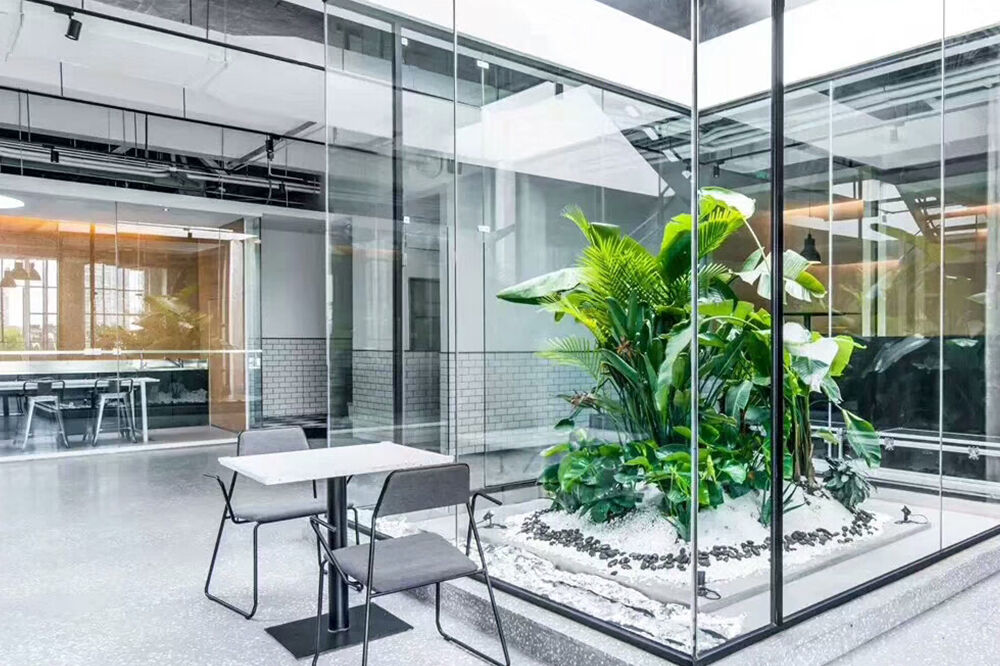
La proiectarea spațiilor de birouri moderne, selecția materialelor durabile pentru mobilierul de birou necesită o atentă analiză a funcționalității și longevității. Multe companii lucrează direct cu un producător de scaune de birou pentru a se asigura că soluțiile lor de spațiu de lucru respectă standarde specifice de durabilitate, păstrând în același timp un aspect estetic plăcut. Alegerea materialelor influențează semnificativ performanța generală, cerințele de întreținere și eficiența din punct de vedere al costurilor pentru dulapurile de birou pe toată durata lor de funcționare. Înțelegerea diferitelor opțiuni de materiale disponibile ajută organizațiile să ia decizii informate, care să se alinieze la limitările bugetare și la așteptările privind performanța.
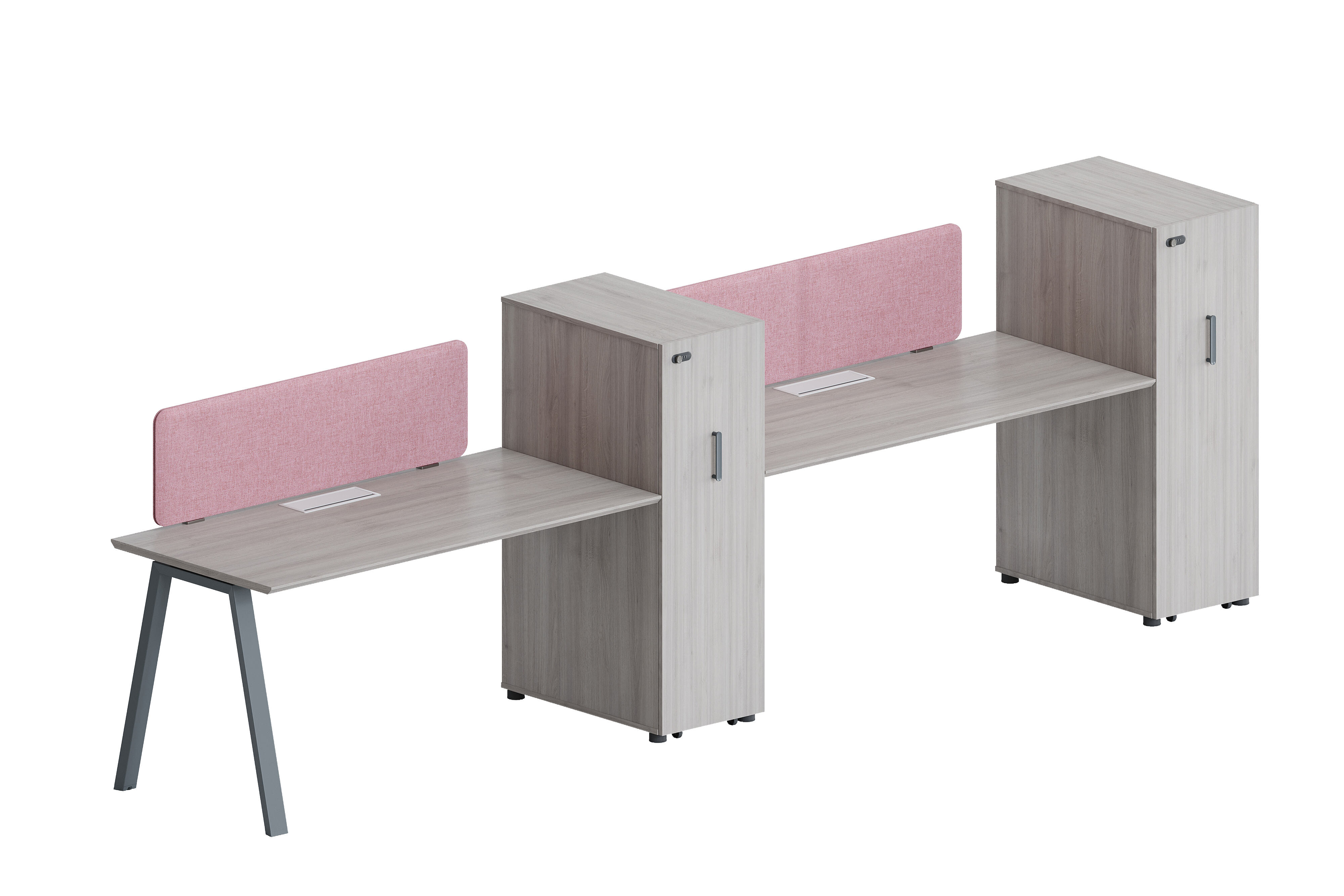
Fundamentele materialelor pentru construcția dulapurilor de birou
Înțelegerea materialelor pe bază de lemn
Lemnul masiv rămâne o alegere premium pentru dulapurile de birou, oferind o durabilitate excepțională și un farmec estetic atemporal. Masele dure precum stejarul, arțarul și cireșul oferă o rezistență superioară la uzură, fiind ideale pentru mediile de birou cu trafic intens. Mulți producători de mobilier, inclusiv cei care operează ca fabrică de scaune de birou, recomandă adesea lemnul masiv pentru birourile executive și sălile de conferințe, acolo unde aspectul și longevitatea sunt esențiale. Desenele naturale ale fibrei lemnului și texturile bogate creează atmosfere profesionale care reflectă calitatea organizațională și atenția la detalii.
Produsele din lemn industrializat, cum ar fi placajul și fibrboardul de medie densitate, oferă alternative rentabile păstrând în același timp integritatea structurală. Aceste materiale trec prin procese specializate de fabricație care le îmbunătățesc stabilitatea și reduc susceptibilitatea la răsucire sau fisurare. La alegerea opțiunilor din lemn industrializat, companiile ar trebui să ia în considerare construcția miezului, calitatea furnirului și materialele utilizate pentru placarea muchiilor, pentru a asigura o performanță pe termen lung. Expertiza de fabricație existentă într-o uzină de scaune de birou se extinde adesea și la construcția mobilierului, oferind informații valoroase privind optimizarea materialelor și procesele de control al calității.
Considerații privind structura metalică și accesorii
Structurile din oțel și aluminiu oferă un suport structural excepțional pentru dulapurile de birou, în special în aplicațiile industriale. Oțelul acoperit cu pulbere oferă o rezistență superioară la coroziune și își păstrează aspectul chiar și în condițiile unei utilizări constante. Integrarea componentelor metalice necesită o atenție deosebită acordată proiectării îmbinărilor și sistemelor de fixare, pentru a preveni slabirea în timp. Producătorii profesioniști de mobilă, inclusiv specialiștii proveniți de la o fabrică de scaune de birou, înțeleg importanța selecționării accesorilor adecvate care să corespundă cerințelor de încărcare și modelelor de utilizare.
Componentele din oțel inoxidabil, inclusiv balamale, glisoane pentru sertare și mecanisme de blocare, contribuie semnificativ la longevitatea mobilierului. Aceste elemente trebuie să reziste la mii de cicluri de funcționare, menținând în același timp o funcționalitate fluidă și caracteristici de siguranță. Alegerea materialelor pentru componente influențează direct necesarul de întreținere și costurile de înlocuire pe durata de viață a mobilierului. Protocoalele de asigurare a calității utilizate într-o fabrică de scaune de birou includ adesea teste riguroase ale componentelor pentru a se asigura că acestea îndeplinesc sau depășesc standardele industriale de durabilitate.
Tehnologii Avansate de Materiale și Inovații
Soluții din laminat de înaltă presiune
Suprafețele din laminat de înaltă presiune oferă o rezistență excepțională la zgârieturi, pete și deteriorări prin impact, oferind în același timp o flexibilitate extinsă în ceea ce privește designul. Aceste materiale constau din mai multe straturi de hârtie kraft impregnată cu rășini fenolice și un strat superior de hârtie decorativă protejată de un strat de melamină. Procesul de fabricație creează suprafețe care rezistă la utilizare intensă, menținându-și aspectul pe perioade lungi de timp. Multe companii consultă un producător de scaune de birou pentru a înțelege cum tehnologiile laminate pot fi integrate în întreaga lor gamă de mobilier, asigurând astfel consistența și performanța.
Formulele laminate antimicrobiene abordează preocupările legate de igienă în mediile moderne de birou, în special în spațiile partajate și în unitățile cu specific medical. Aceste suprafețe specializate inhibă creșterea bacteriilor și simplifică procedurile de curățare, reducând efortul de întreținere și îmbunătățind standardele de sănătate la locul de muncă. Selectarea claselor corespunzătoare de laminate necesită înțelegerea modelelor de trafic, a cerințelor de curățare și a preferințelor estetice. Expertiza dobândită prin colaborarea cu o fabrică de scaune de birou se dovedește adesea valoroasă în evaluarea specificațiilor laminate și a caracteristicilor de performanță în diverse aplicații de birou.
Alternative Durabile de Materiale
Bambusul și alte materiale regenerabile rapid oferă alternative ecologice fără a compromite durabilitatea sau funcționalitatea. Aceste materiale demonstrează un raport excelent rezistență-la-greutate și proprietăți naturale antimicrobiene, sprijinind în același timp practici de producție durabilă. Tehnicile de prelucrare utilizate pentru crearea mobilierului de birou pe bază de bambus necesită cunoștințe specializate și echipamente similare cu cele găsite într-o fabrică avansată de scaune de birou. Organizațiile care urmăresc obținerea certificării LEED sau alte standarde de mediu prioritizează adesea aceste materiale în specificațiile lor privind mobilierul.
Materialele reciclate și recuperate oferă calități estetice unice, sprijinind în același timp principiile economiei circulare. Lemnul recuperat aduce caracter și istorie care nu pot fi replicate în materiale noi, în timp ce componentele din metal reciclat reduc impactul asupra mediului fără a sacrifica performanța. Integrarea materialelor reciclate necesită o evaluare atentă a calității și poate implica colaborarea cu furnizori specializați sau cu o fabrică de scaune de birou experimentată în practici de producție durabilă. Aceste materiale necesită adesea tratamente sau modificări suplimentare pentru a satisface standardele actuale de performanță și siguranță.
Testarea performanței și standardele de calitate
Metode de evaluare a durabilității
Protocoalele standardizate de testare evaluează performanța materialelor în condiții de birou simulate, inclusiv testarea la sarcină, rezistența la impact și ciclurile ambientale. Aceste evaluări ajută la previzionarea comportamentului pe termen lung și la identificarea modurilor potențiale de defectare înainte ca acestea să apară în utilizarea reală. Instalațiile profesionale de testare și producătorii orientați către calitate, inclusiv cei care funcționează ca fabrică de scaune de birou, utilizează echipamente sofisticate pentru a valida specificațiile materialelor și procesele de fabricație. Înțelegerea acestor metodologii de testare ajută organizațiile să ia decizii informate cu privire la selecția materialelor și durata preconizată de serviciu.
Testele de îmbătrânire accelerată expun materialele la temperaturi ridicate, cicluri de umiditate și radiații UV pentru a simula ani întregi de utilizare normală în perioade de timp reduse. Aceste teste dezvăluie modul în care materialele reacționează la factorii stresori de mediu și ajută la identificarea potențialelor mecanisme de degradare. Datele obținute prin testarea accelerată oferă informații valoroase pentru determinarea garanției și planificarea întreținerii. Colaborarea cu producători experimentați, precum cei dintr-o fabrică bine stabilită de scaune de birou, oferă adesea acces la date cuprinzătoare de testare și informații de validare a performanței.
Cerințe de certificare a industriei
Certificările GREENGUARD și alte certificări privind calitatea aerului din interior asigură faptul că materialele utilizate pentru dulapurile de birou respectă standarde stricte de emisii pentru compușii organici volatili. Aceste certificări protejează sănătatea ocupanților, susținând în același timp practicile de construcție durabile și conformitatea cu reglementările. Procesul de certificare implică teste ample și monitorizare continuă pentru a menține conformitatea cu standardele în continuă evoluție. Mulți producători renumiți, inclusiv cei specializați ca fabrică de scaune de birou, obțin mai multe certificări pentru a-și demonstra angajamentul față de calitate și responsabilitatea de mediu.
Standardele de siguranță la incendiu, inclusiv clasificările privind răspândirea flăcărilor și indicii de dezvoltare a fumului, trebuie luate în considerare atunci când se aleg materiale pentru mediile de birou. Aceste cerințe variază în funcție de tipul clădirii, clasificarea ocupării și reglementările locale. Înțelegerea metodelor de testare și a criteriilor de performanță ajută la asigurarea conformității, păstrând în același timp caracteristicile estetice și funcionale dorite. Producătorii experimentați, precum cei care operează o fabrică de scaune de birou, de regulă păstrează documentație cuprinzătoare privind datele de performanță la foc ale materialelor și produselor lor.
Analiza costurilor și considerentele legate de ciclul de viață
Investiția inițială versus valoarea pe termen lung
Materialele premium necesită de obicei o investiție inițială mai mare, dar oferă adesea un randament superior pe termen lung datorită costurilor reduse de întreținere și duratei extinse de utilizare. Calculul costului total de proprietate trebuie să includă prețul de cumpărare, costurile de instalare, cerințele de întreținere și nevoile ulterioare de înlocuire. Colaborarea cu furnizori experimentați, inclusiv cei care operează ca fabrică de scaune de birou, ajută organizațiile să înțeleagă implicațiile reale ale diferitelor alegeri de materiale pe durata de viață prevăzută a mobilierului. Aceste analize dezvăluie adesea că materialele de calitate superioară oferă o valoare generală mai bună, în ciuda costurilor inițiale crescute.
Costurile de întreținere și înlocuire variază semnificativ în funcție de selecția materialelor și de tiparele de utilizare. Suprafețele care necesită finisări frecvente sau înlocuirea componentelor pot depăși rapid economiile inițiale obținute prin utilizarea unor materiale mai ieftine. Înțelegerea cerințelor de întreținere ajută organizațiile să își stabilească corect bugetul și să aleagă materialele potrivite pentru capacitățile lor operaționale și resursele de personal. Îndrumarea profesională oferită de producători, inclusiv expertiza disponibilă printr-o fabrică de scaune de birou, poate contribui la optimizarea selecției materialelor în funcție de cerințele și constrângerile operaționale specifice.
Tendințe de piață și considerații viitoare
Tehnologiile emergente de materiale continuă să extindă opțiunile pentru construcția mobilierului de birou, inclusiv compozite avansate și materiale inteligente cu proprietăți adaptive. Aceste inovații pot oferi caracteristici de performanță îmbunătățite sau funcționalități noi care sporesc experiența utilizatorului și eficiența operațională. Menținerea la curent cu dezvoltările tehnologice ajută organizațiile să ia decizii strategice privind momentul investițiilor majore în mobilier și actualizărilor de specificații. Relațiile din industrie cu producători progresiști, cum ar fi cei prezenți într-un mediu inovator fabrică de scaune de birou , oferă informații valoroase despre tendințele emergente și dezvoltările viitoare ale produselor.
Modificările reglementare și standardele de sustenabilitate în continuă evoluție influențează disponibilitatea materialelor și cerințele de performanță de-a lungul timpului. Organizațiile trebuie să ia în considerare modul în care selecțiile actuale de materiale vor funcționa în cadrul viitoarelor cadre regulatorii și condiții de piață. Această abordare prospectivă ajută la evitarea modificărilor costisitoare sau înlocuirilor cauzate de schimbările cerințelor de conformitate. Implicarea proactivă cu experți din industrie și producători, inclusiv cei care activează ca fabrică de scaune de birou, ajută organizațiile să anticipeze și să se pregătească pentru modificări reglementare care ar putea afecta specificațiile mobilierului și cerințele operaționale.
Întrebări frecvente
Ce factori ar trebui să fie prioritari atunci când se aleg materialele pentru dulapuri în zonele de birou cu trafic intens
Zonele cu trafic intens necesită materiale cu durabilitate deosebită, întreținere ușoară și rezistență la uzură și deteriorare prin impact. Concentrați-vă asupra materialelor cu performanțe dovedite în aplicații comerciale, cum ar fi laminatele la presiune înaltă sau lemnul masiv solid cu finisaje protectoare adecvate. Luați în considerare protocoalele de curățare necesare și asigurați-vă că materialele selectate pot suporta dezinfectarea frecventă fără degradare. Consultarea producătorilor experimentați, inclusiv a celor care funcționează ca fabrică de scaune de birou, oferă informații valoroase despre performanța materialelor în condiții dificile.
Cum afectează condițiile mediului selecția materialelor pentru dulapurile de birou
Factorii de mediu, inclusiv umiditatea, variațiile de temperatură și expunerea la radiații UV, au un impact semnificativ asupra performanței și durabilității materialelor. Materialele cu stabilitate dimensională ridicată și rezistență la UV oferă o performanță mai bună în condiții dificile. Luați în considerare capacitatea sistemului HVAC al clădirii și expunerea ferestrelor atunci când alegeți materialele, pentru a preveni deformarea, decolorarea sau alte deteriorări cauzate de mediu. Îndrumarea profesională oferită de producători, precum cei de la o fabrică de scaune de birou, ajută la identificarea materialelor optimizate pentru anumite condiții de mediu și caracteristici ale clădirii.
Ce rol are sustenabilitatea în selecționarea materialelor pentru dulapurile moderne de birou
Considerațiile legate de sustenabilitate influențează din ce în ce mai mult alegerea materialelor prin certificări de mediu, cerințe privind conținutul reciclabil și evaluări ale impactului pe întreg ciclul de viață. Multe organizații acordă prioritate materialelor care sprijină certificarea LEED sau alte standarde pentru clădiri verzi, păstrând în același timp cerințele de performanță. Materialele durabile oferă adesea beneficii financiare pe termen lung datorită unei durabilități sporite și reducerii costurilor de conformitate cu reglementările de mediu. Colaborarea cu producători conștienți din punct de vedere al mediului, inclusiv cu cei care funcționează ca o fabrică de scaune de birou, ajută organizațiile să echilibreze obiectivele de sustenabilitate cu cerințele de performanță și buget.
Cum pot organizațiile asigura controlul calității atunci când achiziționează materiale pentru mobilier?
Implementați cerințe complete de specificații, inclusiv certificate de material, date privind testele de performanță și protocoale de asigurare a calității din partea furnizorilor. Solicitați mostre și prototipuri pentru evaluare înainte de achizițiile majore și stabiliți criterii clare de acceptare pentru produsele livrate. Dezvoltați relații cu producători și furnizori renumiți care demonstrează o calitate constantă și expertiză tehnică. Colaborarea cu producători stabiliți, cum ar fi cei care operează o fabrică profesională de scaune de birou, oferă adesea acces la sisteme riguroase de control al calității și procese de validare a performanței.
Cuprins
- Fundamentele materialelor pentru construcția dulapurilor de birou
- Tehnologii Avansate de Materiale și Inovații
- Testarea performanței și standardele de calitate
- Analiza costurilor și considerentele legate de ciclul de viață
-
Întrebări frecvente
- Ce factori ar trebui să fie prioritari atunci când se aleg materialele pentru dulapuri în zonele de birou cu trafic intens
- Cum afectează condițiile mediului selecția materialelor pentru dulapurile de birou
- Ce rol are sustenabilitatea în selecționarea materialelor pentru dulapurile moderne de birou
- Cum pot organizațiile asigura controlul calității atunci când achiziționează materiale pentru mobilier?