
 EN
EN
Ang pagpili ng tamang opisina na mga kasangkapan ay maaaring makaimpluwensya nang malaki sa produktibidad sa lugar ng trabaho, kasiyahan ng mga empleyado, at kabuuang tagumpay ng negosyo. Isa sa pinakamahalagang desisyon na kinakaharap ng mga organisasyon ay ang pagpili ng angkop na mga solusyon sa upuan para sa gawain na tumutugon sa iba’t ibang pangangailangan ng lugar ng trabaho. Ang pag-unawa sa mga pagkakaiba sa pagitan ng mga upuang panggawain para sa operator at para sa eksekutibo ay tumutulong sa mga negosyo na gumawa ng impormadong desisyon na umaayon sa kanilang mga pangangailangan sa operasyon, limitasyon sa badyet, at mga panlasa sa estetika. Ang mga kategoryang ito ng upuan ay may iba’t ibang layunin sa modernong kapaligiran ng opisina, bawat isa ay idinisenyo upang tugunan ang tiyak na mga pangangailangan ng gumagamit at mga hiyarkiya sa lugar ng trabaho habang pinapanatili ang mahahalagang mga prinsipyo ng ergonomiks.
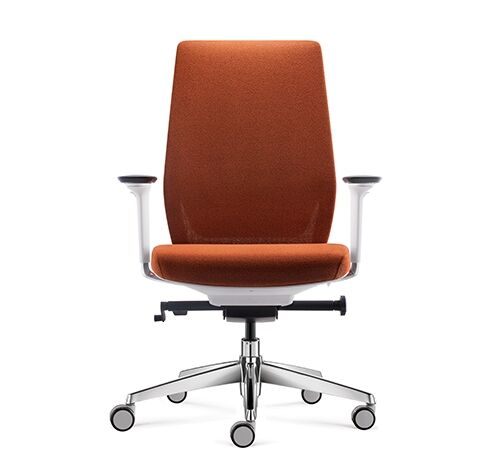
Pag-unawa sa mga Upuang Panggawain para sa Operator
Pilosopiya sa Disenyo at Pangunahing Mga Katangian
Ang mga upuang gawain para sa operator ay kumakatawan sa pundasyon ng epektibong mga solusyon sa upuan sa mga kontemporaneong lugar ng trabaho. Ang mga upuang ito ay binibigyang-prioridad ang pagganap kaysa luho, na pinalalawak ang mga pangunahing ergonomikong katangian na sumusuporta sa mahabang panahon ng nakatuon na trabaho. Ang pilosopiya sa disenyo ay nakatuon sa pagbibigay ng maaasahang kaginhawahan habang pinapanatili ang kahemat-an sa gastos para sa mga organisasyon na nangangailangan ng maraming yunit ng upuan. Karaniwang mayroon ang mga upuang operator ng breathable na mesh o tela na takip, mekanismong pang-adjust ng taas ng upuan, at mga pangunahing sistema ng suporta sa lumbar na angkop sa iba’t ibang anyo ng katawan at kagustuhan sa paggawa.
Ang kalidad ng pagkakagawa ng upuang ginagamit sa mga gawain ng operator ay binibigyang-diin ang tibay at haba ng buhay kaysa sa mga de-kalidad na materyales o nakakaakit na anyo. Ang mga upuang ito ay karaniwang may base na gawa sa nylon na may dagdag na pagsuporta, mga standard na caster wheel na angkop para sa iba't ibang uri ng sahig, at simpleng mekanismo para sa pag-aadjust na nangangailangan lamang ng kaunting pagpapanatili. Ang pangkalahatang diskarte sa disenyo ay nakatuon sa pagbibigay ng pare-parehong pagganap sa iba't ibang kapaligiran sa lugar ng trabaho habang pinapanatili ang abot-kaya ang gastos sa pagbili at pagpapalit para sa mga organisasyon na may limitadong badyet.
Mga Demograpiko at Aplikasyon ng Target na Gumagamit
Ang mga upuang pang-opera ay para sa mga empleyado na gumugugol ng malaking bahagi ng kanilang oras sa mga gawaing nakabase sa kompyuter, pagpasok ng datos, interaksyon sa serbisyo sa customer, at iba pang aktibidad na nasa desk. Ang mga posisyong ito ay kadalasang nangangailangan ng paulit-ulit na konsentrasyon at mga galaw na paulit-ulit—na kung saan ang maaasahang suporta sa ergonomiks ay kapaki-pakinabang nang hindi kinakailangan ang mga sobrang luhurang katangian. Ang mga kinatawan ng call center, mga tagapag-amanang administratibo, mga propesyonal sa aklatan, at mga nasa junior-level na empleyado ay madalas na gumagamit ng mga upuang pang-opera bilang pangunahing kasangkapan sa kanilang lugar ng trabaho.
Ang versatility ng mga upuang pang-opera ay ginagawa silang angkop para sa mga bukas na opisina, mga ibinabahaging workstation, at mga flexible na pagkakaupo kung saan maaaring gamitin ng maraming user ang parehong upuan sa iba’t ibang shift. Ang ganitong kakayahang umangkop ay nagpapagarantiya na panatilihin ng mga organisasyon ang pare-parehong antas ng kagaanan habang tinatanggap ang iba’t ibang kagustuhan at pangangailangan pisikal ng kanilang mga empleyado sa loob ng kanilang imprastruktura ng mga upuang pang-gawain.
Mga Katangian ng Executive Task Chair
Mga Premium na Materyales at Pamantayan sa Pagkakagawa
Ang mga upuang pang-eksekutibo para sa gawain ay kumakatawan sa tuktok ng luho sa pag-upo sa opisina, na pinalalim ng mga de-kalidad na materyales at sopistikadong inhinyeriya upang lumikha ng isang nakakaimpresyon at komportableng kapaligiran sa trabaho. Karaniwang mayroon ang mga upuang ito ng balat na tunay na leather para sa panlabas na takip, mga frame na gawa sa mataas na antas na aluminum o pinolish na bakal, at mga advanced na ergonomic na mekanismo na nagbibigay ng superior na kakayahang i-adjust at suporta. Ang mga pamantayan sa paggawa ay binibigyang-diin ang parehong estetikong atractibo at pangmatagalang tibay, na sumasalamin sa propesyonal na imahe at katayuan na kaugnay ng mga posisyon sa pamumuno.
Ang pagbibigay-pansin sa bawat detalye ng mga upuang pang-eksekutibo para sa mga gawain ay umaabot sa bawat bahagi, mula sa mga panel na gawa sa balat na tinahi ng kamay hanggang sa mga mekanismong pang-tilt na may kahusayan sa inhinyero at mga premium na sistema ng caster. Ang mga upuang ito ay karaniwang may mga advanced na tampok tulad ng cushioning na gawa sa memory foam, integrated na headrest, mga armrest na maaaring i-adjust kasama ang mga ibabaw na may soft-touch, at mga sophisticated na sistema ng lumbar support na maaaring i-fine-tune batay sa panlasa ng bawat indibidwal. Ang kabuuang pilosopiya sa disenyo ay binibigyang-diin ang paglikha ng isang nakakaimpresyon na visual na pahayag habang nagbibigay ng walang kompromiso na kumportableng karanasan para sa mahabang panahon ng trabaho.
Mga Pinalakas na Ergonomic na Tampok at Pag-andar
Ang mga upuang pang-eksekutibo ay nagtatangi sa kanilang sarili sa pamamagitan ng komprehensibong ergonomic na mga katangian na tumutugon sa kumplikadong mga pangangailangan sa pag-upo ng mga propesyonal na nasa mataas na antas. Ang mga napakahusay na solusyon sa upuan para sa gawain na ito ay karaniwang kasama ang mga sistema ng maramihang punto ng pag-aadjust, na nagpapahintulot sa mga gumagamit na i-customize ang taas ng upuan, tensyon ng pag-tilt, posisyon ng sandok sa braso, at suporta sa lumbar nang may kumpas. Ang mga sopistikadong mekanismo ay nagpapahintulot sa mahusay na pag-aadjust na sumasaklaw sa mga indibidwal na kagustuhan habang hinahangad ang tamang posisyon ng katawan sa panahon ng mahabang mga pulong, mga sesyon ng estratehikong pagpaplano, at mga aktibidad sa paggawa ng desisyon sa antas ng eksekutibo.
Ang pagganap ng mga upuan para sa mga gawain ng mga eksekutibo ay umaabot pa sa labas ng pangunahing kaginhawahan upang isama ang mga katangian na nagpapahusay sa propesyonal na presensya at kahusayan sa mga pulong. Ang maraming modelo ay may mga mekanismong pumipihit na may makinis at tahimik na operasyon, disenyo ng mataas na likod na nagbibigay ng komprehensibong suporta sa likod, at mga sistema ng pag-ikot na aktibado ng timbang na awtomatikong umaangkop sa mga galaw ng gumagamit. Ang mga advanced na katangiang ito ay nakakatulong sa pagpanatili ng propesyonal na kalmado habang tiyakin ang pisikal na kaginhawahan habang ginagawa ang mga demanding na trabaho at mataas na presyur na sitwasyon.
Mga Pangunahing Pagkakaiba sa Disenyo at Materyales
Upholstery at Mga Surface na Materyales
Ang pinakamalaking pagkakaiba sa pagitan ng upuan para sa mga gawain ng operator at executive ay matatagpuan sa kalidad at uri ng mga materyales na ginagamit sa kanilang panlalamangan. Ang mga upuan ng operator ay karaniwang may praktikal na mga materyales tulad ng mesh na tela na nagpapahintulot sa hangin, matitibay na halo ng polyester, o simpleng ibabaw na vinyl na binibigyang-prioridad ang madaling pagpapanatili at kahusayan sa gastos. Ang mga materyales na ito ay pinipili dahil sa kanilang kakayahang tumagal sa madalas na paggamit habang nagbibigay ng sapat na kumportable at paghinga habang nasa mahabang panahon ng trabaho.
Ang mga upuang panggawain para sa mga eksekutibo, sa kabilang banda, ay nagpapakita ng mga premium na opsyon para sa panakip—kabilang ang de-kalidad na leather mula sa top-grain, mataas na antas na halo ng tela, at sopistikadong sintetikong materyales na kumikopya sa mga tekstura ng luho. Ang leather na ginagamit sa mga upuang pang-eksekutibo ay karaniwang may espesyal na paggamot upang mapabuti ang tibay, resistensya sa mga stain, at mga katangian sa pagtanda na bumubuo ng kaakit-akit na patina sa paglipas ng panahon. Ang mga premium na materyales na ito ay nakaaambag nang malaki sa kabuuang aesthetic appeal at propesyonal na imahe na kaugnay ng mga solusyon sa upuang panggawain para sa antas ng eksekutibo.
Istruktural na Balangkas at Mga Sistema ng Suporta
Ang pangunahing balangkas at mga sistema ng suporta ay kumakatawan sa isa pang pundamental na pagkakaiba sa pagitan ng mga kategorya ng upuan para sa gawain na ito. Ginagamit ng mga upuan ng operator ang mga praktikal na pamamaraan sa inhinyeriya na may mga bahagi na gawa sa plastik na may dagdag na lakas, karaniwang mga gas cylinder, at mga pangunahing mekanismo ng pag-ikot na nagbibigay ng maaasahang pagganap nang walang labis na kumplikado. Ang disenyo ng istruktura ay nakatuon sa pagbibigay ng pare-parehong pagganap habang pinapanatili ang abot-kaya ang mga gastos sa pagmamanupaktura na sumusuporta sa mga estratehiya ng pagbili sa malaking dami.
Ang upuan para sa mga gawain ng mga eksekutibo ay may kasamang sopistikadong mga elemento ng istruktura kabilang ang mga frame na gawa sa aluminum na may pinalakas na konstruksyon, mga premium na gas cylinder na may mas malawak na saklaw ng pag-aadjust, at mga advanced na mekanismo ng pag-ikot na may maraming posisyon para sa pag-lock. Ang diskurso sa inhinyeriya ay binibigyang-diin ang parehong tibay at makinis na operasyon, gamit ang mga bahagi na ginawa nang may kahusayan upang magbigay ng labis na haba ng buhay at pare-parehong kagalingan. Ang mga pinalakas na istruktural na katangian na ito ay nag-aambag sa kabuuang premium na karanasan na kaugnay ng mga solusyon sa upuan para sa antas ng mga eksekutibo.
Mga Pansin sa Ergonomiks at Mga Benepisyong Pangkalusugan
Suporta sa Postura at Pag-align ng Likod
Ang parehong kategorya ng upuan para sa operator at para sa executive ay tumutugon sa mga pangunahing ergonomic na kinakailangan, bagaman ang kanilang paglapit sa suporta sa posisyon ng katawan ay naiiba batay sa iba't ibang pilosopiya sa disenyo at hanay ng mga tampok. Ang mga upuan para sa operator ay nagbibigay ng mahalagang suporta sa lumbar gamit ang mga nakabuilt-in na kurba, mga pinaa-adjust na panel ng likod, o mga maaaring tanggalin na unan para sa lumbar na tumutulong na panatilihin ang tamang alignment ng spinal column habang ginagawa ang karaniwang mga gawain sa trabaho. Ang mga ergonomic na tampok ay nakatuon sa pag-iwas sa mga karaniwang pinsala sa lugar ng trabaho habang pinapanatili ang simplisidad ng disenyo at kontrolado ang gastos para sa malalawak na implementasyon.
Ang mga upuang pang-eksekutibo para sa gawain ay nag-aalok ng komprehensibong suporta sa posisyon ng katawan sa pamamagitan ng mga advanced na ergonomic na sistema na maaaring tiyak na i-adjust batay sa indibidwal na pangangailangan. Ang mga sopistikadong solusyon sa upuan na ito ay kadalasang kasama ang multi-zone na suporta sa lumbar, mga i-adjust na headrest, at mga contoured na ibabaw ng upuan na nagpapromote ng tamang alignment habang sumasakop sa iba't ibang uri ng katawan at preferensya sa pag-upo. Ang mas mataas na kakayahan sa ergonomics ng mga upuang pang-eksekutibo ay sumasalamin sa mahabang oras ng trabaho at sa iba't ibang gawain na karaniwan sa mga posisyong pang-naninilbihan.
Mahabang Panahon na Epekto sa Kalusugan at Komportable na Paggamit
Ang mga pangmatagalang epekto sa kalusugan ng pagpili ng upuang ginagamit sa trabaho ay umaabot pa sa labas ng agarang kumportable na pakiramdam at sumasaklaw sa mas malawak na mga pagsasaalang-alang ukol sa kabutihan ng workplace. Ang mga upuan para sa operator, kapag tama ang pagpili at pag-adjust nito, ay maaaring epektibong maiwasan ang karaniwang mga problema tulad ng pananakit ng mababang likod, pagkakaroon ng tensyon sa leeg, at mga problema sa sirkulasyon na dulot ng matagal na pag-upo. Ang susi ay nasa pagtiyak na ang mga pangunahing prinsipyo ng ergonomiks ay pinapanatili habang ibinibigay ang sapat na suporta para sa partikular na mga gawain at tagal ng paggamit na karaniwan sa mga operasyonal na tungkulin.
Ang executive task seating ay karaniwang nagbibigay ng mas mataas na pangmatagalang benepisyo sa kalusugan sa pamamagitan ng komprehensibong mga ergonomic na tampok na tumutugon sa kumplikadong mga pangangailangan sa pag-upo ng mga senior-level na posisyon. Ang mga advanced na kakayahan sa pag-adjust ay nagbibigay-daan sa tiyak na pag-personalize na maaaring tugunan ang nagbabagong mga pangangailangan sa buong araw ng trabaho, samantalang ang premium na mga materyales at kalidad ng paggawa ay nagsisiguro ng pare-parehong suporta sa loob ng mahabang panahon. Ang invest na ito sa superior Upuan para sa Gawaing madalas na nagreresulta sa pagbaba ng mga gastos sa pangangalagang pangkalusugan at pagpapabuti ng produktibidad para sa mga pangunahing tauhan ng organisasyon.
Pagsusuri sa Gastos at Halaga
Paunang Pag-invest at Mga Konsiderasyon sa Badyet
Ang mga implikasyong pinansyal ng pagpili ng mga upuang panggawain ay kumakatawan sa isang mahalagang kadahilanan sa mga desisyon ng organisasyon tungkol sa pagbili. Ang mga upuang pang-operaaytor ay karaniwang nasa katamtamang antas hanggang sa gitnang antas ng presyo, na ginagawa silang abot-kaya para sa mga organisasyon na nangangailangan ng maraming yunit habang pinapanatili ang makatuwirang mga limitasyon sa badyet. Ang kabisaan sa gastos ng mga upuang panggawain para sa mga operador ay nagbibigay-daan sa pagkakapagkaloob ng buong departamento o mga palapag ng opisina nang hindi lumalampas sa inilaan na badyet para sa mga kagamitan sa opisina, habang patuloy na nagbibigay ng mahalagang suporta sa ergonomiks at tibay.
Ang mga upuang pang-eksekutibo para sa gawain ay may mataas na presyo na sumasalamin sa kanilang superior na mga materyales, advanced na mga tampok, at mas mahusay na kalidad ng pagkakagawa. Bagaman ang paunang pamumuhunan ay malaki ang kakaiba kumpara sa mga alternatibong upuan para sa operator, karaniwang nababayaran ang halaga bawat upuan sa pamamagitan ng mas mahabang buhay ng serbisyo, mas mataas na kasiyahan ng gumagamit, at mga benepisyo sa propesyonal na imahe na kaugnay ng mga upuan na para sa antas ng eksekutibo. Ang mga organisasyon ay kailangang timbangin ang mga kadahilanang ito laban sa mga limitasyon sa badyet at mga estratehikong priyoridad kapag gumagawa ng mga desisyon tungkol sa pagbili ng mga upuan para sa gawain.
Kabuuang Gastos sa Pagmamay-ari at Pangmatagalang Halaga
Ang pag-evaluate ng mga opsyon para sa upuang pangtrabaho ay nangangailangan ng pagsasaalang-alang sa kabuuang gastos sa pagmamay-ari nang lampas sa paunang presyo ng pagbili. Ang mga upuan ng operator, bagaman mas mura sa simula, ay maaaring kailangang palitan o ayusin nang mas madalas depende sa antas ng paggamit at kondisyon ng kapaligiran. Gayunpaman, ang kanilang standardisadong mga bahagi at malawak na availability ay karaniwang nagreresulta sa mas mababang patuloy na gastos sa pagpapanatili at mas madaling pagkuha ng mga bahaging pampalit kapag kinakailangan ng serbisyo.
Ang executive task seating ay karaniwang nagpapakita ng mas mataas na halaga sa mahabang panahon sa pamamagitan ng mas mahabang buhay ng serbisyo, mas kaunting pangangailangan sa pagpapanatili, at pare-parehong kalidad ng pagganap sa paglipas ng panahon. Ang premium na mga materyales at paraan ng paggawa ay nakatutulong sa mas mababang kabuuang gastos sa pagmamay-ari kapag kinukwenta sa buong lifecycle ng upuan. Bukod dito, ang mas mataas na kasiyahan at benepisyong produktibidad ng gumagamit na nauugnay sa executive seating ay maaaring magbigay ng hindi direktang halaga na nagpapaliwanag sa mas mataas na paunang investido para sa mga pangunahing posisyon sa organisasyon.
Pagsasama sa Lugar ng Trabaho at mga Pansin sa Kapaligiran
Estetika ng Opisina at Propesyonal na Imahen
Ang epekto sa paningin ng pagpili ng upuang panggawain ay lumalawig pa sa personal na kagustuhan ng gumagamit upang isama ang mas malawak na estetika ng lugar ng trabaho at mga pagsasaalang-alang sa propesyonal na imahen. Ang mga upuang pang-opera ay nakatutulong sa pagbuo ng malinis at epektibong kapaligiran sa opisina na binibigyang-diin ang pagganap at produktibidad. Ang kanilang maayos na disenyo ay umaakomoda sa modernong bukas na layout ng opisina habang pinapanatili ang pagkakapareho sa anyo sa loob ng malalawak na lugar ng trabaho. Ang praktikal na anyo ng mga upuang panggawain para sa operador ay sumusuporta sa mga kapaligirang pangtrabaho na may kolaborasyon kung saan ang pagganap ang nangingibabaw kaysa sa luho.
Ang mga upuang pang-eksekutibo para sa gawain ay nagsisilbing mahahalagang elemento sa paglikha ng kahanga-hangang kapaligiran sa opisina na sumasalamin sa tagumpay ng organisasyon at sa kakaibang presensya ng pamumuno. Ang sopistikadong anyo at mga de-kalidad na materyales ng mga upuang pang-eksekutibo ay nakatutulong sa pagbuo ng propesyonal na mga espasyo para sa pagpupulong, mga opisina ng mga eksekutibo, at mga lugar na nakatuon sa mga kliyente—kung saan ang imahe at unang impresyon ay may malaking kahalagahan. Ang mga solusyon sa upuan na ito ay tumutulong na itatag ang kredibilidad at palakasin ang hiyarkiya ng organisasyon sa pamamagitan ng maingat na pagpili ng estetika.
Mga Konsiderasyon sa Kakayahang Umangkop at Pag-iingat para sa Hinaharap
Ang ebolusyon ng modernong lugar ng trabaho ay nangangailangan ng mga solusyon sa upuan para sa gawain na maaaring umangkop sa mga nagbabagong pangangailangan ng organisasyon at mga istilo ng paggawa. Ang mga upuang pang-operador ay mahusay sa mga flexible na kapaligiran kung saan ang mga kinakailangan sa upuan ay maaaring madalas magbago dahil sa mga pagbabago sa bilang ng manggagawa, muling pag-organisa ng mga departamento, o patuloy na pag-unlad ng mga istilo ng trabaho. Ang kanilang standardisadong mga katangian at katamtamang antas ng pamumuhunan ay ginagawang praktikal ang muling pag-ayos ng mga pwesto sa upuan o ang pagpapalit ng mga yunit habang nagbabago ang mga pangangailangan ng organisasyon sa paglipas ng panahon.
Ang mga upuang pang-eksekutibo para sa gawain ay kumakatawan sa isang mas mahabang panahon ng pamumuhunan na kailangang sumuporta sa umuunlad na mga kinakailangan ng pamumuno at sa nagbabagong teknolohiya sa lugar ng trabaho. Ang mataas na antas ng kakayahang i-adjust at ang de-kalidad na pagkagawa ng mga upuang pang-eksekutibo ay nagbibigay ng kahambingan upang maka-adapt sa bagong mga istilo ng trabaho, integrasyon ng teknolohiya, at nagbabagong mga kagustuhan ng gumagamit nang hindi kailangang palitan. Ang ganitong kakayahang maka-adapt ay lalo pang kapaki-pakinabang habang ang mga organisasyon ay nag-i-inbestisa sa mga tauhan sa mataas na antas at nagsisikap na maksimisinhin ang haba ng buhay ng mga premium na pamumuhunan sa kasangkapan.
Madalas Itanong
Paano ko malalaman kung ang aking organisasyon ay kailangan ng mga upuang pang-operador o pang-eksekutibo para sa gawain?
Ang desisyon sa pagitan ng upuang pang-opera at pang-eksekutibo ay dapat batay sa mga tiyak na kinakailangan ng gumagamit, hierarkiya ng organisasyon, mga limitasyon sa badyet, at mga inaasahang paraan ng paggamit. Isaalang-alang ang mga salik tulad ng dami ng oras na ginugugol ng mga gumagamit sa upuan, ang kahalagahan ng propesyonal na imahe sa mga tiyak na tungkulin, ang magagamit na badyet, at ang mga pangmatagalang plano ng organisasyon. Ang mga upuang pang-opera ay karaniwang angkop para sa pangkalahatang tauhan sa opisina, samantalang ang mga upuang pang-eksekutibo ay nakalaan para sa mga mataas na posisyon sa pamumuno at mga tungkuling nakakasalamuha ng mga kliyente kung saan lubhang mahalaga ang propesyonal na impresyon.
Maaari bang magbigay ang mga upuang pang-opera na gawain ng sapat na ergonomikong suporta para sa matagalang paggamit
Ang mga upuang gawain para sa operator ng kalidad ay maaaring magbigay ng mahusay na suporta sa ergonomiks para sa mahabang panahon ng paggamit kapag angkop na pinili at inaayos batay sa mga indibidwal na pangangailangan ng gumagamit. Ang susi ay ang pagpili ng mga upuan para sa operator na may mga pangunahing katangian tulad ng nakakaregla na taas ng upuan, sapat na suporta sa lumbar, at angkop na lalim ng upuan para sa mga layuning gumagamit. Bagaman hindi ito nag-aalok ng mga advanced na kakayahan sa pag-aadjust na matatagpuan sa mga executive chair, ang maayos na disenyo ng operator seating ay maaaring epektibong maiwasan ang mga sugat sa lugar ng trabaho at mapanatili ang kumportableng pakiramdam ng gumagamit sa buong araw ng trabaho.
Ano ang mga pagkakaiba sa mga kinakailangang pagpapanatili sa pagitan ng mga upuang gawain para sa operator at executive?
Ang mga kinakailangan sa pagpapanatili ay nag-iiba batay sa mga gamit na materyales at kalidad ng paggawa kaysa sa kategorya ng upuan lamang. Ang mga upuang ginagamit para sa gawain ng operator ay karaniwang nangangailangan ng regular na paglilinis ng mga ibabaw na gawa sa tela o mesh, pana-panahong paglalapat ng lubricant sa mga mekanismo para sa pag-aadjust, at paminsan-minsang pagpapalit ng mga karaniwang bahagi tulad ng mga caster o gas cylinder. Maaaring kailanganin ng mga executive chair ang espesyal na pangangalaga para sa leather upholstery, kabilang ang mga conditioning treatment at propesyonal na paglilinis, ngunit ang kanilang de-kalidad na paggawa ay madalas na nagreresulta sa mas kaunti ng mga mekanikal na problema at mas mahabang panahon ng serbisyo sa pagitan ng mga pangangailangan sa pagpapanatili.
Epektibo ba ito sa gastos na i-mix ang operator at executive task seating sa loob ng parehong organisasyon?
Ang paggamit ng mga upuan para sa operator at pangkalahatang gawain ay kadalasang ang pinakamabisang paraan mula sa pananaw ng gastos para sa maraming organisasyon, na nagpapahintulot sa paglaan ng badyet batay sa tiyak na mga pangangailangan ng tungkulin at sa mga gumagamit. Ang estratehiyang ito ay nagbibigay-daan sa mga kumpanya na magbigay ng angkop na kalidad ng upuan para sa iba’t ibang antas ng organisasyon habang ino-optimize ang kabuuang pamumuhunan sa mga kagamitan sa opisina. Ang susi ay ang pagpapanatili ng pare-parehong mga pamantayan sa ergonomiks sa lahat ng kategorya ng upuan, samantalang pinahihintulutan ang naaangkop na pagkakaiba sa mga materyales, tampok, at estetikong atractibo batay sa mga pangangailangan ng tungkulin at sa mga prayoridad sa badyet.
Talaan ng mga Nilalaman
- Pag-unawa sa mga Upuang Panggawain para sa Operator
- Mga Katangian ng Executive Task Chair
- Mga Pangunahing Pagkakaiba sa Disenyo at Materyales
- Mga Pansin sa Ergonomiks at Mga Benepisyong Pangkalusugan
- Pagsusuri sa Gastos at Halaga
- Pagsasama sa Lugar ng Trabaho at mga Pansin sa Kapaligiran
-
Madalas Itanong
- Paano ko malalaman kung ang aking organisasyon ay kailangan ng mga upuang pang-operador o pang-eksekutibo para sa gawain?
- Maaari bang magbigay ang mga upuang pang-opera na gawain ng sapat na ergonomikong suporta para sa matagalang paggamit
- Ano ang mga pagkakaiba sa mga kinakailangang pagpapanatili sa pagitan ng mga upuang gawain para sa operator at executive?
- Epektibo ba ito sa gastos na i-mix ang operator at executive task seating sa loob ng parehong organisasyon?