
 EN
EN
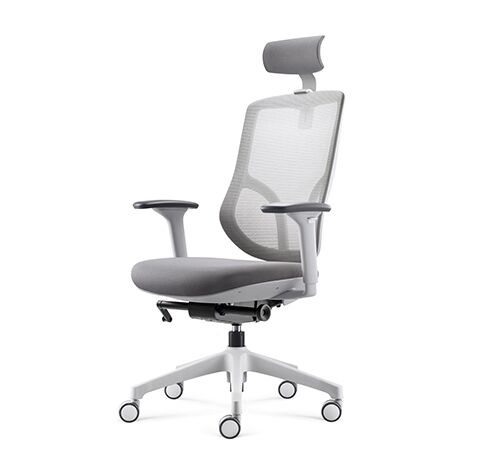
Пошук правильного ергономічного рішення на робочому місці вимагає уважної уваги до того, як різні типи будови тіла взаємодіють із рішеннями щодо робочих крісел. Кожна особа має унікальні фізичні характеристики, варіації зросту та індивідуальні переваги щодо комфорту, що безпосередньо впливає на її щоденну продуктивність та довгострокові показники здоров’я. Розуміння цих відмінностей стає обов’язковим, коли організації інвестують у якісні системи робочих крісел, які мають ефективно задовольняти потреби різноманітного складу персоналу.
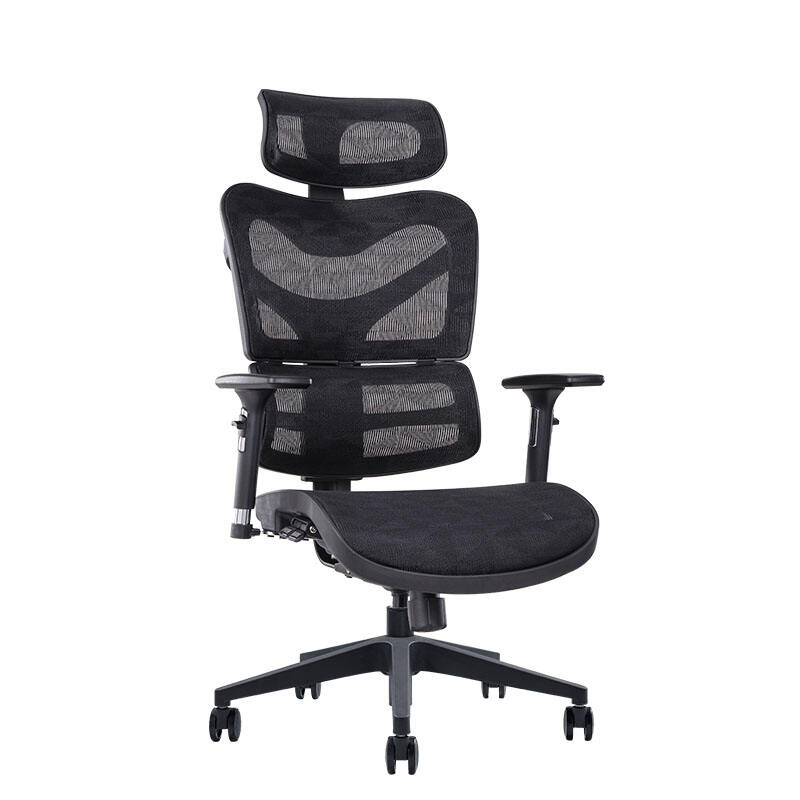
Сучасні офісні середовища вимагають гнучких робочих місць із можливістю регулювання стільців, які можна адаптувати під потреби різних користувачів протягом дня. Незалежно від того, чи йдеться про спільні робочі місця, систему «гарячих столів» чи індивідуальні завдання, дотримання правил регулювання стільців забезпечує оптимальну підтримку для різних параметрів тіла. Дослідження постійно свідчать, що неправильне розташування робочого стільця сприяє розвитку захворювань опорно-рухового апарату, зниженню рівня концентрації уваги та зменшенню рівня задоволеності працівників у різних галузях.
Професійні дизайнери робочих просторів усвідомлюють, що підхід «один розмір підходить усім» не враховує антропометричних відмінностей, які спостерігаються в сучасних офісних умовах. Успішне впровадження робочих стільців вимагає системних процедур регулювання, що враховують довжину тулуба, пропорції ніг, положення рук і вимоги до поясничної кривини. Ці аспекти стають ще важливішими через поширення дистанційної роботи та гнучкого графіку, що призводить до ситуацій, коли кілька осіб можуть користуватися одним і тим самим робочим стільцем у різних змінах.
Розуміння варіацій типів будови тіла в Робочі місця
Регулювання на основі зросту
Людям з великим зростом зазвичай потрібні спеціальні модифікації робочих стільців, щоб підтримувати правильне ергономічне положення протягом усього робочого дня. Стандартна висота стільців часто призводить до того, що ноги високих користувачів розташовуються вище рівня стегон, утворюючи точки тиску, які обмежують кровообіг і викликають дискомфорт під час тривалого сидіння. Регулювання пневматичного механізму висоти до максимальної межі зазвичай забезпечує базове правильне положення, хоча також необхідно враховувати додаткові аспекти узгодження висоти столу.
Системи сидіння для робочих місць, призначені для вищих користувачів, повинні враховувати більшу довжину стегна, забезпечуючи при цьому достатню підтримку стегон без створення тиску позаду колін. Глибина сидіння стає критично важливою, оскільки надмірна глибина може змусити користувачів нахилятися вперед або утворити некомфортні проміжки між їхньою спиною та поясничною підтримкою стільця. Професійні ергономічні оцінки часто рекомендують певні моделі робочих стільців із збільшеними розмірами для осіб, чий зріст перевищує середні перцентилі.
Людям зі зростом нижчим за середній властиві інші труднощі при роботі зі стандартними конфігураціями робочих стільців: часто їм не вдається комфортно поставити ноги на підлогу, коли висота стільця забезпечує правильне розташування рук. У такому випадку зазвичай потрібно використовувати підніжку або моделі робочих стільців із розширеним діапазоном регулювання висоти, які дозволяють опустити сидіння до рівня, відповідного потребам користувачів з меншим зростом. Підтримка належного кровообігу стає обов’язковою, коли люди зі зростом нижчим за середній відчувають тиск країв сидіння на свої ноги.
Розподіл ваги та вимоги до підтримки
Сидіння для робочих завдань має забезпечувати належне розподілення ваги серед різних типів тілесної будови, зберігаючи при цьому структурну цілісність протягом тривалого терміну експлуатації. Особам із більшою вагою потрібні посилені механізми та ширші опорні поверхні, щоб запобігти передчасному зносу й забезпечити стабільну роботу протягом усього терміну експлуатації стільця. Розуміння специфікацій щодо вантажопідйомності допомагає організаціям обирати відповідні моделі сидінь для робочих завдань, які задовольняють різноманітні потреби користувачів, не порушуючи при цьому стандартів безпеки.
Система підтримки поперекового відділу хребта в якісних робочих кріслах адаптується до різних кривин хребта та ваги тулуба, забезпечуючи персоналізований рівень комфорту, що зменшує накопичення втоми. Регульовані механізми підтримки поперекового відділу дозволяють користувачам точно налаштовувати положення підтримки залежно від їхніх індивідуальних анатомічних особливостей, створюючи оптимальне вирівнювання, яке сприяє формуванню здорових звичок утримання постави. Ця можливість персоналізації набуває особливо важливого значення в середовищах спільного робочого простору, де робочі крісла повинні пристосовуватися до різних типів будови тіла протягом усього робочого дня.
Позиціонування та підтримка підложень повинні координуватись з різними ширинами плеч і довжинами рук, щоб запобігти навантаженню верхньої частини тіла під час роботи на комп'ютері. Застосоване сидіння з самостійно регулюваними підлосками під руки дозволяє приймати різні пропорції тіла, зберігаючи нейтральну позицію зап'ястя, що зменшує ризик повтореного травматизму. Професійні рекомендації рекомендують встановлювати висоту підлокотника, яка підтримує передплечі, не піднімаючи плечі або не створюючи тиску на суглоби локтя.
Необхідні методи пристосування для оптимального комфорту
Висока і глибинна конфігурація сидіння
Правильна регулювання висоти сидіння є основою ергономічного обладнання робочих місць, оскільки впливає на положення ніг, циркуляцію крові та загальну поставу. Ідеальна конфігурація передбачає, що стегна користувача розташовані трохи вище за коліна, що забезпечує природний передній нахил таза й сприяє формуванню здорових кривин хребта. Таке положення зазвичай вимагає, щоб стопи користувача стояли рівно на підлозі, а стегна були паралельні підлозі, хоча індивідуальні пропорції можуть вимагати невеликих відхилень від цих загальних рекомендацій.
Регулювання глибини посадки на робочому стільці запобігає утворенню точок тиску позаду колін і забезпечує достатню підтримку стегон протягом тривалого перебування у сидячому положенні. Користувачі повинні зберігати відстань приблизно від 5 до 10 см між переднім краєм сидіння та задньою частиною колін, щоб сприяти здоровому кровообігу й запобігти онімінню або відчуттю поколювання. Деякі просунуті моделі робочих стільців мають механізми зсувного сидіння, які враховують різну довжину ніг без ушкодження правильного положення підтримки спини.
Взаємозв'язок між висотою сидіння та рівнем поверхні столу вимагає уважної координації, щоб під час роботи з клавіатурою та мишею зберігати нейтральне положення зап'ястя. Стандартна висота столів може не забезпечувати оптимального положення сидіння під час виконання завдань для всіх типів будови тіла, тому, ймовірно, знадобляться регульовані робочі поверхні або клавіатурні підставки для досягнення правильної ергономічної відповідності. Професійні оцінки робочого простору часто виявляють саме такі проблеми координації як основні причини дискомфорту у верхніх кінцівках у офісних умовах.
Підтримка спини та положення поперекового відділу хребта
Ефективне розташування підтримки поперекової ділянки в системах сидіння для виконання завдань спрямоване на природну кривину нижньої частини хребта, яка зазвичай розташована між третім і п’ятим поперековими хребцями. Ця зона підтримки значно варіюється в залежності від різних типів будови тіла, тому потрібні регульовані механізми, що забезпечують адаптацію до різноманітних пропорцій тулуба й кривин хребта. Правильне розташування підтримки поперекової ділянки зберігає природну S-подібну кривину хребта й одночасно зменшує сили стискання міжхребцевих дисків, що сприяють розвитку болю в нижній частині спини.
Регулювання кута спинки в якісних робочі місця дозволяє користувачам знайти оптимальне положення відхилення спинки, що забезпечує баланс між підтримкою й вимогами до рухливості. Дослідження показують, що незначне відхилення назад у межах від 100 до 110 градусів зменшує навантаження на хребет, зберігаючи при цьому достатню підтримку для діяльності, пов’язаної з нахилом уперед. Індивідуальні переваги та вимоги конкретних робочих завдань впливають на ідеальне положення спинки, тож гнучкість регулювання є обов’язковою умовою задоволеності користувача.
Сучасні моделі робочих стільців із розширеними функціями оснащені динамічними системами підтримки спини, які реагують на рухи користувача, зберігаючи при цьому постійний контакт із поперековою частиною хребта. Ці механізми враховують різні стилі сидіння та рівні активності протягом робочого дня, забезпечуючи безперервну підтримку без обмеження природних рухів тіла. Зрозуміння того, як увімкнути й налаштувати ці динамічні функції, максимізує ергономічні переваги, доступні в сучасних рішеннях для робочих стільців.
Налаштування підлокітників для різних розмірів тіла
Протоколи регулювання ширини та висоти
Регулювання ширини підлокітників забезпечує адаптацію до різних розмірів плечей і зберігає нейтральне положення верхньої частини тіла під час роботи за комп’ютером. Людям із вузькими плечима може знадобитися внутрішнє розташування підлокітників, щоб запобігти підняттю плечей, тоді як особам із широкими плечима потрібне збільшення відстані між ними, щоб уникнути стиснення рук. Робочі стільці з незалежним регулюванням ширини підлокітників надають необхідну гнучкість для ефективної адаптації до цих антропометричних відмінностей.
Протоколи регулювання висоти підлокітників робочих стільців передбачають кут у лікті в діапазоні від 90 до 110 градусів і забезпечують підтримку передпліч, не піднімаючи плечі. Таке положення зменшує м’язове напруження в шийно-плечовій зоні й забезпечує стабільну опору під час роботи з клавіатурою та мишею. Користувачам із довшими руками можуть знадобитися нижчі налаштування підлокітників порівняно з особами, у яких пропорції кінцівок коротші, що підкреслює важливість можливості індивідуального регулювання.
Координація між висотою підлокітників і рівнем поверхні стола запобігає нефізіологічному положенню зап’ястків, що сприяє розвитку травм, пов’язаних із повторюваними навантаженнями. Підлокітники робочих стільців мають бути розташовані на рівні робочої поверхні або трохи нижче, щоб забезпечити нейтральне положення зап’ястків під час набору тексту. Деякі користувачі надають перевагу зниженню підлокітників під час інтенсивної роботи з клавіатурою, щоб уникнути перешкод для природних рухів рук, зберігаючи при цьому підтримку, необхідну під час перерв.
Положення вперед і назад
Переднє та заднє регулювання підлокітників у просунутих системах робочих крісел забезпечує адаптацію до різних глибин торса та індивідуальних переваг щодо досяжності рук під час виконання різноманітних робочих завдань. Користувачі з довшим торсом можуть потребувати розміщення підлокітників ближче до тіла, щоб зберегти комфортний кут у ліктях, тоді як особи з коротшим торсом вигідно використовують віддалене розташування підлокітників. Ця можливість регулювання стає особливо важливою, коли робоче крісло має задовольняти потреби користувачів із суттєво різними антропометричними параметрами в умовах спільного використання.
Взаємозв’язок між положенням підлокітників та контактом спинки впливає на загальну поставу в робочих кріслах. Якщо підлокітники розташовані надто далеко спереду, це може спонукати користувачів нахилятися від спинки, що зменшує ефективність підтримки поперекової ділянки хребта й сприяє формуванню згорбленої постави. Навпаки, надто віддалене розташування підлокітників спричиняє необхідність досягати їх руками, що призводить до напруження м’язів плечового пояса та шиї під час тривалих робочих періодів.
Моделі стільців для робочих завдань із можливістю повороту підлокітників дозволяють користувачам регулювати кут і орієнтацію залежно від їхніх конкретних вимог до робочого процесу та уподобань щодо положення тіла. Ці розширені опції регулювання забезпечують підвищену індивідуалізацію для осіб, чия робота протягом дня передбачає різноманітні положення рук. Зрозуміння того, як ефективно використовувати ці функції, максимізує рівень комфорту й одночасно зберігає продуктивність роботи для різних типів будови тіла та вимог до завдань.
Спеціальні аспекти, пов’язані з унікальними типами будови тіла
Вагітність та зміни розмірів тіла
Працівницям у стані вагітності потрібні спеціалізовані налаштування робочих стільців, що враховують зміни розмірів тіла та підвищені вимоги до комфорту на різних етапах вагітності. Стандартні конфігурації робочих стільців можуть ставати некомфортними по мірі зростання живота, що впливає на посадку під час сидіння й вимагає зміни положення опори. Регульовані поясничні механізми дозволяють змінювати положення опори, щоб врахувати зміщення центру ваги та зменшення поясничного лордозу, які зазвичай спостерігаються в процесі розвитку вагітності.
Регулювання глибини посадкового місця стає особливо важливим для вагітних користувачів, оскільки збільшені розміри живота можуть вимагати зменшення глибини сидіння, щоб забезпечити комфортне положення без утворення точок тиску. Деякі організації надають спеціалізовані моделі робочих крісел із розширеними діапазонами регулювання, спеціально розроблені для врахування змін у будові тіла під час вагітності. Ці аспекти підкреслюють важливість гнучких можливостей регулювання в комплексних програмах ергономіки робочого місця.
Вимоги до регулювання висоти робочого крісла можуть змінюватися протягом вагітності, оскільки розподіл ваги та переваги щодо комфорту поступово змінюються. Регулярні ергономічні оцінки допомагають забезпечити, щоб конфігурації робочих крісел й надалі забезпечували оптимальну підтримку по мірі зміни розмірів тіла. Професійна консультація може допомогти визначити, коли стандартні регулювання потребують коригування або коли необхідно перейти до альтернативних рішень щодо посадкових місць, щоб зберегти комфорт і рівень продуктивності.
Фактори, пов’язані з віком, що впливають на рухливість та комфорт
Працівникам похилого віку часто потрібні спеціалізовані робочі стільці, які враховують знижену гнучкість, чутливість суглобів та проблеми з кровообігом, що впливають на комфорт під час сидіння. Артрит та інші вікові захворювання можуть обмежувати діапазон рухів, необхідних для регулювання стільця, тому потрібні моделі робочих стільців із зручно розташованими керувальними елементами та мінімальними зусиллями для їх використання. Ергономічна оцінка для працівників похилого віку, як правило, робить акцент на функціях комфорту та простоті регулювання, а не на складних опціях індивідуалізації.
Робочі стільці для працівників похилого віку можуть вигідно використовувати додаткове амортизаційне наповнення та елементи підтримки, що зменшують тиск у точках контакту й поліпшують кровообіг під час тривалого перебування у сидячому положенні. Компоненти з пам’яттю форми та покращене наповнення забезпечують додатковий рівень комфорту, необхідний для врахування вікових змін у складі тіла та чутливості. Розуміння цих вимог допомагає організаціям обирати відповідні робочі стільці, які підтримують різноманітність персоналу й сприяють тривалій утримці працівників.
Стабільність конструкції та зручність посадки та вставання стають важливими критеріями при виборі робочих стільців для старших працівників, які можуть мати проблеми з рівновагою або мобільністю. Стільці зі стабільними основами, оптимальною висотою сидіння та підтримуючими підлокітниками сприяють безпечному переходу між сидячим і стоячим положеннями. Ці аспекти безпеки доповнюють ергономічні вимоги й сприяють створенню комплексних рішень у сфері робочих стільців, які враховують повний спектр вікових потреб працівників на робочому місці.
Технічне обслуговування та довгострокова продуктивність
Регулярна перевірка регулювань
Збереження оптимальної ергономічної продуктивності робочого стільця вимагає регулярної перевірки налаштувань регулювань та механічної функціональності, щоб забезпечити тривалі ергономічні переваги з часом. Пневматичні циліндри можуть поступово втрачати тиск, що призводить до зниження висоти сидіння нижче вихідних установлених положень. Користувачі повинні періодично перевіряти й повторно налаштовувати конфігурації свого робочого стільця, щоб зберегти правильне положення, встановлене під час початкового налаштування.
Механізми регулювання в якісних системах робочих стільців потребують періодичного огляду для виявлення ознак зносу або зниження функціональності, що може погіршити комфорт користувача. Розхитані підлокітники, зношені підтримки поперекового відділу хребта або пошкоджені системи регулювання висоти поступово погіршують ергономічну ефективність інакше добре налаштованих сидячих місць. Проактивні графіки технічного обслуговування допомагають організаціям зберегти свої інвестиції в робочі стільці та забезпечити тривале задоволення користувачів.
Навчальні програми, які навчають користувачів правильним методам регулювання та вимогам щодо технічного обслуговування, сприяють збереженню функціональності робочих крісел і водночас забезпечують дотримання оптимальних ергономічних практик. Багато ергономічних проблем виникають через неправильні процедури регулювання, а не через обмеження обладнання, тому навчання користувачів є критично важливою складовою успішних програм робочих крісел. Регулярне повторне навчання забезпечує актуальність знань щодо регулювання, оскільки до організації приєднуються нові співробітники, а вже існуючий персонал може забути правильні процедури.
Міркування щодо заміни та модернізації
Компоненти робочих крісел піддаються нормальному зносу, який з часом може вимагати заміни для збереження оптимального рівня ефективності й комфорту користувачів. Підкладки сидіння, накладки на підлокітники та елементи поперекової підтримки, як правило, зношуються раніше, ніж підлягають увазі механічні системи. Розуміння цих циклів заміни допомагає організаціям правильно планувати бюджет на постійне технічне обслуговування робочих крісел, уникнувши передчасної повної заміни крісел.
Досягнення в галузі технологій робочих стільців можуть обґрунтовувати необхідність їх оновлення для організацій, які прагнуть поліпшити ергономічні показники або врахувати зміни в демографічному складі персоналу. Нові механізми регулювання, покращені матеріали та розширені можливості індивідуалізації можуть забезпечити значні переваги порівняно зі старими моделями робочих стільців. Оцінка можливостей оновлення в рамках звичайних циклів заміни допомагає організаціям максимально ефективно використовувати свої ергономічні інвестиції, одночасно зберігаючи поточні технологічні стандарти.
Рішення щодо ремонту, заміни окремих компонентів чи повної заміни робочих стільців залежить від кількох факторів, у тому числі віку стільців, характеру їх використання та доступних переваг від оновлення. Професійні ергономічні консультації можуть допомогти організаціям оцінити наявний парк робочих стільців і розробити відповідні стратегії технічного обслуговування та заміни. Такі оцінки забезпечують, що інвестиції в робочі стільці продовжують приносити оптимальну користь, ефективно задовольняючи різноманітні потреби користувачів.
Часті запитання
Як часто слід перевіряти регулювання робочих стільців для забезпечення оптимальної ефективності
Регулювання робочих стільців слід перевіряти щомісяця для стільців, якими користуються часто, та раз на квартал — для стільців, що використовуються зрідка. Регулярна перевірка допомагає виявити поступові зміни в пневматичних системах, механічний знос або зміни у перевагах користувачів, що можуть знизити ергономічну ефективність. Організації зі спільними робочими стільцями можуть потребувати частішої перевірки регулювань, щоб забезпечити оптимальну конфігурацію для різних користувачів протягом циклів ротації.
Які найпоширеніші помилки при регулюванні робочих стільців
Найпоширенішими помилками при налаштуванні робочого стільця є встановлення надто низької висоти сидіння, неправильне розташування підтримки попереку та відсутність узгодження висоти підлокітників із рівнем поверхні столу. Багато користувачів також не налаштовують глибину сидіння відповідно до довжини своїх ніг, що призводить до порушень кровообігу або недостатньої підтримки стегон. Ці помилки часто виникають через недостатню інструктажну підготовку або спроби використовувати типові налаштування без персоналізації з урахуванням індивідуальних параметрів тіла та вимог робочого процесу.
Чи може робочий стілець забезпечити комфорт користувачам із значними відмінностями у зрості протягом дня?
Системи ергономічних робочих стільців високої якості з широким діапазоном регулювань можуть задовольняти потреби користувачів різного зросту — від приблизно 152 см до 193 см — за умови правильного налаштування. Однак надто великі відмінності в зрості можуть вимагати спеціалізованих рішень для сидіння або додаткових аксесуарів, наприклад, підставок для ніг чи регульованих робочих поверхонь. Організаціям із різноманітним за зростом персоналом слід надавати перевагу моделям ергономічних робочих стільців із максимальною гнучкістю регулювань та розглянути можливість надання навчання щодо правильного налаштування стільців, щоб забезпечити максимальний комфорт усім користувачам.
Які ознаки свідчать про те, що поточні ергономічні робочі стільці можуть бути непридатними для певних типів будови тіла?
Ознаками того, що робоче крісло може бути непідходящим, є постійний дискомфорт навіть за умови правильного налаштування, неможливість досягти рекомендованого ергономічного положення, часте вертіння або зміна пози, а також скарги на оніміння або проблеми з кровообігом. Користувачі, які не можуть тримати стопи рівно на підлозі з належною опорою стегон, або ті, хто не може забезпечити нейтральне положення зап’ястя за наявності відповідної опори для спини, можуть потребувати альтернативних рішень для робочих крісел, розроблених з урахуванням їхніх конкретних антропометричних параметрів.
Зміст
- Розуміння варіацій типів будови тіла в Робочі місця
- Необхідні методи пристосування для оптимального комфорту
- Налаштування підлокітників для різних розмірів тіла
- Спеціальні аспекти, пов’язані з унікальними типами будови тіла
- Технічне обслуговування та довгострокова продуктивність
-
Часті запитання
- Як часто слід перевіряти регулювання робочих стільців для забезпечення оптимальної ефективності
- Які найпоширеніші помилки при регулюванні робочих стільців
- Чи може робочий стілець забезпечити комфорт користувачам із значними відмінностями у зрості протягом дня?
- Які ознаки свідчать про те, що поточні ергономічні робочі стільці можуть бути непридатними для певних типів будови тіла?