Modular Design Flexibility and Rapid Deployment Solutions
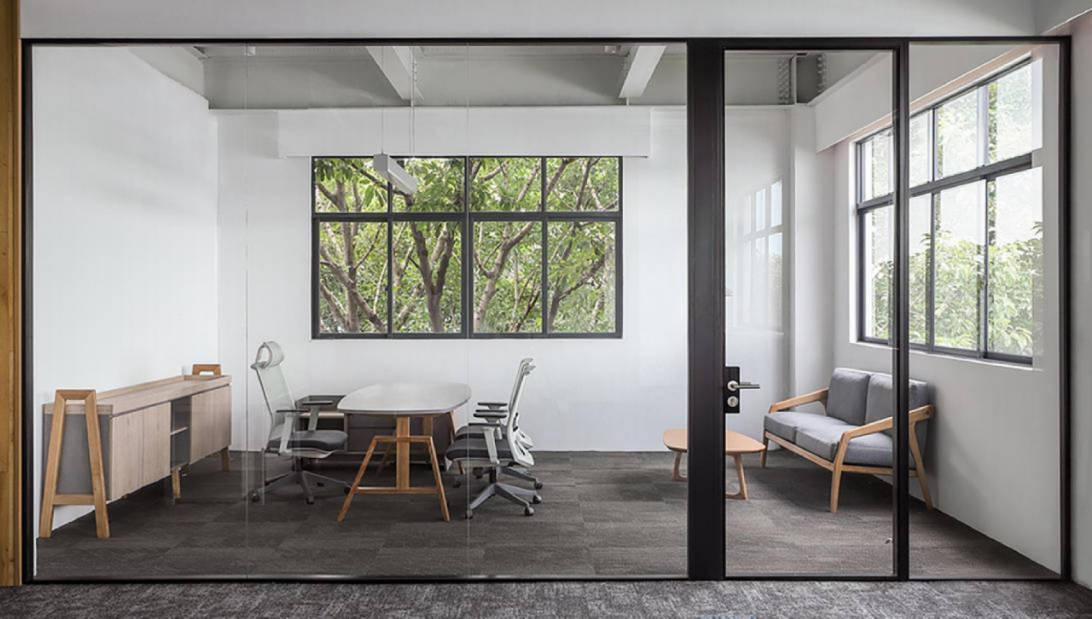
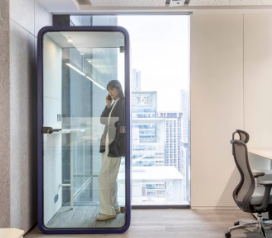
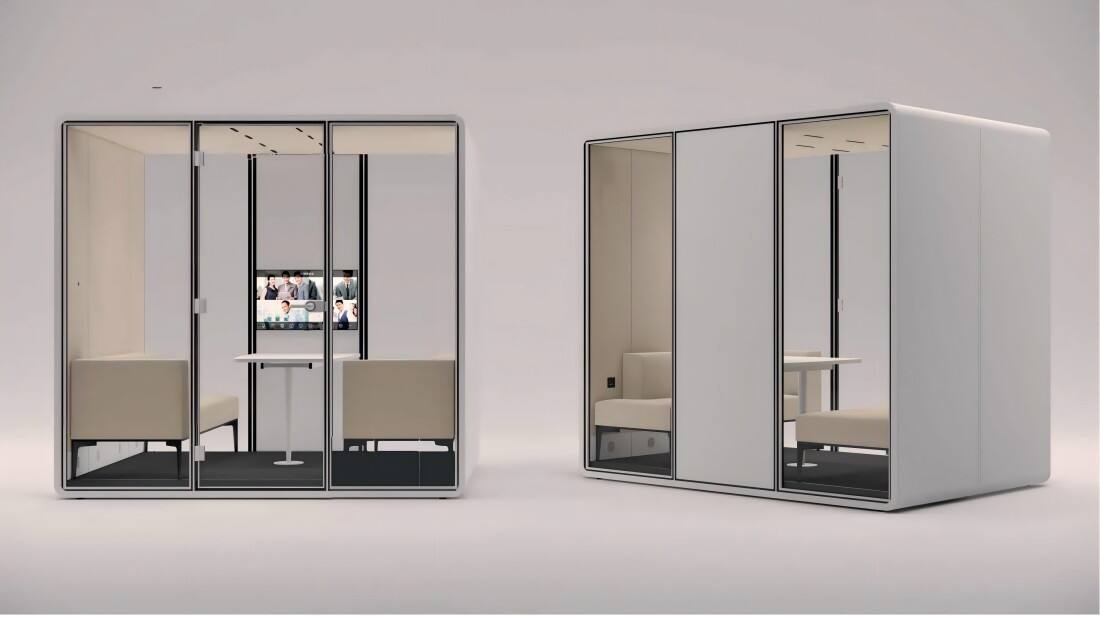
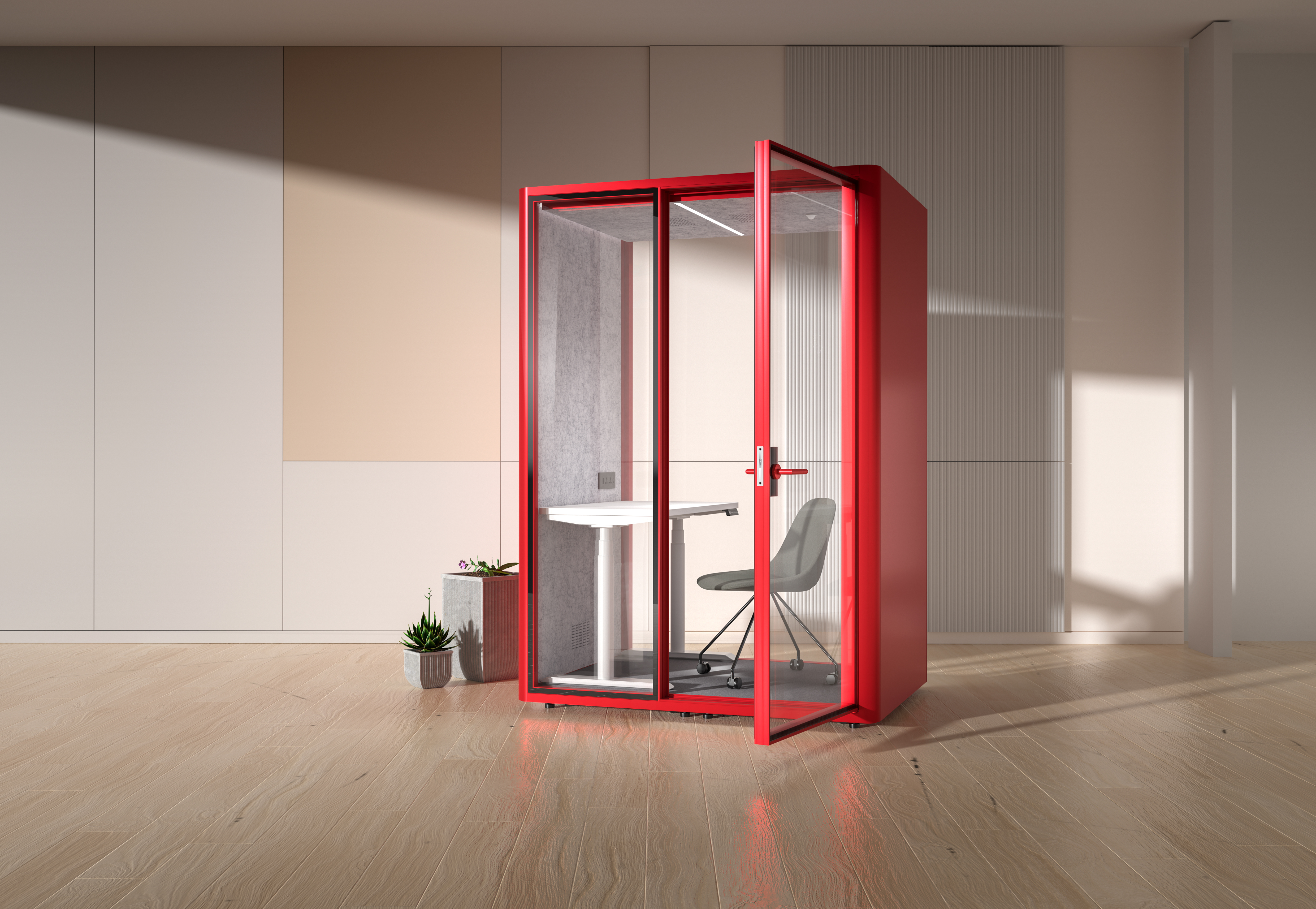
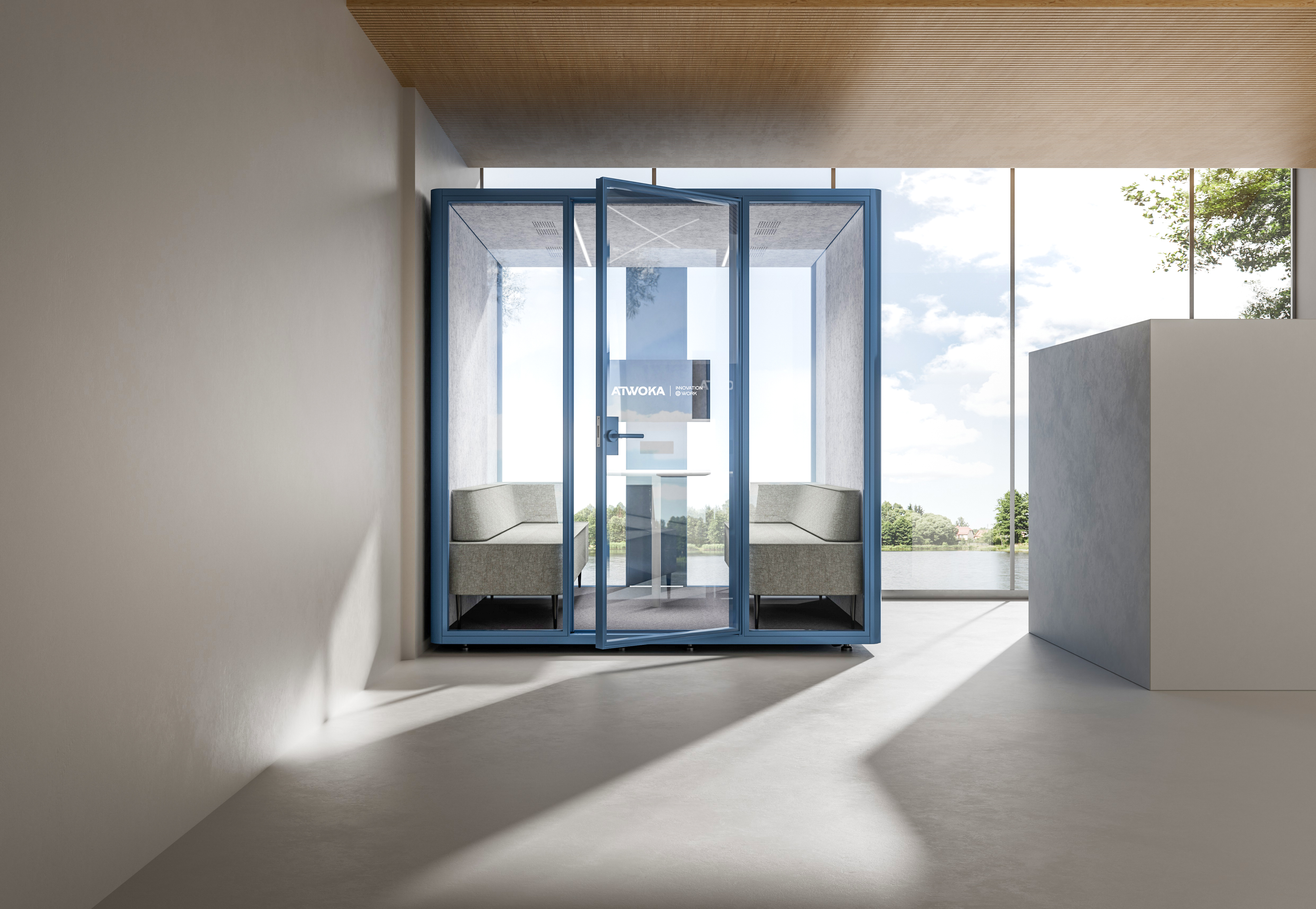
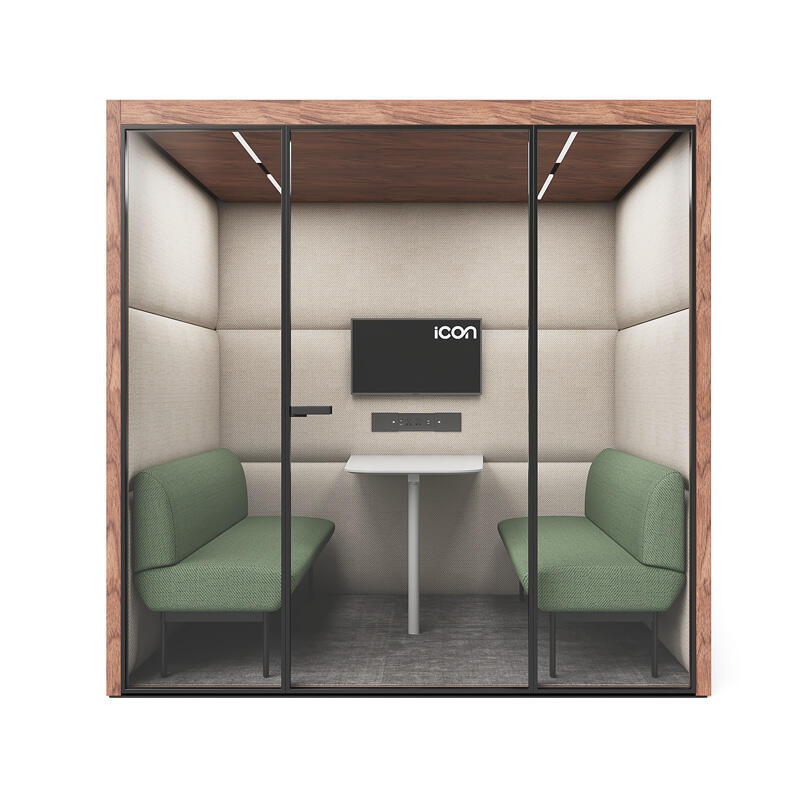
The modular design philosophy embraced by innovative startup office pod manufacturers revolutionizes how organizations approach workspace planning and implementation. This systematic approach to pod construction enables unprecedented flexibility in configuration, deployment speed, and future adaptability that traditional construction simply cannot match. The modular framework begins with standardized components that can be combined in various configurations to create spaces ranging from individual phone booths to large collaboration areas accommodating eight or more people. A sophisticated startup office pod manufacturer designs these components with precision-engineered connection systems that ensure structural integrity while maintaining the ability to reconfigure or relocate pods as organizational needs evolve. The assembly process typically requires no specialized tools or construction expertise, with most pods being fully operational within hours of delivery. Pre-fabricated panels, flooring systems, and ceiling components arrive ready for installation, complete with integrated wiring, ventilation, and acoustic treatments already in place. This approach dramatically reduces installation time compared to traditional construction, minimizing workplace disruption and allowing businesses to maintain normal operations during implementation. The design flexibility extends to interior configurations, with moveable partitions, adjustable shelving systems, and modular furniture components that can be reconfigured to support different work styles and team sizes. A progressive startup office pod manufacturer often provides extensive customization options including various exterior finishes, interior color schemes, flooring materials, and furniture selections that allow organizations to maintain consistent branding and aesthetic standards throughout their workspace. The economic advantages of modular design become apparent through reduced installation costs, minimal site preparation requirements, and the ability to relocate or reconfigure pods rather than replacing them entirely when space needs change. Quality control benefits emerge from factory-controlled manufacturing environments where components are built to exact specifications under optimal conditions, resulting in superior fit, finish, and performance compared to field-constructed alternatives. Sustainability advantages include reduced waste generation, as unused components can be returned to inventory for future projects, and the ability to completely disassemble and relocate pods rather than demolishing permanent structures. The scalability provided by modular systems allows organizations to start with pilot installations and expand gradually based on user feedback and changing requirements, reducing financial risk and ensuring optimal space utilization.

 EN
EN