
 EN
EN
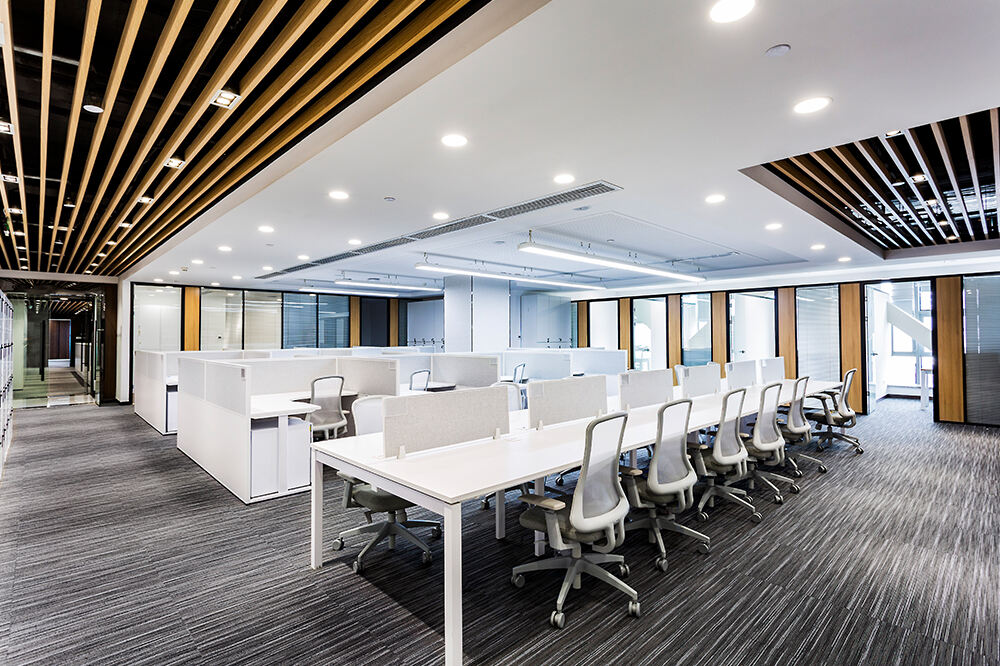
Modern workplaces have undergone significant transformations in recent decades, with open office layouts becoming the dominant architectural choice for businesses seeking collaboration and cost efficiency. However, these environments often compromise individual privacy and focus, creating challenges that impact employee productivity and well-being. Pods have emerged as an innovative solution that bridges the gap between open collaboration and private workspace needs, offering employees designated areas for concentrated work, confidential conversations, and mental restoration.

The integration of pods within open workspace designs represents a strategic response to the evolving demands of contemporary work culture. These specialized enclosures provide employees with immediate access to private spaces without requiring permanent office assignments or complex booking systems. As organizations recognize the importance of balancing collaborative energy with individual focus time, pods have become essential components of flexible workspace strategies that support diverse working styles and preferences.
Understanding the Privacy Challenges in Open Workspaces
Acoustic Disruptions and Concentration Issues
Open workspaces, while designed to facilitate communication and teamwork, often create environments where acoustic disruptions significantly impact employee concentration. The constant flow of conversations, phone calls, keyboard typing, and general office activity generates a continuous backdrop of noise that can interfere with deep work and complex problem-solving tasks. Research indicates that employees in open offices experience interruptions every few minutes, fragmenting their attention and reducing overall productivity levels.
These acoustic challenges extend beyond simple noise levels to include the cognitive burden of filtering relevant information from background chatter. Employees must constantly process and dismiss irrelevant auditory inputs, consuming mental resources that could otherwise be directed toward productive work. The psychological stress associated with unpredictable noise patterns can lead to increased fatigue, reduced job satisfaction, and elevated stress hormones that impact long-term health and performance.
Visual Distractions and Lack of Personal Space
Visual privacy concerns in open workspaces encompass both direct line-of-sight disruptions and the psychological impact of constant visibility. Employees working in open environments often report feeling surveilled or self-conscious about their work habits, break patterns, and personal interactions. This heightened awareness of being observed can create performance anxiety and inhibit natural work behaviors, ultimately reducing comfort and authenticity in the workplace.
The absence of physical boundaries also eliminates opportunities for personalization and territorial establishment that contribute to psychological well-being. Without defined personal spaces, employees may struggle to create environments that reflect their preferences, support their specific work styles, or accommodate individual needs for organization and decoration. This lack of ownership over workspace elements can diminish feelings of belonging and investment in the work environment.
How Pods Address Workspace Privacy Needs
Acoustic Isolation and Sound Management
Pods excel at providing acoustic isolation through specialized design elements that effectively manage sound transmission between interior and exterior environments. High-quality acoustic materials, strategic wall thickness, and sound-absorbing surfaces work together to create quiet zones where employees can engage in focused work without external auditory interference. These enclosures typically incorporate multiple layers of sound dampening technology that address both incoming noise reduction and internal sound containment.
The acoustic benefits of pods extend to supporting confidential conversations and phone calls that require privacy protection. Sales discussions, client consultations, performance reviews, and sensitive project planning can occur within Pods without concern for information security or disrupting nearby colleagues. This acoustic privacy enables more authentic and effective communication while maintaining professional standards and confidentiality requirements.
Visual Privacy and Psychological Comfort
The visual privacy provided by pods creates psychological sanctuaries where employees can work without feeling observed or self-conscious about their activities. Enclosed or semi-enclosed designs offer varying levels of visual separation, allowing individuals to choose environments that match their comfort preferences and task requirements. This visual barrier reduces stress associated with constant visibility and enables more natural work behaviors and break patterns.
Pods also support individual expression and personalization opportunities that enhance psychological ownership and comfort. Users can adjust lighting levels, arrange materials according to personal preferences, and create micro-environments that support their specific work styles and needs. This customization capability helps employees feel more invested in their workspace and can improve overall job satisfaction and engagement levels.
Design Features That Enhance Privacy in Pod Systems
Architectural Elements and Space Configuration
Effective pod design incorporates architectural elements that maximize privacy while maintaining integration with broader workspace layouts. Strategic entrance positioning, wall heights, and internal configurations create optimal balance between isolation and accessibility. Many pods feature angled or offset entrances that prevent direct line-of-sight into interior spaces while maintaining easy access for users and emergency egress requirements.
Interior space configuration within pods often includes flexible furniture arrangements that can accommodate different work activities and privacy needs. Adjustable seating, moveable work surfaces, and modular storage solutions enable users to customize their immediate environment for specific tasks or comfort preferences. These design considerations ensure that pods remain functional and appealing for extended use periods while supporting various work styles and requirements.
Technology Integration and Environmental Controls
Modern pods incorporate sophisticated technology integration that enhances privacy through environmental controls and communication management. Advanced ventilation systems maintain air quality and temperature comfort without requiring noisy mechanical equipment that could compromise acoustic benefits. Integrated lighting controls allow users to adjust illumination levels according to task requirements and personal preferences while reducing visual distraction for nearby workers.
Communication technology within pods often includes noise-canceling features, high-quality audio equipment for video conferencing, and connectivity solutions that support seamless integration with broader organizational technology infrastructure. These technological elements ensure that pods can accommodate modern work requirements while maintaining their core privacy and focus benefits for users.
Implementation Strategies for Pod-Based Privacy Solutions
Workplace Assessment and Planning Considerations
Successful pod implementation requires comprehensive workplace assessment that evaluates existing privacy challenges, employee needs, and spatial constraints. Organizations must analyze current workspace utilization patterns, identify peak demand periods for private spaces, and understand specific privacy requirements across different departments and roles. This assessment process helps determine optimal pod quantities, sizes, and placement strategies that maximize accessibility and effectiveness.
Planning considerations also include integration with existing workspace infrastructure, emergency egress requirements, and compliance with accessibility standards. Pods must be positioned to support natural traffic flow patterns while avoiding creation of dead zones or bottlenecks that could compromise overall workspace functionality. Careful attention to sight lines, lighting integration, and maintenance access ensures that pods enhance rather than disrupt the broader workspace environment.
User Training and Adoption Support
Employee adoption of pod-based privacy solutions requires comprehensive training and ongoing support that addresses both technical operation and etiquette considerations. Users need clear guidance on booking systems, optimal use cases, time limitations, and cleaning protocols that ensure equitable access and maintain hygiene standards. Training programs should emphasize the collaborative benefits of pods while establishing expectations for respectful usage that supports overall workplace culture.
Adoption support also includes feedback collection mechanisms that enable continuous improvement of pod systems and policies. Regular surveys, usage analytics, and informal feedback sessions help organizations understand how pods are being utilized, identify potential improvements, and address any challenges or conflicts that arise during implementation. This ongoing optimization process ensures that pods continue to meet evolving privacy needs and maintain their effectiveness over time.
Benefits Beyond Privacy in Pod-Enhanced Workspaces
Productivity and Performance Improvements
Pods contribute to significant productivity improvements that extend beyond simple privacy benefits to encompass enhanced focus, reduced stress, and improved work quality. Employees utilizing pods for concentrated work tasks often report increased ability to complete complex projects, engage in deep thinking, and maintain sustained attention on challenging problems. The elimination of external distractions enables more efficient use of time and cognitive resources, leading to higher output quality and reduced task completion times.
Performance improvements associated with pod usage also include enhanced creativity and problem-solving capabilities that benefit from uninterrupted thought processes. The psychological safety provided by private spaces enables employees to explore innovative ideas, engage in experimental approaches, and take intellectual risks that might be inhibited in more exposed environments. These creative benefits contribute to organizational innovation and competitive advantage while supporting individual professional development.
Employee Wellness and Satisfaction Outcomes
The wellness benefits of pod integration extend to stress reduction, mental health support, and overall job satisfaction improvements that impact employee retention and engagement. Access to private retreat spaces enables workers to manage stress levels, take mental breaks, and restore cognitive resources throughout the workday. These wellness benefits are particularly important for employees who find open environments overwhelming or anxiety-provoking due to personality traits or neurodivergent characteristics.
Satisfaction outcomes also include increased autonomy and control over work environment conditions that contribute to feelings of empowerment and professional respect. When employees have access to pods, they gain greater ability to self-manage their workspace needs and optimize their environment for peak performance. This autonomy enhancement supports intrinsic motivation and can improve overall organizational culture by demonstrating employer investment in employee well-being and productivity support.
FAQ
What types of work activities are best suited for pod environments
Pods are ideally suited for concentrated work activities that require sustained attention, such as writing, analysis, strategic planning, and creative projects. They excel at supporting confidential phone calls, video conferences, one-on-one meetings, and sensitive document review. Additionally, pods provide excellent environments for learning activities, skill development, and any tasks that benefit from reduced distractions and enhanced focus capabilities.
How many pods should an organization include in their workspace design
The optimal number of pods depends on workforce size, work patterns, and specific privacy needs within the organization. Generally, successful implementations include one pod for every 15-20 employees, with adjustments based on the prevalence of concentration-intensive roles, client interaction requirements, and employee feedback regarding current privacy challenges. Organizations should also consider peak usage periods and plan for sufficient capacity during high-demand times.
What maintenance and cleaning requirements do pods typically have
Pods require regular cleaning protocols that address both hygiene and functionality maintenance needs. Daily cleaning should include surface sanitization, air quality management, and technology equipment maintenance. Weekly deep cleaning covers upholstery care, ventilation system maintenance, and thorough equipment inspection. Organizations should establish clear cleaning schedules, provide necessary supplies, and train staff on proper maintenance procedures to ensure pods remain safe, functional, and appealing for all users.
Can pods be customized to meet specific organizational or accessibility requirements
Modern pod systems offer extensive customization options that accommodate organizational branding, specific functional requirements, and accessibility compliance needs. Customization possibilities include size modifications, technology integration, acoustic specifications, furniture configurations, and accessibility features such as wider doorways, adjustable work surfaces, and assistive technology integration. Manufacturers typically work closely with organizations to develop pod solutions that meet specific needs while maintaining core privacy and functionality benefits.