
 EN
EN
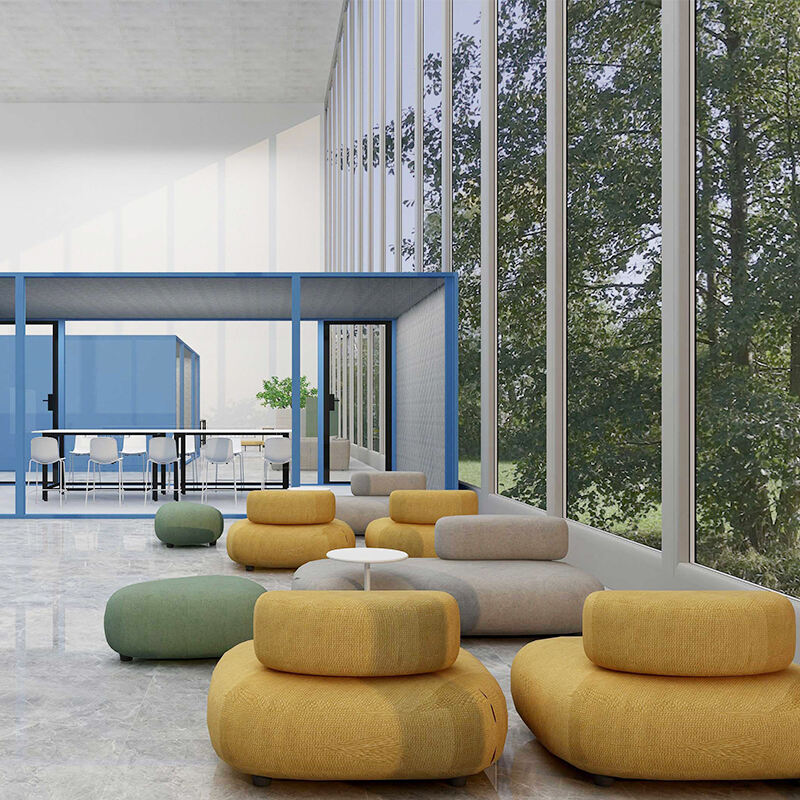
Modern workplaces are evolving beyond traditional cubicles and rigid office layouts to embrace collaborative environments that foster creativity and innovation. Designing effective collaborative zones requires careful consideration of furniture that promotes interaction while maintaining comfort and flexibility. Soft seatings have emerged as a cornerstone of contemporary workspace design, offering the versatility needed to create dynamic environments that adapt to various team activities and meeting styles. These flexible seating solutions transform static spaces into vibrant hubs of collaboration, encouraging spontaneous interactions and structured group work alike.
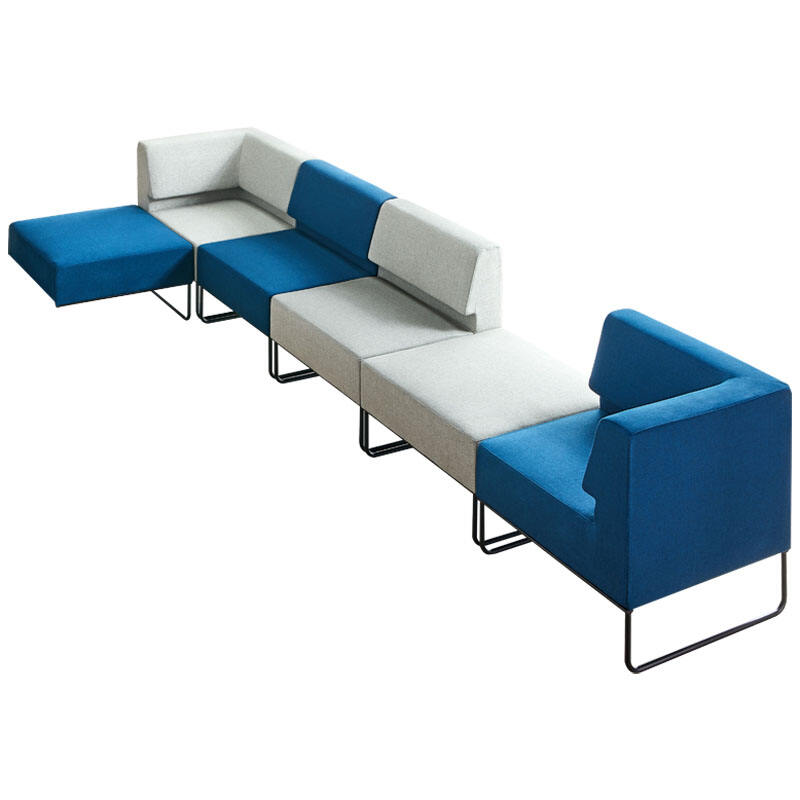
The shift toward collaborative workspaces reflects changing employee expectations and work patterns. Teams increasingly value environments that support both focused work and collaborative sessions, requiring furniture that can seamlessly transition between different modes of use. Soft seatings provide the adaptability that modern professionals demand, creating inviting spaces that encourage participation and engagement across diverse work activities.
Understanding the Role of Soft Seating in Collaborative Design
Creating Comfortable Interaction Spaces
Comfort plays a crucial role in facilitating effective collaboration, as uncomfortable seating can quickly derail productive meetings and brainstorming sessions. Soft seatings eliminate the formality and rigidity associated with traditional office furniture, creating welcoming environments that put participants at ease. The cushioned surfaces and ergonomic designs of modern soft seating options reduce physical discomfort during extended collaborative sessions, allowing teams to focus on their work rather than their seating arrangements.
The psychological impact of comfortable seating cannot be understated in collaborative environments. When employees feel physically comfortable, they are more likely to contribute ideas freely and engage in meaningful discussions. Soft seatings create a relaxed atmosphere that breaks down hierarchical barriers and encourages open communication across all organizational levels.
Flexibility and Reconfiguration Benefits
One of the primary advantages of incorporating soft seatings into collaborative zones is their inherent flexibility and ease of reconfiguration. Unlike fixed furniture installations, modular soft seating systems can be quickly rearranged to accommodate different group sizes and meeting formats. This adaptability ensures that collaborative spaces remain functional and relevant as team needs evolve throughout the workday.
The lightweight nature of many soft seating options allows employees to spontaneously create meeting areas wherever needed. This flexibility supports the growing trend toward activity-based working, where employees choose the most appropriate environment for their current tasks. Soft seatings enable the creation of impromptu collaboration zones that can be established and dismantled without requiring specialized facilities or extensive planning.
Planning Your Collaborative Zone Layout
Space Assessment and Traffic Flow
Effective collaborative zone design begins with a thorough assessment of available space and existing traffic patterns within the workplace. Understanding how employees naturally move through the office environment helps identify optimal locations for soft seatings that will see regular use without disrupting primary circulation routes. Strategic placement of collaborative furniture ensures that these zones become integral parts of the workplace ecosystem rather than isolated additions.
Consider the proximity of collaborative zones to other workspace functions when planning layouts. Soft Seatings should be positioned to take advantage of natural gathering points while maintaining appropriate separation from quiet work areas. The goal is to create collaborative spaces that feel accessible and inviting without compromising the productivity of individual workstations.
Sizing and Capacity Considerations
Determining the appropriate size and capacity for collaborative zones requires analysis of typical team sizes and meeting patterns within your organization. Soft seatings offer the advantage of scalable solutions that can accommodate small intimate discussions as well as larger group sessions. Planning for flexibility in group sizes ensures that collaborative spaces remain useful across various organizational activities and departments.
Consider creating multiple collaborative zones of different sizes rather than a single large space. This approach allows for simultaneous use by multiple teams and provides options for different types of collaborative activities. Soft seatings can be configured to support everything from quick stand-up meetings to extended brainstorming sessions, maximizing the utility of available space.
Selecting Appropriate Soft Seating Options
Modular Systems and Configuration Possibilities
Modular soft seating systems offer unparalleled versatility in creating collaborative environments that can evolve with changing organizational needs. These systems typically include various components such as corner units, straight sections, and standalone pieces that can be combined in countless configurations. The modular approach ensures that soft seatings can be reconfigured as teams grow, shrink, or change their collaborative preferences over time.
When selecting modular soft seating systems, consider the range of configuration options available and how well they align with your organization's collaborative patterns. Look for systems that offer both intimate conversation settings and larger group configurations. The best modular soft seatings provide clear connection mechanisms that ensure stable configurations while maintaining ease of reconfiguration when needed.
Material Selection and Durability
The materials used in soft seatings significantly impact both their longevity and their suitability for collaborative environments. Commercial-grade fabrics and foam systems are essential for withstanding the frequent use and reconfiguration that characterizes active collaborative zones. Consider materials that offer stain resistance and easy cleaning, as collaborative spaces often experience higher traffic and varied use patterns compared to individual workstations.
Durability considerations extend beyond material selection to include frame construction and connection systems. High-quality soft seatings feature robust internal structures that maintain their shape and support despite frequent movement and reconfiguration. Investing in durable soft seating options ensures that collaborative zones remain functional and attractive throughout their operational lifespan.
Integration with Technology and Workspace Tools
Power and Connectivity Solutions
Modern collaborative work relies heavily on digital tools and devices, making power and connectivity integration essential features of effective soft seating installations. Many contemporary soft seatings incorporate built-in power outlets and USB charging ports, eliminating the need for extension cords and reducing cable clutter in collaborative zones. These integrated solutions maintain the clean, uncluttered appearance that makes soft seating environments so appealing.
Consider wireless charging capabilities and data connectivity options when selecting soft seatings for collaborative zones. Advanced systems may include wireless charging pads integrated into armrests or side tables, providing seamless device charging without visible cables. Network connectivity options ensure that collaborative sessions can leverage digital tools without being constrained by infrastructure limitations.
Supporting Furniture and Accessories
While soft seatings form the foundation of collaborative zones, supporting furniture and accessories enhance functionality and user experience. Mobile whiteboards, adjustable tables, and storage solutions complement soft seating installations by providing the tools necessary for effective collaboration. The key is selecting supporting elements that maintain the flexibility and aesthetic appeal of the soft seating environment.
Accessories should be chosen to enhance rather than complicate the collaborative environment. Simple, mobile solutions that can be easily repositioned alongside soft seatings ensure that collaborative zones remain adaptable to different activities and group sizes. Consider accessories that can be stored discretely when not needed, maintaining the clean, inviting appearance that makes soft seating areas so attractive to users.
Acoustic Considerations and Privacy
Sound Management in Open Environments
Acoustic management presents one of the primary challenges in designing collaborative zones with soft seatings, particularly in open office environments. The informal nature of soft seating areas can lead to increased noise levels that may disrupt nearby workstations. Strategic placement of acoustic treatments and sound-absorbing materials helps contain collaborative discussions while maintaining the open, accessible feel of soft seating zones.
Soft seatings themselves can contribute to acoustic management through material selection and configuration. Upholstered surfaces naturally absorb sound, helping to reduce echo and reverberation within collaborative areas. High-backed soft seating options provide additional sound containment while maintaining visual openness and accessibility.
Creating Semi-Private Collaboration Areas
Balancing openness with privacy requirements calls for thoughtful configuration of soft seatings to create semi-private collaborative zones. Strategic arrangement of seating elements can define collaborative spaces without creating complete isolation from the broader workplace. This approach maintains the energy and connectivity of open environments while providing sufficient privacy for focused team discussions.
Consider using varied heights and orientations of soft seatings to create natural boundaries and visual separation. Taller back cushions and strategic positioning can provide psychological privacy without requiring permanent architectural modifications. This flexibility allows organizations to adjust privacy levels based on the specific needs of different collaborative activities and team preferences.
Color Schemes and Aesthetic Integration
Harmonizing with Existing Design Elements
Successful integration of soft seatings into collaborative zones requires careful consideration of existing design elements and color schemes throughout the workplace. The informal nature of soft seating should complement rather than clash with the overall aesthetic vision of the office environment. Harmonious color selection ensures that collaborative zones feel like natural extensions of the workplace rather than disconnected additions.
Consider the psychological impact of color choices in collaborative environments when selecting soft seatings. Warm, inviting colors can encourage participation and creativity, while neutral tones provide versatility and longevity. The goal is to create collaborative zones that feel welcoming and energizing without overwhelming the senses or creating visual distractions that impede productive collaboration.
Brand Identity and Cultural Expression
Soft seatings in collaborative zones offer opportunities to express organizational culture and reinforce brand identity through design choices. Color schemes, patterns, and styling can reflect company values and create distinctive environments that employees associate with collaboration and innovation. This cultural integration helps establish collaborative zones as integral parts of the organizational identity rather than generic meeting spaces.
Balance brand expression with functionality and user comfort when customizing soft seating selections. While brand colors and design elements can enhance the collaborative environment, the primary focus should remain on creating spaces that employees genuinely want to use for collaborative activities. Subtle brand integration often proves more effective than bold statements that may become dated or overwhelming over time.
Maintenance and Longevity Planning
Cleaning and Care Protocols
Maintaining the appearance and functionality of soft seatings in collaborative zones requires establishing clear cleaning and care protocols that address the unique challenges of high-traffic, flexible-use environments. Regular maintenance schedules should account for the increased wear and varied use patterns typical of collaborative spaces. Proper care ensures that soft seatings remain attractive and hygienic throughout their operational lifespan.
Develop maintenance procedures that account for the modular nature of many soft seating systems. Individual components may require different care approaches, and the ability to clean or replace specific elements without disrupting entire configurations adds significant value to collaborative zone operations. Consider maintenance requirements as part of the initial selection process to ensure long-term success of soft seating installations.
Replacement and Upgrade Strategies
Planning for future replacement and upgrade needs ensures that collaborative zones with soft seatings remain functional and attractive as organizational needs evolve. Modular systems offer advantages in this regard, allowing for partial replacements or expansions without complete furniture overhauls. Strategic planning for upgrades helps organizations maintain effective collaborative environments while managing costs over time.
Consider the availability of replacement parts and upgrade components when selecting soft seating systems for collaborative zones. Manufacturers that offer comprehensive support and component availability provide better long-term value despite potentially higher initial costs. This forward-thinking approach ensures that collaborative spaces can adapt and evolve alongside organizational growth and changing collaboration needs.
FAQ
What are the key benefits of using soft seatings in collaborative zones
Soft seatings provide exceptional flexibility, comfort, and aesthetic appeal in collaborative environments. They can be easily reconfigured to accommodate different group sizes and meeting formats, create welcoming atmospheres that encourage participation, and offer modular solutions that adapt to changing organizational needs. The comfort factor reduces physical distractions during extended collaborative sessions, while the informal nature of soft seating helps break down hierarchical barriers and promotes open communication.
How do I determine the right size and configuration for collaborative zones
Assess your organization's typical team sizes, meeting patterns, and available space to determine optimal configurations. Consider creating multiple collaborative zones of different sizes rather than one large area to accommodate simultaneous use by various teams. Analyze traffic flow patterns and proximity to other workspace functions to ensure collaborative zones are accessible without disrupting quiet work areas. Plan for flexibility by selecting modular systems that can be reconfigured as needs evolve.
What maintenance considerations are important for soft seatings in high-traffic areas
Choose commercial-grade materials with stain resistance and easy cleaning properties for collaborative zones that experience frequent use. Establish regular maintenance schedules that account for increased wear patterns and varied use. Consider modular systems that allow for cleaning or replacement of individual components without disrupting entire configurations. Plan for long-term maintenance by selecting manufacturers that offer comprehensive support and readily available replacement parts.
How can I integrate technology needs with soft seating collaborative zones
Look for soft seating options with built-in power outlets, USB charging ports, and wireless charging capabilities to support digital collaboration tools. Consider network connectivity options and cable management solutions that maintain the clean appearance of soft seating areas. Select supporting furniture and accessories that complement the soft seating while providing necessary tools for effective collaboration, such as mobile whiteboards and adjustable tables that can be easily repositioned as needed.
Table of Contents
- Understanding the Role of Soft Seating in Collaborative Design
- Planning Your Collaborative Zone Layout
- Selecting Appropriate Soft Seating Options
- Integration with Technology and Workspace Tools
- Acoustic Considerations and Privacy
- Color Schemes and Aesthetic Integration
- Maintenance and Longevity Planning
-
FAQ
- What are the key benefits of using soft seatings in collaborative zones
- How do I determine the right size and configuration for collaborative zones
- What maintenance considerations are important for soft seatings in high-traffic areas
- How can I integrate technology needs with soft seating collaborative zones