
 EN
EN
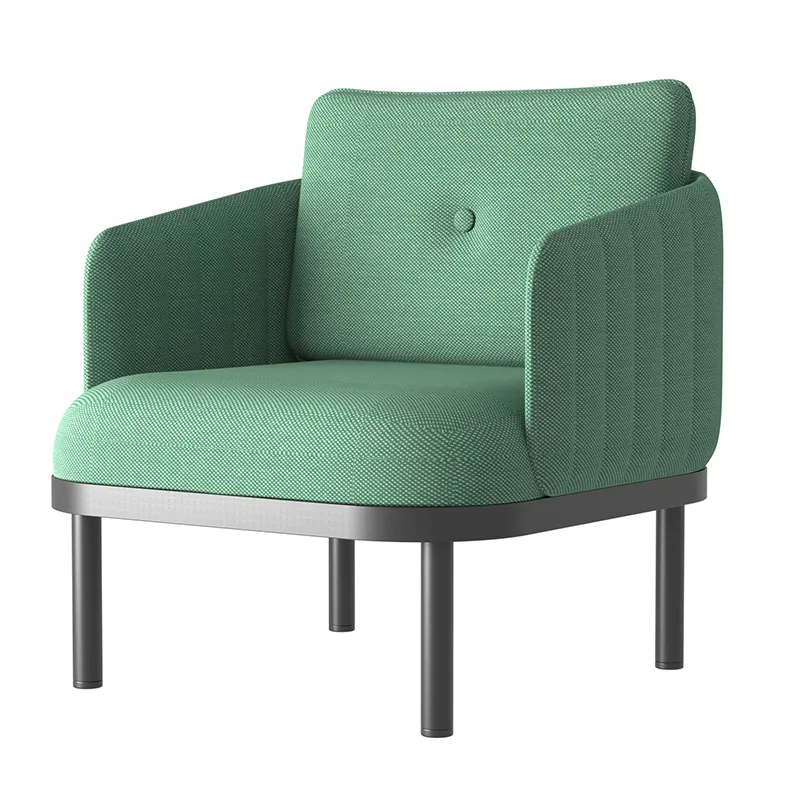
Modern office environments and commercial spaces increasingly rely on comfortable and aesthetically pleasing furniture to create welcoming atmospheres for employees and clients. Soft seatings have become essential components in contemporary workspace design, offering both comfort and style while contributing to overall productivity and well-being. However, maintaining these valuable furniture investments requires proper care and attention to ensure they remain attractive, hygienic, and durable throughout their intended lifespan. Understanding the fundamentals of cleaning and maintenance practices can significantly extend the life of your furniture while preserving its appearance and functionality.
Understanding Different Types of Soft Seating Materials
Fabric Upholstery Characteristics
Fabric-based soft seatings encompass a wide variety of materials, each with unique cleaning requirements and maintenance protocols. Natural fibers such as cotton, linen, and wool offer breathability and comfort but may be more susceptible to staining and wear. These materials typically require gentle cleaning approaches and regular vacuuming to maintain their texture and appearance. Synthetic fabrics like polyester, nylon, and microfiber blends often provide enhanced durability and stain resistance, making them popular choices for high-traffic commercial environments.
The weave and construction of fabric upholstery also influence maintenance requirements. Tightly woven fabrics generally resist dirt penetration better than loose weaves, while textured surfaces may trap debris more readily than smooth finishes. Understanding these characteristics helps facility managers and homeowners develop appropriate cleaning schedules and select suitable cleaning products for their specific soft seatings.
Leather and Vinyl Considerations
Leather soft seatings require specialized care to maintain their luxurious appearance and prevent cracking or premature aging. Genuine leather needs regular conditioning to preserve its natural oils and flexibility, while bonded or faux leather materials may have different maintenance requirements. The grade and finish of leather significantly impact cleaning protocols, with some treatments requiring specific pH-balanced cleaners to avoid damage.
Vinyl upholstery offers excellent durability and easy maintenance compared to other materials, making it popular in healthcare and hospitality settings. However, vinyl can become brittle over time if not properly cared for, particularly when exposed to extreme temperatures or harsh cleaning chemicals. Regular cleaning with appropriate products helps maintain the material's flexibility and appearance while preventing premature deterioration.
Essential Cleaning Techniques and Best Practices
Daily Maintenance Routines
Establishing consistent daily maintenance routines forms the foundation of effective soft seatings care. Regular surface cleaning removes loose debris, dust, and surface contaminants before they can penetrate deeper into the upholstery materials. Gentle vacuuming using appropriate attachments helps maintain the appearance of fabric surfaces while preventing the accumulation of allergens and particles that can cause premature wear.
For leather and vinyl surfaces, daily wiping with a clean, slightly damp cloth removes surface dust and prevents the buildup of oils and grime. This simple practice helps maintain the material's natural luster and prevents the formation of stubborn stains that may require more aggressive cleaning methods. Implementing these basic routines across all soft seatings in a facility ensures consistent care standards and helps identify potential issues before they become major problems.
Deep Cleaning Procedures
Periodic deep cleaning addresses embedded dirt, stains, and odors that daily maintenance cannot eliminate. Professional-grade cleaning equipment and techniques often provide superior results compared to basic cleaning methods, particularly for heavily used soft seatings in commercial environments. Steam cleaning, extraction methods, and specialized cleaning solutions can restore appearance and hygiene standards when applied correctly.
The frequency of deep cleaning depends on usage patterns, environmental factors, and the specific requirements of different materials. High-traffic areas may require monthly deep cleaning, while lightly used spaces might need attention only quarterly or semi-annually. Documenting cleaning schedules and results helps optimize maintenance intervals and identify the most effective approaches for different types of Soft Seatings throughout the facility.
Preventing Common Issues and Extending Furniture Lifespan
Stain Prevention Strategies
Implementing proactive stain prevention measures significantly reduces the need for intensive cleaning and helps preserve the appearance of soft seatings over time. Protective treatments such as fabric guards and leather conditioners create barriers against spills and stains while maintaining the material's natural properties. These treatments should be reapplied periodically according to manufacturer recommendations to maintain effectiveness.
Environmental controls also play crucial roles in preventing staining and deterioration. Proper lighting, temperature, and humidity management help preserve material integrity while reducing the likelihood of fading, cracking, or other damage. Positioning soft seatings away from direct sunlight, heat sources, and high-moisture areas minimizes exposure to conditions that can accelerate wear and create maintenance challenges.
Wear Pattern Management
Understanding and managing wear patterns helps distribute usage more evenly across soft seatings, preventing premature deterioration in high-use areas. Rotating cushions and periodically rearranging furniture layouts can help achieve more uniform wear patterns. This approach is particularly effective in commercial settings where certain seating positions experience disproportionately heavy use.
Regular inspections for signs of wear, loose threads, or structural issues enable prompt repairs before minor problems become major concerns. Addressing small tears, loose buttons, or worn areas immediately prevents further damage and maintains the professional appearance of soft seatings throughout their service life. Professional reupholstery services can restore severely worn pieces when replacement is not economically viable.
Professional Maintenance Services and When to Use Them
Evaluating Professional Cleaning Options
Professional cleaning services offer specialized expertise and equipment that can achieve superior results compared to in-house maintenance efforts. These services typically employ trained technicians who understand the specific requirements of different upholstery materials and can apply appropriate cleaning methods without causing damage. Professional services are particularly valuable for expensive or delicate soft seatings that require specialized care.
Cost-benefit analysis should consider factors such as equipment investment, staff training requirements, cleaning product costs, and the value of the furniture being maintained. For many organizations, professional services provide better overall value while ensuring consistent quality and reducing the risk of damage from improper cleaning techniques. Regular professional maintenance contracts can also provide predictable budgeting and ensure consistent care standards across all soft seatings.
Restoration and Repair Services
Professional restoration services can often revitalize soft seatings that appear beyond salvation, providing cost-effective alternatives to complete replacement. These services may include deep cleaning, fabric protection treatment, minor repairs, and color restoration for faded materials. Skilled craftspeople can address structural issues, replace worn components, and restore the original appearance of valuable furniture pieces.
Timing restoration services appropriately maximizes their effectiveness and extends furniture lifespan. Early intervention for minor issues typically costs less than addressing major problems that have developed over time. Regular professional assessments can identify potential issues and recommend appropriate maintenance or restoration approaches before problems become severe enough to require replacement.
Environmental Factors and Seasonal Considerations
Climate Control Impact
Environmental conditions significantly influence the maintenance requirements and longevity of soft seatings in any setting. Humidity levels affect material behavior, with excessive moisture potentially causing mold, mildew, and fabric degradation, while overly dry conditions can lead to cracking in leather and brittleness in other materials. Maintaining optimal humidity levels between 30-50% helps preserve material integrity and reduces maintenance challenges.
Temperature fluctuations also impact soft seatings maintenance requirements. Extreme temperatures can cause materials to expand and contract, leading to stress on seams, joints, and structural components. Consistent temperature control helps minimize these effects and reduces the frequency of repairs and adjustments needed to maintain proper functionality and appearance of soft seatings throughout the year.
Seasonal Maintenance Adjustments
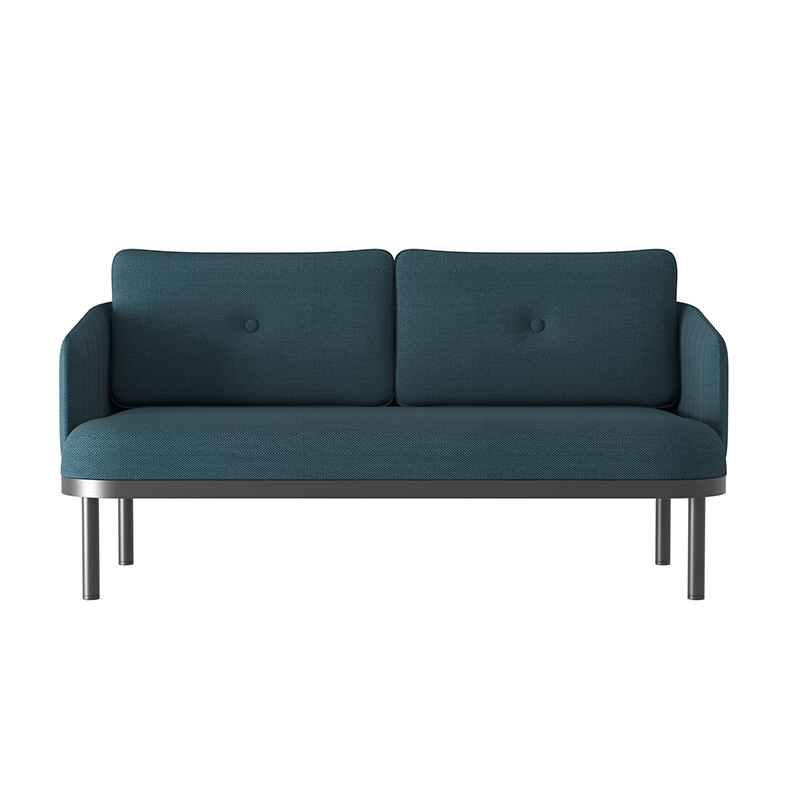
Seasonal changes often require adjustments to maintenance routines and cleaning schedules to address varying environmental conditions and usage patterns. Winter months may bring increased indoor humidity from heating systems and more frequent tracking of moisture and debris from outdoor conditions. Summer seasons might introduce challenges from air conditioning systems and increased usage of outdoor-adjacent seating areas.
Adapting cleaning products and techniques to seasonal conditions helps maintain consistent care standards throughout the year. For example, increased attention to moisture protection during humid seasons and enhanced conditioning treatments during dry periods can help preserve soft seatings regardless of environmental challenges. Seasonal deep cleaning schedules can also address accumulated effects from changing conditions and usage patterns.
Cost Management and Budgeting for Maintenance
Developing Maintenance Budgets
Effective budgeting for soft seatings maintenance requires understanding both routine costs and potential major expenses over the furniture's expected lifespan. Regular maintenance expenses include cleaning supplies, professional services, and staff time, while major costs might include reupholstery, structural repairs, or eventual replacement. Accurate budgeting helps organizations maintain their furniture investments without unexpected financial impacts.
Life cycle cost analysis provides valuable insights for budgeting decisions by considering purchase price, maintenance costs, expected lifespan, and replacement timing. This approach helps justify investments in higher-quality soft seatings that may have lower total ownership costs despite higher initial prices. Regular budget reviews and adjustments ensure maintenance programs remain financially sustainable while meeting quality standards.
Cost-Effective Maintenance Strategies
Implementing cost-effective maintenance strategies helps maximize value from furniture investments while maintaining acceptable appearance and functionality standards. Preventive maintenance typically costs less than reactive repairs and provides better long-term results. Training staff in proper daily maintenance techniques reduces the need for professional services while ensuring consistent care standards.
Bulk purchasing of cleaning supplies and maintenance contracts can provide cost savings compared to individual transactions. Group purchasing arrangements with other organizations or facilities can further reduce costs while ensuring access to quality products and services. These strategies help optimize maintenance budgets while maintaining effective care programs for all soft seatings in the facility.
FAQ
How often should soft seatings be professionally cleaned
The frequency of professional cleaning depends on usage intensity, environmental conditions, and material type. High-traffic commercial soft seatings typically require professional cleaning every 3-6 months, while residential or low-use commercial pieces may need attention only annually or semi-annually. Leather and vinyl materials often require less frequent professional cleaning than fabric upholstery, but they benefit from regular conditioning treatments to maintain their appearance and durability.
What cleaning products should be avoided on different upholstery materials
Harsh chemicals, bleach-based cleaners, and products with high alcohol content can damage most upholstery materials and should be avoided. Leather soft seatings are particularly sensitive to alkaline cleaners and saddle soaps that can strip natural oils and cause cracking. Fabric materials may be damaged by strong solvents or cleaners that are not pH-balanced for the specific fiber type. Always test cleaning products in inconspicuous areas before applying them to visible surfaces.
Can water damage be prevented on fabric soft seatings
Water damage prevention involves both protective treatments and prompt response to spills. Fabric protection sprays can help repel liquids and provide time for cleanup before absorption occurs. However, these treatments must be reapplied periodically to remain effective. When spills occur, immediate blotting with clean, absorbent materials prevents deep penetration and reduces the likelihood of staining or water damage to underlying foam and structural components.
When should soft seatings be replaced rather than maintained
Replacement becomes more cost-effective than continued maintenance when repair costs exceed 50-60% of replacement value, when structural integrity is compromised, or when health and safety concerns arise from contamination that cannot be effectively addressed through cleaning. Soft seatings showing extensive wear, permanent staining, persistent odors, or frame damage may be better candidates for replacement than continued maintenance efforts, particularly in professional environments where appearance standards are critical.
Table of Contents
- Understanding Different Types of Soft Seating Materials
- Essential Cleaning Techniques and Best Practices
- Preventing Common Issues and Extending Furniture Lifespan
- Professional Maintenance Services and When to Use Them
- Environmental Factors and Seasonal Considerations
- Cost Management and Budgeting for Maintenance
- FAQ