
 EN
EN
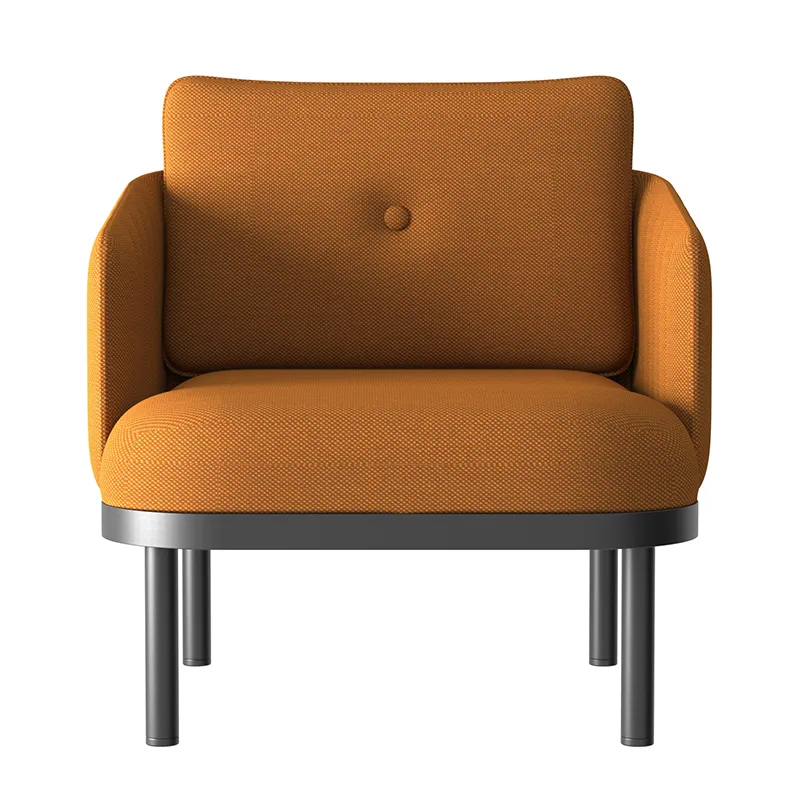
Modern workplace design has evolved dramatically, with office lounge areas becoming essential spaces that balance productivity and relaxation. The integration of soft seatings into contemporary office environments represents a fundamental shift toward creating more comfortable, inviting, and human-centered workspaces. These versatile furniture pieces serve multiple functions, from providing casual meeting spaces to offering employees comfortable areas for brief respites during busy workdays.
Understanding the Role of Soft Seatings in Modern Offices
Defining Contemporary Office Comfort
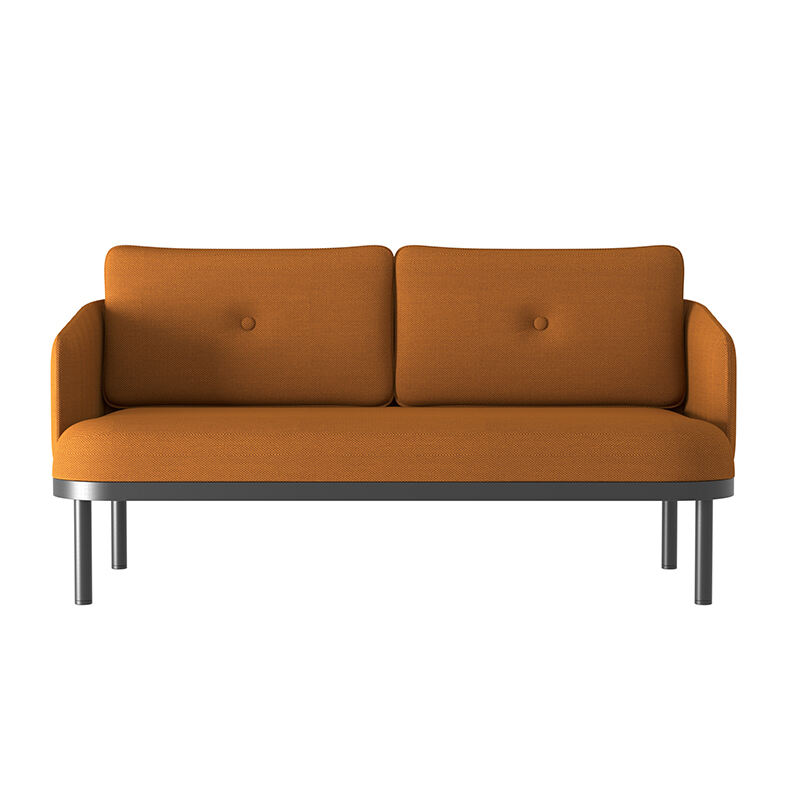
The concept of office comfort has expanded beyond traditional desk chairs and conference room seating. Soft seatings encompass a wide range of upholstered furniture designed to create relaxed, informal environments within professional settings. These pieces typically feature plush cushioning, ergonomic support, and contemporary aesthetics that complement modern office design principles. The integration of such furniture reflects a growing understanding that employee wellbeing directly impacts productivity and job satisfaction.
Organizations increasingly recognize that diverse seating options accommodate different work styles and preferences. Some employees thrive in collaborative environments with comfortable lounge seating, while others prefer quiet corners with supportive soft seatings for focused work or brief relaxation periods. This variety helps create inclusive workspaces that cater to different personality types and work requirements, ultimately fostering a more dynamic and adaptable office culture.
The Psychology Behind Comfortable Workspaces
Research consistently demonstrates that comfortable physical environments significantly influence employee mood, creativity, and overall performance. Soft seatings contribute to psychological comfort by creating spaces that feel less formal and more welcoming than traditional office furniture. This psychological shift can reduce stress levels, encourage informal collaboration, and provide employees with necessary mental breaks throughout their workday.
The visual appeal of well-designed soft seatings also plays a crucial role in workplace satisfaction. Employees often associate comfortable, stylish furniture with organizations that value their wellbeing and invest in creating positive work environments. This perception can improve employee retention, attract top talent, and enhance overall company culture by demonstrating a commitment to creating spaces where people genuinely want to spend time.
Design Principles for Stylish Office Lounge Areas
Color Coordination and Visual Harmony
Successful integration of soft seatings requires careful attention to color schemes and visual cohesion throughout office spaces. Neutral tones like grays, beiges, and soft whites provide versatile foundations that complement various design elements while maintaining professional appearances. However, strategic use of accent colors through cushions, throws, or upholstery details can add personality and visual interest without overwhelming the space.
The key lies in creating balance between comfort and professionalism. Soft seatings should enhance rather than dominate office aesthetics, seamlessly blending with existing furniture and architectural elements. Consider the natural lighting conditions, wall colors, and flooring materials when selecting upholstery fabrics and finishes to ensure harmonious integration that supports both style and functionality.
Space Planning and Traffic Flow
Effective placement of soft seatings requires thoughtful consideration of office traffic patterns and spatial relationships. These furniture pieces should create inviting gathering spaces without impeding movement or blocking important sightlines. Strategic positioning near natural light sources, away from high-traffic corridors, helps establish peaceful zones where employees can comfortably relax or engage in informal meetings.
The arrangement of Soft Seatings should promote natural conversation and interaction while providing options for individual use. Consider creating clusters of seating that can accommodate different group sizes, from intimate two-person conversations to larger team gatherings. This flexibility ensures maximum utilization of lounge areas while maintaining the comfortable, welcoming atmosphere that makes these spaces valuable.
Material Selection and Durability Considerations
Fabric Choices for High-Traffic Environments
Office environments demand furniture that can withstand frequent use while maintaining aesthetic appeal over time. When selecting soft seatings, prioritize fabrics with high durability ratings, stain resistance, and easy maintenance requirements. Performance fabrics specifically designed for commercial applications offer superior longevity compared to residential-grade materials, making them ideal investments for busy office settings.
Consider fabrics with antimicrobial treatments, especially in shared seating areas where hygiene concerns are paramount. Modern textile technologies provide options that combine comfort, durability, and cleanliness without sacrificing visual appeal. These advanced materials help ensure that soft seatings remain fresh, comfortable, and professional-looking even with heavy daily use across diverse employee populations.
Structural Integrity and Long-term Performance
The underlying construction quality of soft seatings significantly impacts both comfort and longevity. Look for pieces featuring hardwood frames, high-density foam cushioning, and reinforced joints that can withstand commercial use patterns. Quality construction ensures that seating maintains its shape, support, and appearance over years of regular use, protecting the initial investment while providing consistent comfort.
Regular maintenance protocols can extend the lifespan of office soft seatings considerably. Establish cleaning schedules, rotate cushions periodically, and address minor repairs promptly to prevent more extensive damage. This proactive approach helps maintain the professional appearance of lounge areas while ensuring that employees continue to enjoy comfortable, supportive seating throughout the furniture's service life.
Ergonomic Features and Employee Wellbeing
Supporting Proper Posture and Comfort
Even in relaxed lounge settings, soft seatings should provide adequate support to promote good posture and prevent discomfort during extended use. Look for designs that incorporate lumbar support, appropriate seat depth, and armrests positioned at comfortable heights. These ergonomic features help prevent fatigue and discomfort, allowing employees to use lounge areas for longer periods without experiencing physical strain.
The height and depth of soft seatings should accommodate users of different sizes comfortably. Consider the average height and build of your employee population when selecting furniture, ensuring that most people can sit with feet flat on the floor and backs properly supported. This attention to ergonomic detail demonstrates organizational commitment to employee health while maximizing the practical value of lounge investments.
Creating Zones for Different Activities
Effective office lounge design incorporates various types of soft seatings to support different activities and preferences. Some employees may prefer lower, more casual seating for relaxation, while others might need slightly more upright positions for laptop work or informal meetings. Providing this variety through thoughtfully selected soft seatings ensures that lounge areas serve multiple functions effectively.
Consider incorporating mobile or modular soft seatings that can be reconfigured as needs change. This flexibility allows teams to adapt spaces for specific projects or events while maintaining the overall comfort and style of the lounge environment. Such adaptability maximizes the return on furniture investments while keeping office spaces fresh and responsive to evolving workplace needs.
Integration with Technology and Modern Work Habits
Power Access and Connectivity Solutions
Contemporary soft seatings must accommodate the technological needs of modern workers who frequently use laptops, tablets, and mobile devices throughout their workdays. Consider furniture designs that incorporate built-in charging stations, USB ports, or convenient access to power outlets. These features ensure that employees can remain productive and connected even while using lounge areas for work-related activities.
Wireless charging capabilities and integrated cable management systems represent advanced features that can enhance the functionality of soft seatings in modern offices. These technologies eliminate clutter while providing convenient access to power, creating cleaner, more organized lounge environments that support both relaxation and light work activities seamlessly.
Acoustic Considerations and Privacy
The placement and design of soft seatings can significantly impact acoustic comfort in office environments. Strategic positioning can help create quieter zones for relaxation or confidential conversations, while the upholstered surfaces of quality seating naturally absorb sound and reduce overall noise levels. This acoustic benefit contributes to more comfortable, productive work environments.
Consider incorporating soft seatings with higher backs or side panels to provide visual and acoustic privacy for users. These design elements create semi-private spaces within open office environments, allowing employees to enjoy quiet breaks or conduct informal meetings without disturbing colleagues or feeling overly exposed in busy office settings.
Budget Planning and Return on Investment
Cost-Effective Selection Strategies
Investing in quality soft seatings requires careful budget planning and consideration of long-term value rather than initial cost alone. While premium furniture may require higher upfront investments, superior construction and materials typically provide better durability, lower maintenance costs, and longer service life. This long-term perspective helps justify investments in quality pieces that will serve the organization well for many years.
Consider phased implementation approaches that allow gradual expansion of lounge areas as budgets permit. Start with key locations that will see heavy use, then expand to secondary areas as funding becomes available. This strategy provides immediate benefits while allowing organizations to learn from initial installations and refine their approach for subsequent phases.
Measuring Success and Employee Satisfaction
The success of soft seatings investments can be measured through various metrics including employee satisfaction surveys, utilization rates, and feedback from staff regarding workspace comfort. Regular assessment helps organizations understand which furniture choices work well and identify areas for improvement in future purchases or space modifications.
Track maintenance costs, replacement needs, and ongoing satisfaction levels to evaluate the true return on investment for different soft seatings options. This data helps inform future purchasing decisions while demonstrating the value of investing in employee comfort and wellbeing through thoughtful furniture selection and placement strategies.
FAQ
What factors should I consider when selecting soft seatings for my office
When choosing soft seatings for office environments, prioritize durability, comfort, and maintenance requirements. Look for commercial-grade fabrics with stain resistance and antimicrobial properties. Consider the ergonomic features, size compatibility with your space, and how the pieces will integrate with existing office aesthetics. Budget for quality construction that will withstand heavy use while providing long-term comfort and support.
How do I maintain soft seatings in high-traffic office areas
Regular maintenance of office soft seatings includes weekly vacuuming, prompt stain treatment, and periodic professional cleaning. Rotate cushions regularly to ensure even wear, and inspect for loose joints or fabric damage. Establish clear usage guidelines for employees and consider protective treatments for fabrics in high-use areas to extend furniture lifespan and maintain professional appearance.
Can soft seatings work in formal office environments
Yes, soft seatings can be successfully integrated into formal office settings by selecting pieces with sophisticated designs, neutral colors, and professional-grade materials. Choose furniture with clean lines, subtle patterns, and high-quality construction that complements rather than conflicts with formal office aesthetics. The key is balancing comfort with professional appearance through careful selection and placement.
How much space should I allocate for office lounge areas with soft seatings
Allocate approximately 10-15% of total office space for lounge areas, depending on your workforce size and work culture. Ensure adequate clearance around soft seatings for easy movement and accessibility. Consider traffic flow patterns and provide enough space for people to sit comfortably without feeling crowded. The exact space requirements will vary based on furniture dimensions and desired capacity for each lounge area.