


 EN
EN

Modern workplace design continues evolving as organizations recognize the critical role that furniture and spatial arrangements play in employee productivity and satisfaction. Open office environments, while promoting collaboration and communication, often present unique challenges related to noise management and privacy concerns. The strategic implementation of soft seatings has emerged as an innovative solution that addresses these workplace challenges while maintaining the collaborative benefits that open floor plans offer. Acoustic furniture solutions represent a fundamental shift in how businesses approach workspace design, combining comfort with functional noise reduction capabilities.
The integration of specialized seating solutions in contemporary office settings reflects a deeper understanding of how environmental factors impact workforce performance. Organizations investing in quality soft seatings report measurable improvements in employee engagement levels and overall workplace satisfaction metrics. These furniture pieces serve multiple purposes beyond traditional seating, functioning as acoustic barriers that help compartmentalize sound while providing comfortable spaces for focused work or informal meetings.
Understanding Acoustic Furniture Technology
Sound Absorption Principles
Acoustic soft seatings operate on fundamental sound absorption principles that effectively reduce noise transmission throughout office spaces. The specialized materials used in these furniture pieces contain sound-dampening properties that capture and dissipate sound waves before they can travel across open floor plans. High-density foam cores combined with fabric coverings create multiple layers of sound absorption, significantly reducing ambient noise levels in busy work environments.
The engineering behind effective acoustic furniture involves careful consideration of material density, fabric selection, and structural design elements. Manufacturers utilize advanced testing methods to measure noise reduction coefficients and ensure optimal performance across various frequency ranges. These technical specifications directly translate to tangible workplace benefits, including reduced distractions and improved concentration levels for employees working in proximity to collaborative areas.
Design Integration Considerations
Successful implementation of soft seatings requires thoughtful consideration of existing office layouts and workflow patterns. The strategic placement of acoustic furniture can create natural zones within open spaces, providing employees with options for different types of work activities. Design professionals recommend positioning these pieces to maximize both acoustic benefits and visual appeal, ensuring that sound management solutions enhance rather than compromise the overall aesthetic of the workspace.
Color coordination and style consistency remain important factors when selecting acoustic seating solutions for professional environments. Modern soft seatings are available in numerous configurations and finish options, allowing organizations to maintain brand identity while implementing functional noise reduction strategies. The versatility of contemporary designs ensures compatibility with various architectural styles and existing furniture collections.
Workplace Productivity Benefits
Noise Reduction Impact
Research studies consistently demonstrate the positive correlation between reduced ambient noise levels and improved cognitive performance in office environments. Employees working in spaces equipped with quality soft seatings report higher levels of concentration and reduced fatigue throughout the workday. The acoustic properties of specialized furniture create quieter zones that allow for focused work activities without complete isolation from team members.
Quantitative measurements of sound reduction in offices with acoustic furniture show significant decreases in decibel levels during peak activity periods. These improvements translate directly to enhanced employee comfort and reduced stress levels associated with excessive background noise. Organizations implementing comprehensive acoustic solutions, including strategic soft seatings placement, often observe improvements in employee retention rates and job satisfaction scores.
Collaboration Enhancement
While primarily designed for noise reduction, acoustic soft seatings also facilitate more effective collaboration by creating defined spaces for team interactions. The semi-private nature of these seating arrangements allows for confidential discussions without completely isolating participants from the broader team environment. This balance between privacy and accessibility supports various communication needs within modern organizational structures.
The flexible configurations available in contemporary acoustic seating systems enable organizations to adapt spaces quickly based on changing project requirements or team sizes. Modular soft seatings can be reconfigured to accommodate different meeting formats or individual work preferences, providing the adaptability that dynamic business environments require. This versatility ensures long-term value and continued relevance as organizational needs evolve.
Implementation Strategies for Maximum Effectiveness
Space Planning Optimization
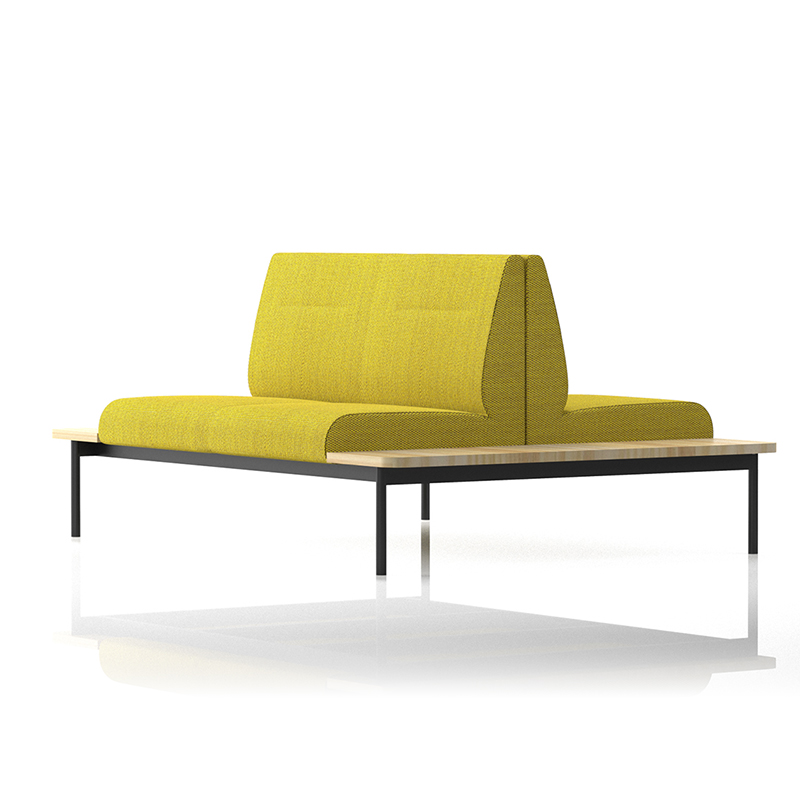
Effective deployment of acoustic furniture requires comprehensive analysis of existing space utilization patterns and employee behavior. Professional space planners recommend conducting noise level assessments and workflow studies before implementing soft seatings solutions to ensure optimal placement and configuration. These preliminary evaluations help identify high-traffic areas where acoustic interventions will provide maximum benefit to the greatest number of employees.
Strategic positioning of acoustic seating elements should consider natural traffic patterns, existing architectural features, and lighting conditions. The most effective implementations create logical zones that support different work activities while maintaining visual connectivity across the office space. Proper spacing between acoustic furniture pieces ensures adequate circulation while maximizing the cumulative sound absorption benefits throughout the environment.
Employee Adaptation and Training
Successful integration of new workplace furniture requires employee education and gradual adaptation periods. Organizations should communicate the purpose and benefits of soft seatings to help team members understand how to utilize these resources effectively. Clear guidelines regarding appropriate use of acoustic seating areas help establish expectations and ensure that these investments provide intended benefits to the entire workforce.
Change management strategies become particularly important when introducing acoustic furniture solutions that alter established workspace dynamics. Regular feedback collection and usage monitoring help organizations fine-tune their acoustic seating arrangements based on actual employee preferences and behaviors. This iterative approach ensures that soft seatings implementations continue meeting organizational objectives while adapting to evolving workplace needs.
Economic Considerations and Return on Investment
Cost-Benefit Analysis
Investment in quality acoustic furniture represents a strategic allocation of resources that can generate measurable returns through improved employee productivity and satisfaction. The initial costs of implementing comprehensive soft seatings solutions should be evaluated against long-term benefits including reduced turnover, decreased absenteeism, and enhanced workplace efficiency. Organizations typically observe positive returns within the first year of implementation when acoustic furniture is properly selected and positioned.
Comparative analysis of acoustic furniture costs versus alternative noise reduction methods often reveals favorable economics for soft seatings solutions. Traditional soundproofing installations require significant construction activities and permanent modifications to existing spaces, while acoustic furniture provides flexible solutions that can be relocated or reconfigured as needed. This adaptability protects organizations against future changes in space requirements or organizational structure.
Long-Term Value Considerations
Durability and maintenance requirements significantly impact the total cost of ownership for acoustic seating solutions. High-quality soft seatings constructed with commercial-grade materials typically provide years of reliable service with minimal maintenance requirements. The longevity of these investments makes them particularly attractive for organizations seeking sustainable workplace improvements that will continue delivering benefits over extended periods.
Resale value and transferability represent additional economic advantages of investing in premium acoustic furniture. Unlike permanent architectural modifications, soft seatings can be relocated to new facilities or repurposed for different applications as organizational needs change. This flexibility provides financial protection and ensures that investments in acoustic solutions retain value even when circumstances require workspace modifications or relocations.
Future Trends in Acoustic Office Design
Technology Integration
Emerging trends in workplace design incorporate advanced technologies that enhance the functionality of traditional soft seatings. Smart acoustic furniture with integrated charging capabilities, adjustable sound absorption levels, and environmental monitoring systems represents the next generation of workplace seating solutions. These technological enhancements provide additional value while maintaining the core acoustic benefits that make these furniture pieces essential for modern office environments.
Sensor integration in advanced acoustic seating systems enables real-time monitoring of usage patterns and environmental conditions. This data collection capability allows facility managers to optimize space utilization and make informed decisions about future furniture acquisitions or reconfigurations. The combination of traditional acoustic benefits with modern monitoring capabilities positions soft seatings as intelligent workplace assets that contribute to broader facility management objectives.
Sustainability and Environmental Impact
Environmental consciousness increasingly influences furniture selection decisions, driving demand for sustainable soft seatings manufactured using eco-friendly materials and processes. Recycled content incorporation, low-emission manufacturing methods, and end-of-life recyclability become important evaluation criteria for organizations committed to environmental responsibility. These sustainability features align acoustic furniture investments with broader corporate social responsibility objectives.
The lifecycle environmental impact of acoustic furniture extends beyond initial manufacturing to include transportation, installation, and eventual disposal considerations. Organizations prioritizing sustainability evaluate soft seatings options based on comprehensive environmental assessments that account for all phases of the product lifecycle. This holistic approach ensures that acoustic furniture investments support both workplace performance objectives and environmental stewardship commitments.
FAQ
How do acoustic sofas specifically reduce noise in open offices
Acoustic soft seatings utilize specialized materials and construction techniques to absorb sound waves rather than reflecting them back into the office environment. The high-density foam cores and fabric coverings create multiple barriers that capture sound energy and convert it to small amounts of heat, effectively reducing the transmission of noise across open spaces. This absorption process significantly decreases ambient noise levels and creates quieter zones for focused work activities.
What factors should be considered when selecting acoustic seating for office spaces
Key selection criteria for soft seatings include noise reduction coefficient ratings, durability specifications, aesthetic compatibility with existing decor, and configuration flexibility. Organizations should also evaluate maintenance requirements, warranty coverage, and the manufacturer's reputation for quality and service. The size and layout of the intended installation space will influence decisions regarding specific models and quantities needed to achieve desired acoustic performance levels.
Can acoustic furniture solutions be integrated into existing office layouts without major renovations
Yes, one of the primary advantages of soft seatings is their ability to provide acoustic benefits without requiring permanent modifications to existing spaces. These furniture pieces can be positioned strategically throughout open offices to create sound barriers and quiet zones while maintaining the flexibility to be relocated or reconfigured as needs change. This adaptability makes acoustic seating an ideal solution for organizations seeking noise reduction benefits without the expense and disruption of major construction projects.
What maintenance is required to preserve the acoustic properties of office seating
Regular cleaning and proper care help maintain both the appearance and acoustic performance of soft seatings over time. Fabric surfaces should be vacuumed regularly to prevent dust accumulation that could affect sound absorption properties. Professional cleaning services may be required periodically depending on usage levels and environmental conditions. Most high-quality acoustic furniture requires minimal specialized maintenance, with standard commercial furniture care practices sufficient to preserve acoustic effectiveness for years of reliable service.
Table of Contents
- Understanding Acoustic Furniture Technology
- Workplace Productivity Benefits
- Implementation Strategies for Maximum Effectiveness
- Economic Considerations and Return on Investment
- Future Trends in Acoustic Office Design
-
FAQ
- How do acoustic sofas specifically reduce noise in open offices
- What factors should be considered when selecting acoustic seating for office spaces
- Can acoustic furniture solutions be integrated into existing office layouts without major renovations
- What maintenance is required to preserve the acoustic properties of office seating
