
 EN
EN
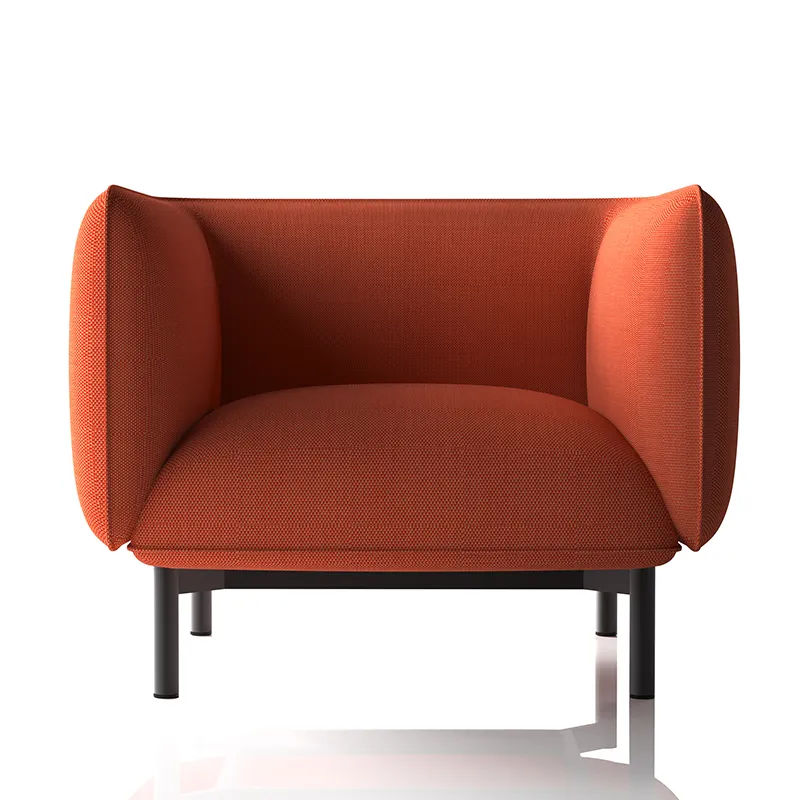
Selecting the right furniture for commercial and office environments requires careful consideration of both functionality and aesthetic appeal. Among the most critical decisions facilities managers and interior designers face is choosing between modular and fixed configurations for their workspace furnishings. This choice significantly impacts how employees interact with their environment, collaborate with colleagues, and adapt to changing organizational needs. Understanding the fundamental differences between these two approaches to soft seatings will help you make an informed decision that aligns with your specific requirements and long-term objectives.
Understanding Modular Soft Seating Systems
Flexibility and Adaptability Benefits
Modular soft seatings offer unparalleled flexibility in commercial environments where space requirements frequently change. These systems consist of individual components that can be rearranged, reconfigured, or expanded based on evolving needs. The modular approach allows organizations to start with a basic configuration and gradually add pieces as their workforce grows or their spatial requirements shift. This adaptability proves particularly valuable in dynamic work environments where teams expand and contract based on project demands.
The investment in modular soft seatings pays dividends when organizations undergo restructuring or office relocations. Rather than purchasing entirely new furniture sets, companies can simply reconfigure existing pieces to fit new spaces or accommodate different departmental needs. This flexibility extends beyond mere rearrangement, as many modular systems allow for mixing different component types within the same collection to create unique configurations tailored to specific use cases.
Cost Considerations and Long-Term Value
While the initial investment in modular soft seatings may appear higher than fixed alternatives, the long-term financial benefits often justify the upfront costs. The ability to reconfigure existing pieces eliminates the need for frequent furniture replacements when organizational needs change. Additionally, modular systems typically allow for incremental expansion, enabling organizations to spread their furniture investments over time rather than making large capital expenditures all at once.
Maintenance and replacement costs also favor modular approaches since individual components can be serviced or replaced without affecting the entire seating arrangement. If one section of soft seatings becomes damaged or worn, organizations can replace just that component rather than the entire set. This selective replacement capability significantly reduces long-term ownership costs and minimizes disruption to daily operations.
Exploring Fixed Soft Seating Solutions
Structural Integrity and Design Cohesion
Fixed soft seatings excel in environments where stability and visual consistency take precedence over adaptability. These integrated systems provide superior structural integrity since all components are designed and manufactured as unified pieces. The fixed approach ensures that weight distribution, support mechanisms, and ergonomic features work together seamlessly to deliver optimal comfort and durability over extended periods.
From a design perspective, fixed soft seatings often present more cohesive aesthetic solutions since every element is specifically engineered to complement the others. This integrated approach eliminates potential visual inconsistencies that might arise when combining different modular components, resulting in a more polished and professional appearance that enhances the overall workplace environment.
Installation and Space Efficiency
Fixed installations of soft seatings typically require less complex installation procedures and offer better space utilization in specific configurations. Since these systems are designed as complete units, they often achieve higher density seating arrangements while maintaining comfortable spacing between individuals. The fixed nature of these systems also eliminates gaps and connection points that might collect debris or create maintenance challenges in high-traffic areas.
Organizations with clearly defined spatial requirements and stable workforce configurations often find that fixed soft seatings provide the most efficient use of available floor space. These systems can be custom-designed to fit specific architectural constraints or unique room configurations that modular components might not accommodate as effectively.
Comparing Performance in Different Environments
High-Traffic Commercial Applications
In environments such as airports, hospitals, and educational institutions where soft seatings experience constant use by diverse populations, the choice between modular and fixed systems depends largely on maintenance requirements and durability expectations. Fixed systems often perform better in these high-stress environments because they eliminate connection points that might loosen over time or create potential failure points under heavy use.
However, modular soft seatings offer advantages in facilities that need to accommodate varying crowd sizes or different event types throughout the year. Convention centers, conference facilities, and multi-purpose venues benefit from the ability to reconfigure seating arrangements based on specific event requirements, making modular systems more versatile for these applications.
Corporate Office Environments
Modern corporate environments increasingly favor modular soft seatings due to the growing emphasis on flexible workspaces and activity-based working models. These environments require furniture that can adapt to different meeting sizes, collaborative sessions, and informal gathering spaces throughout the day. Soft Seatings in modular configurations support the dynamic nature of contemporary office culture by enabling quick reconfiguration for different activities.
Fixed soft seatings remain appropriate for corporate settings with established hierarchies and consistent meeting patterns. Executive conference rooms, formal reception areas, and traditional office layouts often benefit from the stability and refined appearance that fixed installations provide. The choice ultimately depends on the organization's culture and approach to workplace flexibility.
Material and Manufacturing Considerations
Construction Quality and Durability
The construction quality of soft seatings varies significantly between modular and fixed systems, with each approach presenting distinct advantages and challenges. Modular systems require robust connection mechanisms and individual component strength to maintain structural integrity when reconfigured repeatedly. High-quality modular soft seatings incorporate sophisticated joining systems that maintain stability while allowing easy reconfiguration by facility staff.
Fixed systems benefit from integrated construction methods that can optimize material distribution and structural support throughout the entire piece. Without the need to accommodate connection points and modular interfaces, manufacturers can focus on creating the most durable and comfortable fixed soft seatings possible within given design parameters.
Upholstery and Fabric Considerations
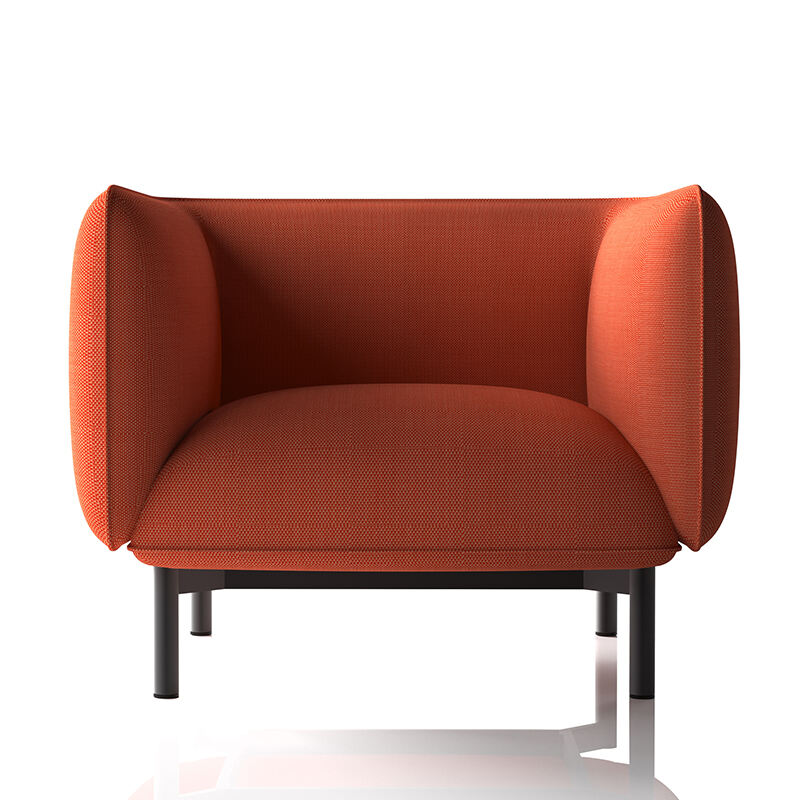
Fabric selection and upholstery techniques play crucial roles in the long-term performance of both modular and fixed soft seatings. Modular systems often require more robust upholstery techniques at connection points to prevent wear and tear from repeated reconfiguration. The ability to replace individual components also means that organizations can mix different fabric grades or colors within the same modular system to designate different usage zones or reflect branding elements.
Fixed soft seatings allow for more intricate upholstery patterns and specialized fabric treatments since the entire piece can be covered as a single unit. This approach often results in smoother visual flow and eliminates potential inconsistencies in fabric matching that might occur when assembling modular components over time as replacement parts are added to existing installations.
Making the Right Choice for Your Organization
Assessing Current and Future Needs
The decision between modular and fixed soft seatings should begin with a thorough assessment of your organization's current requirements and anticipated future changes. Consider factors such as workforce growth projections, potential relocations, and evolving work style preferences when evaluating different options. Organizations experiencing rapid growth or frequent restructuring typically benefit more from the adaptability of modular soft seatings systems.
Stable organizations with well-established spatial requirements and consistent usage patterns may find that fixed soft seatings provide better value through superior durability and lower maintenance requirements. The key lies in honestly evaluating your organization's change frequency and the importance of flexibility versus stability in your specific environment.
Budget Planning and Investment Strategy
Financial planning for soft seatings investments requires consideration of both initial costs and long-term expenses associated with each option. While modular systems often require higher upfront investments, they provide opportunities for phased implementation and future cost savings through reconfiguration rather than replacement. Fixed systems typically offer lower initial costs but may result in higher long-term expenses if organizational needs change significantly.
Consider the total cost of ownership over the expected lifespan of your soft seatings investment, including maintenance, potential reconfiguration costs, and replacement expenses. This comprehensive financial analysis will help determine which approach provides the best value for your specific situation and organizational priorities.
FAQ
What factors should I prioritize when choosing between modular and fixed soft seatings
The most important factors to consider include your organization's frequency of change, budget constraints, space requirements, and aesthetic preferences. If your organization frequently reconfigures spaces or anticipates growth, modular soft seatings offer superior flexibility. However, if you prioritize structural integrity, visual cohesion, and lower initial costs, fixed systems may be more appropriate for your needs.
How do maintenance requirements differ between modular and fixed soft seating systems
Modular soft seatings typically require more attention to connection points and may need periodic tightening of joining mechanisms, but they allow for easy replacement of individual components. Fixed systems generally require less frequent maintenance but may need complete replacement if significant damage occurs to any section of the integrated unit.
Can modular soft seatings provide the same level of comfort as fixed systems
High-quality modular soft seatings can achieve comfort levels comparable to fixed systems when properly designed and manufactured. The key difference lies in the engineering approach, where modular systems must balance comfort with the structural requirements needed for reconfiguration, while fixed systems can optimize purely for comfort and support without these additional constraints.
How do I determine the right size and configuration for my soft seating investment
Start by analyzing your current usage patterns, peak occupancy requirements, and available space dimensions. Consider conducting user surveys to understand preferences and observing actual usage patterns throughout typical workdays. For modular soft seatings, begin with core components that address your most common needs, then plan for expansion pieces that can accommodate peak usage or special events.
Table of Contents
- Understanding Modular Soft Seating Systems
- Exploring Fixed Soft Seating Solutions
- Comparing Performance in Different Environments
- Material and Manufacturing Considerations
- Making the Right Choice for Your Organization
-
FAQ
- What factors should I prioritize when choosing between modular and fixed soft seatings
- How do maintenance requirements differ between modular and fixed soft seating systems
- Can modular soft seatings provide the same level of comfort as fixed systems
- How do I determine the right size and configuration for my soft seating investment