
 EN
EN
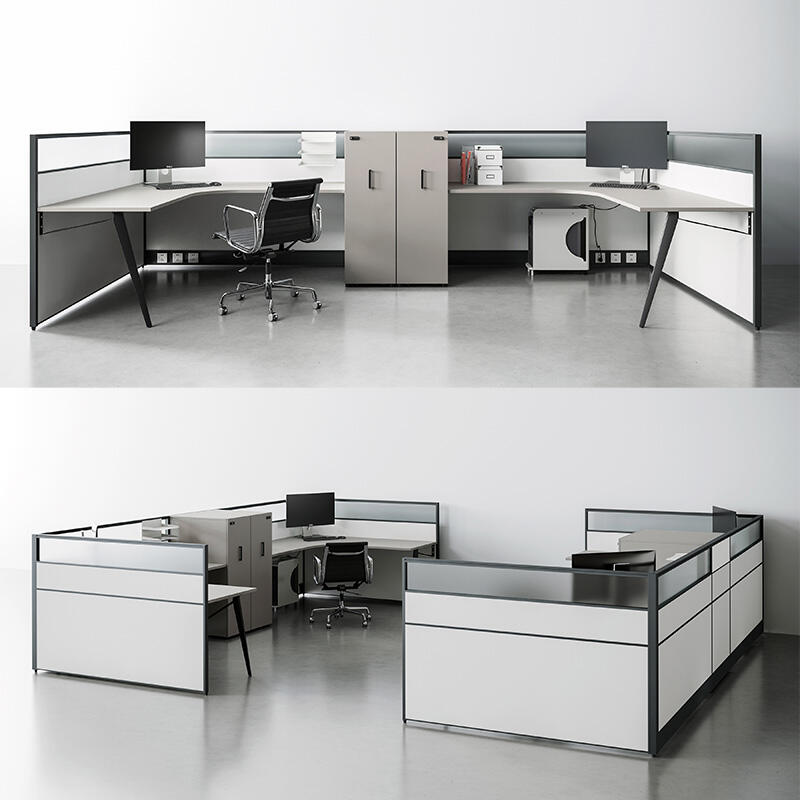
Modern workplace design has evolved dramatically to accommodate diverse work styles and productivity needs. Office pods have emerged as revolutionary solutions that transform traditional workspace layouts into flexible, functional environments. These innovative structures provide employees with customizable spaces that enhance focus, collaboration, and overall workplace satisfaction. Whether organizations seek to create quiet zones for individual concentration or collaborative areas for team interactions, pods offer unparalleled versatility in office design.

The customization potential of workplace pods extends far beyond basic furniture arrangements. Companies can tailor these spaces to reflect their brand identity, support specific work functions, and address unique employee requirements. From acoustic considerations to technological integration, every aspect of pod design can be modified to create optimal working conditions. This comprehensive approach to customization ensures that pods serve as more than simple workspace dividers, functioning as strategic tools for enhancing organizational productivity and employee well-being.
Understanding Different Pod Types and Their Applications
Individual Focus Pods for Enhanced Concentration
Individual focus pods represent the pinnacle of personalized workspace design, offering employees dedicated areas for deep work and concentration. These pods typically feature enhanced acoustic properties, adjustable lighting systems, and ergonomic furniture configurations that support extended periods of focused activity. The enclosed nature of individual pods creates psychological boundaries that help employees transition into concentrated work modes more effectively than open office environments.
Customization options for individual pods include adjustable desk heights, integrated technology ports, and personalized storage solutions. Many organizations incorporate biophilic design elements such as living walls or natural materials to create calming environments that reduce stress and improve cognitive performance. The flexibility of individual pods allows companies to position them strategically throughout the office, creating quiet zones that complement more active collaborative areas.
Advanced individual pods often feature smart technology integration, including automated lighting that adjusts based on time of day and occupancy sensors that optimize energy consumption. These technological enhancements transform simple workspace enclosures into intelligent environments that adapt to user preferences and work patterns. The result is a highly personalized workspace that maximizes individual productivity while maintaining the flexibility to accommodate changing organizational needs.
Team Collaboration Pods for Group Dynamics
Team collaboration pods serve as dynamic meeting spaces that facilitate creative thinking and productive group interactions. These larger pods accommodate multiple users while maintaining acoustic separation from surrounding office activities. The design of collaboration pods typically emphasizes flexible furniture arrangements, integrated presentation technology, and visual communication tools that support various meeting formats and team sizes.
Customization strategies for team pods focus on adaptable configurations that can transform based on specific meeting requirements. Modular furniture systems allow teams to quickly reconfigure seating arrangements for brainstorming sessions, formal presentations, or casual discussions. Interactive whiteboards, wireless presentation systems, and high-quality audio-visual equipment create professional meeting environments that rival dedicated conference rooms while offering greater accessibility and scheduling flexibility.
The acoustic design of collaboration pods requires careful balance between sound containment and internal audio quality. Advanced pods incorporate sophisticated sound masking systems and acoustic treatments that prevent confidential discussions from being overheard while ensuring clear communication within the space. This dual approach to acoustic management makes collaboration pods suitable for sensitive business discussions and creative brainstorming sessions alike.
Acoustic Customization Strategies
Sound Absorption and Noise Control
Acoustic performance stands as one of the most critical factors in pod customization, directly impacting user comfort and productivity. Effective sound absorption requires strategic placement of acoustic materials throughout pod structures, including specialized panels, fabrics, and architectural elements that reduce noise transmission. The selection of acoustic materials must balance performance requirements with aesthetic considerations to create visually appealing spaces that function effectively.
Advanced acoustic customization involves analyzing specific workplace noise patterns and tailoring pod designs to address identified sound challenges. This process includes measuring ambient noise levels, identifying primary noise sources, and selecting appropriate acoustic treatments that target specific frequency ranges. The result is customized pods that provide optimal acoustic environments for their intended functions, whether supporting individual concentration or team collaboration activities.
Modern pods incorporate innovative acoustic technologies such as active noise cancellation systems and adaptive sound masking that respond to changing environmental conditions. These advanced features create consistently comfortable acoustic environments that adapt to varying office activity levels throughout the day. The integration of smart acoustic systems transforms traditional workspace enclosures into responsive environments that actively optimize user comfort and productivity.
Privacy and Confidentiality Considerations
Privacy customization in office pods extends beyond basic visual barriers to encompass comprehensive confidentiality solutions. Effective privacy design incorporates multiple layers of protection, including acoustic barriers, visual screening, and technological security measures that protect sensitive business communications. The level of privacy customization typically corresponds to the intended use of each pod, with executive meeting spaces requiring more comprehensive privacy solutions than casual collaboration areas.
Advanced privacy features include electrochromic glass systems that provide instant opacity control and white noise generators that mask confidential conversations. These technological solutions allow users to quickly adjust privacy levels based on meeting requirements without compromising the open, flexible nature of modern office designs. The ability to customize privacy settings empowers employees to create appropriate environments for various work activities and communication needs.
Comprehensive privacy customization also addresses digital security concerns through integrated solutions that protect wireless communications and prevent unauthorized access to sensitive information. Faraday cage principles can be incorporated into pod construction to create secure environments for confidential discussions involving proprietary information or strategic business planning. This holistic approach to privacy ensures that pods serve as truly secure spaces within open office environments.
Technology Integration and Smart Features
Digital Infrastructure and Connectivity
Technology integration represents a fundamental aspect of modern pod customization, requiring comprehensive planning to support diverse digital work requirements. Effective technology infrastructure includes robust power distribution systems, high-speed data connectivity, and wireless network optimization that ensures reliable performance across all pod locations. The design of digital infrastructure must anticipate future technology needs while providing flexible solutions that can adapt to evolving workplace requirements.
Advanced connectivity solutions incorporate multiple communication protocols and redundant systems that maintain productivity even during network disruptions. Pods equipped with dedicated network access points, integrated charging stations, and universal device compatibility create seamless digital work environments. The customization of technology infrastructure allows organizations to tailor connectivity solutions to specific user groups and work functions, ensuring optimal performance for various professional activities.
Smart pods leverage Internet of Things technologies to create responsive work environments that adapt to user preferences and optimize resource utilization. These intelligent systems can automatically adjust lighting, temperature, and acoustic settings based on occupancy patterns and individual user profiles. The integration of smart technology transforms traditional workspace enclosures into dynamic environments that actively support productivity and user comfort through continuous optimization.
Interactive Systems and User Control
Interactive control systems empower users to customize their pod environments in real-time, creating personalized workspaces that adapt to individual preferences and work requirements. These systems typically include intuitive interfaces that control lighting, temperature, acoustic settings, and technology configurations through simple touch controls or mobile applications. The accessibility of environmental controls enables users to optimize their workspace conditions without requiring technical assistance or administrative intervention.
Advanced interactive systems incorporate artificial intelligence algorithms that learn from user behavior patterns and automatically adjust environmental settings to match individual preferences. These predictive capabilities create seamless user experiences that minimize distraction and maximize comfort throughout the workday. The ability to save and recall personalized environmental profiles allows multiple users to share pod spaces while maintaining individualized comfort settings.
Comprehensive user control systems extend beyond basic environmental adjustments to include integrated scheduling, resource booking, and collaborative tools that streamline workspace management. These features transform pods from simple workspace enclosures into fully integrated office management platforms that support both individual productivity and organizational efficiency. The result is customized work environments that actively contribute to improved workplace satisfaction and operational effectiveness.
Design Aesthetics and Brand Integration
Visual Identity and Corporate Branding
Brand integration in pod customization creates cohesive workplace environments that reinforce corporate identity and values throughout the office space. Effective branding strategies incorporate company colors, logos, and design motifs into pod structures while maintaining professional aesthetics that support productivity and employee satisfaction. The visual integration of brand elements helps create distinctive workplace environments that differentiate organizations from competitors and strengthen employee connection to company culture.
Advanced branding customization extends beyond surface decorations to encompass architectural elements, material selections, and spatial configurations that reflect corporate values and work culture. Sustainable materials, innovative design features, and cutting-edge technology integration can communicate company commitment to environmental responsibility and technological leadership. This comprehensive approach to brand integration ensures that pods serve as powerful tools for communicating organizational identity and attracting top talent.
Sophisticated brand integration strategies consider the psychological impact of design choices on employee behavior and workplace culture. Color psychology, spatial relationships, and material textures can influence creativity, collaboration, and overall job satisfaction. By carefully customizing these design elements, organizations can create pod environments that not only reflect brand identity but actively support desired workplace behaviors and cultural objectives.
Material Selection and Sustainability Features
Material customization in pod design involves balancing aesthetic appeal, functional performance, and environmental responsibility to create sustainable workplace solutions. Contemporary pods increasingly incorporate recycled materials, renewable resources, and low-emission finishes that support corporate sustainability goals while maintaining high-quality performance standards. The selection of sustainable materials demonstrates organizational commitment to environmental stewardship and creates healthier indoor environments for employees.
Advanced material customization strategies consider the entire product lifecycle, from manufacturing and installation through daily use and eventual disposal or recycling. This comprehensive approach ensures that pod investments support long-term sustainability objectives while delivering immediate performance benefits. Innovative materials such as bio-based composites, reclaimed wood, and recycled textiles provide unique aesthetic opportunities while advancing environmental goals.
The durability and maintenance requirements of selected materials directly impact the long-term value and performance of customized pods. High-quality materials that resist wear, staining, and damage reduce maintenance costs and extend product lifespan, making them more sustainable and cost-effective over time. Careful material selection ensures that customized pods maintain their aesthetic appeal and functional performance throughout their operational life.
Space Planning and Layout Optimization
Traffic Flow and Accessibility Considerations
Effective pod placement requires comprehensive analysis of office traffic patterns, accessibility requirements, and spatial relationships that optimize both individual functionality and overall office flow. Strategic positioning of pods can enhance workspace efficiency by creating logical zones for different activities while maintaining clear pathways for movement throughout the office. The consideration of accessibility requirements ensures that all employees can utilize pod spaces effectively, regardless of physical limitations or mobility requirements.
Advanced space planning incorporates predictive modeling and user behavior analysis to optimize pod locations for maximum utilization and minimal disruption to existing workflow patterns. This data-driven approach to placement ensures that pods integrate seamlessly into existing office ecosystems while providing maximum benefit to users. The strategic positioning of pods can also create natural boundaries between different workplace zones, supporting both focused work and collaborative activities.
Comprehensive accessibility customization addresses diverse user needs through adjustable features, assistive technology integration, and barrier-free design principles. These considerations ensure that pods provide equal access to productive workspace environments for all employees, supporting inclusive workplace cultures and compliance with accessibility regulations. The implementation of universal design principles creates pod environments that benefit all users while specifically accommodating individuals with disabilities.
Modular Systems and Future Adaptability
Modular pod systems provide organizations with flexible customization options that can adapt to changing business requirements and workplace evolution. These systems typically feature interchangeable components, expandable configurations, and standardized connection points that facilitate reconfiguration without major renovation projects. The modular approach to pod customization ensures that initial investments continue to deliver value as organizational needs change over time.
Advanced modular systems incorporate standardized interfaces and universal compatibility features that allow components from different manufacturers to integrate seamlessly. This open architecture approach prevents vendor lock-in while maximizing customization options and future upgrade possibilities. The flexibility of modular systems enables organizations to experiment with different configurations and optimize their workspace layouts based on actual usage patterns and employee feedback.
Future-oriented modular design anticipates emerging workplace trends and technology developments to ensure long-term relevance and adaptability. Features such as integrated sensor networks, expandable power and data distribution, and modular acoustic treatments provide platforms for future enhancements and upgrades. This forward-thinking approach to pod customization protects organizational investments while providing pathways for continuous improvement and adaptation.
Implementation Strategies and Best Practices
Planning and Assessment Methodologies
Successful pod customization projects require comprehensive planning processes that assess current workplace conditions, identify specific user requirements, and establish clear objectives for workspace improvement. Effective assessment methodologies combine quantitative data analysis with qualitative user feedback to create complete pictures of organizational needs and customization priorities. This thorough approach ensures that pod implementations address real workplace challenges while supporting broader organizational goals.
Professional workplace assessment typically involves detailed space utilization studies, employee satisfaction surveys, and workflow analysis that identify opportunities for pod integration. These assessments reveal patterns of space usage, communication needs, and productivity challenges that inform customization decisions. The data-driven approach to planning ensures that pod investments deliver measurable improvements in workplace efficiency and employee satisfaction.
Comprehensive planning processes also consider organizational culture, change management requirements, and long-term strategic objectives to ensure successful pod implementation. Cultural alignment ensures that customized pods support existing work patterns while enabling positive changes in collaboration and productivity. Strategic planning considerations help organizations maximize the long-term value of pod investments while building flexibility for future adaptation and growth.
Installation and Change Management
Effective pod installation requires careful coordination of construction activities, technology integration, and change management processes to minimize workplace disruption while maximizing user adoption. Professional installation teams typically work in phases to maintain office functionality throughout the implementation process. This staged approach allows organizations to gradually introduce pod spaces while providing opportunities for user feedback and system refinement.
Change management strategies for pod implementation focus on user education, adoption support, and feedback collection to ensure successful integration into existing workplace cultures. Training programs help employees understand pod functionality and optimal usage patterns while addressing concerns about workspace changes. Ongoing support and feedback mechanisms enable continuous optimization of pod configurations based on actual user experiences and evolving needs.
Successful pod implementations typically include pilot programs that allow organizations to test configurations and gather user feedback before committing to full-scale deployments. These pilot projects provide valuable insights into user preferences, technical requirements, and operational considerations that inform broader customization strategies. The lessons learned from pilot implementations help organizations optimize their pod investments while minimizing risks associated with major workplace changes.
FAQ
What factors should be considered when choosing between individual and team pods?
The choice between individual and team pods depends on your organization's specific work patterns, collaboration requirements, and space constraints. Individual pods work best for companies with high concentrations of focused work, while team pods benefit organizations that emphasize collaborative projects and group decision-making. Consider conducting a workplace assessment to analyze current space utilization patterns and employee feedback about their workspace needs. Many successful implementations incorporate both types of pods to provide flexible options that accommodate diverse work styles and project requirements throughout the organization.
How can pods be customized to meet specific acoustic requirements?
Acoustic customization for pods involves multiple approaches including material selection, structural design, and technology integration. High-performance acoustic panels, sound-absorbing fabrics, and specialized construction techniques can significantly reduce noise transmission and improve internal audio quality. Advanced solutions include active noise cancellation systems, white noise generators, and adaptive acoustic treatments that respond to changing environmental conditions. The level of acoustic customization should match the intended use of each pod, with confidential meeting spaces requiring more comprehensive sound isolation than casual collaboration areas.
What technology features are most important for modern office pods?
Essential technology features for modern pods include reliable power distribution, high-speed connectivity, wireless presentation capabilities, and integrated audio-visual systems. Smart environmental controls that manage lighting, temperature, and acoustic settings enhance user comfort and productivity. Advanced pods may also incorporate occupancy sensors, automated booking systems, and artificial intelligence features that learn user preferences and optimize environmental conditions. The specific technology requirements should align with your organization's work patterns and the intended functions of each pod installation.
How do modular pod systems provide long-term value and adaptability?
Modular pod systems offer exceptional long-term value through their ability to adapt to changing organizational needs without requiring complete replacement or major renovation. These systems feature interchangeable components, expandable configurations, and standardized interfaces that facilitate easy reconfiguration as business requirements evolve. The modular approach protects initial investments by enabling upgrades and modifications over time, while universal compatibility features prevent vendor lock-in and maximize customization options. This flexibility ensures that pod systems continue to deliver value as workplace trends and organizational priorities change.