
 EN
EN
Designing an effective acoustic environment for open-plan offices requires a strategic approach that balances collaboration needs with individual focus requirements. Modern workplace design must address the inherent challenge of maintaining productivity while fostering communication in spaces where sound travels freely. Understanding the fundamental principles of acoustic design enables organizations to create environments that support both teamwork and concentrated work, ultimately improving employee satisfaction and performance.

The process of creating an optimal acoustic environment involves careful consideration of multiple design elements working in harmony. From material selection and spatial planning to furniture placement and technology integration, each component plays a crucial role in managing sound transmission and absorption. Successful acoustic design transforms challenging open-plan layouts into functional spaces where employees can thrive without the constant distraction of unwanted noise pollution.
Understanding Acoustic Fundamentals in Open-Plan Design
Sound Behavior in Large Open Spaces
Sound waves behave differently in open-plan environments compared to traditional closed offices, creating unique challenges for acoustic design. In large, unobstructed spaces, sound travels more freely and can reflect off hard surfaces, creating reverberation that amplifies noise levels throughout the workspace. Understanding how sound propagates helps designers implement targeted solutions that control unwanted noise while preserving necessary communication channels.
The acoustic environment in open-plan offices is influenced by ceiling height, floor materials, wall surfaces, and the absence of sound barriers. High ceilings can create echoing effects, while hard flooring surfaces reflect rather than absorb sound energy. These factors combine to create an environment where conversations, phone calls, and equipment noise can travel significant distances, affecting concentration levels across multiple workstations.
Noise Sources and Impact Assessment
Identifying primary noise sources enables designers to develop targeted acoustic solutions for each problematic area. Common sources include conversational speech, telephone communications, office equipment operation, foot traffic, and external environmental sounds. Each source requires different mitigation strategies, from direct sound absorption to strategic placement of noise-generating activities away from quiet work zones.
The cumulative effect of multiple noise sources can significantly impact productivity and employee well-being in open-plan settings. Research indicates that excessive workplace noise can reduce cognitive performance by up to thirty percent, making effective acoustic design essential for maintaining operational efficiency. Proper assessment involves measuring both ambient noise levels and peak sound events to establish baseline conditions for improvement.
Strategic Material Selection for Sound Management
Absorption Materials and Surface Treatments
Selecting appropriate absorption materials forms the foundation of effective acoustic design in open-plan environments. Porous materials like specialized ceiling tiles, wall panels, and carpet systems convert sound energy into heat through friction, reducing overall noise levels. The acoustic rating system, measured in Noise Reduction Coefficient (NRC), helps designers quantify material effectiveness and make informed selection decisions.
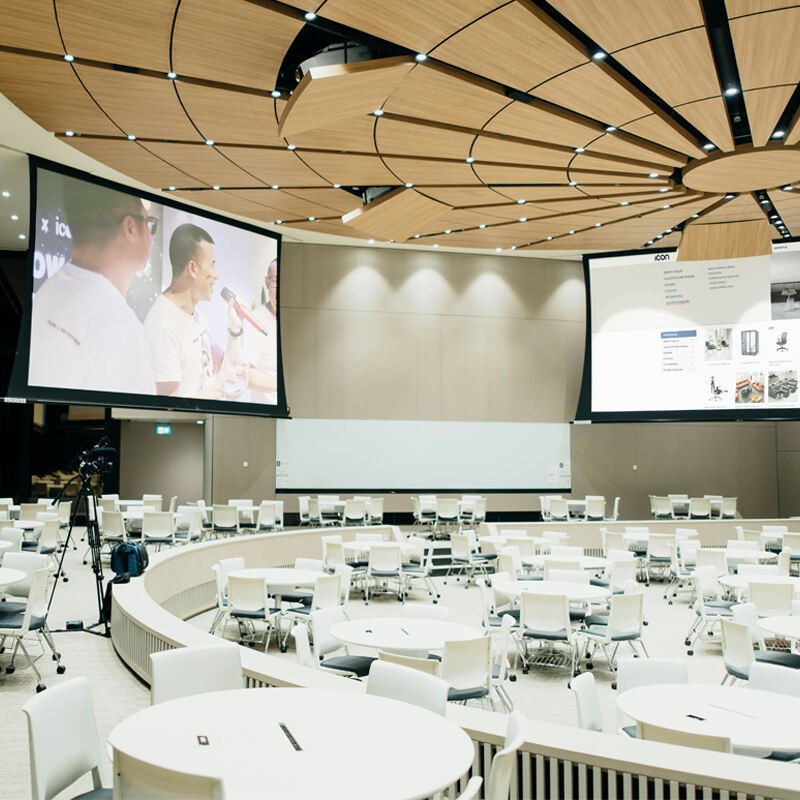
Strategic placement of absorption materials maximizes their impact on the overall acoustic environment. Ceiling treatments provide broad-spectrum noise reduction, while wall-mounted panels target specific reflection points. Incorporating natural materials like wood wool, recycled fabric panels, or specialized foam creates both functional and aesthetically pleasing acoustic solutions that complement modern office design themes.
Reflective Surface Management
Managing reflective surfaces prevents sound amplification and reduces unwanted reverberation in open-plan layouts. Hard surfaces like glass partitions, metal fixtures, and polished concrete floors can create acoustic challenges when not properly integrated with absorptive elements. Designers must balance aesthetic preferences with acoustic performance to achieve optimal results.
Introducing texture and varied surface angles helps scatter sound waves rather than creating direct reflections. Curved elements, angled panels, and irregular surface patterns break up sound paths and reduce coherent reflections. This approach maintains design flexibility while addressing acoustic concerns through architectural geometry rather than relying solely on material properties.
Spatial Planning and Zone Management
Activity-Based Acoustic Zoning
Implementing activity-based zoning creates distinct acoustic environments within the larger open-plan space. High-activity areas like collaboration zones and meeting spaces require different acoustic treatment than individual focus areas or quiet work zones. This strategic approach allows designers to tailor acoustic solutions to specific functional requirements while maintaining overall spatial flow.
Effective zoning considers both horizontal and vertical space organization to minimize sound transmission between areas. Positioning noisy activities near building cores or support spaces reduces their impact on primary work areas. Additionally, using changes in ceiling height, floor elevation, or architectural elements creates natural sound barriers without requiring full physical separation.
Traffic Flow and Circulation Patterns
Circulation patterns significantly influence acoustic performance by determining where movement-related noise occurs and how it propagates through the space. Designing clear pathways that direct foot traffic away from sensitive work areas reduces disturbance while maintaining accessibility. Strategic placement of high-traffic routes along building perimeters or designated corridors concentrates noise in less critical areas.
The Acoustic design must account for both planned circulation and spontaneous movement patterns. Providing multiple route options prevents bottlenecks that create noise hotspots, while visual cues help guide movement in ways that respect acoustic zones. Flooring material changes can signal transitions between different acoustic environments without requiring physical barriers.
Furniture Integration and Spatial Elements
Sound-Absorbing Furniture Systems
Modern office furniture plays an increasingly important role in acoustic design through integrated sound management features. Upholstered panels, fabric-wrapped surfaces, and specially designed acoustic furniture elements contribute to overall sound absorption while providing functional workspace components. These dual-purpose elements maximize acoustic benefits without sacrificing usable floor area.
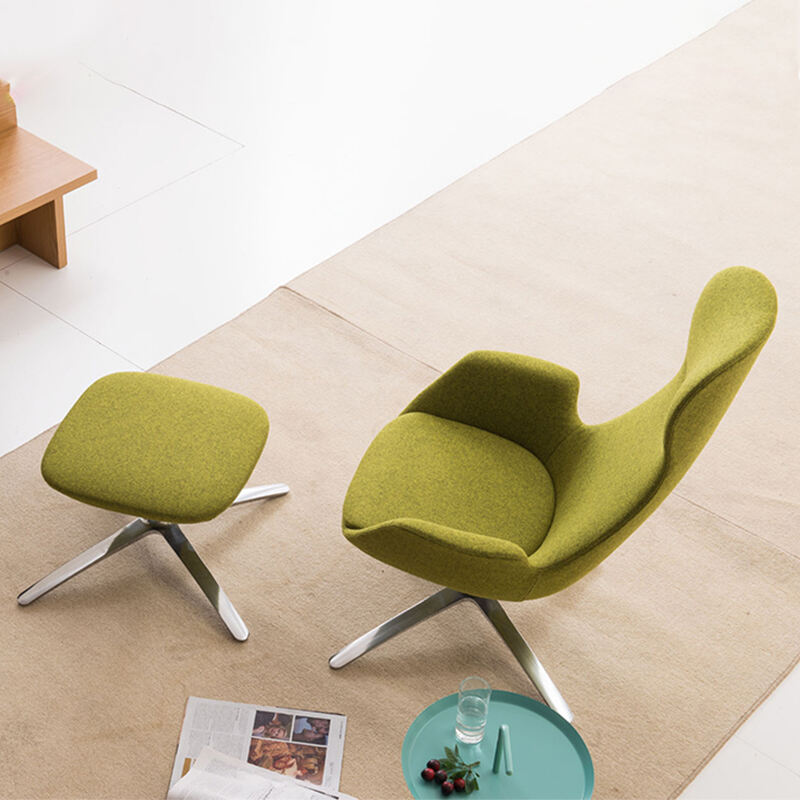
Selecting furniture with appropriate acoustic properties requires understanding how different materials and configurations affect sound transmission. High-backed seating creates localized acoustic barriers, while modular systems with integrated panels can be configured to address specific noise challenges. The arrangement and density of furniture elements significantly impacts acoustic performance across the entire open-plan environment.
Flexible Acoustic Solutions
Implementing flexible acoustic elements allows for dynamic response to changing workplace needs and acoustic challenges. Mobile panels, adjustable screens, and reconfigurable furniture systems provide adaptability while maintaining acoustic performance. This flexibility supports evolving work patterns and enables fine-tuning of acoustic conditions based on actual usage patterns.
Modular acoustic solutions offer cost-effective approaches to managing sound in spaces that require frequent reconfiguration. Components can be repositioned, added, or removed as needed without major construction or permanent installation requirements. This adaptability proves particularly valuable in rapidly growing organizations or spaces that serve multiple functions throughout different periods.
Technology Integration and Environmental Controls
Sound Masking Systems
Sound masking technology provides active acoustic management by introducing carefully controlled background sound that reduces the intelligibility of unwanted conversations and noise. These systems generate subtle, consistent sound that masks distracting noises without creating additional disturbance. Proper implementation requires strategic speaker placement and calibration to achieve uniform coverage across the open-plan environment.
Modern sound masking systems integrate with building automation and can be adjusted based on occupancy levels, time of day, or specific acoustic requirements. Advanced systems monitor ambient noise levels and automatically adjust masking levels to maintain optimal conditions. This technology proves particularly effective in combination with physical acoustic treatments for comprehensive noise management.
HVAC Integration and Mechanical Noise Control
Mechanical systems can either contribute to acoustic problems or provide beneficial background sound when properly designed and integrated. HVAC systems require careful specification to avoid creating unwanted noise while potentially providing consistent background sound that aids in speech privacy. Ductwork design, equipment selection, and vibration isolation all influence acoustic outcomes.
Coordinating mechanical system design with architectural acoustic elements prevents conflicts and maximizes overall performance. Air distribution patterns must accommodate acoustic ceiling treatments, while equipment locations should consider both functional requirements and noise generation. Proper mechanical design supports rather than undermines acoustic design objectives through integrated planning approaches.
FAQ
What are the most cost-effective acoustic improvements for existing open-plan offices?
The most cost-effective acoustic improvements typically involve adding sound-absorbing materials to existing surfaces, such as acoustic ceiling tiles, wall-mounted panels, or area rugs. Strategic furniture rearrangement to create natural sound barriers and introducing plants or soft furnishings can also provide significant improvement without major renovation costs. These solutions often deliver noticeable results within modest budgets while serving as stepping stones toward more comprehensive acoustic design.
How do you measure the success of acoustic design interventions?
Success measurement combines objective sound level measurements with subjective employee feedback and productivity metrics. Professional acoustic testing measures reverberation time, ambient noise levels, and speech intelligibility across different areas of the space. Employee surveys regarding concentration ability, stress levels, and overall satisfaction provide crucial user experience data. Productivity measurements and absenteeism rates can also indicate the effectiveness of acoustic improvements over time.
Can acoustic design solutions be implemented in phases without losing effectiveness?
Yes, acoustic design improvements can be successfully implemented in phases when properly planned as part of a comprehensive strategy. Starting with high-impact, low-cost solutions like ceiling treatments or strategic furniture placement can provide immediate benefits while establishing foundation elements for future phases. Each phase should contribute to the overall acoustic environment while being functional independently, allowing organizations to spread costs and minimize disruption while building toward optimal acoustic performance.
What role does employee behavior play in acoustic environment success?
Employee behavior significantly influences acoustic environment effectiveness, making change management and communication essential components of successful implementation. Establishing acoustic etiquette guidelines, providing training on appropriate voice levels and phone use, and creating awareness of how individual actions affect the overall environment helps maximize design investment benefits. Successful acoustic design includes both physical solutions and behavioral protocols that support the intended acoustic experience throughout daily operations.
Table of Contents
- Understanding Acoustic Fundamentals in Open-Plan Design
- Strategic Material Selection for Sound Management
- Spatial Planning and Zone Management
- Furniture Integration and Spatial Elements
- Technology Integration and Environmental Controls
-
FAQ
- What are the most cost-effective acoustic improvements for existing open-plan offices?
- How do you measure the success of acoustic design interventions?
- Can acoustic design solutions be implemented in phases without losing effectiveness?
- What role does employee behavior play in acoustic environment success?