


 EN
EN
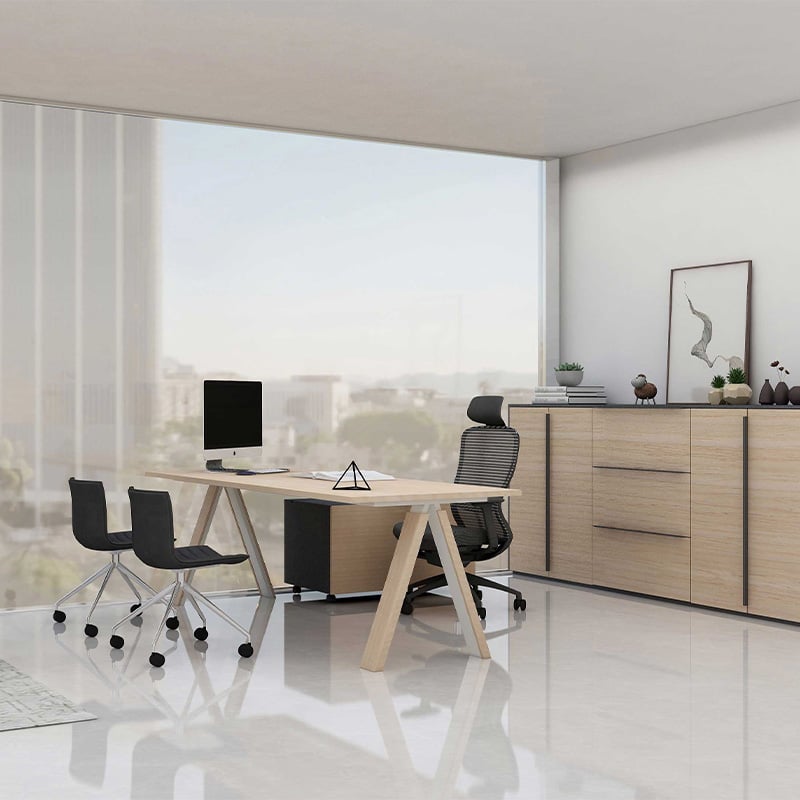
Office acoustic panels represent a sophisticated approach to workplace sound management, utilizing carefully selected materials that combine sound absorption capabilities with durability and aesthetic appeal. The choice of materials in acoustic panel construction directly impacts their effectiveness in reducing noise pollution, controlling reverberation, and creating more productive work environments. Understanding the specific materials used in these panels helps facility managers and workplace designers make informed decisions about acoustic solutions that align with their performance requirements and budget constraints.
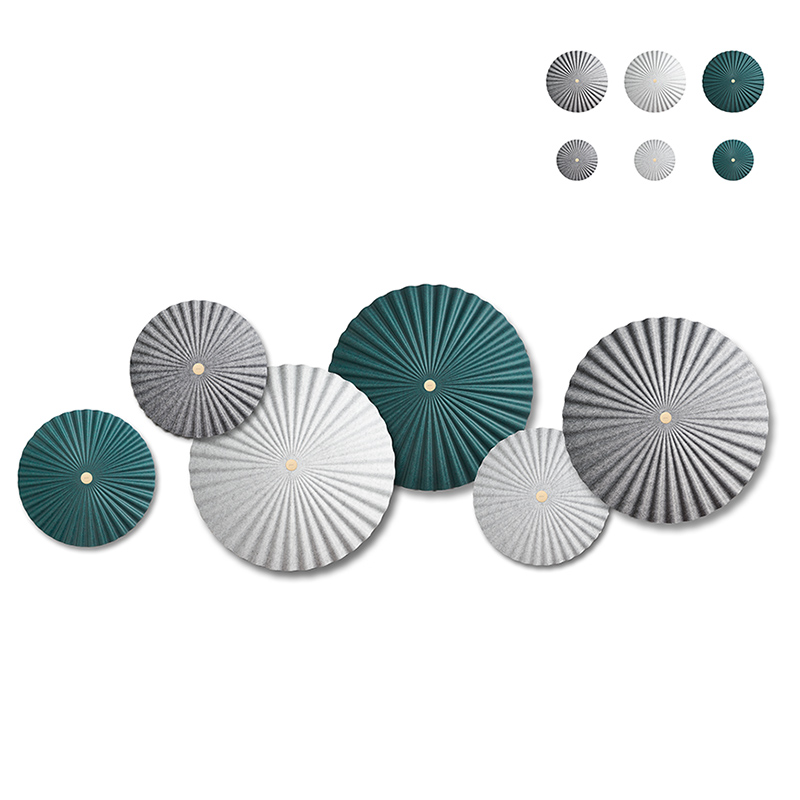
The material composition of office acoustic panels determines their noise reduction coefficient, fire resistance ratings, environmental sustainability, and visual integration within professional spaces. Modern acoustic panel manufacturers select materials based on scientific acoustic testing, regulatory compliance standards, and real-world performance in commercial environments. Each material category serves specific functions in the overall acoustic treatment strategy, from core sound-absorbing elements to protective facing materials and structural backing systems.
Core Sound-Absorbing Materials
Polyester Fiber Acoustic Cores
Polyester fiber represents one of the most widely used core materials in contemporary office acoustic panels due to its exceptional sound absorption properties and manufacturing versatility. This synthetic material consists of densely packed polyester strands that create countless air pockets, which trap and dissipate sound waves through friction and heat conversion. The density and thickness of polyester fiber cores can be precisely controlled during manufacturing, allowing acoustic engineers to optimize panels for specific frequency ranges commonly found in office environments.
High-quality polyester fiber cores typically achieve noise reduction coefficients between 0.85 and 1.00, making them highly effective for controlling mid to high-frequency sounds like typing, conversation, and phone calls. The material maintains its acoustic performance over extended periods without compression or degradation, ensuring consistent sound absorption throughout the panel's operational life. Additionally, polyester fiber cores resist moisture absorption, preventing the growth of mold or mildew that could compromise indoor air quality in commercial spaces.
Manufacturing processes for polyester fiber cores often incorporate recycled content, supporting sustainability initiatives while maintaining superior acoustic performance. The material's inherent fire-resistant properties can be enhanced through chemical treatments to meet stringent commercial building codes and safety regulations. This combination of acoustic effectiveness, durability, and safety compliance makes polyester fiber an excellent choice for office acoustic panel cores.
Mineral Wool and Rock Wool Components
Mineral wool and rock wool materials provide exceptional acoustic absorption while offering superior fire resistance characteristics that meet or exceed commercial building safety requirements. These materials are manufactured by spinning molten rock or slag into fine fibers, creating a dense matrix that effectively absorbs sound energy across a broad frequency spectrum. The fibrous structure of mineral wool creates multiple pathways for sound waves to penetrate and dissipate, resulting in excellent noise control performance.
Rock wool cores demonstrate particular effectiveness in absorbing low-frequency sounds that often prove challenging for other acoustic materials to address. This capability makes mineral wool-based panels valuable for controlling HVAC noise, structural vibrations, and other low-frequency disturbances common in modern office buildings. The material's high melting point and non-combustible properties provide additional safety benefits, often eliminating the need for additional fire-retardant treatments.
Environmental considerations favor mineral wool materials due to their high recycled content and potential for end-of-life recycling. The manufacturing process creates materials with consistent density and acoustic properties, enabling predictable performance across large acoustic installations. However, proper handling and installation procedures are essential due to the material's fibrous nature and potential respiratory irritation if proper safety protocols are not followed.
Protective Facing Materials and Coverings
Acoustic Fabric Systems
Acoustic fabric represents the visible surface of most office acoustic panels, serving dual functions of sound transmission and aesthetic integration within professional environments. Specialized acoustic fabrics are engineered with specific weave patterns and fiber compositions that allow sound waves to pass through while providing protection for the underlying acoustic core materials. The fabric selection significantly influences both the panel's acoustic performance and its visual appeal in workplace settings.
High-performance acoustic fabrics typically feature open weave structures with carefully calculated porosity levels that maximize sound transmission while maintaining fabric strength and appearance. Synthetic fiber blends, natural fiber compositions, and hybrid materials each offer distinct advantages for different office applications. Synthetic acoustic fabrics often provide superior durability, stain resistance, and color retention, making them ideal for high-traffic areas or environments where frequent cleaning may be necessary.
Professional-grade acoustic fabrics undergo rigorous testing to ensure they do not significantly impede sound absorption performance. The fabric's air permeability, measured in cubic feet per minute per square foot, must remain within specific ranges to maintain the panel's overall acoustic effectiveness. Additionally, these fabrics often incorporate antimicrobial treatments and flame-retardant properties to support healthy indoor environments and meet commercial building safety codes.
Perforated Metal and Decorative Surfaces
Perforated metal surfaces provide an alternative facing option for office acoustic panels where enhanced durability, easy maintenance, or specific aesthetic requirements take precedence. These surfaces feature precisely engineered hole patterns that allow sound transmission while offering protection against physical damage, vandalism, or heavy use conditions. The perforation percentage, hole diameter, and spacing patterns are calculated to optimize acoustic transparency while maintaining structural integrity.
Aluminum and steel perforated facings demonstrate excellent longevity in commercial environments, resisting scratches, dents, and discoloration that might affect fabric-faced panels over time. The metal surfaces can be powder-coated or anodized in various colors and finishes, providing design flexibility while maintaining acoustic performance. Some perforated metal systems incorporate backing materials or air gaps that enhance the overall acoustic absorption characteristics of the panel assembly.
Installation and maintenance advantages of perforated metal facings include simplified cleaning procedures, resistance to moisture and humidity, and compatibility with various mounting systems. However, careful engineering is required to ensure the perforation patterns do not create unwanted acoustic reflections or resonances that could compromise the panel's sound absorption effectiveness. The metal facing materials must also be properly integrated with the acoustic core to prevent air gaps or mechanical vibrations that might reduce performance.
Structural Backing and Frame Components
Rigid Backing Materials
Rigid backing materials provide essential structural support for office acoustic panels while influencing their overall acoustic performance characteristics. Medium-density fiberboard, oriented strand board, and specialized acoustic backing boards serve as the foundation layer that maintains panel shape, supports mounting hardware, and creates an acoustic barrier behind the sound-absorbing core. The selection of backing materials affects both the panel's durability and its acoustic behavior in installed applications.
High-density fiberboard backing materials offer excellent dimensional stability and screw-holding capacity for secure mounting in commercial environments. These materials resist warping, shrinkage, and expansion that could compromise panel alignment or create air gaps in installed systems. The smooth, dense surface of quality backing boards also prevents acoustic short-circuiting, where sound waves might bypass the acoustic core through gaps or loose-fitting components.
Specialized acoustic backing materials incorporate features like integrated vapor barriers, enhanced fire resistance, or improved acoustic isolation properties. Some backing systems include channels or cavities that create additional air space behind the acoustic core, potentially enhancing low-frequency absorption performance. The weight and thickness of backing materials must be balanced against installation requirements and structural load considerations in the target environment.
Frame and Edge Construction Elements
Frame and edge construction materials determine the long-term durability and professional appearance of office acoustic panels throughout their operational life. Aluminum extrusions, steel frames, and composite edge materials each offer distinct advantages for different installation scenarios and aesthetic requirements. The frame design must provide adequate support for the acoustic core and facing materials while maintaining clean, professional edges that integrate well with office environments.
Aluminum frame systems demonstrate excellent corrosion resistance and structural stability, making them suitable for environments with varying humidity levels or potential exposure to cleaning chemicals. Extruded aluminum frames can incorporate complex profiles that accommodate various mounting methods, electrical integration, or modular connection systems. The lightweight nature of aluminum frames reduces overall panel weight, simplifying installation and reducing structural loading on mounting surfaces.
Edge sealing and finishing materials prevent moisture infiltration, dust accumulation, and acoustic leakage around panel perimeters. High-quality edge treatments maintain the acoustic integrity of the panel assembly while providing clean, finished appearances that meet professional aesthetic standards. Some frame systems incorporate adjustable mounting features or modular connection options that facilitate future reconfiguration or replacement of individual panels without disrupting adjacent installations.
Specialized Material Treatments and Enhancements
Fire-Retardant and Safety Treatments
Fire-retardant treatments and safety enhancements represent critical material considerations for office acoustic panels, ensuring compliance with commercial building codes and occupant safety requirements. Chemical flame retardants, inherently fire-resistant materials, and specialized coatings work together to prevent ignition, limit flame spread, and reduce smoke generation in the event of a fire. These treatments must be carefully balanced to maintain acoustic performance while providing necessary safety characteristics.
Intumescent coatings and topical fire retardants can be applied to acoustic materials to achieve specific fire resistance ratings without compromising sound absorption properties. These treatments cause materials to expand when exposed to heat, creating protective barriers that slow fire progression and provide additional escape time for building occupants. Regular testing and certification ensure that treated materials maintain their fire resistance properties throughout their expected service life.
Environmental and health considerations drive the development of non-halogenated fire retardants and inherently flame-resistant materials that provide safety benefits without potential long-term health risks. Modern acoustic panel manufacturers increasingly utilize materials that meet fire safety requirements through their inherent properties rather than chemical additives, supporting healthier indoor environments while maintaining necessary safety performance levels.
Antimicrobial and Indoor Air Quality Features
Antimicrobial treatments and indoor air quality enhancements address growing concerns about workplace health and environmental quality in commercial office environments. Silver ion treatments, copper-based antimicrobial systems, and naturally antimicrobial materials help prevent the growth of bacteria, mold, and mildew within acoustic panel assemblies. These treatments are particularly important in high-humidity environments or areas where air circulation may be limited.
Volatile organic compound emissions from acoustic panel materials can impact indoor air quality and occupant comfort in office environments. Low-emission adhesives, formaldehyde-free backing materials, and certified acoustic cores help maintain healthy indoor air quality while providing necessary acoustic performance. Many manufacturers now offer acoustic panels with third-party certifications for low emissions and contribution to healthy indoor environments.
Active air purification features in some advanced acoustic panels incorporate materials or treatments that actively remove pollutants from the air passing through the panel structure. These systems may include activated carbon layers, photocatalytic materials, or ion-generating treatments that provide additional indoor air quality benefits beyond traditional acoustic absorption. However, these enhanced features require careful evaluation to ensure they do not compromise primary acoustic performance objectives.
FAQ
What thickness of acoustic core material provides optimal sound absorption in office environments?
Acoustic core materials between 1-2 inches thick typically provide optimal sound absorption for most office applications, effectively controlling speech frequencies, phone conversations, and keyboard noise. Thicker cores improve low-frequency absorption but may not justify additional cost for typical office acoustic challenges. The core density and material composition often matter more than thickness for achieving effective noise control in professional environments.
How do different facing materials affect the acoustic performance of office panels?
Facing materials with higher air permeability ratings generally provide better acoustic transparency, allowing more sound to reach the absorptive core materials. Fabric facings typically offer the best acoustic performance, while perforated metal requires careful perforation design to maintain effectiveness. The facing material should allow at least 80% sound transmission to preserve the panel's acoustic absorption capabilities.
Are recycled materials in acoustic panels as effective as virgin materials for sound control?
High-quality recycled materials in acoustic panels can achieve identical sound absorption performance to virgin materials when properly processed and manufactured. Recycled polyester fiber cores often match or exceed the acoustic performance of virgin materials while supporting sustainability objectives. The key factor is consistent density and fiber structure rather than whether the source materials are recycled or new.
What fire rating standards should office acoustic panels meet for commercial installations?
Office acoustic panels should typically meet Class A fire ratings according to ASTM E84 testing standards, indicating low flame spread and smoke development characteristics. Some jurisdictions may require additional certifications like UL 181 for air handling systems or specific local building code requirements. Fire ratings should be verified through independent testing laboratories and documented with appropriate certificates for code compliance verification.
Table of Contents
- Core Sound-Absorbing Materials
- Protective Facing Materials and Coverings
- Structural Backing and Frame Components
- Specialized Material Treatments and Enhancements
-
FAQ
- What thickness of acoustic core material provides optimal sound absorption in office environments?
- How do different facing materials affect the acoustic performance of office panels?
- Are recycled materials in acoustic panels as effective as virgin materials for sound control?
- What fire rating standards should office acoustic panels meet for commercial installations?
