
 EN
EN
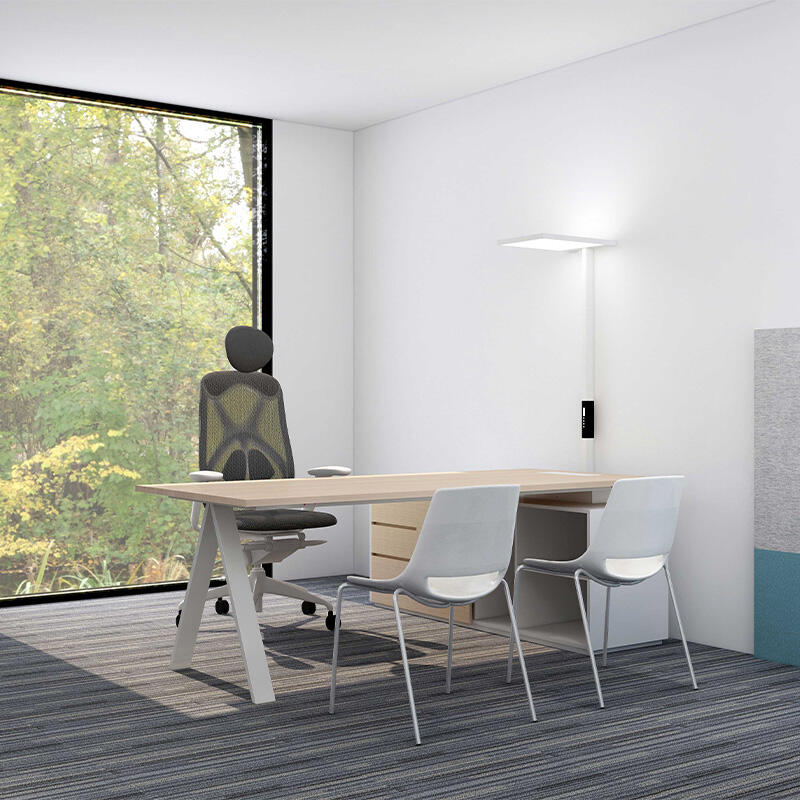
Executive offices serve as the cornerstone of corporate identity, where every element from lighting to furniture communicates the company's values and vision. The executive desk stands as perhaps the most significant piece in this carefully curated environment, acting as both a functional workspace and a powerful symbol of leadership. When designing executive desks that truly reflect brand identity, organizations must consider numerous factors that extend beyond mere aesthetics to encompass functionality, materials, and the psychological impact on both executives and visitors.
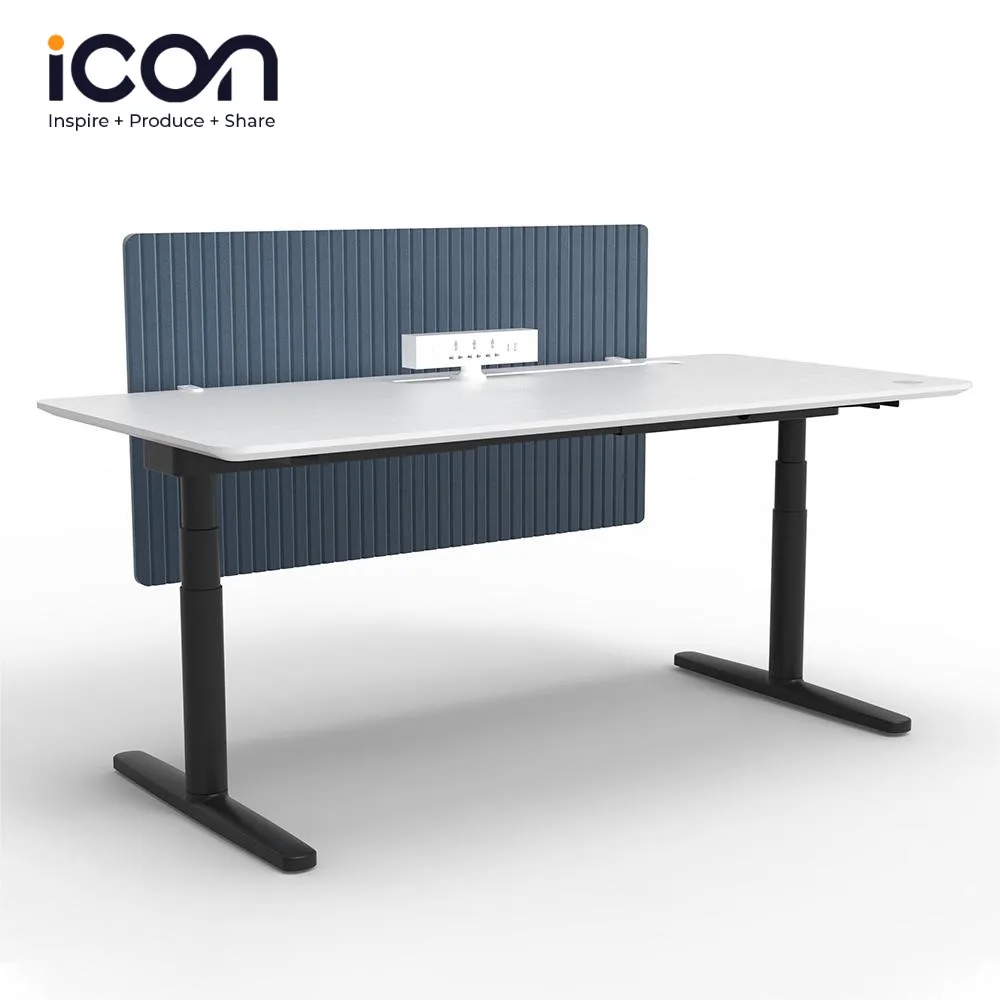
The modern executive desk must serve multiple purposes while maintaining the sophisticated appearance that commands respect and authority. Today's business leaders require workstations that accommodate technology integration, document management, and collaborative meetings while projecting the appropriate corporate image. A well-designed executive desk becomes an extension of the brand itself, communicating everything from innovation and forward-thinking to tradition and stability depending on the company's positioning in the marketplace.
Understanding Brand Identity Through Furniture Design
Corporate Values Integration
The process of designing an executive desk begins with a thorough understanding of the company's core values and mission statement. These foundational elements must translate into tangible design choices that visitors and employees can immediately recognize and understand. For technology companies emphasizing innovation, the desk might feature sleek lines, integrated charging stations, and modern materials like tempered glass or carbon fiber. Conversely, law firms or financial institutions might favor traditional hardwoods and classic proportions that convey stability and trustworthiness.
Every aspect of the desk design should reinforce the brand message consistently. The choice of materials speaks volumes about company priorities, whether that's environmental responsibility through sustainable wood sourcing, luxury through premium finishes, or innovation through advanced manufacturing techniques. The executive desk becomes a physical manifestation of what the company stands for, making it crucial that these elements align perfectly with broader brand strategies.
Visual Brand Elements
Color schemes, textures, and proportions must harmonize with existing brand guidelines to create a cohesive visual experience. The executive desk should incorporate brand colors subtly through accent pieces, hardware finishes, or upholstery choices rather than overwhelming the space with obvious branding. Professional designers understand that effective brand integration feels natural and sophisticated rather than forced or promotional.
Typography and logo integration can be achieved through subtle engravings, custom hardware shapes, or architectural details that echo brand symbols without being overtly commercial. The goal is to create an environment where brand identity emerges organically from the design choices rather than being imposed through obvious marketing elements.
Material Selection and Quality Standards
Premium Material Choices
The selection of materials for an executive desk directly impacts both the immediate impression and long-term brand perception. High-quality hardwoods like walnut, cherry, or mahogany communicate permanence and traditional values, while contemporary materials such as engineered composites or metal alloys suggest innovation and forward-thinking approaches. The desk surface must withstand daily use while maintaining its appearance, requiring careful consideration of durability alongside aesthetic appeal.
Sustainable material choices have become increasingly important as companies emphasize environmental responsibility in their brand messaging. Reclaimed wood, responsibly sourced timber, and low-emission finishes not only support sustainability goals but also appeal to environmentally conscious stakeholders. The executive desk can serve as a showcase for the company's commitment to responsible business practices.
Craftsmanship and Construction
Superior craftsmanship reflects the company's attention to detail and commitment to quality in all business operations. Joint construction, finish quality, and hardware selection should meet the highest standards to ensure the desk maintains its appearance and functionality over many years of executive use. Investment in quality construction demonstrates the company's long-term thinking and financial stability.
Custom millwork and hand-finished details can elevate the desk from furniture to art, creating a unique piece that cannot be replicated by competitors. These distinctive elements become conversation starters and memorable features that reinforce brand uniqueness in the minds of visitors and business partners.
Functional Design Integration
Technology Accommodation
Modern executive desks must seamlessly integrate technology without compromising aesthetic appeal or brand consistency. Cable management systems, built-in charging stations, and monitor mounts should be designed to appear invisible when not in use while providing easy access when needed. The desk design must anticipate future technology changes and provide flexibility for upgrades without requiring complete replacement.
Wireless charging surfaces, integrated USB ports, and hidden wire channels allow the desk to maintain clean lines while supporting the executive's technology needs. These features should align with the company's position on innovation and digital transformation, whether emphasizing cutting-edge adoption or measured, reliable implementation of proven technologies.
Storage and Organization
Executive desk storage must balance accessibility with security, providing space for confidential documents while maintaining the clean appearance expected in high-level offices. Locking drawers, hidden compartments, and organized filing systems should integrate seamlessly into the overall design without creating visual clutter or compromising the desk's proportions.
Personal storage areas allow executives to keep essential items within reach while maintaining the professional appearance necessary for client meetings and video conferences. The organization system should reflect the company's approach to efficiency and productivity, whether through minimalist design that encourages digital workflows or traditional filing systems that support paper-based processes.
Psychological Impact and Leadership Presence
Authority and Confidence
The executive desk serves as a psychological anchor that reinforces leadership presence and decision-making authority. Size, proportion, and positioning within the office space all contribute to the impression of competence and control. The desk design should enhance the executive's natural leadership qualities while remaining approachable enough to encourage open communication with staff and visitors.
Strategic placement of the desk within the office creates natural conversation areas while maintaining the executive's position of authority during meetings. The design should facilitate both formal presentations and informal discussions, adapting to different leadership styles and business cultures.
Visitor Experience
Client and partner impressions form within seconds of entering an executive office, making the desk design crucial for establishing credibility and trust. The desk should complement the executive's personal style while reinforcing corporate values, creating an environment where important business decisions feel natural and well-supported.
Comfortable sight lines and appropriate scale ensure that visitors feel welcomed rather than intimidated, supporting productive business relationships. The desk design should facilitate eye contact and open communication while maintaining the professional boundaries appropriate for executive-level interactions.
Customization and Brand Uniqueness
Bespoke Design Elements
Custom design elements transform a standard executive desk into a unique brand statement that cannot be replicated by competitors. These might include proprietary hardware designs, custom proportions that reflect corporate architecture, or specialized features that support specific business processes unique to the organization.
Collaboration with skilled craftspeople and designers allows for the creation of signature details that become associated with the brand over time. These unique elements often become part of the company's visual identity, appearing in marketing materials and reinforcing brand recognition through consistent application across multiple executive offices.
Scalability and Consistency
Executive desk designs must be scalable across multiple locations while maintaining brand consistency and accommodating local preferences or requirements. Standardized design elements ensure visual continuity while allowing for regional customization that respects local business cultures and regulations.
Manufacturing partnerships and quality control processes become crucial when implementing desk designs across multiple offices or international locations. The design must translate effectively across different production capabilities while maintaining the quality and appearance standards that support brand integrity.
FAQ
What factors should be prioritized when selecting materials for an executive desk
Material selection should prioritize durability, brand alignment, and maintenance requirements. Consider how different materials communicate brand values, their longevity under executive use, and ongoing care requirements. Sustainable options may be important for environmentally conscious brands, while traditional materials might better serve companies emphasizing heritage and stability.
How can technology integration be balanced with aesthetic design goals
Technology integration should be planned from the initial design phase to ensure seamless incorporation without compromising visual appeal. Hidden wire management, wireless charging surfaces, and retractable components allow modern functionality while maintaining clean design lines that support professional appearances during important meetings.
What role does desk positioning play in executive office design
Desk positioning affects both functionality and psychological impact, influencing workflow efficiency and leadership presence. Strategic placement should consider natural light, traffic flow, privacy needs, and the impression created for visitors while supporting the executive's work style and meeting requirements.
How can executive desk design support different leadership styles
Desk design can accommodate various leadership approaches through adjustable features, meeting configurations, and accessibility options. Collaborative leaders might prefer designs that facilitate easy interaction, while traditional executives may require more formal arrangements that maintain appropriate professional distance during business discussions.