
 EN
EN
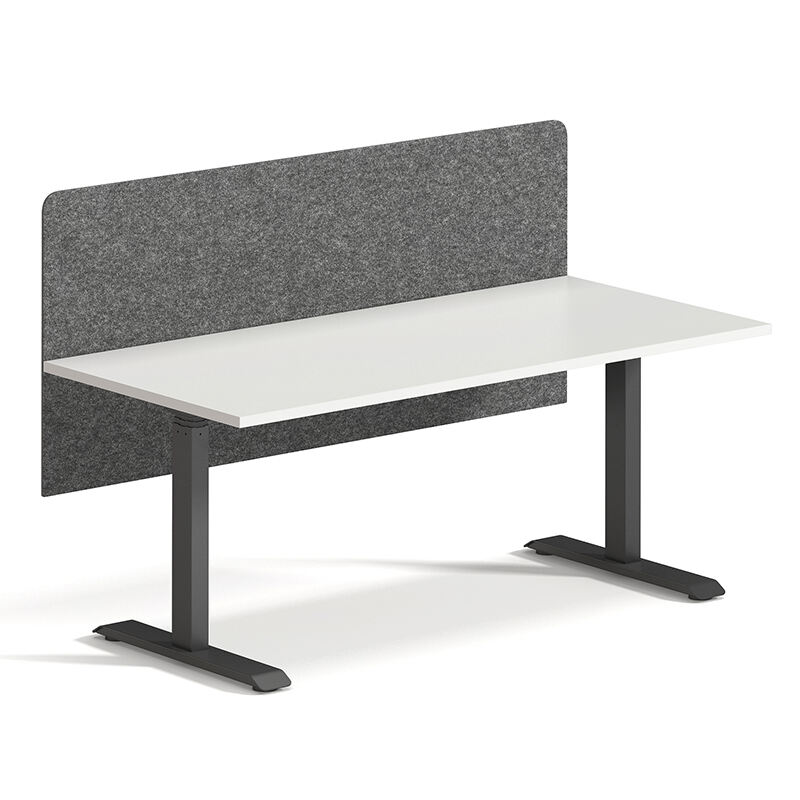
Modern workspaces continue to evolve as businesses prioritize employee productivity, ergonomics, and space optimization. When selecting office furniture, the choice between fixed and modular desk systems represents one of the most critical decisions organizations face. Understanding the fundamental differences between these two approaches can significantly impact workplace efficiency, employee satisfaction, and long-term operational costs. The desk configuration you choose will influence everything from daily workflow patterns to future office expansion capabilities.
Understanding Fixed Desk Systems
Core Characteristics of Fixed Desks
Fixed desk systems represent the traditional approach to office furniture design, featuring permanent configurations that cannot be easily modified or reconfigured. These systems typically consist of single-unit construction with integrated components such as drawers, shelving, and cable management systems. The desk structure maintains consistent dimensions and functionality throughout its lifespan, offering stability and durability for long-term use. Organizations often choose fixed systems when they have established workflow patterns and predictable space requirements that are unlikely to change significantly over time.
The manufacturing process for fixed desk units involves creating complete furniture pieces with predetermined specifications and features. This approach allows manufacturers to optimize structural integrity and reduce production costs through standardized designs. Fixed systems often incorporate materials and construction methods that prioritize longevity over flexibility, resulting in furniture that can withstand heavy daily use without compromising performance. The desk becomes a permanent fixture within the office environment, anchoring workstation layouts and defining spatial boundaries.
Advantages and Applications
Fixed desk systems excel in environments where consistency and standardization are paramount. Organizations with stable headcounts and established operational procedures often find these systems provide excellent value through reduced complexity and maintenance requirements. The desk units typically offer superior structural stability compared to modular alternatives, making them ideal for heavy-duty applications or environments where equipment vibration could affect productivity. Additionally, fixed systems often feature integrated storage solutions that maximize efficiency within the designated workspace footprint.
Cost considerations frequently favor fixed desk systems, particularly for large-scale deployments where volume purchasing can reduce per-unit expenses. The simplified installation process and minimal ongoing configuration requirements can significantly reduce total cost of ownership. Organizations with limited facilities management resources often prefer fixed systems because they require minimal expertise to deploy and maintain. The desk serves as a reliable foundation for daily operations without requiring specialized knowledge or tools for adjustments.
Exploring Modular Desk Solutions
Flexibility and Adaptability Features
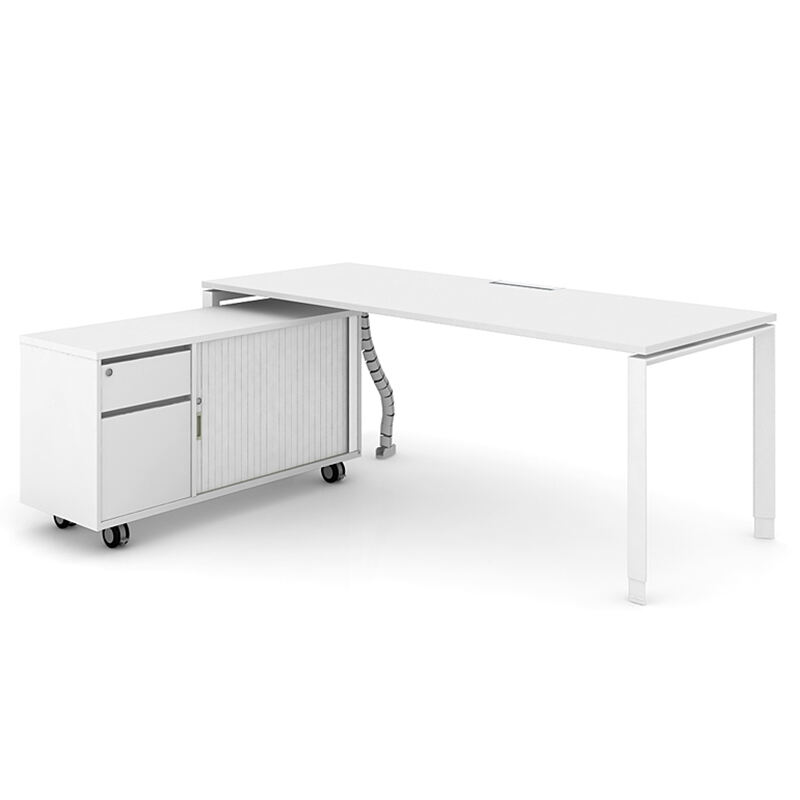
Modular desk systems represent the cutting-edge approach to workspace design, emphasizing flexibility, customization, and future adaptability. These systems consist of interchangeable components that can be combined, reconfigured, and modified to meet changing organizational needs. The modular approach allows businesses to create unique workspace configurations while maintaining the ability to adapt as requirements evolve. Each desk component serves as a building block that can be repositioned, replaced, or supplemented based on specific user needs and spatial constraints.
The component-based design philosophy enables organizations to optimize their workspace investment by purchasing only the necessary elements while retaining expansion capabilities. Modular systems typically feature standardized connection methods and dimensional compatibility across product lines, ensuring seamless integration when adding new components. This approach transforms the desk from a static furniture piece into a dynamic workspace solution that can evolve with organizational growth and changing work patterns. The flexibility extends beyond basic configuration to include height adjustability, accessory integration, and technology accommodation.
Technology Integration and Modern Features
Contemporary modular desk systems excel at accommodating rapidly evolving technology requirements through built-in cable management, power distribution, and device mounting capabilities. The modular design allows for easy integration of monitors, computers, and specialized equipment without requiring permanent modifications to the furniture structure. Organizations can upgrade or reconfigure technology components while maintaining consistent desk functionality and appearance. This adaptability proves particularly valuable in industries where technology changes frequently or where different departments have varying equipment requirements.
The modular approach also supports emerging workplace trends such as hot-desking, collaborative spaces, and activity-based working. Components can be rapidly reconfigured to support different work modes throughout the day, enabling organizations to maximize space utilization while accommodating diverse work styles. The desk system becomes a platform for innovation rather than a constraint, allowing businesses to experiment with new workspace concepts without major furniture investments.
Comparative Analysis and Decision Factors
Cost Implications and Budget Considerations
The financial comparison between fixed and modular desk systems extends beyond initial purchase price to include long-term value considerations. Fixed systems typically offer lower upfront costs per workstation, making them attractive for budget-conscious organizations or large-scale deployments where cost per desk represents a critical factor. However, the total cost of ownership must account for potential future needs, replacement costs, and adaptation expenses. Fixed desk investments may require complete replacement when organizational requirements change significantly.
Modular systems often command higher initial investment but provide superior long-term value through adaptability and component reusability. Organizations can avoid complete furniture replacement by reconfiguring existing components or adding specific modules as needs evolve. The desk system investment becomes more sustainable because components can be repurposed for different applications or users throughout their lifespan. This approach proves particularly cost-effective for growing organizations or businesses operating in dynamic markets where workspace requirements change frequently.
Space Utilization and Efficiency
Space optimization strategies differ significantly between fixed and modular desk approaches, with each offering distinct advantages depending on organizational priorities. Fixed systems provide predictable space requirements and standardized footprints that simplify space planning and furniture specification processes. The desk dimensions remain constant, allowing facility managers to calculate precise space utilization and plan layouts with confidence. This consistency proves valuable for organizations with stable space requirements and established workflows.
Modular systems excel in maximizing space efficiency through adaptive configurations that can be optimized for specific applications or space constraints. The ability to create custom desk configurations allows organizations to utilize irregular spaces, accommodate unique requirements, or create specialized work zones within existing facilities. Space utilization can be continuously optimized as organizational needs evolve, ensuring that furniture investments continue providing value even as business requirements change. The modular approach supports both dense office configurations and open collaborative spaces depending on current organizational priorities.
Implementation Strategies and Best Practices
Assessment and Planning Considerations
Successful desk system selection requires comprehensive assessment of current and future organizational needs, including headcount projections, work pattern analysis, and technology requirements. Organizations should evaluate their change frequency, growth trajectories, and operational flexibility requirements before committing to either fixed or modular approaches. The assessment process should include stakeholder input from facilities management, human resources, and end-users to ensure selected solutions meet diverse organizational needs. Understanding the desk system lifecycle and replacement planning helps organizations make informed decisions that align with long-term strategic objectives.
Planning considerations must address installation timelines, disruption management, and transition strategies that minimize operational impact. Fixed systems typically enable faster deployment with predictable installation schedules, while modular systems may require more complex planning but offer greater flexibility during implementation. Organizations should consider their internal capabilities for managing desk system changes and whether they have resources to fully utilize modular system advantages. The planning phase should also evaluate compatibility with existing furniture, infrastructure requirements, and potential future expansion needs.
Maintenance and Lifecycle Management
Long-term maintenance requirements differ substantially between fixed and modular desk systems, influencing ongoing operational costs and resource allocation. Fixed systems typically require minimal maintenance beyond cleaning and occasional repairs, with predictable replacement schedules based on wear patterns and useful life expectations. The desk maintenance approach remains straightforward because components are permanently integrated and replacement involves complete unit substitution. Organizations with limited maintenance resources often prefer this simplified approach to furniture lifecycle management.
Modular systems require more sophisticated maintenance strategies that account for component variability, connection integrity, and configuration documentation. However, the ability to replace individual components rather than complete desk units can reduce maintenance costs and extend overall system life. Organizations must develop procedures for tracking component configurations, managing spare parts inventory, and ensuring compatibility when making modifications. The modular approach enables proactive maintenance strategies that can prevent complete system replacement while maintaining optimal functionality.
FAQ
What factors should influence the choice between fixed and modular desk systems
The decision between fixed and modular desk systems should consider organizational growth patterns, budget constraints, space flexibility requirements, and change management capabilities. Fixed systems work best for stable organizations with predictable needs and limited modification requirements, while modular systems suit dynamic businesses that frequently adapt their workspace configurations. Evaluate your organization's tolerance for complexity, available maintenance resources, and long-term strategic planning horizon to determine which approach aligns with your operational requirements.
How do modular desk systems affect employee productivity compared to fixed alternatives
Modular desk systems can enhance employee productivity by enabling personalized workspace configurations that accommodate individual work styles and preferences. The ability to adjust desk height, reconfigure components, and integrate technology seamlessly supports ergonomic optimization and task-specific arrangements. However, fixed systems may reduce distractions and decision fatigue by providing consistent workspace environments. The productivity impact depends largely on organizational culture, work patterns, and employee preferences for customization versus standardization.
What are the long-term cost implications of choosing modular over fixed desk systems
Modular desk systems typically offer superior long-term value despite higher initial costs because components can be reused, reconfigured, and upgraded without complete system replacement. Organizations can adapt to changing needs by purchasing additional modules rather than entirely new furniture, reducing total cost of ownership over the desk system lifecycle. Fixed systems may require complete replacement when significant changes occur, potentially resulting in higher long-term costs for dynamic organizations. Consider your organization's change frequency and growth projections when evaluating long-term financial implications.
How do installation and setup requirements differ between fixed and modular desk systems
Fixed desk systems generally feature straightforward installation processes with minimal complexity and faster deployment timelines because they arrive as complete units requiring basic assembly and positioning. Modular systems may require more detailed planning and technical expertise during installation to ensure proper component integration and optimal configuration. However, modular systems offer greater flexibility during installation, allowing real-time adjustments based on space constraints or user preferences. Consider your organization's installation resources and timeline requirements when evaluating these implementation differences.
Table of Contents
- Understanding Fixed Desk Systems
- Exploring Modular Desk Solutions
- Comparative Analysis and Decision Factors
- Implementation Strategies and Best Practices
-
FAQ
- What factors should influence the choice between fixed and modular desk systems
- How do modular desk systems affect employee productivity compared to fixed alternatives
- What are the long-term cost implications of choosing modular over fixed desk systems
- How do installation and setup requirements differ between fixed and modular desk systems