
 EN
EN

Modern workspaces demand solutions that maximize productivity while minimizing footprint, making the choice of a suitable desk more critical than ever before. The evolution of office design has shifted toward compact, multi-functional furniture that serves diverse needs without overwhelming available space. Today's professionals require workstations that adapt to various tasks, from intensive computer work to creative brainstorming sessions. A well-designed desk becomes the foundation of an efficient workspace, influencing everything from daily productivity levels to long-term health outcomes. Understanding how to select and optimize your desk setup can transform even the smallest office area into a highly functional work environment.
Essential Features of Space-Saving Office Furniture
Multi-Level Storage Integration
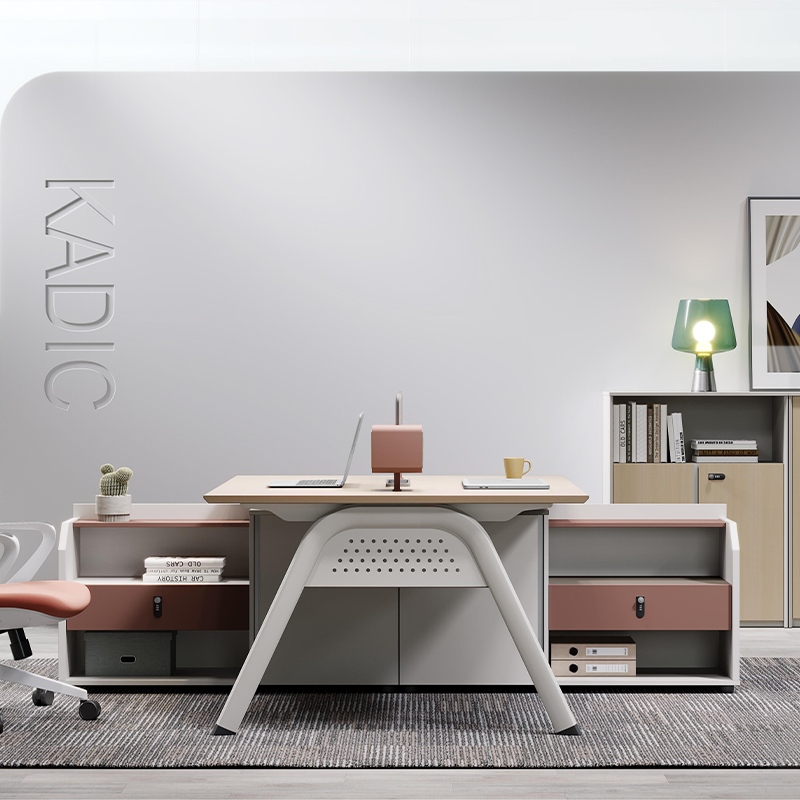
The most effective compact desk designs incorporate vertical storage solutions that eliminate the need for separate filing cabinets or shelving units. Built-in drawers, overhead compartments, and side-mounted organizers create a comprehensive storage ecosystem within the desk footprint. These integrated solutions ensure that essential documents, supplies, and equipment remain easily accessible without cluttering the work surface. Modern desk manufacturers have perfected the art of hidden storage, creating compartments that maintain clean lines while providing ample space for office necessities.
Advanced storage systems within a single desk unit can replace multiple pieces of traditional office furniture. Pull-out keyboard trays, wire management channels, and adjustable shelving maximize utility while maintaining a streamlined appearance. This integration approach reduces the total furniture requirement and creates more open floor space for movement and collaboration.
Ergonomic Design Considerations
Compact workspace solutions must prioritize user comfort despite space limitations, ensuring that a smaller desk does not compromise ergonomic principles. Height adjustability, proper leg clearance, and monitor positioning capabilities remain essential features regardless of overall size. The best space-efficient desk designs incorporate ergonomic research findings while maintaining their compact profile through innovative engineering approaches.
Ergonomic features in compact designs often require creative solutions, such as adjustable monitor arms that fold away when not in use or keyboard platforms that can be repositioned for optimal typing angles. These features ensure that workspace efficiency improvements do not come at the expense of user health and comfort during extended work sessions.
Strategic Placement and Layout Optimization
Corner Utilization Techniques
Corner spaces represent some of the most underutilized areas in traditional office layouts, yet they offer excellent opportunities for desk placement that maximizes both floor space and functionality. L-shaped and curved desk designs specifically target these areas, creating substantial work surfaces while leaving central floor areas open for traffic flow and additional furniture placement. Corner installations often provide better natural light access and create more private work environments within shared spaces.
Proper corner desk positioning requires careful consideration of power outlet locations, network connectivity, and ventilation patterns. The most successful corner installations incorporate these infrastructure elements seamlessly, avoiding the need for extension cords or awkward cable routing that could compromise both safety and aesthetics.
Traffic Flow Management
Effective desk placement considers the natural movement patterns within a workspace, ensuring that furniture arrangement enhances rather than impedes daily workflow. Strategic positioning creates clear pathways while maintaining easy access to frequently used resources and equipment. The relationship between desk placement and room circulation affects both productivity and collaborative opportunities.
Traffic flow optimization involves analyzing how team members interact throughout the day and positioning desks to support these interactions naturally. Well-planned desk arrangements can encourage spontaneous collaboration while providing quiet zones for focused individual work when needed.
Technology Integration and Cable Management
Built-In Power Solutions
Modern compact desk designs incorporate sophisticated power management systems that eliminate the clutter and safety hazards associated with traditional extension cord arrangements. Integrated power outlets, USB charging stations, and wireless charging pads create a clean, professional appearance while ensuring that all devices remain properly powered throughout the workday. These built-in solutions reduce dependency on wall outlets and provide flexibility in desk positioning.
Advanced power integration includes surge protection, individual circuit switching, and energy monitoring capabilities that enhance both safety and efficiency. Some desk models feature retractable power units that can be hidden when not in use, maintaining clean lines while providing comprehensive connectivity options for various devices and equipment.
Wire Organization Systems
Effective cable management transforms chaotic wire arrangements into organized, accessible systems that support both current needs and future expansion. Modern desk designs incorporate channels, clips, and routing systems that keep cables organized while maintaining easy access for adjustments and maintenance. These systems prevent cable tangling and reduce the risk of accidental disconnections during daily use.
Professional wire management extends beyond simple organization to include labeling systems, strain relief mechanisms, and provisions for different cable types. The best desk installations create wire routing that remains invisible to users while providing technicians with clear access paths for maintenance and upgrades.
Customization and Adaptability Features
Modular Component Systems
The most versatile desk solutions incorporate modular design principles that allow users to reconfigure their workspace as needs evolve over time. Interchangeable components, adjustable sections, and expandable frameworks ensure that initial investments continue to provide value as work requirements change. This adaptability reduces the need for complete furniture replacement when roles or technologies shift.
Modular desk systems often include compatible accessories such as monitor arms, lighting fixtures, and storage additions that can be incorporated seamlessly into the existing framework. This ecosystem approach ensures consistent aesthetics while providing unlimited customization possibilities for different work styles and preferences.
Height Adjustment Mechanisms
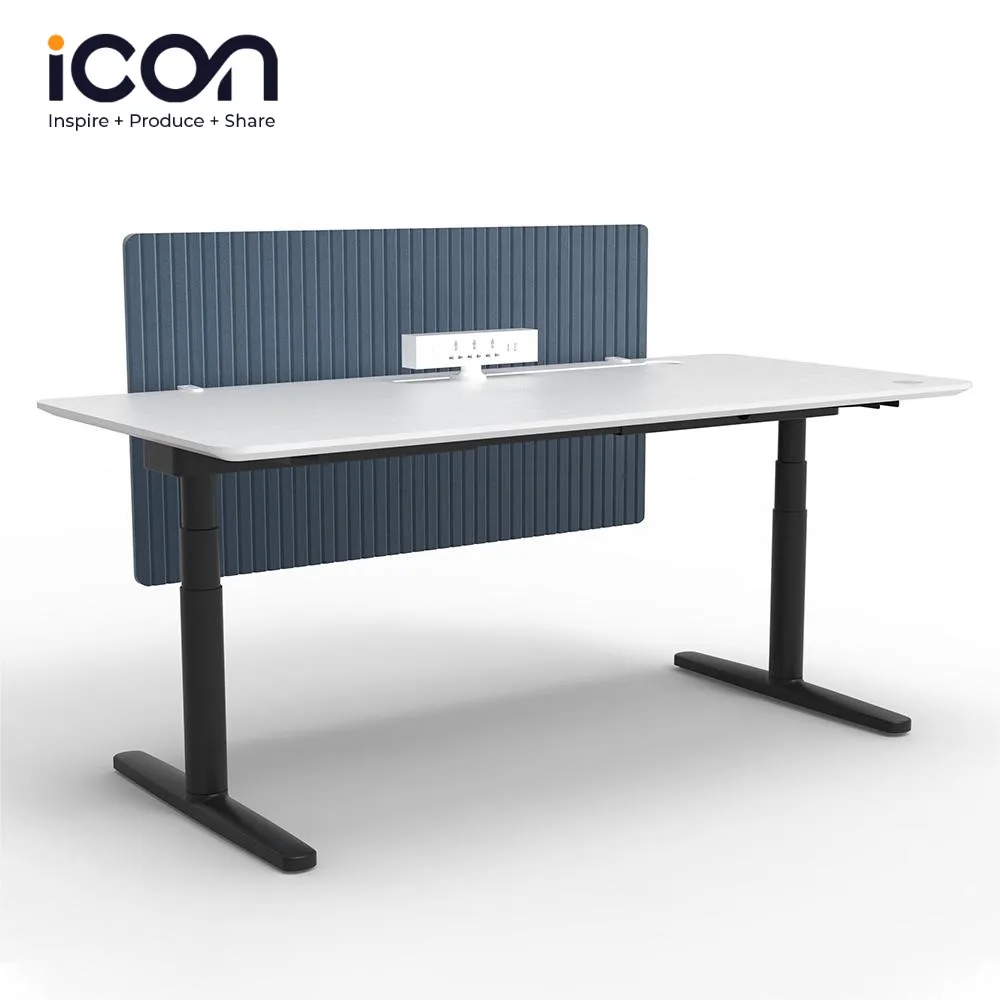
Standing desk capabilities have become essential features for health-conscious professionals who understand the risks associated with prolonged sitting. Compact desk designs that incorporate height adjustment mechanisms provide the flexibility to alternate between sitting and standing throughout the workday without requiring additional floor space. These features support better posture and increased energy levels during long work sessions.
Advanced height adjustment systems offer programmable presets, quiet operation, and smooth transitions that encourage regular position changes. The integration of these mechanisms into compact designs requires sophisticated engineering that maintains stability while minimizing the overall footprint of the desk unit.
Material Selection and Durability Considerations
Surface Materials and Finishes
The choice of desk surface materials significantly impacts both functionality and longevity, with different options providing specific advantages for various work styles and environments. Laminate surfaces offer affordability and easy maintenance, while solid wood provides natural beauty and exceptional durability. Metal and glass surfaces create modern, professional appearances that complement contemporary office designs.
Surface selection must consider factors such as scratch resistance, stain tolerance, and heat sensitivity based on intended use patterns. Some desk applications require specialized surfaces that resist chemicals, provide anti-microbial properties, or offer enhanced grip for specific tasks and equipment.
Structural Framework Options
The underlying framework determines a desk's load capacity, stability, and long-term reliability under daily use conditions. Steel frameworks provide maximum strength and durability, while aluminum offers excellent strength-to-weight ratios for portable or adjustable designs. Engineered wood frameworks can provide adequate support for lighter applications while maintaining cost-effectiveness.
Framework selection affects not only immediate performance but also future modification possibilities and repair options. Quality frameworks support accessory additions and configuration changes without compromising structural integrity, extending the useful life of the desk investment.
Space Planning and Measurement Guidelines
Clearance Requirements
Proper desk installation requires careful attention to clearance measurements that ensure comfortable use while maintaining safety standards and building code compliance. Minimum clearances around the desk perimeter allow for chair movement, drawer operation, and emergency egress in accordance with workplace safety regulations. These measurements vary based on desk type, user requirements, and local building codes.
Clearance planning must also consider the space required for desk accessories, such as monitor arms, task lighting, and storage additions that may extend beyond the basic desk footprint. Proper planning prevents future accessibility issues and ensures that workspace upgrades remain possible without major rearrangement.
Proportional Scaling
The relationship between desk size and room dimensions affects both visual balance and functional efficiency within the workspace. Oversized desks can overwhelm small rooms, while undersized units may appear inadequate in larger spaces. Proper scaling creates harmonious proportions that enhance both aesthetics and usability.
Scaling considerations extend beyond simple size relationships to include visual weight, color coordination, and style consistency with existing furnishings. The most successful desk installations achieve visual integration that makes the workspace appear larger and more cohesive.
FAQ
What is the ideal desk size for a small office space
The ideal desk size for small offices typically ranges from 48 to 60 inches in width and 24 to 30 inches in depth, providing adequate work surface while maintaining proper circulation space. The specific dimensions should be determined by the available room size, user requirements, and equipment needs. A desk that occupies no more than one-third of the floor space allows for comfortable movement and additional furniture placement.
How do I choose between a sitting desk and a standing desk for my compact workspace
The choice between sitting and standing desk configurations depends on your work style, health considerations, and space constraints. Adjustable height desks offer the best of both options, allowing position changes throughout the day while maintaining a compact footprint. Consider your daily tasks, existing furniture compatibility, and budget when making this decision.
What cable management features should I prioritize in a compact desk design
Priority cable management features include integrated wire channels, multiple power outlets with USB charging capabilities, and easily accessible routing paths for future modifications. Look for desks with built-in surge protection and sufficient capacity for your current and anticipated technology needs. Good cable management enhances both safety and aesthetics while simplifying maintenance and upgrades.
How can I maximize storage in a small desk setup without adding clutter
Maximize storage through vertical integration, hidden compartments, and multi-functional accessories that serve dual purposes. Choose desk designs with built-in drawers, overhead storage, and side-mounted organizers that keep items accessible but out of sight. Implement organizational systems that assign specific locations for different types of items, maintaining order while maximizing storage efficiency.