
 EN
EN
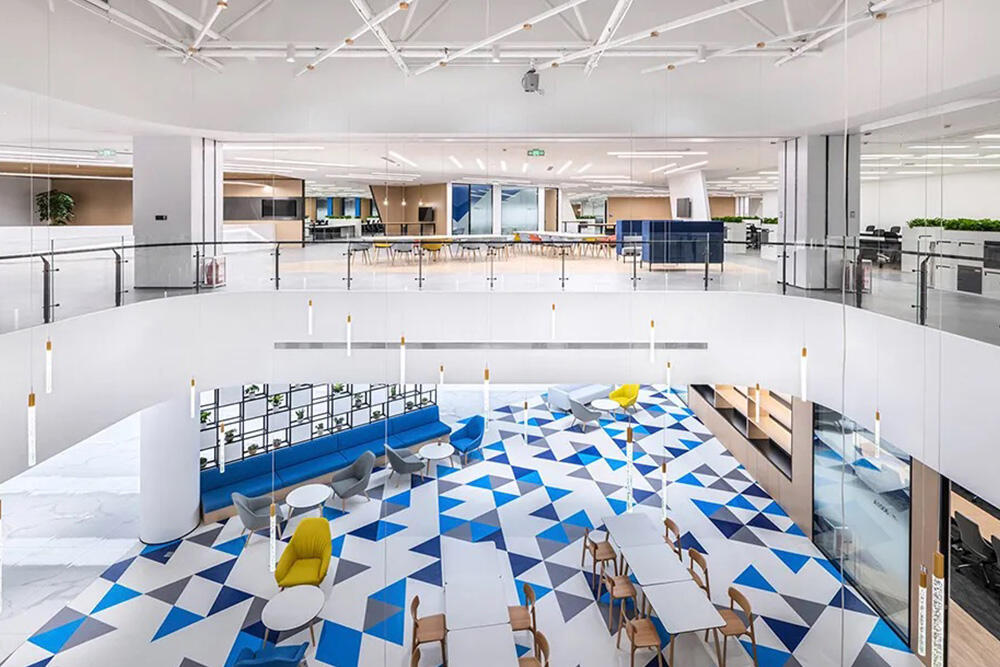
Modern workplaces demand innovative solutions that foster collaboration and enhance productivity. Tables have evolved far beyond simple furniture pieces to become sophisticated tools that facilitate seamless team communication. In today's dynamic business environment, collaborative tables serve as central hubs where ideas flourish, decisions are made, and team dynamics strengthen. These specialized workspace solutions integrate technology, ergonomic design, and functional versatility to create environments where effective communication naturally occurs.
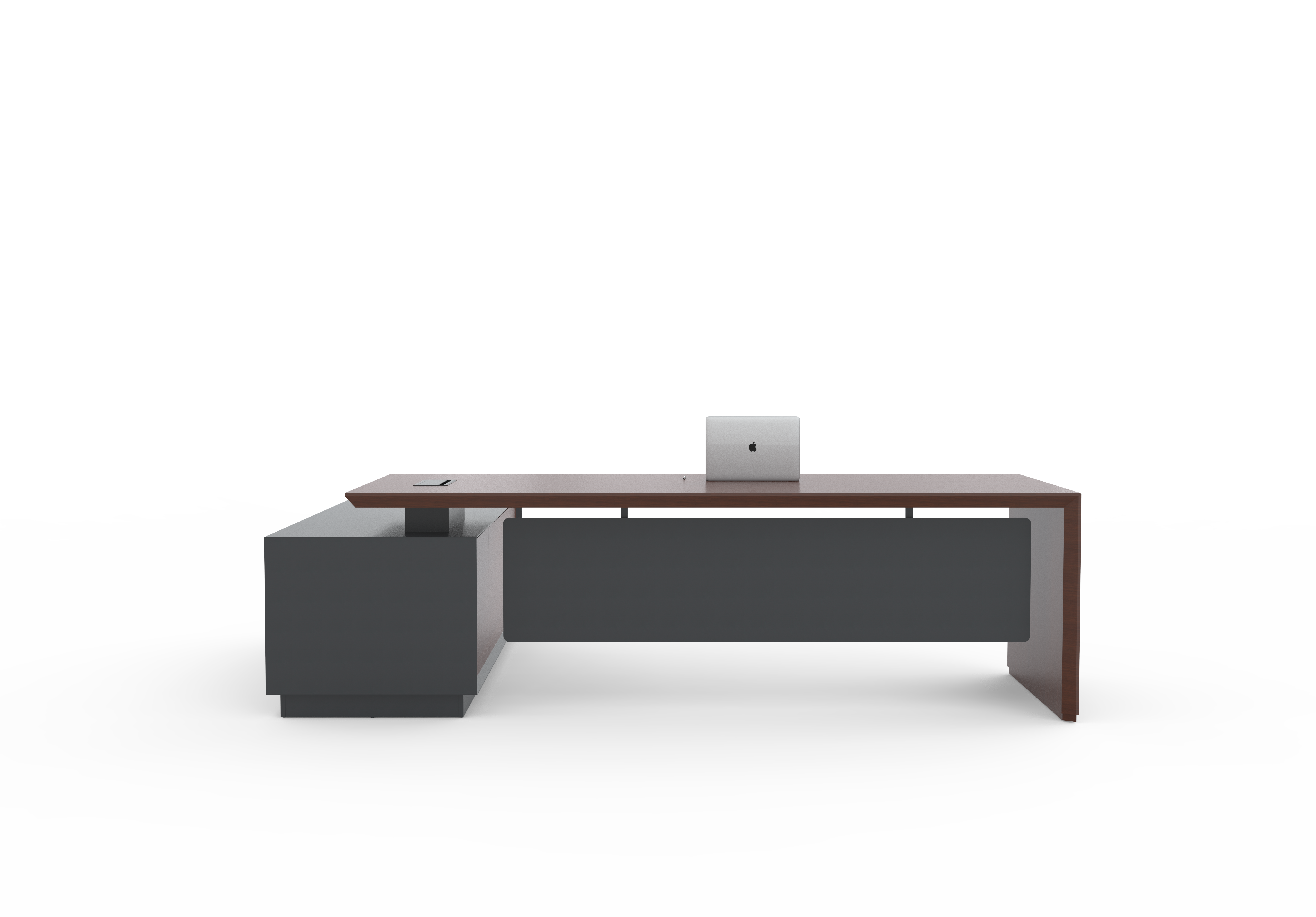
The Evolution of Workplace Tables
From Traditional to Technology-Enhanced Surfaces
Traditional conference tables once served merely as static surfaces for meetings and document sharing. Today's collaborative tables incorporate advanced technology features including integrated power outlets, wireless charging capabilities, and built-in display screens. These enhancements transform simple gathering spaces into interactive communication centers where teams can connect devices, share digital content, and engage in multimedia presentations effortlessly.
The integration of smart technology within tables creates seamless workflows that eliminate common communication barriers. Team members can instantly connect laptops, tablets, and smartphones to shared displays, enabling real-time collaboration on projects and presentations. This technological advancement ensures that all participants remain engaged and can contribute meaningfully to discussions regardless of their preferred digital tools.
Design Principles That Foster Interaction
Contemporary collaborative tables emphasize open design principles that encourage face-to-face interaction while accommodating diverse working styles. Rounded edges and curved surfaces eliminate hierarchical seating arrangements, promoting equal participation among team members. The strategic placement of these tables within office environments creates natural gathering points that facilitate spontaneous conversations and impromptu brainstorming sessions.
Height-adjustable tables accommodate both seated and standing work preferences, ensuring comfort for extended collaboration periods. This flexibility recognizes that different individuals communicate more effectively in various physical positions, allowing teams to adapt their workspace configuration to match the specific requirements of each collaborative session.
Communication Benefits of Strategic Table Placement
Creating Zones for Different Communication Styles
Effective office design utilizes tables to create distinct communication zones that cater to various interaction types. Larger tables accommodate formal meetings and structured discussions, while smaller surfaces support intimate conversations and focused problem-solving sessions. This strategic variety ensures that teams have appropriate spaces for different communication needs throughout their workday.
The positioning of Tables within open office environments influences natural traffic flow and encourages cross-departmental interaction. When placed at corridor intersections or near common areas, collaborative tables become magnets for informal knowledge sharing and relationship building among colleagues who might not otherwise interact regularly.
Acoustic Considerations and Sound Management
Modern collaborative tables often incorporate sound-absorbing materials and acoustic panels to manage noise levels during team discussions. These features ensure that multiple groups can work simultaneously without creating disruptive sound interference. Proper acoustic design allows teams to communicate effectively while maintaining privacy and reducing distractions for nearby workers.
Sound masking technologies integrated into table systems create consistent ambient noise that enhances speech privacy during sensitive discussions. This acoustic consideration becomes particularly important in open office environments where confidential conversations must occur without compromising overall workplace productivity or creating uncomfortable listening situations for other employees.
Technology Integration and Digital Collaboration
Seamless Device Connectivity
Contemporary tables feature sophisticated connectivity solutions that eliminate the friction often associated with technology sharing during meetings. Built-in USB ports, HDMI connections, and wireless screen mirroring capabilities ensure that team members can quickly share content from any device without technical delays or complicated setup procedures.
Cloud-based collaboration tools integrate seamlessly with table-mounted displays, allowing teams to access shared documents, project files, and communication platforms in real-time. This integration creates unified digital workspaces where remote team members can participate fully in discussions through video conferencing systems built directly into the table infrastructure.
Interactive Surface Technologies
Touch-sensitive table surfaces transform traditional meetings into interactive experiences where participants can manipulate digital content directly on the table surface. These interactive tables support gesture-based controls, multi-user input, and collaborative editing capabilities that enhance engagement and improve information retention during team sessions.
Digital whiteboarding applications integrated into table surfaces allow teams to sketch ideas, create diagrams, and develop concepts collaboratively. These digital tools automatically save and share session content, ensuring that innovative ideas generated during meetings are preserved and accessible for future reference and development.
Psychological Impact on Team Dynamics
Breaking Down Hierarchical Barriers
Circular and oval tables eliminate the traditional head-of-table positioning that can reinforce organizational hierarchies during meetings. This democratic seating arrangement encourages equal participation from all team members and reduces the psychological barriers that might prevent junior employees from contributing valuable insights during collaborative sessions.
The absence of designated authority positions at collaborative tables creates more relaxed communication environments where ideas are evaluated on merit rather than source. This psychological shift often leads to increased innovation and more diverse perspectives being shared during team discussions and planning sessions.
Encouraging Active Participation
Well-designed collaborative tables incorporate features that naturally encourage active participation from all team members. Adequate personal space, accessible power connections, and comfortable seating ensure that each participant can engage fully without physical discomfort or technological limitations that might discourage contribution to discussions.
The visual accessibility provided by thoughtfully designed tables ensures that all participants can see shared materials, displays, and fellow team members clearly. This comprehensive visibility reduces misunderstandings and ensures that non-verbal communication cues are effectively transmitted throughout the group during collaborative work sessions.
Maximizing Productivity Through Strategic Design
Workflow Optimization Features
Modern collaborative tables incorporate storage solutions and organizational features that keep essential materials readily accessible during team sessions. Built-in drawers, cable management systems, and document holders reduce clutter and eliminate interruptions caused by searching for necessary items during productive discussions.
Modular table systems allow organizations to reconfigure workspace layouts quickly to accommodate different team sizes and project requirements. This flexibility ensures that collaborative spaces remain optimally utilized regardless of changing business needs or evolving team structures within the organization.
Health and Wellness Considerations
Ergonomic table designs prioritize user comfort during extended collaboration periods, incorporating features such as rounded edges, appropriate heights, and supportive positioning that reduce physical strain. These wellness-focused design elements ensure that team members can maintain focus and energy throughout lengthy collaborative sessions without experiencing discomfort.
Standing-height tables and convertible surfaces promote movement and postural variety during meetings, supporting both physical health and cognitive performance. Research demonstrates that alternating between seated and standing positions during collaborative work enhances creativity and maintains higher energy levels among team participants.
Future Trends in Collaborative Table Design
Artificial Intelligence Integration
Emerging table technologies incorporate artificial intelligence systems that can automatically transcribe meetings, identify action items, and generate follow-up task lists. These AI-powered features reduce administrative burden on team members and ensure that important decisions and commitments made during collaborative sessions are properly documented and tracked.
Smart tables equipped with environmental sensors automatically adjust lighting, temperature, and acoustic conditions to optimize comfort and productivity during team sessions. This intelligent adaptation ensures that physical environmental factors do not become barriers to effective communication and collaboration among team members.
Sustainable Materials and Manufacturing
Environmental consciousness drives innovation in collaborative table design, with manufacturers increasingly utilizing recycled materials, renewable resources, and sustainable production processes. These eco-friendly approaches align with corporate sustainability goals while maintaining the functionality and aesthetic appeal that modern workplaces demand.
Durable construction methods and timeless design principles ensure that contemporary collaborative tables remain functional and relevant for extended periods, reducing replacement frequency and minimizing environmental impact. This longevity focus represents both economic and environmental benefits for organizations investing in quality collaborative furniture solutions.
Implementation Strategies for Organizations
Space Planning and Layout Considerations
Successful implementation of collaborative tables requires careful analysis of existing workflows, team sizes, and communication patterns within the organization. Space planners must consider traffic flow, acoustic requirements, and technology infrastructure when determining optimal placement and configuration of collaborative surfaces throughout the workplace.
Organizations benefit from conducting pilot programs with different table configurations to identify which designs and features most effectively support their specific collaborative needs. This experimental approach ensures that final implementation decisions are based on actual usage patterns and employee feedback rather than assumptions about team preferences.
Training and Change Management
The introduction of technology-enhanced tables often requires training programs to help employees maximize the collaborative features and capabilities available in their new workspace. Comprehensive onboarding ensures that teams can immediately utilize advanced features such as wireless connectivity, interactive surfaces, and integrated communication tools.
Change management strategies should address potential resistance to new collaborative approaches while highlighting the communication benefits and productivity improvements that modern tables can provide. Success stories and measurable outcomes from early adopters help build organization-wide support for collaborative workspace initiatives.
FAQ
What features should organizations prioritize when selecting collaborative tables
Organizations should prioritize technology integration capabilities, ergonomic design features, and flexibility for different meeting sizes when selecting collaborative tables. Essential features include built-in power outlets, wireless connectivity options, height adjustability, and acoustic considerations that support effective communication. The specific features should align with the organization's collaboration patterns, technology ecosystem, and space constraints.
How do collaborative tables impact employee satisfaction and engagement
Collaborative tables significantly improve employee satisfaction by creating more comfortable, technology-enabled spaces that facilitate better communication and reduce meeting friction. Employees report higher engagement levels when they have access to modern collaborative tools that support their preferred working styles. The improved functionality and aesthetic appeal of contemporary tables contribute to overall workplace satisfaction and can help attract and retain talent.
What return on investment can organizations expect from collaborative table implementations
Organizations typically see return on investment through improved meeting efficiency, reduced technology setup time, and enhanced collaboration outcomes that lead to faster project completion. Measurable benefits include decreased meeting duration due to seamless technology integration, increased employee productivity from better communication tools, and improved decision-making processes enabled by enhanced information sharing capabilities during collaborative sessions.
How do collaborative tables support remote and hybrid work arrangements
Modern collaborative tables support remote and hybrid work through integrated video conferencing systems, cloud connectivity features, and digital sharing capabilities that ensure remote participants can engage fully in team sessions. Built-in cameras, microphones, and display systems create seamless connections between in-person and remote team members, while cloud-based collaboration tools enable real-time document sharing and co-editing regardless of participant location.
Table of Contents
- The Evolution of Workplace Tables
- Communication Benefits of Strategic Table Placement
- Technology Integration and Digital Collaboration
- Psychological Impact on Team Dynamics
- Maximizing Productivity Through Strategic Design
- Future Trends in Collaborative Table Design
- Implementation Strategies for Organizations
-
FAQ
- What features should organizations prioritize when selecting collaborative tables
- How do collaborative tables impact employee satisfaction and engagement
- What return on investment can organizations expect from collaborative table implementations
- How do collaborative tables support remote and hybrid work arrangements