
 EN
EN
Selecting the right conference room tables is crucial for creating productive meeting environments that foster collaboration and communication. The shape of conference tables significantly impacts group dynamics, conversation flow, and overall meeting effectiveness. Modern workplaces require thoughtful furniture choices that accommodate diverse meeting styles, from formal presentations to creative brainstorming sessions. Understanding how different table configurations influence participant engagement helps organizations make informed decisions about their meeting spaces.
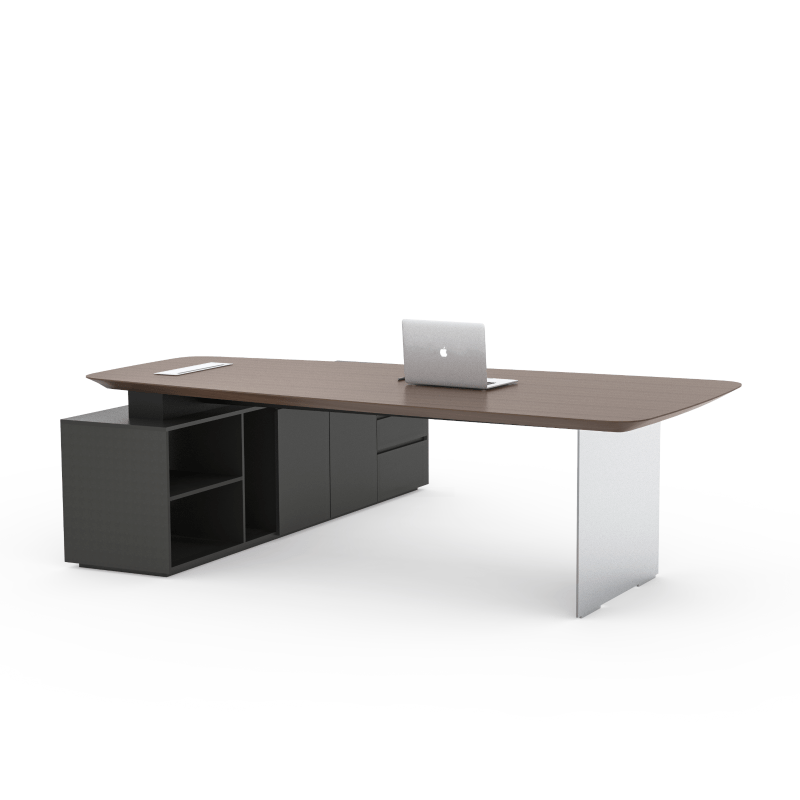
Conference room tables serve multiple purposes beyond providing surface space for documents and devices. They establish hierarchy, encourage participation, and create the physical foundation for successful meetings. The shape you choose communicates organizational values and meeting objectives to participants before discussions even begin. Different table configurations can either promote equality among participants or emphasize leadership positions, depending on your meeting goals and company culture.
Rectangular Conference Tables
Traditional Authority and Structure
Rectangular tables represent the most common choice for conference rooms due to their practical advantages and traditional appeal. These tables naturally create head positions at both ends, making them ideal for meetings with clear leadership structures or formal presentations. The linear arrangement facilitates direct communication between leaders and team members while maintaining clear sightlines across the room. Organizations often prefer rectangular configurations for board meetings, client presentations, and hierarchical discussions.
The elongated shape of rectangular tables maximizes seating capacity within standard conference room dimensions. This efficiency makes them particularly valuable for companies that frequently host large meetings or need to accommodate varying group sizes. The straight edges align well with room architecture and allow for easy integration with presentation equipment, whiteboards, and other meeting room technology.
Space Optimization and Flexibility
Rectangular tables offer exceptional space utilization in conference rooms with limited square footage. Their linear design allows for efficient arrangement against walls when not in use, creating multi-purpose spaces that can accommodate various activities. Many organizations appreciate the flexibility of rectangular tables for accommodating different meeting sizes by simply adding or removing sections from modular systems.
Modern rectangular conference tables often feature integrated technology solutions, including built-in power outlets, data ports, and cable management systems. These technological integrations support today's digital meeting requirements while maintaining clean, professional aesthetics. The straight edges provide ideal mounting surfaces for monitors, cameras, and other conference equipment essential for hybrid work environments.
Round Conference Tables
Equality and Collaboration Focus
Round tables create democratic meeting environments where no single position dominates the discussion. This configuration promotes equal participation by eliminating traditional head-of-table positions and encouraging more balanced conversations. The circular arrangement enables every participant to maintain eye contact with others, fostering stronger connections and more engaging discussions. Companies focused on collaborative decision-making and team-building often prefer round table configurations.
The absence of corners and edges in round tables creates a more intimate meeting atmosphere that can reduce formality and encourage creative thinking. Participants naturally lean in toward the center, creating physical proximity that can translate into psychological closeness and better team cohesion. This design works particularly well for brainstorming sessions, creative workshops, and team meetings where idea generation is the primary objective.
Size Limitations and Applications
While round tables excel at promoting equality, they face practical limitations regarding seating capacity and room efficiency. Most round conference tables accommodate 6-8 people comfortably before conversations become difficult across the diameter. Larger round tables can create communication challenges as participants struggle to hear and engage with colleagues seated directly opposite them.
Round tables work best in smaller conference rooms designed for intimate meetings and collaborative work sessions. They require more floor space relative to seating capacity compared to rectangular alternatives, making them less suitable for organizations with space constraints. However, their unique benefits make round tables invaluable for specific meeting types and team dynamics where collaboration takes priority over capacity.
Oval Conference Tables
Balanced Approach to Form and Function
Oval tables represent a compromise between rectangular and round configurations, offering advantages of both shapes while mitigating some of their limitations. The curved sides promote better conversation flow than rectangular tables while maintaining subtle head positions for leadership when needed. This hybrid design creates more inclusive meeting environments than traditional rectangular setups while preserving some hierarchical structure.
The elongated circular shape of oval tables provides excellent sightlines for all participants while accommodating more people than round alternatives of similar width. The curved edges create a softer, more welcoming atmosphere than sharp rectangular corners while maintaining the space efficiency needed for larger groups. Many organizations find oval tables ideal for mixed-purpose conference rooms that host various meeting types.
Versatility for Different Meeting Styles
Oval conference tables adapt well to different meeting formats and leadership styles, making them versatile choices for dynamic organizations. The subtle head positions allow for presentations and formal discussions when needed, while the curved sides encourage participation from all attendees. This flexibility makes oval tables particularly valuable for companies that conduct diverse meeting types in the same space.
The smooth curves of oval tables create natural conversation zones that can facilitate side discussions and collaborative work within larger meetings. Participants can easily turn toward neighbors for small group activities while maintaining connection to the broader discussion. This design feature proves especially valuable for workshops, training sessions, and meetings that combine presentation elements with interactive components.
Square Conference Tables
Compact Efficiency for Small Teams
Square tables provide efficient solutions for small conference rooms and intimate team meetings. The equal sides create democratic seating arrangements similar to round tables while offering better space utilization in square or compact rectangular rooms. Four-person square tables work particularly well for project teams, department meetings, and focused work sessions that require close collaboration.
The geometric simplicity of square tables appeals to modern office aesthetics while providing practical functionality for technology integration. The straight edges accommodate monitors, laptops, and documents effectively, while the compact footprint leaves room for additional furniture and equipment. Many startups and small businesses prefer square tables for their efficiency and contemporary appearance.
Limitations for Larger Groups
Square table configurations become impractical as group sizes increase beyond six to eight participants. Larger square tables create excessive distance between opposite corners, making conversation difficult and reducing meeting effectiveness. The corner positions can become isolated from group discussions, potentially excluding some participants from active engagement.
Despite size limitations, square tables excel in specific applications where their unique properties provide advantages. They work well for training sessions with small cohorts, client meetings with limited attendees, and creative workshops where participants need to work with materials and tools. The contained shape helps maintain focus and intimacy in discussions while providing adequate surface area for work materials.
Specialized Table Configurations
U-Shaped and Horseshoe Arrangements
U-shaped table configurations combine the benefits of rectangular tables with improved sightlines and accessibility for presentations. The open end allows presenters to move freely among participants while maintaining clear views of screens and whiteboards. This arrangement works exceptionally well for training sessions, workshops, and meetings that involve significant presentation components combined with group interaction.
Horseshoe-shaped tables create similar advantages to U-configurations while offering slightly more enclosed feeling for participants. The curved design promotes better conversation flow than straight U-shapes while maintaining the open presentation area. These specialized configurations require larger conference rooms but provide unique advantages for specific meeting types and organizational needs.
Modular and Flexible Systems
Modern conference furniture increasingly features modular table systems that can be reconfigured for different meeting requirements. These flexible solutions allow organizations to create rectangular, U-shaped, or separated small group arrangements using the same table components. The adaptability proves valuable for companies that host diverse meeting types and need to maximize conference room utility.
Modular table systems support collaborative work styles by enabling quick reconfiguration for different phases of meetings or workshops. Teams can start with traditional configurations for presentations, then break into smaller clusters for group work, and reconvene in alternative arrangements for discussion and decision-making. This flexibility aligns with modern meeting methodologies that emphasize participant engagement and varied interaction patterns.
Factors Influencing Table Selection
Room Dimensions and Layout
Conference room dimensions significantly impact table shape selection, as certain configurations require specific spatial relationships to function effectively. Rectangular tables work well in long, narrow rooms but may feel awkward in square spaces. Round and square tables require adequate clearance on all sides for chair movement and circulation, while oval tables need sufficient length to accommodate their elongated profiles.
Ceiling height and architectural features also influence table choice, as larger tables may overwhelm rooms with low ceilings or compete with dramatic architectural elements. The scale relationship between tables and room proportions affects both functionality and aesthetics, making careful measurement and planning essential for successful conference room design. Professional space planners often create scaled drawings to visualize different table options within specific room constraints.
Technology Integration Requirements
Modern conference rooms require extensive technology integration that can influence table selection decisions. Power distribution, data connectivity, and cable management systems work differently with various table shapes and sizes. Rectangular tables often provide the most straightforward technology integration, with linear cable runs and consistent power outlet spacing along the perimeter.
Round and oval tables present unique challenges for technology integration but offer opportunities for innovative solutions like central power columns and wireless connectivity options. The choice between wired and wireless technology approaches can impact table selection, as some shapes accommodate cable management better than others. Organizations must balance aesthetic preferences with practical technology requirements when selecting conference room tables.
FAQ
What table shape works best for creative brainstorming sessions
Round tables excel for creative brainstorming because they eliminate hierarchy and encourage equal participation from all team members. The circular configuration promotes eye contact and creates an intimate atmosphere that stimulates idea sharing. However, square tables can also work well for small creative teams of four to six people, providing adequate space for materials while maintaining collaborative dynamics.
How do I determine the right table size for my conference room
Calculate table size by allowing 24-30 inches of perimeter space per person, plus 36-42 inches of clearance around the table for chair movement and circulation. The table should occupy no more than 50-60% of the room's floor area to avoid overwhelming the space. Consider both maximum capacity needs and typical meeting sizes to find the optimal balance between functionality and room proportions.
Can modular tables replace fixed conference room furniture
Modular table systems offer excellent flexibility for organizations that conduct diverse meeting types, allowing quick reconfiguration from formal presentations to collaborative workshops. However, they typically cost more than fixed tables and may sacrifice some stability and premium aesthetics. The investment makes sense for companies that frequently change meeting formats or need to maximize conference room versatility.
Which table shape promotes better video conferencing experiences
Rectangular tables often work best for video conferencing because they create predictable camera angles and consistent lighting conditions for all participants. The linear arrangement allows cameras to capture multiple people effectively while maintaining clear sightlines to screens. However, smaller round tables can work well for intimate video calls where all participants need equal prominence on camera feeds.