
 EN
EN
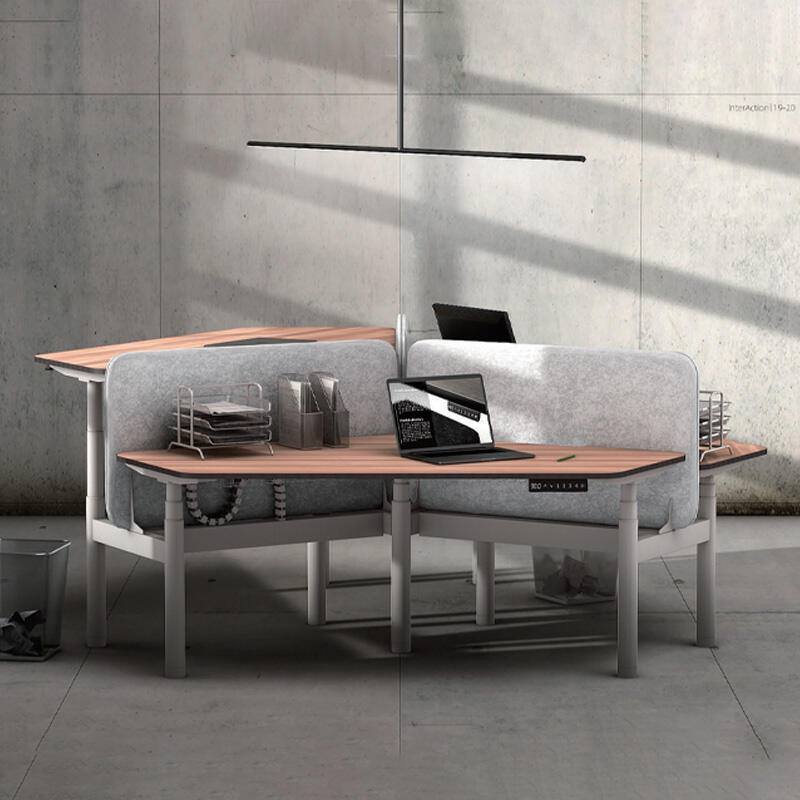
Modern workspaces are experiencing a revolutionary transformation with the integration of advanced technology into collaborative furniture. Smart meeting tables represent the pinnacle of this evolution, combining traditional conference furniture with cutting-edge digital capabilities. These innovative tables serve as central command centers for productive meetings, seamlessly blending physical and digital interaction to enhance team collaboration and communication efficiency.
Interactive Display Technology Integration
Touch-Sensitive Surface Implementation
Smart meeting tables incorporate sophisticated touch-sensitive surfaces that transform traditional conference tables into interactive digital workspaces. These multi-touch displays utilize capacitive touch technology, enabling multiple users to interact simultaneously with digital content. The responsive surface supports various gestures including swiping, pinching, and tapping, allowing participants to manipulate documents, presentations, and collaborative applications directly on the table surface. Advanced palm rejection technology ensures accidental touches don't interfere with intentional interactions.
The integration of high-resolution displays within tables creates an immersive collaborative environment where teams can visualize data, share content, and brainstorm ideas collectively. These surfaces typically feature 4K or higher resolution capabilities, ensuring crisp text and vibrant images that enhance the overall meeting experience. The durability of these interactive surfaces is engineered to withstand heavy daily use while maintaining optical clarity and touch responsiveness.
Projection Mapping Systems
Some smart tables utilize advanced projection mapping technology to transform ordinary table surfaces into dynamic interactive displays. This approach employs high-definition projectors positioned above the table, casting images and interfaces directly onto the surface. The projection system works in conjunction with infrared cameras and sensors to detect touch inputs and gestures, creating a responsive digital environment without the need for embedded screens in tables.
Projection mapping offers flexibility in table design and configuration, allowing organizations to retrofit existing conference tables with smart capabilities. The technology supports real-time content sharing, collaborative drawing, and multi-user interaction, making it an attractive solution for businesses seeking to upgrade their meeting spaces without complete furniture replacement.
Wireless Connectivity and Communication Features
Seamless Device Integration
Contemporary smart tables feature comprehensive wireless connectivity options that enable effortless integration with laptops, smartphones, tablets, and other digital devices. These tables support multiple wireless protocols including Wi-Fi 6, Bluetooth 5.0, and Near Field Communication (NFC) for quick device pairing and content sharing. Participants can instantly project their screens, share documents, and collaborate on digital content without the hassle of cables or complex setup procedures.
The wireless infrastructure embedded in smart tables includes dedicated access points and signal amplifiers to ensure robust connectivity throughout the meeting space. Advanced tables incorporate multiple simultaneous connections, allowing team members to share content from various devices concurrently. This seamless integration capability transforms traditional conference tables into central hubs for digital collaboration and information exchange.
Video Conferencing Integration
Smart meeting tables often integrate sophisticated video conferencing systems that eliminate the need for external equipment. Built-in high-definition cameras, directional microphones, and speakers create immersive remote collaboration experiences. The tables feature 360-degree camera systems that automatically track speakers and adjust focus based on voice detection and movement patterns.
Advanced noise cancellation technology and beamforming microphones ensure clear audio transmission while minimizing background interference. These integrated communication systems support popular video conferencing platforms and enable hybrid meetings where remote and in-person participants can collaborate effectively. The tables provide centralized control interfaces for managing calls, adjusting audio levels, and switching between different communication modes.
Advanced Sensor Technology and Environmental Controls
Presence Detection and Automation
Modern smart tables incorporate sophisticated sensor arrays that detect user presence and automatically adjust system settings based on occupancy patterns. Infrared and ultrasonic sensors monitor room activity and can trigger various automated responses such as powering up displays, adjusting lighting levels, and activating climate control systems. These presence detection capabilities enable energy-efficient operation while ensuring tables are ready for immediate use when meetings begin.
Advanced machine learning algorithms analyze usage patterns to optimize system performance and predict meeting room requirements. The sensor data helps facility managers understand space utilization trends and make informed decisions about resource allocation and scheduling. Smart tables can automatically reserve meeting rooms, send notifications about availability, and generate usage reports for administrative purposes.
Environmental Monitoring and Adjustment
Intelligent tables integrate environmental sensors that monitor air quality, temperature, humidity, and lighting conditions to create optimal meeting environments. These sensors work in conjunction with building management systems to automatically adjust HVAC settings, lighting levels, and air circulation based on occupancy and environmental conditions. The integrated monitoring helps maintain comfortable meeting conditions while promoting participant well-being and productivity.
Some advanced tables feature built-in air purification systems and UV sanitization capabilities that ensure clean and hygienic meeting surfaces. These health-focused features became particularly important following global health concerns and demonstrate the evolving role of furniture in supporting workplace safety and employee wellness initiatives.
Power Management and Charging Solutions
Integrated Charging Infrastructure
Smart conference tables incorporate comprehensive power management systems that provide convenient charging solutions for various electronic devices. Built-in wireless charging pads support Qi-enabled smartphones and tablets, allowing users to maintain device power throughout extended meetings without cluttering the surface with cables. The tables feature multiple USB ports, USB-C connections, and traditional power outlets strategically positioned for easy access without compromising the aesthetic appeal.
Advanced power management systems monitor energy consumption and optimize power distribution based on device requirements and usage patterns. These intelligent systems prevent overcharging, manage power loads efficiently, and ensure stable power delivery to all connected devices. The integration of fast-charging capabilities enables rapid device power restoration during short meeting breaks.
Sustainable Energy Solutions
Forward-thinking smart table designs incorporate renewable energy solutions such as integrated solar panels or kinetic energy harvesting systems. These sustainable technologies help reduce the environmental impact of digital furniture while providing backup power for essential systems. The tables can store excess energy in built-in battery systems that provide uninterrupted operation during power outages or system maintenance.
Energy monitoring displays provide real-time feedback on power consumption and environmental impact, encouraging sustainable usage practices among meeting participants. These features align with corporate sustainability goals and demonstrate organizational commitment to environmental responsibility while maintaining technological advancement.
Data Security and Privacy Technologies
Secure Data Transmission
Smart meeting tables implement robust security protocols to protect sensitive business information and ensure secure data transmission during collaborative sessions. Enterprise-grade encryption standards protect wireless communications and prevent unauthorized access to shared content and meeting data. The tables feature dedicated security processors that handle authentication, encryption, and access control without impacting overall system performance.
Advanced security features include biometric authentication systems, smart card readers, and multi-factor authentication protocols that ensure only authorized personnel can access table functions and shared content. These security measures are particularly important in corporate environments where confidential information is regularly discussed and shared during meetings.
Privacy Protection Systems
Modern smart tables incorporate privacy protection technologies such as acoustic masking systems and visual privacy screens that prevent unauthorized surveillance and eavesdropping. The tables can generate white noise or sound masking to prevent audio recording from external devices while maintaining clear communication among authorized participants.
Built-in privacy modes disable cameras and microphones when sensitive discussions require complete confidentiality. These systems provide visual and audible confirmation when privacy features are activated, ensuring participants have confidence in the security of their communications. The tables maintain detailed access logs and security audit trails for compliance and security monitoring purposes.
Artificial Intelligence and Machine Learning Integration
Intelligent Meeting Assistance
Contemporary smart tables leverage artificial intelligence to provide intelligent meeting assistance and enhance collaborative productivity. AI-powered systems can automatically transcribe conversations, identify key discussion points, and generate meeting summaries for distribution to participants. Natural language processing capabilities enable voice commands for controlling table functions, accessing information, and managing meeting logistics.
Machine learning algorithms analyze meeting patterns and participant behavior to provide personalized recommendations for improving meeting efficiency and engagement. These systems can suggest optimal seating arrangements, predict meeting duration, and recommend relevant documents or resources based on discussion topics and participant profiles.
Predictive Analytics and Optimization
Advanced smart tables utilize predictive analytics to optimize performance and anticipate maintenance requirements. Machine learning models analyze usage patterns, system performance data, and environmental conditions to predict potential issues and schedule preventive maintenance. This proactive approach minimizes downtime and ensures consistent table functionality.
The analytics capabilities extend to space utilization optimization, helping organizations understand how meeting spaces are used and identifying opportunities for improved efficiency. The tables can provide insights into peak usage times, popular features, and user preferences that inform facility planning and technology investment decisions.
FAQ
How do smart meeting tables improve collaboration compared to traditional conference tables
Smart meeting tables significantly enhance collaboration by providing interactive digital surfaces that allow multiple participants to share, edit, and manipulate content simultaneously. Unlike traditional tables that limit interaction to verbal communication and paper-based materials, smart tables enable real-time digital collaboration with touch interfaces, wireless content sharing, and integrated video conferencing capabilities that connect remote and in-person participants seamlessly.
What maintenance requirements do smart meeting tables have
Smart meeting tables require regular software updates, periodic cleaning of touch surfaces and sensors, and occasional calibration of interactive components. Most systems include automated diagnostic tools that monitor performance and alert administrators to potential issues. Professional maintenance typically involves annual inspections of electronic components, cleaning of internal systems, and updates to security protocols to ensure optimal performance and longevity.
Can existing conference tables be upgraded with smart technology features
Many smart technology features can be retrofitted to existing conference tables through modular systems and external devices. Projection mapping systems, wireless connectivity hubs, and portable interactive displays can transform traditional tables into smart collaboration spaces. However, fully integrated features like built-in touch surfaces, embedded sensors, and seamless power management typically require purpose-built smart tables for optimal functionality and aesthetic integration.
What are the typical costs associated with implementing smart meeting table technology
The cost of smart meeting tables varies significantly based on size, features, and integration complexity, typically ranging from moderate investments for basic interactive capabilities to substantial expenditures for fully integrated systems with advanced AI and sensor technologies. Organizations should consider ongoing costs including software licenses, maintenance contracts, and periodic technology updates when budgeting for smart table implementations, as these systems represent long-term investments in collaborative infrastructure.
Table of Contents
- Interactive Display Technology Integration
- Wireless Connectivity and Communication Features
- Advanced Sensor Technology and Environmental Controls
- Power Management and Charging Solutions
- Data Security and Privacy Technologies
- Artificial Intelligence and Machine Learning Integration
-
FAQ
- How do smart meeting tables improve collaboration compared to traditional conference tables
- What maintenance requirements do smart meeting tables have
- Can existing conference tables be upgraded with smart technology features
- What are the typical costs associated with implementing smart meeting table technology