
 EN
EN
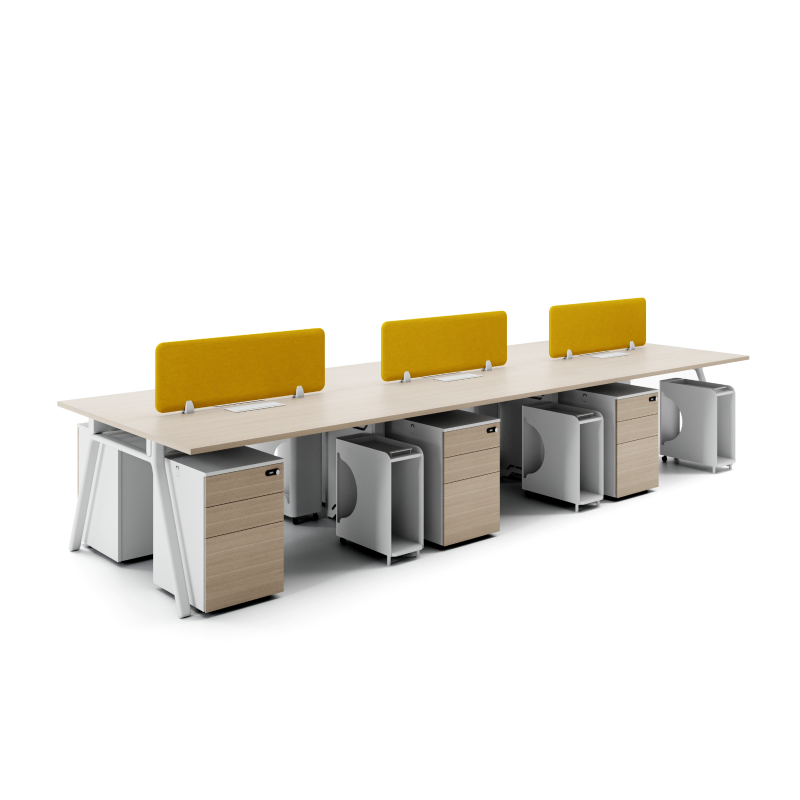
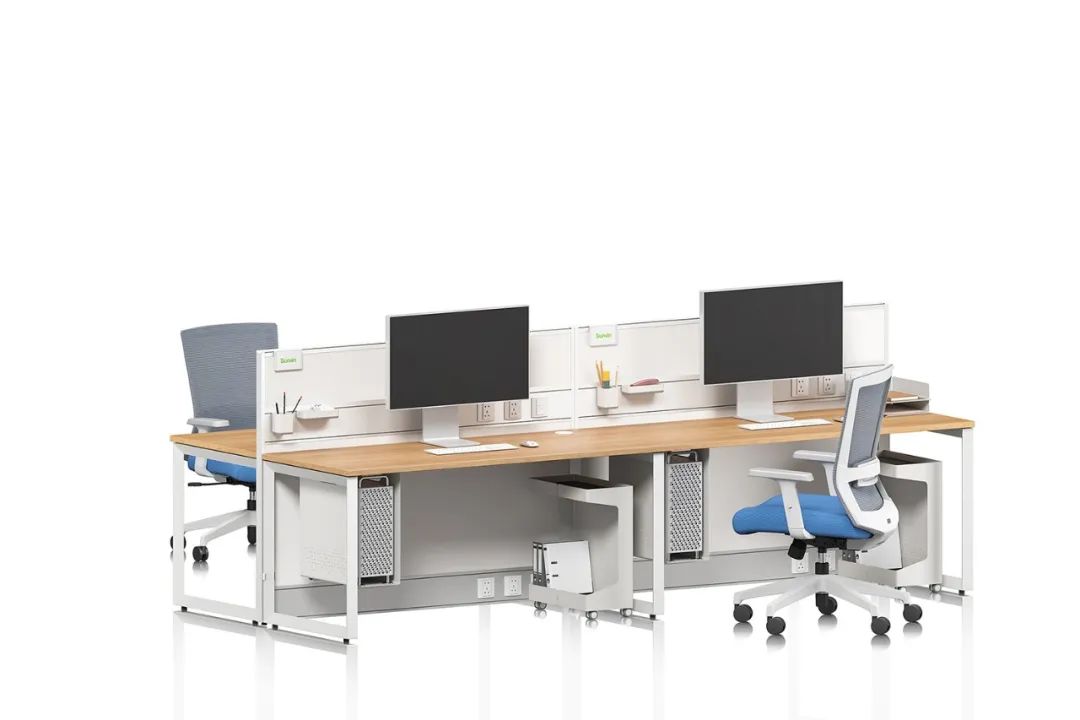
The modern workplace continues to evolve at an unprecedented pace, driving organizations to seek flexible, efficient, and aesthetically pleasing office solutions. Modular workstations have emerged as the cornerstone of contemporary office design, offering unparalleled adaptability to meet changing business needs. These innovative furniture systems provide companies with the ability to reconfigure their workspace layouts quickly while maintaining functionality and employee comfort. As remote work patterns shift and hybrid models become standard, the demand for versatile workspace solutions has never been higher.
Sustainable Materials and Eco-Friendly Design
Recycled and Renewable Materials
Environmental consciousness has become a primary driver in modular workstation design, with manufacturers increasingly incorporating recycled plastics, reclaimed wood, and renewable materials into their products. Companies are prioritizing sustainability not only to meet corporate responsibility goals but also to appeal to environmentally aware employees. Bamboo surfaces, recycled aluminum frames, and bio-based polymers are becoming standard components in high-quality modular systems. These materials offer excellent durability while significantly reducing the environmental footprint of office furniture production.
The integration of sustainable materials extends beyond basic construction to include packaging, adhesives, and finishing processes. Water-based finishes and low-VOC coatings ensure healthier indoor air quality while maintaining the aesthetic appeal that modern offices demand. This trend reflects a broader shift toward circular economy principles in furniture manufacturing, where end-of-life considerations are built into the initial design process.
Certification and Environmental Standards
Leading modular workstation manufacturers are pursuing rigorous environmental certifications such as GREENGUARD Gold, BIFMA LEVEL, and Forest Stewardship Council approval. These certifications provide tangible evidence of a product's environmental performance and indoor air quality impact. Organizations increasingly require these certifications as part of their procurement processes, driving manufacturers to exceed basic environmental compliance standards.
The emphasis on certified sustainable materials has also influenced supply chain management, with manufacturers establishing partnerships with verified sustainable suppliers. This comprehensive approach ensures that sustainability extends throughout the entire production process, from raw material sourcing to final assembly and distribution.
Technology Integration and Smart Features
Built-In Power and Connectivity Solutions
Modern modular workstations seamlessly integrate advanced power management and connectivity features to support today's technology-dependent work environments. USB-C ports, wireless charging surfaces, and cable management systems are now standard components rather than optional add-ons. These integrated solutions eliminate the clutter of extension cords and adapters while providing easy access to power and data connections.
Smart power strips with individual outlet control and energy monitoring capabilities allow users to optimize their energy consumption while maintaining full control over their electronic devices. Some advanced systems even include voice-activated controls and smartphone app integration, enabling users to customize their workspace environment remotely.
Ergonomic Technology Features
Height-adjustable surfaces powered by electric motors have become increasingly sophisticated, with memory settings that allow multiple users to quickly adjust workstations to their preferred configurations. Advanced systems include collision detection sensors and quiet operation motors that enhance user safety and comfort. Integration with fitness tracking applications encourages regular position changes throughout the workday.
Smart lighting systems embedded within modular workstations can automatically adjust color temperature and brightness based on time of day, task requirements, and individual preferences. These systems help reduce eye strain and support natural circadian rhythms, contributing to improved employee wellbeing and productivity.
Flexibility and Reconfiguration Capabilities
Tool-Free Assembly Systems
The latest modular workstations feature innovative connection mechanisms that allow for quick reconfiguration without specialized tools or extensive downtime. Magnetic connections, twist-lock systems, and precision-engineered joints enable facilities managers to adapt workspace layouts in response to changing team sizes and project requirements. This flexibility is particularly valuable for organizations that experience frequent restructuring or seasonal staffing changes.
Modular systems now incorporate standardized connection points that ensure compatibility across different product lines and manufacturers. This interoperability allows organizations to mix and match components from various sources while maintaining structural integrity and aesthetic consistency throughout their workspace.
Scalable Configuration Options
Contemporary modular workstations offer unprecedented scalability, from individual workstations to complex multi-person configurations that can accommodate teams of varying sizes. Expansion kits and connector modules enable seamless growth without requiring complete system replacement. This scalability provides significant cost savings for growing organizations while ensuring design continuity.
Advanced planning software and augmented reality tools help facility managers visualize different configuration options before making changes. These digital tools reduce trial-and-error approaches and ensure optimal space utilization while maintaining compliance with building codes and safety requirements.
Aesthetic Trends and Color Schemes
Minimalist Design Philosophy
Clean lines, uncluttered surfaces, and purposeful design elements characterize the current aesthetic direction in modular workstations. The minimalist approach emphasizes functionality while creating visually calm environments that support focus and concentration. Subtle textures and premium materials replace ornate details, resulting in timeless designs that complement various architectural styles.
Color palettes have shifted toward sophisticated neutrals with strategic accent colors that can be easily updated through accessories and fabric panels. This approach allows organizations to refresh their workspace appearance without replacing entire workstation systems, providing both economic and environmental benefits.
Biophilic Design Elements
Integration of natural elements and organic shapes has become increasingly prevalent in modular workstation design. Wood-grain surfaces, stone-inspired textures, and earth-tone color schemes create connections to nature that support employee wellbeing. These biophilic design principles have been shown to reduce stress levels and improve cognitive function in office environments.
Modular planters and integrated greenery systems allow for easy incorporation of living plants into workstation configurations. These features not only enhance aesthetic appeal but also contribute to improved indoor air quality and acoustic comfort through natural sound absorption.
Collaborative Workspace Features
Flexible Meeting Spaces
Modern modular workstations incorporate elements that facilitate both individual work and spontaneous collaboration. Retractable privacy screens, mobile whiteboard surfaces, and convertible meeting areas can be quickly deployed when teams need to gather for discussions or brainstorming sessions. These features eliminate the need for separate meeting rooms for many collaborative activities.
Integrated video conferencing capabilities, including built-in cameras and microphone systems, support hybrid work models where team members participate in meetings from their individual workstations. Privacy considerations are addressed through directional audio technology and visual barriers that create focused collaboration zones within open office environments.
Shared Resource Integration
Centralized storage solutions and shared equipment mounting systems maximize space efficiency while ensuring easy access to common resources. Mobile storage units that integrate seamlessly with workstation configurations provide flexibility for teams that need to share materials and supplies. These systems often include security features such as electronic locks and access controls.
Modular workstations increasingly incorporate shared technology resources such as large displays, specialized computing equipment, and presentation tools. Quick-connect systems allow users to easily access these resources from their individual workstations while maintaining security and preventing equipment conflicts.
Health and Wellness Considerations
Air Quality and Ventilation
Advanced air filtration systems integrated into modular workstations help maintain healthy indoor air quality in densely occupied office spaces. Personal air purification units and integrated ventilation channels ensure consistent airflow around individual workstations while reducing the transmission of airborne contaminants. These features have become particularly important as organizations prioritize employee health and safety.
Some modular systems include air quality monitoring sensors that provide real-time feedback about environmental conditions. This data helps facility managers optimize HVAC systems and identify potential air quality issues before they affect employee comfort or health.
Ergonomic Health Features
Comprehensive ergonomic support extends beyond adjustable heights to include integrated footrests, monitor arms, and keyboard trays that can be precisely positioned for individual users. Anti-fatigue surfaces and pressure-relieving materials reduce physical stress during extended work periods. These features are particularly important as organizations recognize the long-term costs associated with workplace-related injuries and health issues.
Activity-promoting features such as balance boards, treadmill integration points, and stretching guide displays encourage movement throughout the workday. These wellness-focused additions support corporate health initiatives while improving employee satisfaction and retention.
FAQ
How do modular workstations improve space utilization compared to traditional office furniture
Modular workstations maximize space utilization through efficient design that eliminates unnecessary gaps and redundant structural elements found in traditional furniture arrangements. Their standardized dimensions and connection systems allow for precise planning and optimal density while maintaining required clearances. The ability to reconfigure layouts quickly means spaces can be adapted for different functions throughout the day, effectively multiplying the utility of available square footage. Shared infrastructure components like power distribution and cable management reduce the floor area needed for individual workstations.
What maintenance requirements should organizations expect with modern modular workstation systems
Contemporary modular workstations are designed for minimal maintenance through the use of durable, cleanable materials and accessible component designs. Regular cleaning with standard commercial cleaning products maintains appearance and hygiene, while periodic inspection of connection points and moving parts ensures continued structural integrity. Many manufacturers provide detailed maintenance schedules and replacement part availability guarantees. The modular nature of these systems allows for component-level repairs rather than complete replacement, reducing long-term maintenance costs and minimizing workplace disruption.
How do technology integration features in modular workstations support hybrid work models
Integrated technology features in modular workstations seamlessly support both in-office and remote collaboration through built-in cameras, microphones, and high-speed connectivity options. Quick-connect systems allow employees to easily dock laptops and access shared resources regardless of which workstation they occupy on any given day. Cloud-connected environmental controls and personal settings can follow users between different workstations, maintaining their preferred working conditions. These features eliminate the technical barriers that often complicate hybrid work arrangements and ensure consistent productivity regardless of physical location.
What cost considerations should organizations evaluate when implementing modular workstation systems
Organizations should evaluate both initial investment costs and long-term operational benefits when considering modular workstations. While initial costs may exceed traditional furniture, the ability to reconfigure rather than replace furniture during organizational changes provides substantial savings over time. Reduced installation time and minimized disruption during reconfigurations translate to lower labor costs and maintained productivity. Energy efficiency features and integrated technology can reduce ongoing operational expenses while improved employee satisfaction and ergonomic benefits may decrease healthcare costs and turnover rates. Comprehensive lifecycle cost analysis typically demonstrates favorable returns on investment within three to five years.
Table of Contents
- Sustainable Materials and Eco-Friendly Design
- Technology Integration and Smart Features
- Flexibility and Reconfiguration Capabilities
- Aesthetic Trends and Color Schemes
- Collaborative Workspace Features
- Health and Wellness Considerations
-
FAQ
- How do modular workstations improve space utilization compared to traditional office furniture
- What maintenance requirements should organizations expect with modern modular workstation systems
- How do technology integration features in modular workstations support hybrid work models
- What cost considerations should organizations evaluate when implementing modular workstation systems